
NVIDIA Jensen Huang Scandal Raises Custom ASIC Threat to AI Dominance
NVIDIA's leadership uncertainty is raising questions about its AI dominance as hyperscalers accelerate investments in specialized custom silicon.
Hardware by Tanvir Kabbo on Nov 11, 2026
NVIDIA has built up an almost impregnable stronghold in the artificial intelligence hardware market in the last several years. Its GPUs have become the backbone of modern AI infrastructure, and its CUDA software environment has made it tough for competitors to develop a compelling alternative. But now the firm faces an unanticipated problem—and it's not about silicon performance.
It's about growing concerns about CEO Jensen Huang and the company's corporate governance. The situation has taken a particularly dangerous turn with reports of a probable foreign intelligence operation using Huang. NVIDIA's board confirmed on November 8 that it had launched an independent investigation, though it said there was currently no reason to believe national security or company secrets had been compromised.
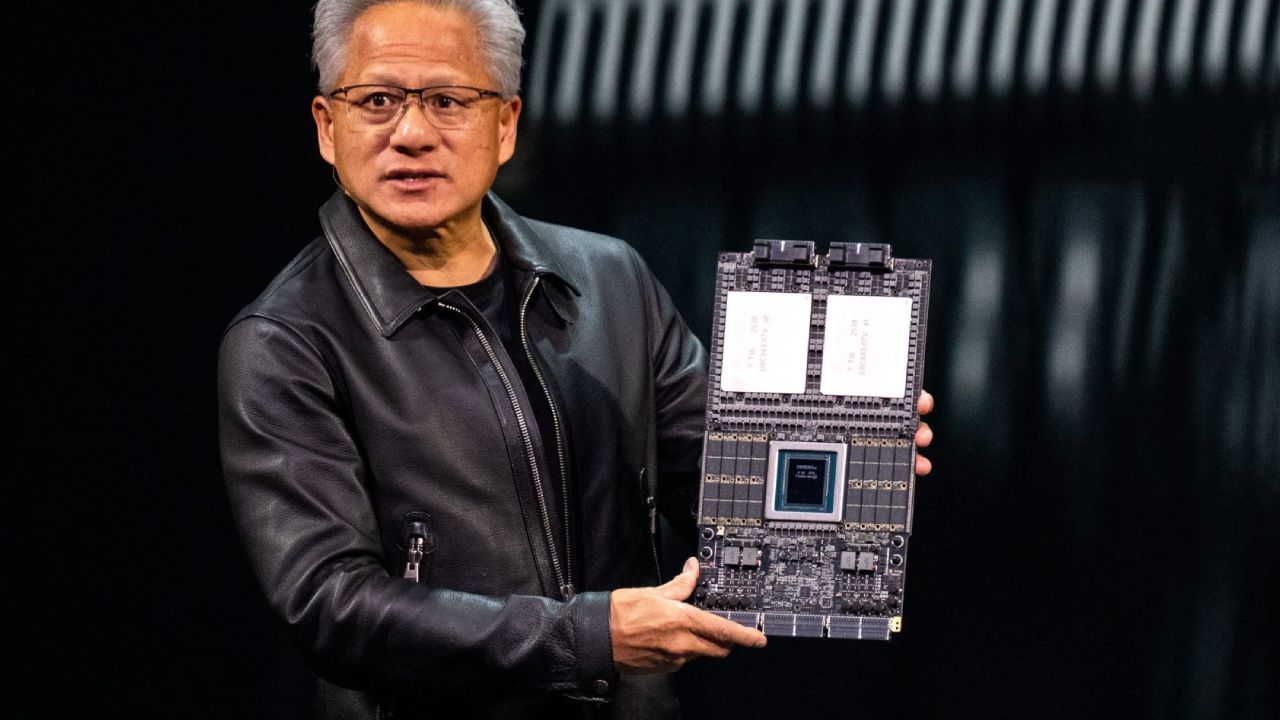
This is not simply another corporate controversy. For a company whose strategic direction remains closely associated with its founder, questions about leadership stability could have consequences across the semiconductor industry.
Meanwhile, hyperscalers are pouring money into bespoke ASICs (application-specific integrated circuits), creating a competitive environment that could eventually chip away at NVIDIA's dominance in AI infrastructure. Governance instability, supply-chain risk, and increasingly capable alternatives combine to create a situation that needs addressing.
Leadership Uncertainty Becomes a Business Risk
The biggest concern surrounding NVIDIA is not necessarily the investigation itself; it's how much of the company's identity and decision-making structure is tied up in Huang. He has been the public face of NVIDIA's transformation from a graphics-focused semiconductor company into the dominant supplier of AI computing hardware.
Reports have highlighted his unusually centralized leadership structure, with more than 60 direct reports and no clearly established public succession plan. That arrangement has helped NVIDIA move quickly during the AI boom, but it also creates considerable key-person risk if the CEO becomes unavailable or faces prolonged scrutiny.
For investors and hardware partners, the concern is straightforward. NVIDIA's future depends on effectively executing a demanding roadmap that includes GPUs, networking, memory technologies, and increasingly complex artificial intelligence systems. Uncertainty regarding executive leadership could impede long-term planning.
However, it would be premature to suggest that NVIDIA's operations or product development have already been disrupted. The investigation remains ongoing, and the board has publicly expressed confidence in Huang and his leadership team.
Custom ASICs Are Becoming a Serious NVIDIA Alternative
While NVIDIA deals with governance questions, its biggest customers are increasingly investing in alternatives. Google, Amazon, and Meta understand that relying almost entirely on expensive NVIDIA accelerators creates financial and operational dependencies that become harder to manage as AI infrastructure expands.
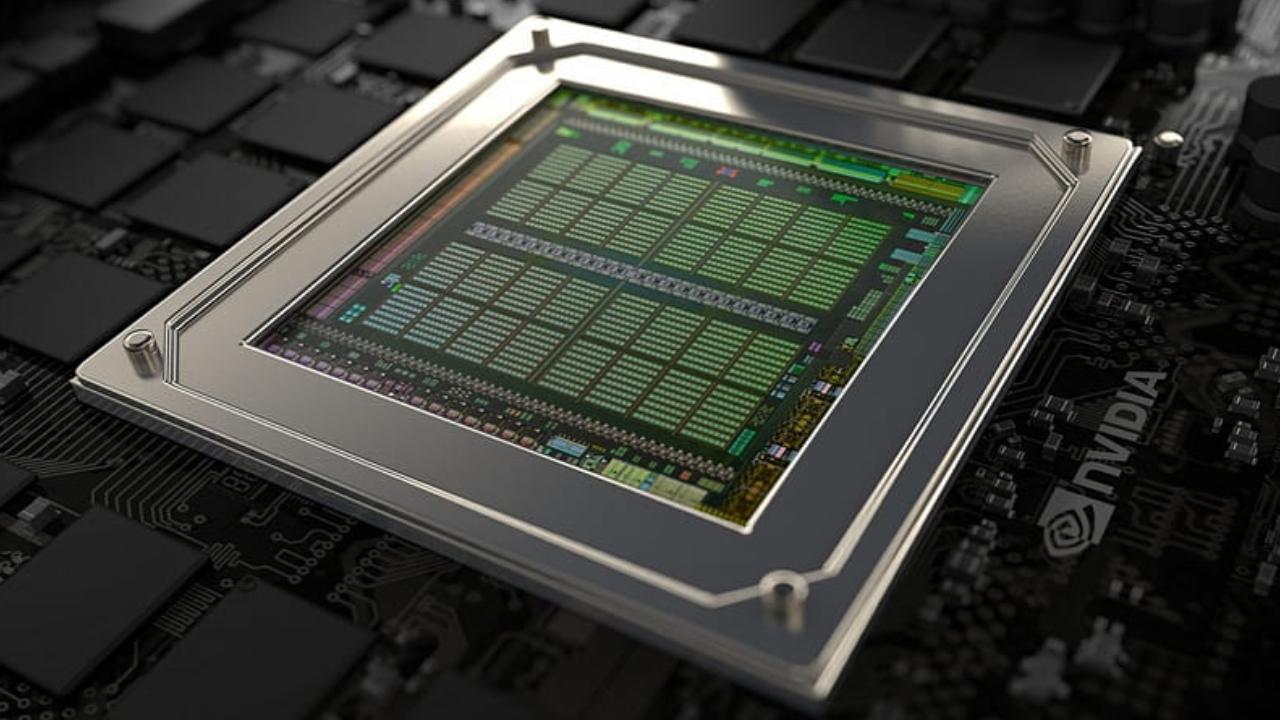
This is where custom ASICs become strategically important. General-purpose GPUs are meant to handle a wide variety of parallel computing workloads. ASICs are developed for a specific set of computational requirements. This lets organizations tune processing units, memory hierarchies, interconnects, and power consumption to their specific AI models.
One of the best examples is Google's Tensor Processing Units, or TPUs. Amazon has its Trainium and Inferentia accelerator lines, while Meta is stepping up its Meta Training and Inference Accelerator (MTIA) effort in a multi-generational collaboration with Broadcom.
The economic argument is very persuasive. At massive deployment scales, specialized hardware can deliver better performance per watt and lower operating costs for workloads it was specifically designed to handle. NVIDIA GPUs retain an important advantage in flexibility, software compatibility, and ecosystem maturity, but hyperscalers do not necessarily need that flexibility for every inference workload.
Broadcom is emerging as an important player in this transition. Its partnerships with Google and Meta demonstrate how established semiconductor designers can help cloud companies develop custom accelerators without building every aspect of the silicon development process themselves.
Supply Chain Shockwaves Could Change the Competitive Landscape
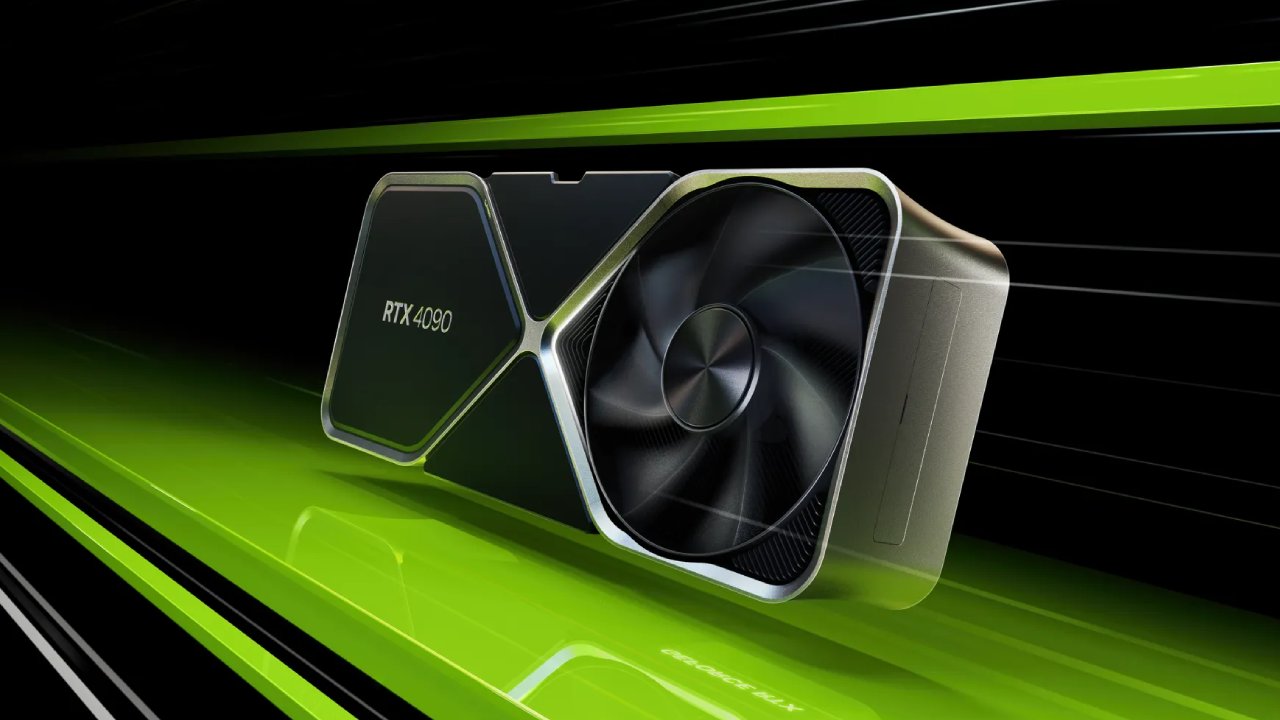
Extended leadership uncertainty at NVIDIA could be another twist in an already convoluted semiconductor supply chain. NVIDIA's GPU manufacturing and the burgeoning custom ASIC ecosystem remain dependent on TSMC. These competing designs require access to modern manufacturing techniques, high-bandwidth memory, and complex packaging technologies.
A shift in the balance between demand for GPUs and ASICs could affect the distribution of future manufacturing capacity. But for now, there's no verifiable indication that TSMC has altered NVIDIA's wafer allocations because of the probe. The more immediate concern is that ambiguity about NVIDIA's long-term strategy could affect planning decisions among industrial and infrastructure partners.
This means the supply chain shockwaves could grow if hyperscalers accelerate their move to bespoke silicon. Rather than depending exclusively on NVIDIA's accelerator platforms, major cloud providers could distribute their spending across multiple chip architectures, reducing their exposure to a single supplier.
That would not necessarily diminish the total need for semiconductors. Instead, it might redirect investment into Broadcom, TSMC, advanced packaging companies, and memory makers.
FAQ
Q. Why is Jensen Huang facing scrutiny at NVIDIA?
A. Jensen Huang is facing governance-related scrutiny following reports of a possible foreign intelligence operation. NVIDIA's board has confirmed an independent investigation, but said there is currently no reason to believe company secrets or national security have been compromised.
Q. How could Jensen Huang's leadership uncertainty affect NVIDIA's supply chain?
A. Prolonged leadership uncertainty could complicate long-term planning for manufacturing partners such as TSMC and suppliers of high-bandwidth memory and advanced packaging. However, the investigation has not led to any confirmed production or wafer allocation changes.
Q. Why are Google, Amazon, and Meta developing custom ASIC AI chips?
A. Google, Amazon, and Meta are investing in custom ASICs to reduce dependence on NVIDIA GPUs, lower AI infrastructure costs, and improve power efficiency for specialized training and inference workloads.
Q. Can custom ASICs replace NVIDIA GPUs in the AI market?
A. Custom ASICs could replace NVIDIA GPUs in specific AI workloads where efficiency and operating costs are priorities. However, NVIDIA retains significant advantages through its CUDA ecosystem, GPU flexibility, and established AI hardware infrastructure.
Senior Editor, NoobFeed
Gaming Hardware Updates
No Data.