
NVIDIA RTX 5090 Faces AI Demand as AMD Challenges Its Gaming Lead
NVIDIA RTX 5090 faces AI demand while AMD Radeon RX 7900 XT delivers competitive gaming performance at lower resolutions.
Hardware by Nahe Yan on Oct 23, 2026
The GPU market is changing as artificial intelligence companies increase demand for graphics hardware, software improvements unlock more performance, and AMD competes with NVIDIA in gaming benchmarks. Raw GPU power isn't everything, and the RTX 5090 shows how pricing, availability, and real-world performance can shape buying decisions.
According to a Financial Times report, Chinese technology companies have bought more than 1 million NVIDIA gaming and workstation GPUs during 2026. These include workstation cards and gaming GPUs. Why would an AI company buy a gaming graphics card? US export restrictions have made it difficult for Chinese firms to access certain advanced AI accelerators.
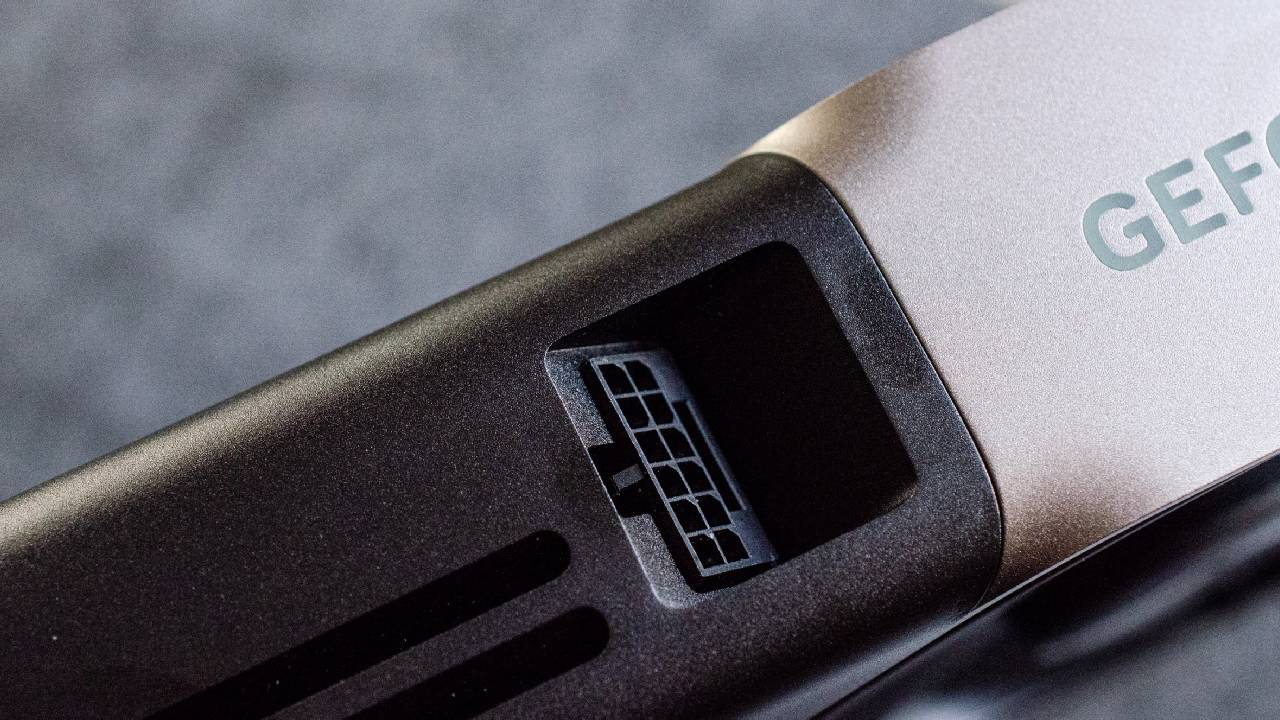
AI Companies Are Buying NVIDIA GPUs
As a result, businesses are finding alternatives they can obtain and adapting them for AI workloads. Demand is enormous. China is expected to make about 3.5 million domestic AI chips this year, but demand is estimated at 5 million. That's a gap of at least 1.5 million chips.
When companies can't get enough purpose-built AI hardware, they may turn to even high-end graphics cards. Reports point to products such as the RTX Pro 6000D, RTX Pro 5000s, and RTX 5090 as hardware attracting attention. Of course, 1 million GPUs purchased by AI-focused businesses does not mean 1 million RTX 5090s have vanished from store shelves.
Some have claimed that NVIDIA is reducing or potentially ending RTX 5090 production, possibly to prioritize more profitable professional cards. However, a rumor is not an official product announcement. NVIDIA has not confirmed that the RTX 5090 has reached end of life. What we can say is that manufacturing capacity is limited. GPUs need advanced chips, packaging, memory, and factory time.
If demand rises in one category, companies have to decide where to allocate those resources. AI isn't the only reason graphics cards become expensive. Retail supply, demand, regional pricing, and reseller markups also matter. However, AI adds another buyer to an already competitive market. While the hardware side gets more complicated, NVIDIA is trying to solve another problem through software.
AMD Radeon RX 7900 XT challenges the RTX 5090 in certain games.
What happens when a cheaper GPU catches up with a flagship that is supposed to dominate every benchmark? TechSpot tested NVIDIA's RTX 5090 against AMD's Radeon RX 7900 XT across 11 games. Both cards were paired with a Ryzen 7 7800X3D, a CPU designed for gaming workloads. At native 4K with demanding settings, the results weren't close.
RTX 5090 was 105% faster on average. In other words, it delivered roughly double the performance. So no, the Radeon isn't secretly the more powerful graphics card. However, lower the resolution, reduce the graphics settings, and aim for extremely high frame rates, and the situation becomes more interesting.
In Space Marine 2, the Radeon could outperform the RTX 5090 in certain low-setting and upscaled tests. In Fortnite's competitive performance mode at 1440p, AMD's card also managed a small lead. How can that happen? Picture a sports car stuck behind traffic. A bigger engine won't help much if the road ahead is blocked. A game can have the same problem.
Editor, NoobFeed
Gaming Hardware Updates
No Data.