
RTX 5080 24GB January Launch Canceled Due to GDDR7 Costs—Leaving 16GB Only
NVIDIA's rumored RTX 5080 24GB cancellation highlights the growing impact of GDDR7 pricing on next-generation graphics card configurations.
News by Tanvir Kabbo on Nov 11, 2026
Hardware rumors can change quickly, especially when memory supply and manufacturing costs grow unpredictable. But the latest news about NVIDIA's GeForce RTX 5080 series suggests enthusiasts may have missed out on one of the most anticipated enhancements before launch. According to claims on Board Channels and hardware forums, NVIDIA has told its AIB partners that the planned RTX 5080 24GB model has been canceled or put on indefinite hold.
The predicted January launch was expected to bring a more capable RTX 5080, addressing one of the biggest issues with NVIDIA's current high-end graphics lineup: insufficient VRAM for more demanding workloads. But the rising cost of GDDR7 memory seems to have made the project commercially hard to justify.
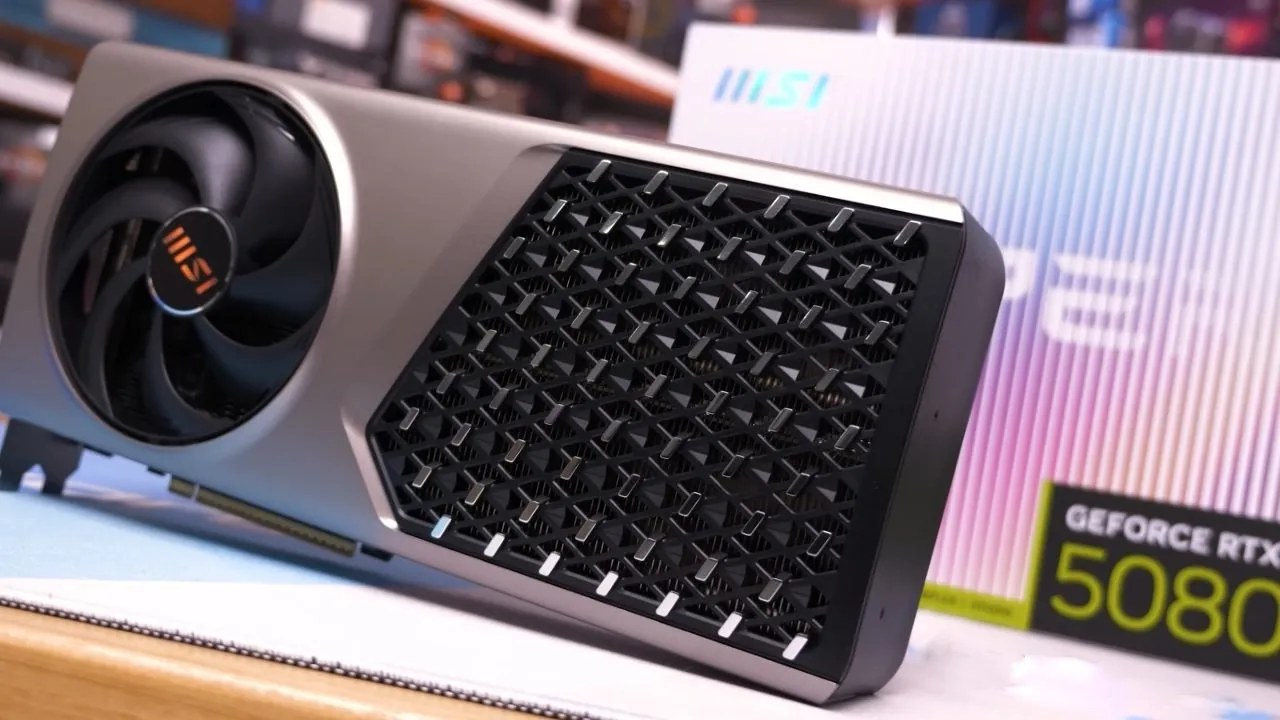
If these claims prove true, NVIDIA will still sell the regular RTX 5080 16GB variant, leaving buyers without the extra 8GB that could have made the card far more appealing to 4K gamers and AI enthusiasts.
3GB GDDR7 Modules Create a Manufacturing Problem
The biggest obstacle reportedly comes from the cost of the newer 3GB GDDR7 memory modules required to build a 24GB RTX 5080. Unlike the existing 16GB configuration, which uses eight 2GB memory modules, reaching 24GB requires eight higher-capacity 3GB modules.
The problem is that these higher-density modules reportedly cost approximately three times as much as their standard 2GB counterparts. That represents a substantial increase in the memory bill before NVIDIA even accounts for the GPU package, PCB, cooling solution, power delivery, and other manufacturing expenses.
This creates an uncomfortable situation for NVIDIA. Increasing VRAM capacity by 50% does not necessarily translate into a similarly manageable increase in production costs. If the reported pricing difference is accurate, the additional memory could dramatically undermine the economics of the RTX 5080 24GB.
Some estimates suggest that manufacturing a commercially viable RTX 5080 24GB could push its potential retail price toward an extraordinary $2,999.
At that price, the card would enter territory traditionally associated with flagship professional graphics hardware rather than a product positioned below NVIDIA's RTX 5090. NVIDIA would essentially be asking consumers to pay an enormous premium for additional memory without necessarily receiving a proportional improvement in conventional gaming performance.
Returning to the existing 2GB GDDR7 modules and maintaining the 16GB model would therefore make considerably more financial sense. It would also allow AIB partners to avoid introducing an expensive product with potentially limited demand.
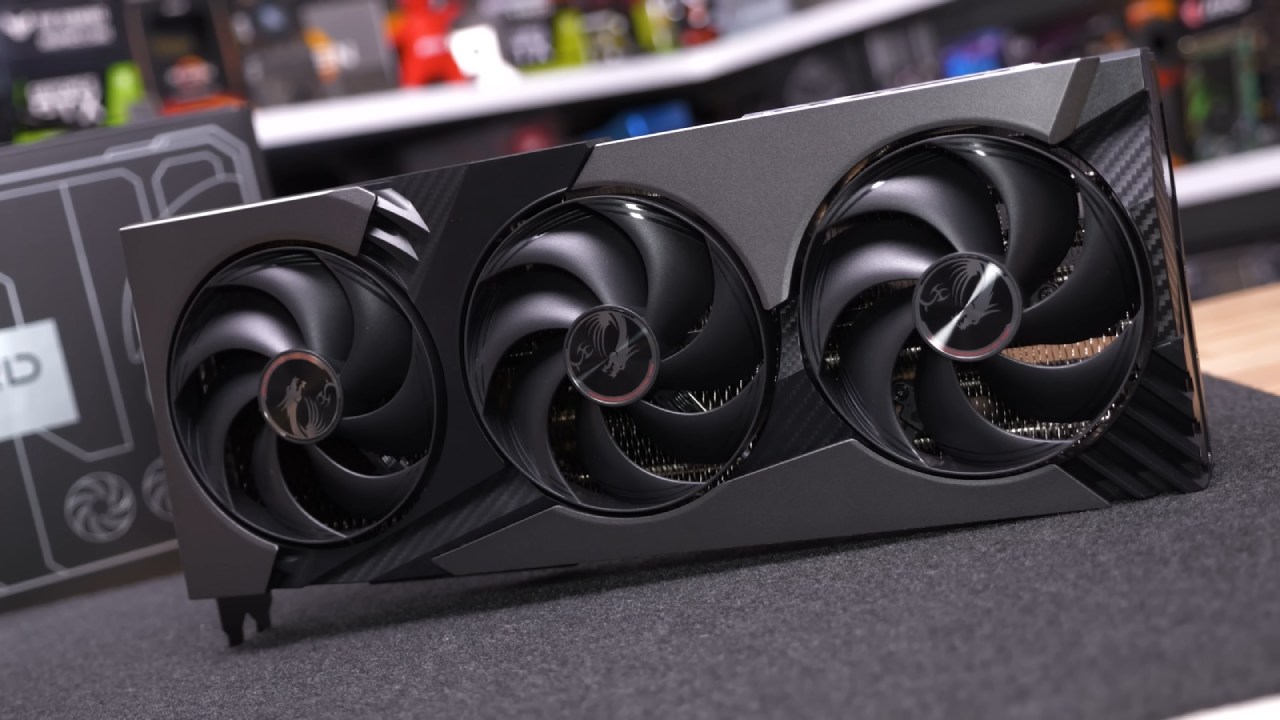
4K Gaming and Path Tracing Need More Memory
For traditional gaming, 16GB remains a substantial amount of VRAM. However, the RTX 5080 is not an entry-level graphics card. Buyers in this performance category want enough memory headroom to handle demanding games, high-resolution textures, complex ray tracing, and future graphics technology.
At 4K, memory usage can grow a lot, especially when you mix path tracing, high-resolution texture packs, and demanding visuals. Once a workload exceeds available VRAM, performance consistency can suffer as the system moves resources between GPU memory and system RAM.
The absence of a 24GB option is therefore particularly frustrating for enthusiasts who want to keep their graphics cards for several years. Raw rendering performance is only part of the equation when memory capacity determines how comfortably a GPU handles increasingly complex workloads.
The cancellation could be even more disappointing for local AI enthusiasts.
GPU RAM matters when you want to run huge language models, experiment with image synthesis, and do local inference. An extra 8GB would have gone a long way toward loading heavier model combinations, expanding context storage, or reducing reliance on system memory. While 24GB wouldn't remove all limitations of local AI tasks, it would allow far more freedom than 16GB.
This leaves an awkward gap between RTX 5080 and RTX 5090. If you need more than 16GB, you're practically pushed to the NVIDIA flagship, which is in a substantially more expensive market area.
Senior Editor, NoobFeed
Related News
No Data.