
AMDLSS5 2.0 Brings DLSS 5 to Radeon GPUs With 64% FPS Boost
AMDLSS5 2.0 introduces a custom rendering engine, promising smoother frame pacing and significantly improved DLSS 5 performance across Radeon GPUs.
Hardware by Masaru Hoshino on Nov 11, 2026
The PC modding community has always loved pushing hardware beyond manufacturers' limits. While NVIDIA has kept its DLSS 5 Neural Rendering technology within its GeForce ecosystem, Radeon enthusiasts are finding ways to bring the technology to AMD graphics cards. Wehaveall, a modder, has published AMDLSS5 2.0, the latest update, which promises better performance, smoother frame delivery, and wider game compatibility.
The project aims to run NVIDIA's neural rendering technology on Radeon GPUs through an unofficial compatibility layer. Its latest release is particularly interesting because it drops its previous dependency on other modifications and introduces a fully custom-written engine. The developer claims this change delivers a massive 64% FPS improvement over competing mods, though the benchmark results need context.
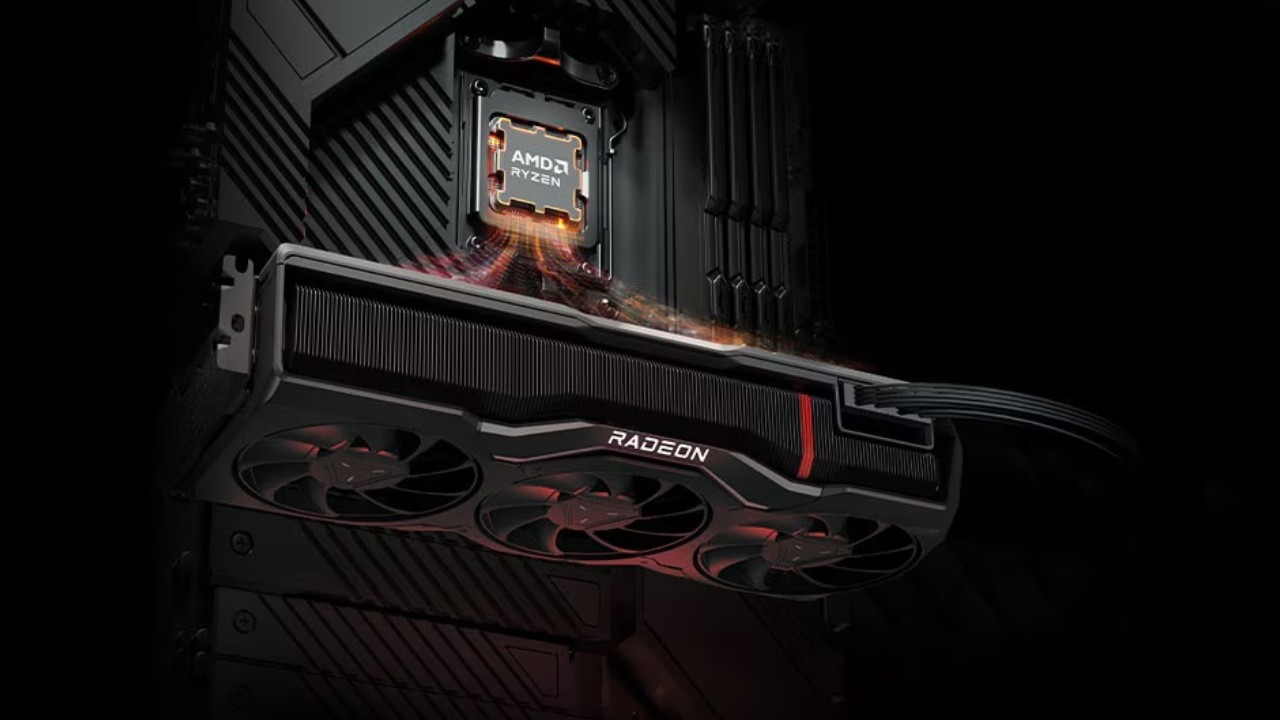
Under the Hood: AMDLSS5 2.0 Brings a Custom Engine
The greatest change in AMDLSS5 2.0 is the fully revamped implementation. Previous versions relied on files from other DLSS 5 mods to port NVIDIA's rendering technologies to AMD processors. Although this method guaranteed compatibility, relying on other implementations added processing overhead and potential problems.
Version 2.0 replaces the dependence with a self-contained engine created expressly for the project. By eliminating unnecessary processing layers, overhead is cut, and communication inside AMD's rendering pipeline improves, the developer says.
This matters because inserting an unapproved rendering technology into another company's graphics architecture isn't as simple as flipping a feature switch. The change needs to manage rendering efficiently while still delivering consistent frames. The proprietary engine is said to increase speed and frame pacing, eliminating slight but persistent stutters found in earlier versions.
The update also adds more visual customization options, including custom color palettes, local tone mapping, and indirect lighting tweaks. With these additions, enthusiasts have more control over the final image.
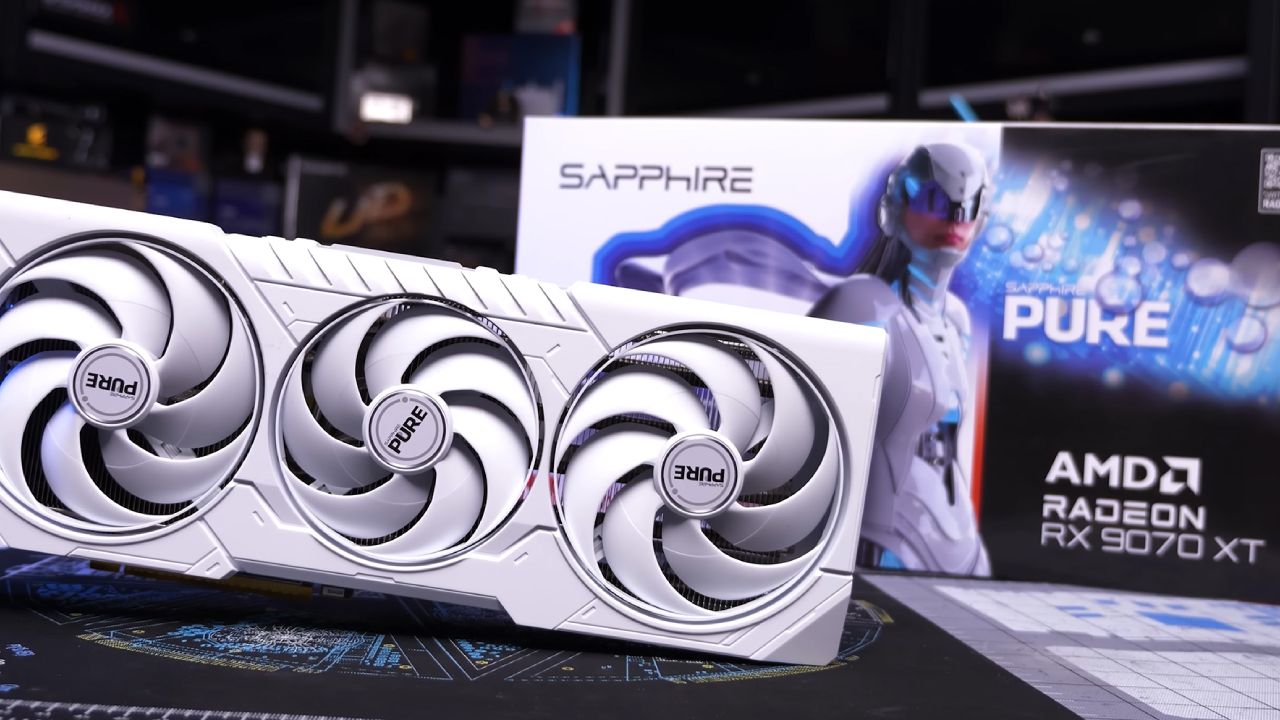
Checking the Math: Understanding the 64% FPS Claim
The headline performance gain sounds impressive, but the comparison behind it is worth looking at. The developer shared PresentMon results of a 60-second test run of Resident Evil Requiem at 4K with FSR enabled on a Radeon RX 9070 XT.
The results show AMDLSS5 2.0 averaging 101.2 FPS, with 78.5 FPS 1% lows. Compared with competing modifications, the developer reports approximately 64% higher average FPS and a 41% improvement in 1% lows. However, comparing the latest release with its predecessor gives a more realistic picture of the generational improvement.
AMDLSS5 1.6.1 reportedly averaged 91.3 FPS with 66 FPS 1% lows. Version 2.0 therefore delivers approximately 11% higher average FPS and 19% better 1% lows. The improvement in 1% lows is arguably more interesting than the average FPS increase. Average frame rates give a general idea of rendering throughput, while 1% lows better indicate consistency during intensive gameplay.
The leap from 66 FPS to 78.5 FPS suggests the new engine could reduce slowdowns and deliver a more fluid experience. For gamers running demanding games at 4K, consistent frame delivery may matter more than a higher average FPS.
But the 64% number should not be taken as an across-the-board performance improvement. It evaluates AMDLSS5 2.0 against competing mods, not against native render performance or against NVIDIA's official DLSS 5 implementation. These findings also come from a single test scenario, not an independently confirmed benchmark suite.
Radeon GPU and Game Compatibility Expands
AMDLSS5 2.0 is focused on the Radeon RX 9070 and RX 9070 XT, while the RX 7000 series receives experimental alpha support. Compatibility and performance on older RDNA architectures are not guaranteed.
The update also adds support for PRAGMATA, Nioh 3, and Grand Theft Auto V Enhanced. However, GTA V Enhanced is only available offline in Story Mode. Using the tweak in online multiplayer contexts may trigger anti-cheat measures and lead to bans.
Titles supported include Cyberpunk 2077, Red Dead Redemption 2, The Witcher 3, Monster Hunter Wilds, and Final Fantasy XVI.
FAQ
Q. What is AMDLSS5 2.0?
A. AMDLSS5 2.0 is a community-developed modification that brings NVIDIA's DLSS 5 Neural Rendering technology to AMD Radeon graphics cards using a custom-written rendering engine.
Q. Does AMDLSS5 2.0 really deliver a 64% FPS boost?
A. The developer claims a 64% average FPS improvement compared with competing modifications. In a Resident Evil Requiem 4K test on the Radeon RX 9070 XT, it averaged 101.2 FPS with 78.5 FPS 1% lows.
Q. Which AMD Radeon GPUs support AMDLSS5 2.0?
A. AMDLSS5 2.0 primarily targets the Radeon RX 9070 and RX 9070 XT, while the Radeon RX 7000 series receives experimental alpha support.
Q. Which games are supported by AMDLSS5 2.0?
A. The update adds compatibility with PRAGMATA, Nioh 3, and Grand Theft Auto V Enhanced, alongside existing supported titles. GTA V Enhanced compatibility is restricted to offline Story Mode.
Editor, NoobFeed
Gaming Hardware Updates
No Data.