
AMD Neural Rendering Could Change Graphics on XBOX Project Helix
XBOX Project Helix officially confirms AMD neural rendering support as next-generation graphics technology becomes part of the console roadmap.
XBOX by Nahe Yan on Sep 17, 2026
XBOX Project Helix is expected to introduce new rendering technologies as Microsoft prepares its next-generation XBOX platform. One area receiving attention is neural rendering, which could work alongside AMD's next-generation FSR technology and use machine learning to change how graphics are produced.
Microsoft has already confirmed that neural rendering is part of the Project Helix development roadmap, although full implementation details remain unknown. A few days ago, a leak suggested that the next-gen XBOX and PlayStation 6 will support something like DLSS 5 through neural rendering.
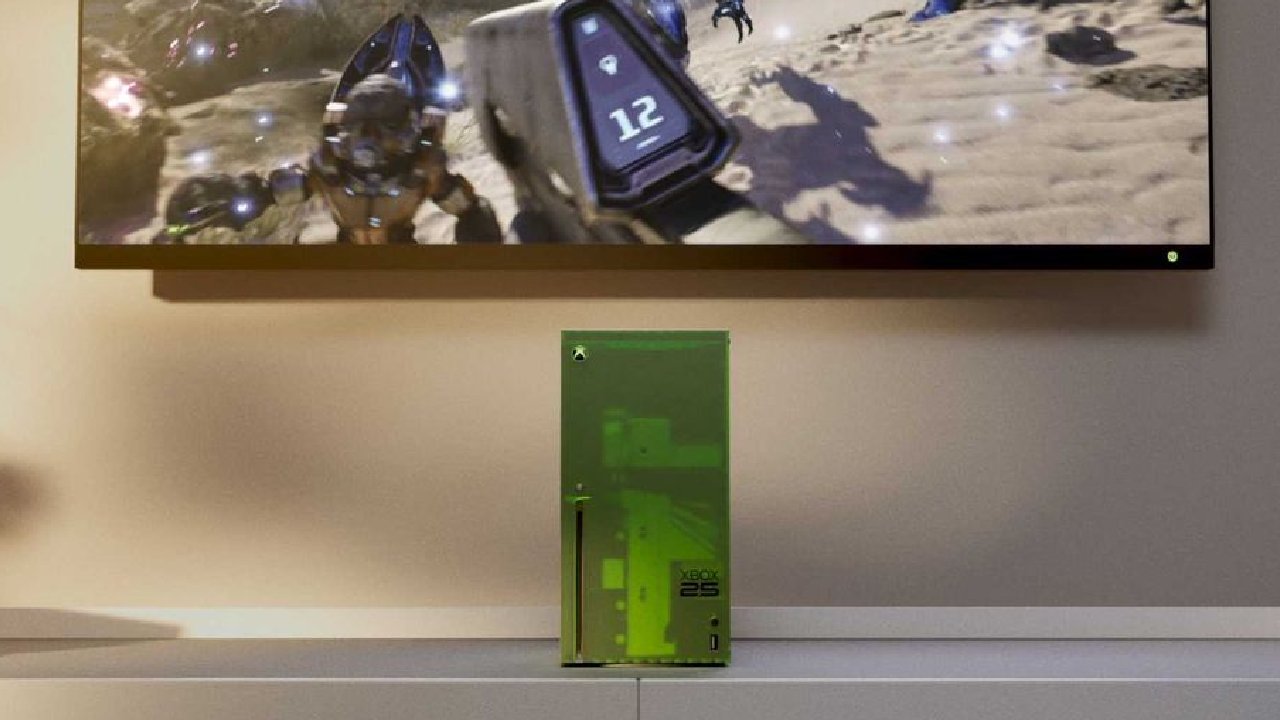
XBOX Project Helix and Neural Rendering
I'm sure you've already heard about DLSS 5. Nvidia made it. It hasn't been officially released yet, so we still have to wait. But some tests are already out there, and the technology looks impressive in many games. Now, let's go back to AMD, XBOX Helix, and PlayStation 6. That particular leak suggesting that next-gen consoles will support neural rendering comes from Kepler L2.
He's a well-known leaker who covers all kinds of tech, and he's usually right on the money. The real question is whether that information is actually true. The information is confirmed as true, at least for XBOX. Microsoft revealed some of these tools at GDC this year. That's where Microsoft officially spoke about Project Helix for the first time.
Microsoft also spoke about neural rendering. There is an official slide from that conference that covers all kinds of Project Helix innovations. It says AMD FSR Next Plus Project Helix is built for the next generation of neural rendering. So there you go. It's official.
How AMD's Neural Rendering Could Work
Kepler L2 actually said more about it. He explained how it could work, since everyone is excited about DLSS 5 right now. Obviously, you need a powerful Nvidia GPU to run it, but it still impacts performance. DLSS 5 is one thing. It's neural rendering, but it doesn't fully use the technology. It's another filter on the old way of making and creating games.
The next generation of neural rendering is something different. It's something deeper. It's more built into the game engine, and that's what Kepler L2 was talking about. These are just a few points from that conversation about next-generation neural rendering. He was referring to both the next-gen XBOX and PlayStation 6.
Instead of using a rendered 2D frame as DLSS 5 actually uses, where it isn't built into the game engine and instead takes whatever the GPU produces, DLSS is more like an additional filter on top of that. Instead of rendering a 2D frame and recalculating lighting, materials, and tonal balance, AMD is integrating its neural rendering directly into the graphics engine's internal 3D data.
In essence, that should produce a more realistic effect. It could also affect the whole environment. In DLSS 5 tests, it usually affects mainly faces and objects in the main focus, while the environment changes less. The hope is that this will change with next-generation neural rendering.
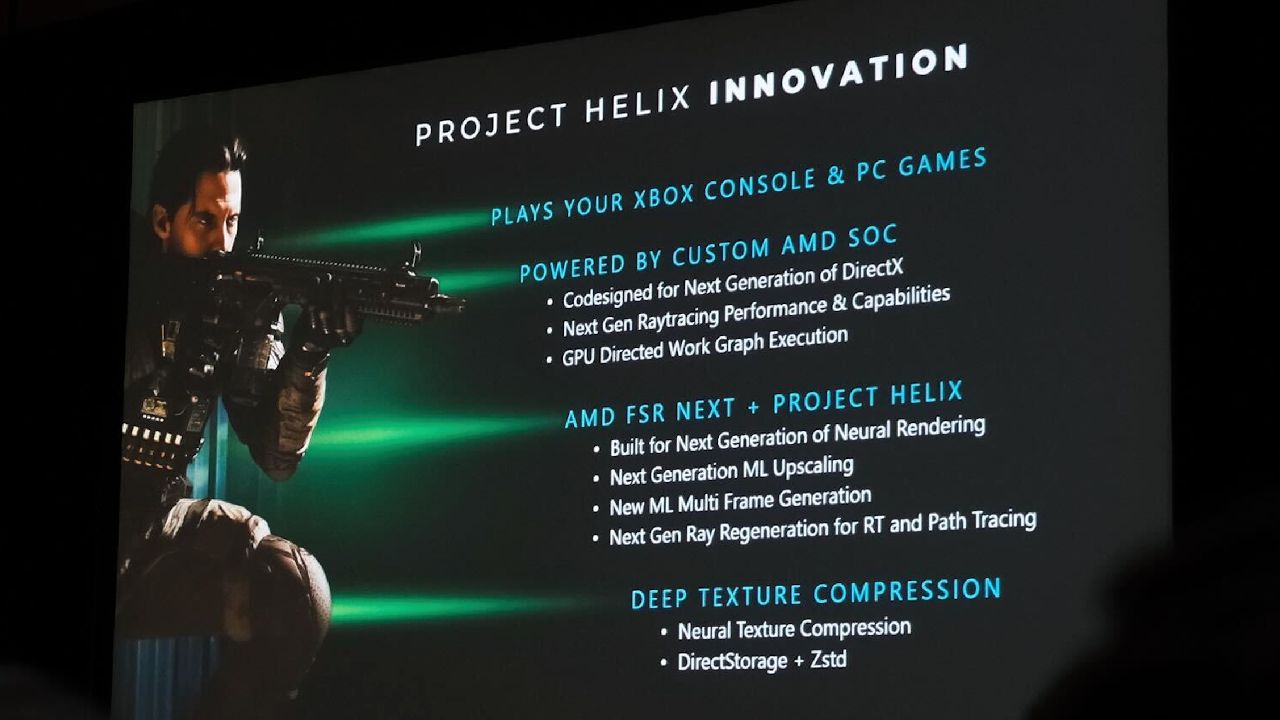
Neural Rendering Could Change Game Graphics
What we see here is basically the next generation of DLSS 5. Obviously, we still haven't seen any results. We've seen how DLSS 5 works, and it looks impressive, but if AMD could build that into the game engine, that would be another step. Hopefully, that will also be more efficient. Let's face it, DLSS 5 has a large performance cost.
You really need a powerful NVIDIA GPU to run it at any sort of reasonable frame rate. We'll see how that goes. I'll obviously look into that more, and if I find more information directly from AMD on the technology, I'll share it because it's interesting. This could be a major step for graphics. The next generation may not be all about power, but more about pixels on the screen.
One important point to consider. The technology will likely be implemented in games, but it may take time before a full, proper implementation is available. This is a new rendering approach. The question for AMD and developers is whether it will be easy to implement in the game engine.
AMD will likely provide an API or another simple way to implement it.
With API integration, the technology appears in games more quickly. Even so, as with new console generations and new technology overall, we will probably have to wait a few years to see the technology's full potential. Still, I'm looking forward to this technology and seeing it in action.
Developers and games already use machine-learning-based technologies. Machine learning is no longer being used only for image reconstruction. It's also being used for ray tracing and other rendering techniques. Neural rendering adds another layer to the rendering process. It focuses on lighting and ensuring surfaces and the overall scene look more natural and realistic.
Editor, NoobFeed
Latest Articles
No Data.