
XBOX Project Helix Could Launch in Late 2027 With PC Gaming Support
Xbox Project Helix targets a balance between next-generation performance, hardware efficiency, storage capacity, and consumer affordability.
XBOX by Shinji Okazaki on Aug 30, 2026
Project Helix is Microsoft's work on the next version of Xbox hardware. The platform should have features from both consoles and PCs. Performance, efficiency, memory, storage, and hardware costs are shaping the project. XBOX ecosystem is expected to include a variety of device types.
Asha Sharma, the head of XBOX, is overseeing the next generation of Xbox hardware as the company deals with rising component prices and changing expectations around console gaming. Project Helix is being developed as a family of devices intended to serve traditional Xbox players while also expanding further into the PC gaming market.

Xbox Project Helix is in Development
XBOX SEO Asha Sharma said in a recent interview with the BBC, "We've been hard at work on a great next generation and a great family of devices for Helix, and we'll share more soon." Xbox Project Helix console is expected to be a PC-console hybrid that can play both console and PC games. Xbox is also working on a first-party handheld that is expected to be more powerful and capable than the current ROG Ally.
Another planned device is a cloud streaming box that would provide access to Xbox Cloud Gaming. All of these devices are expected to use some form of the Xbox Zen chip being developed with AMD. They are also expected to connect through a new haptics-driven wireless controller featuring a lift-to-wake function.
In another interview with the BBC, Sharma explained the challenge facing the next generation of XBOX hardware: "This next-generation we have to be thinking about efficiency and affordability alongside performance. All of the industry needs to start to innovate on affordability and efficiency. That is something we have not had to do previously."
The hardware team led by Jason Ronald is developing a new form factor for Project Helix that will also function as a PC capable of playing both console and PC games. XBOX could therefore be examining almost every part of the hardware design, from the console's size and weight to the individual components inside it.
The objective would be to determine which components can be reduced or optimized for efficiency while keeping the system capable of delivering the expected performance. Sharma also said, "Our job as XBOX as we continue on in our next generation is to take into consideration what's happening in the world and build the best experience for our players.
Looking at hardware efficiency in terms of how you use storage and memory, the kind of price per unit, the components, things like that." The comments point to Project Helix's power profile and how much storage and memory the console needs for next-generation games.
Project Helix Hardware Could Use 48GB of Shared Memory
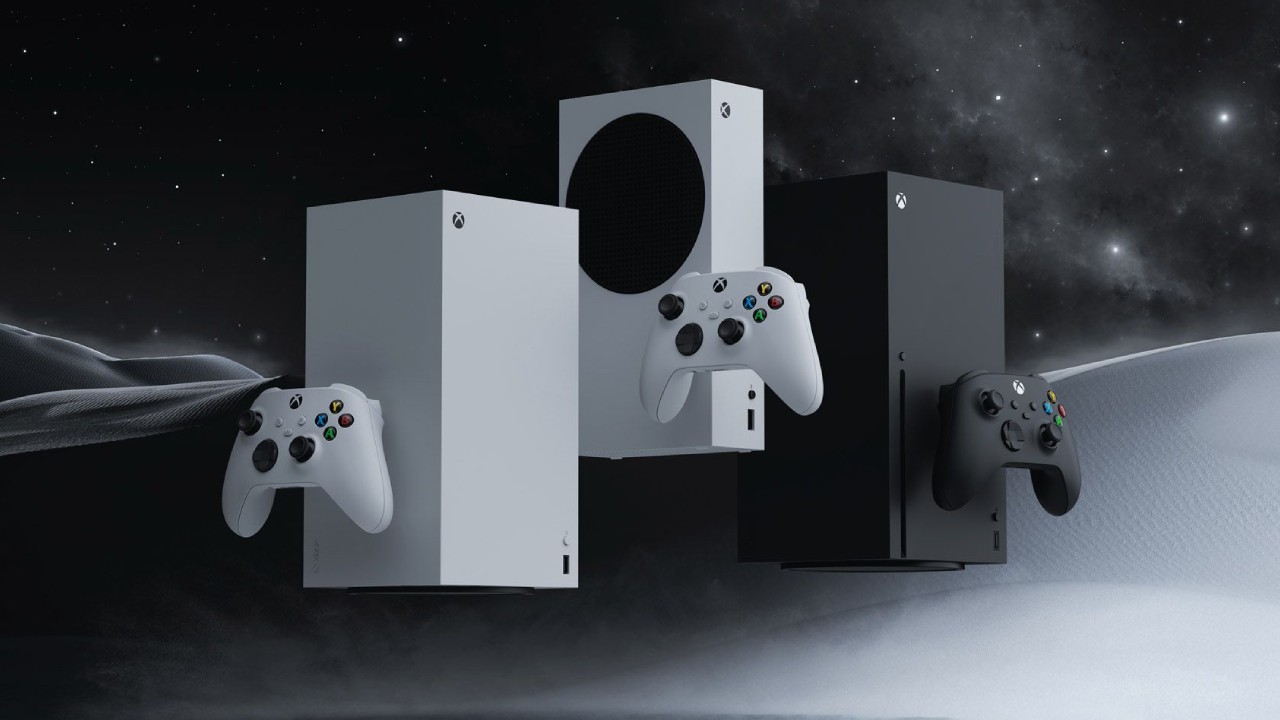
Project Helix is reportedly moving toward pre-production, with the Xbox Magnus chip reportedly entering TSMC manufacturing. Xbox has also said development kits leading to the official console are expected to reach developers in spring 2027. The current Xbox Series X chip board indicates what Project Helix hardware could look like.
The next-generation system is expected to use an RDNA 5 graphics chip with Zen 6 processing surrounded by a memory array. The memory array is expected to use GDDR7 graphics RAM, which would provide the bandwidth needed for large open-world games and complex game systems.
Leaks dating back to early 2026 have pointed to a 48GB shared memory pool, likely used in development kits. Retail consoles typically ship with less memory than their development hardware. A 24GB or 32GB combined memory configuration could still be a significant upgrade over the current generation while keeping the console hardware focused on gaming.
Storage Could Be Another Cost-Cutting Area
Storage may be another area where Xbox could cut Project Helix's cost. A standard configuration could include 1TB of storage, while 2TB has also been considered for the next generation. Reducing that amount to 500GB would put the console closer to the storage capacity of the Xbox Series S.
The problem is that modern games can require substantial amounts of storage. With 500GB available, you could install only four to eight full-size games at a time, depending on their individual sizes. Xbox could potentially keep Project Helix below $1,000 by reducing the minimum internal storage and supporting standard M.2 NVMe SSDs from retailers.
Project Helix will most likely be an all-digital console without a disc drive. Removing the drive could reduce Microsoft's hardware costs, although it would also remove built-in support for physical game discs. Xbox has already announced a disc-to-digital program designed to preserve physical game collections as the platform moves toward disc-less hardware.
XBOX announcement states that most Xbox One and Xbox Series disc-based games support the feature. Players can claim a digital entitlement by inserting a supported disc into an Xbox One or Xbox Series X console and launching the game. The program is starting with thousands of titles, with more expected to be added over time.
The result could be a console priced around $1,000 or more.

Rising hardware costs connected to the growing AI market are already affecting component prices. Xbox also has a large portion of its market in North America, making US tariffs an important consideration for the company's next-generation hardware strategy. Delaying the console would not necessarily solve these component and tariff pressures.
Project Helix is still expected to be revealed in 2027, with a release planned for late 2027. The platform is being designed around backward compatibility, PC gaming support, digital access, and a broader hardware family. Xbox has also introduced a system for preserving supported physical game libraries as the company moves toward future devices without disc drives.
Finding the right balance between performance, memory, storage, cost, efficiency, and affordability is hard. As it develops the next version of the Xbox platform, Project Helix will have to address these hardware and cost challenges.
Editor, NoobFeed
Latest Articles
No Data.