
GeForce RTX 5090 Price Surges as GDDR7 Supply Falls Behind Demand
GeForce RTX 5090 Launch Pricing Remains Unchanged While Limited Convention Sales Contrast With Surging Market Prices.
Hardware by Shinji Okazaki on Sep 09, 2026
NVIDIA’s GeForce RTX 5090 still carries a $1,999 US list price, but finding one anywhere near that price has become difficult. At a recent gaming convention, NVIDIA sold Founders Edition cards at their original launch prices, including the GeForce RTX 5090 for $1,999. At the same time, the median listing for the same card reached $4,699.
That creates a $2,700 gap between the official list price and the price shoppers are actually seeing. The difference comes down to how limited the convention sales were and what is happening with GPU memory supply. At the last PAX West event, held September 4th through 7th at the Seattle Convention Center, the company sold Founders Edition cards at their original launch rates.
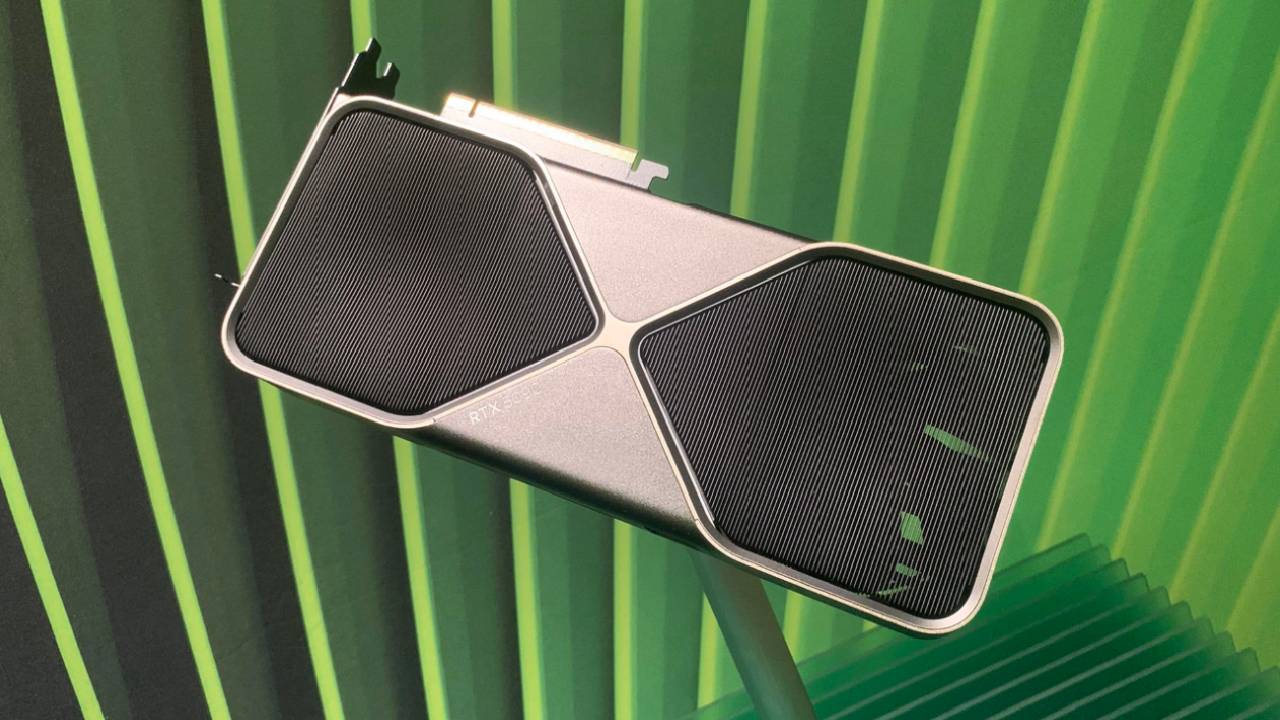
NVIDIA Sold GeForce RTX 5090 Cards at Original Launch Prices
GeForce RTX 5090 was $1,999, the RTX 5080 was $999, and the RTX 5070 was $549, while supplies lasted. To buy one of these cards, people had to find Jacob Freeman, NVIDIA’s GeForce evangelist, who posted online where he would be standing and told people to come find him.
So, in September 2026, the list price of a graphics card became something you could get by physically locating an employee at a convention. The number from the event does not change what is happening in the wider market.
In August, the median Newegg listing for an RTX 5090 was $4,699 against a $1,999 list price. That is 135% above MSRP, a $2,701 difference. The situation did not stop there. On September 6th, the tracker at videocardprices.com had the cheapest in-stock GeForce RTX 5090 at $5,799, which was 190% above list.
Tom’s Hardware puts it plainly: you will now spend at least $5,000 online. The rest of the lineup is not fine either. The median price of the RTX 5070 rose from $659 to $899 over 2 months. The RTX 5060 Ti 16GB is priced 88% above its own MSRP.
We covered that climb a week ago. It's no longer just a gaming card. The RTX 5090 has 32GB of GDDR7 memory, making it one of the more affordable ways to run a large model locally without buying data center hardware.
The same silicon wafers used to make GDDR7 for graphics cards are used to make HBM for AI accelerators.
Hardware experts name that directly as the reason the GeForce RTX 5090 became the flashpoint of the whole price story. That is the part that keeps getting missed. If you are shopping for an RTX 5090 to play games, you are no longer bidding against other gamers.
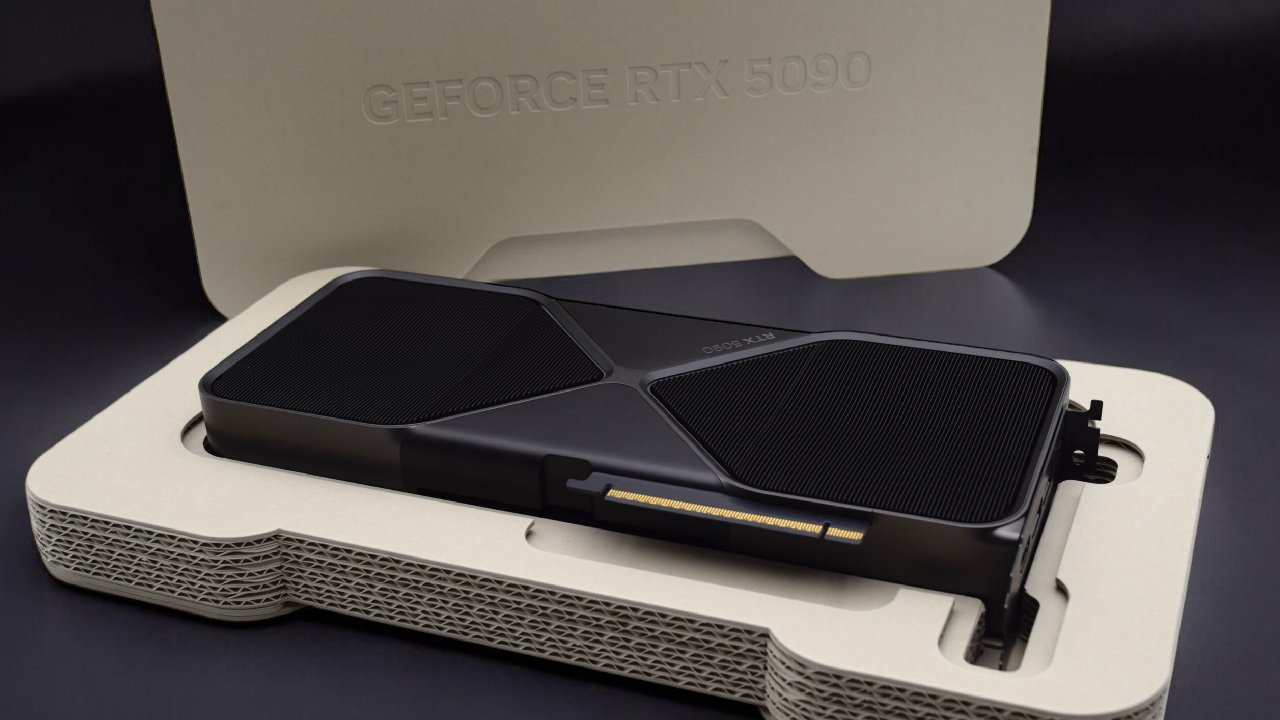
You are bidding against somebody doing inference math, comparing your gaming card to an enterprise accelerator, and concluding that $5,000 is cheap. HBM earns 3 to 5 times more revenue per wafer, so manufacturers move capacity toward it. Estimates put GDDR7 supply 30% to 40% below projections.
DRAM contract prices roughly doubled quarter over quarter, and AI data centers now consume more than 20% of the world’s DRAM. We ran the whole memory story in August, and every number in it got worse, not better.
It is a price that exists to be photographed. One real exception exists, and it is a big one. If you live near one of these events and actually want the card, that line represents a genuine $2,700 discount. Right now, that discount exists only there. Prices will come down when wafers return to GDDR7, and nothing that happened this weekend moves that date by a single day.
Editor, NoobFeed
Gaming Hardware Updates
No Data.