
AORUS GeForce RTX 5090 Infinity Price Hits $5,299: Gigabyte’s 2.6x Founders Edition Markup
The AORUS Infinity represents a halo product built for collectors and overclockers rather than performance-focused gamers.
Hardware by Masaru Hoshino on Jun 18, 2026
The graphics card market has delivered plenty of eye-watering prices over the past few years, but Gigabyte may have just pushed things into entirely new territory. A new retail listing at Micro Center has revealed the limited-edition AORUS GeForce RTX 5090 INFINITY carrying a jaw-dropping $5,299 price tag, making it one of the most expensive consumer gaming GPUs ever offered through a mainstream retailer.
For perspective, NVIDIA's GeForce RTX 5090 Founders Edition launches at $1,999. That means Gigabyte's anniversary showcase card costs roughly 2.6x more than the baseline flagship. At that price, PC enthusiasts are no longer comparing it against other graphics cards. They are comparing it against complete gaming systems, premium laptops, and even used cars.
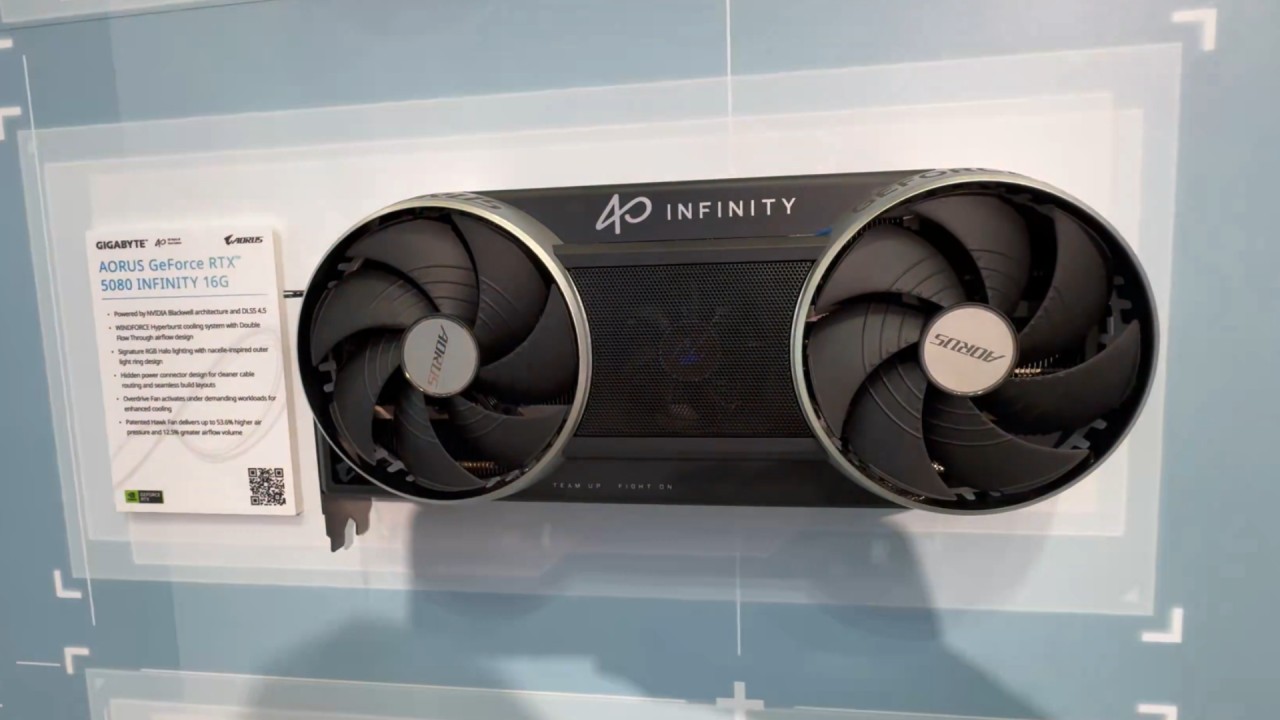
What Does $5,299 Buy You?
Gigabyte is not positioning the RTX 5090 AORUS Infinity as a conventional graphics card. This is a celebration product built around the company's 40th anniversary, designed to showcase engineering, exclusivity, and brand prestige rather than value.
The centerpiece is an unconventional dual-fan cooling solution that uses a double flow-through design. The cooler is built for maximum airflow through the heatsink, while giving a more distinctive look than your typical triple-fan flagship cards. Gigabyte has also added what it claims is a secret "Overdrive" fan that will help offer extra ventilation when thermal needs increase.
The cooling system uses superconducting heat pipes and an enlarged thermal assembly to deliver exceptional power. The design idea is simple: make it a flagship product that stands out from any other RTX 5090 on the market.
Performance also goes beyond NVIDIA's reference requirements. The card comes with a factory overclock of 2,730 MHz, which is a good deal higher than the RTX 5090 reference boost clock of 2,407 MHz. That represents a substantial out-of-the-box frequency increase and highlights the premium silicon and cooling solution Gigabyte has reserved for this special edition.
For collectors and enthusiasts, the anniversary branding itself is part of the appeal. Products like these are often manufactured in extremely limited quantities, turning them into showcase pieces as much as gaming hardware.
The Missing Gold Makes the Price Even Harder to Justify
One detail making headlines is what appears to be absent from the US retail package.
When Gigabyte's anniversary RTX 5090 surfaced in Taiwan, buyers were reportedly offered a promotional bonus that included a free 1-gram bar of 999 pure gold. While the inclusion did little to justify the overall asking price, it at least provided a unique collector's incentive tied directly to the anniversary celebration.
The Micro Center listing currently makes no mention of that promotional extra.
As a result, US buyers appear to be facing the same equivalent pricing without receiving the one novelty item that helped differentiate the package. For enthusiasts already struggling to rationalize a $5,299 graphics card purchase, that omission only adds another layer of sticker shock.
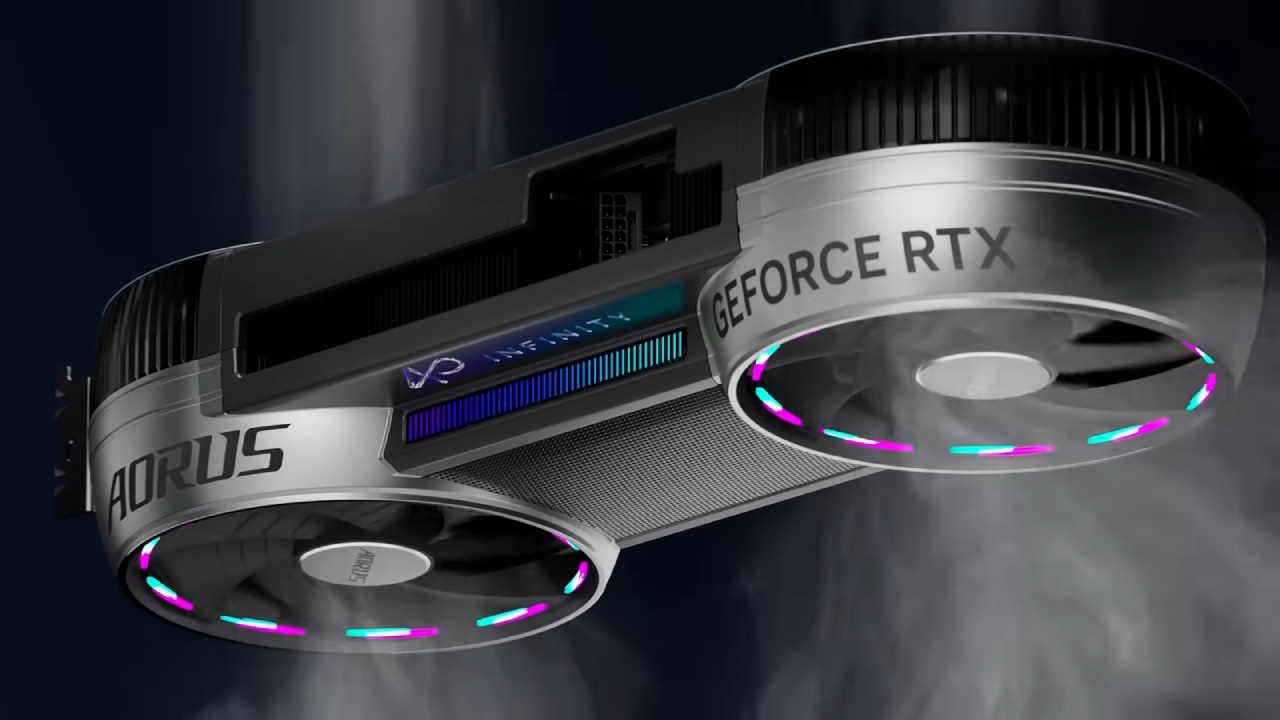
Founders Edition vs. AIB Reality
The biggest question surrounding the AORUS Infinity is not whether it is impressive. It clearly is. The real question is whether the engineering justifies a premium of more than $3,300 over NVIDIA's Founders Edition. The answer for most gamers is straightforward.
A better cooler can improve temps, reduce noise, and give you some extra overclocking headroom. A factory boost clock of 2,730 MHz is certainly tempting. However, today's top GPUs are already operating very near to their practical limits. Even substantial factory overclocks typically translate into relatively modest real-world gaming gains.
RTX 5090 Founders Edition already delivers top-tier performance. Spending more than double its price for incremental improvements creates a value proposition that becomes increasingly difficult to defend.
For the overwhelming majority of PC builders, that extra budget would produce a far greater impact elsewhere, whether through a complete system upgrade, a high-refresh-rate OLED display, or simply staying in the bank account.
Why These Halo Products Exist
Despite the criticism they often attract, ultra-premium graphics cards serve a purpose within the industry.
Every generation produces a handful of so-called halo products. Examples include ASUS's ROG Matrix lineup and MSI's Lightning series. The cards are not intended to compete on a price/performance basis. Instead, they are engineering demonstrations of what manufacturers can do when budget is not a concern.
They also serve as status symbols. For collectors, serious hobbyists and competitive overclockers, exclusivity might be just as crucial as sheer performance. There is something more appealing about owning one of the most costly and limited graphics cards ever made than simply looking at benchmark charts.
From a marketing point of view, halo products create awareness that resonates through the whole brand range. Even people who purchase mid-range GPUs become aware of the technological possibilities demonstrated at the upper end.
Editor, NoobFeed
Gaming Hardware Updates
No Data.