
AMD Launches New RX 9050 While GPU Price Rises
AMD quietly launches the Radeon RX 9050 as a cut-down entry-level GPU with a questionable value proposition for buyers.
Hardware by Shinji Okazaki on Aug 02, 2026
Memory shortages and rising component costs are still putting pressure on the PC hardware market. As new products come out, prices go up instead of down, which is not helping. The same thing is happening with budget GPUs, upcoming APUs, VR hardware, and storage: specifications that look good are undermined by supply chain problems, regional restrictions, or prices that rise faster than expected.
This week, there were a lot of stories about PC hardware. Some of them were about a new entry-level graphics card, a secret APU with surprisingly strong built-in graphics, more price hikes for GPUs, and where DRAM and storage might be going next.
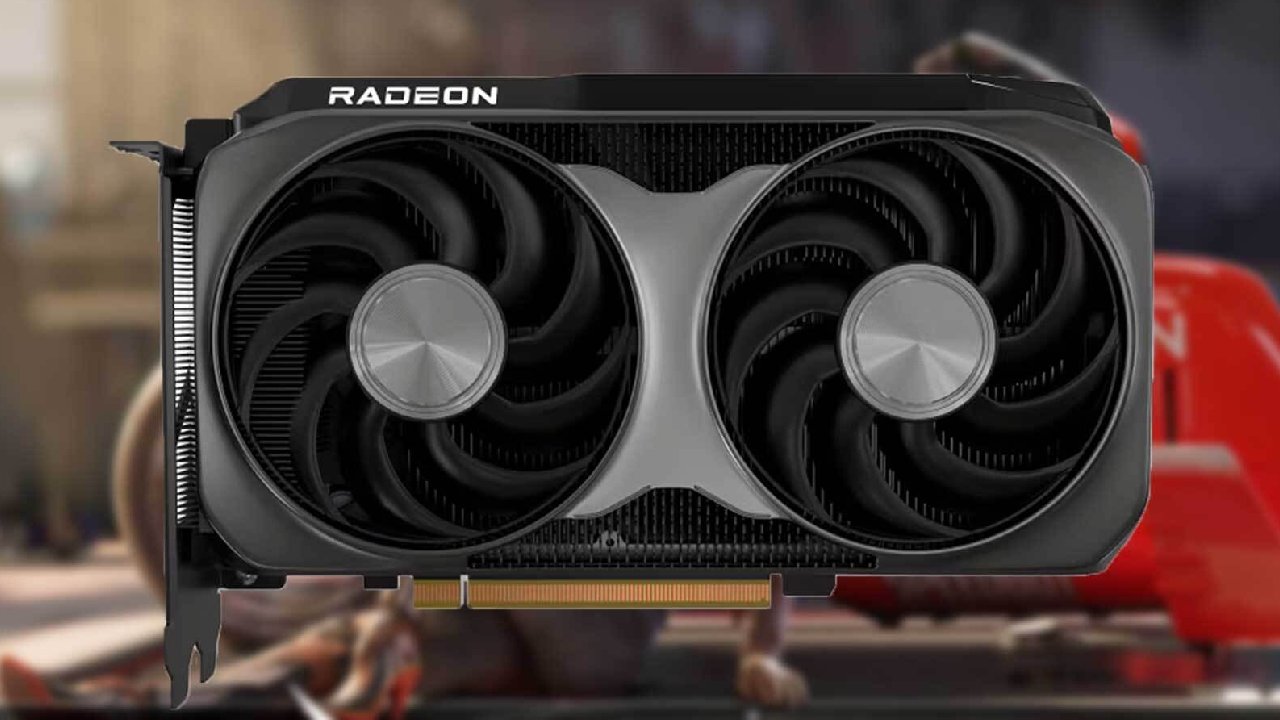
AMD Launches Radeon RX 9050
AMD added another graphics card to its Radeon RX 9000 series lineup this week, aimed at budget gamers, and while that sounds like good news at first glance, the details tell a different story. The new Radeon RX 9050 is, spec for spec, essentially a Radeon RX 9060 XT cut in half.
It carries half the compute units, stream processors, ray tracing, and AI accelerator and texture unit counts of the RX 9060 XT for an MSRP of $279. RX 9050 isn't even getting a proper launch announcement from AMD, and there's a reason for that. Earlier this week, an Adrenalin driver update added support for the card, which is how outlets first spotted it.
It was subsequently found in a CyberPowerPC Gamer Master listing at Best Buy showing a version of the card with 4GB of VRAM, and AMD later confirmed that this variant does exist, running on a 64-bit memory bus rather than the 128-bit bus used on the 8GB model.
That listing paired the 4GB RX 9050 with a Ryzen 5500, a 500GB SSD, and 8GB of DDR4 memory in a $900 prebuilt PC, a combination that says a lot about how far PC gaming specs have drifted relative to their prices. This is a US listing, but the 4GB card itself is not sold at retail.
AMD has confirmed it is an OEM-exclusive variant built for a specific prebuilt partner, with no plans for a standalone release. The standard 8GB RX 9050 is being distributed initially to the Asia-Pacific, Japan, and Latin America markets, where Sapphire and ASRock have already put up product pages.
It will likely turn up in prebuilt systems purchased by buyers who may not realize what a bottleneck a 4GB GPU can be for gaming in 2026, but at least it represents a new GPU launch at the budget end of the market.
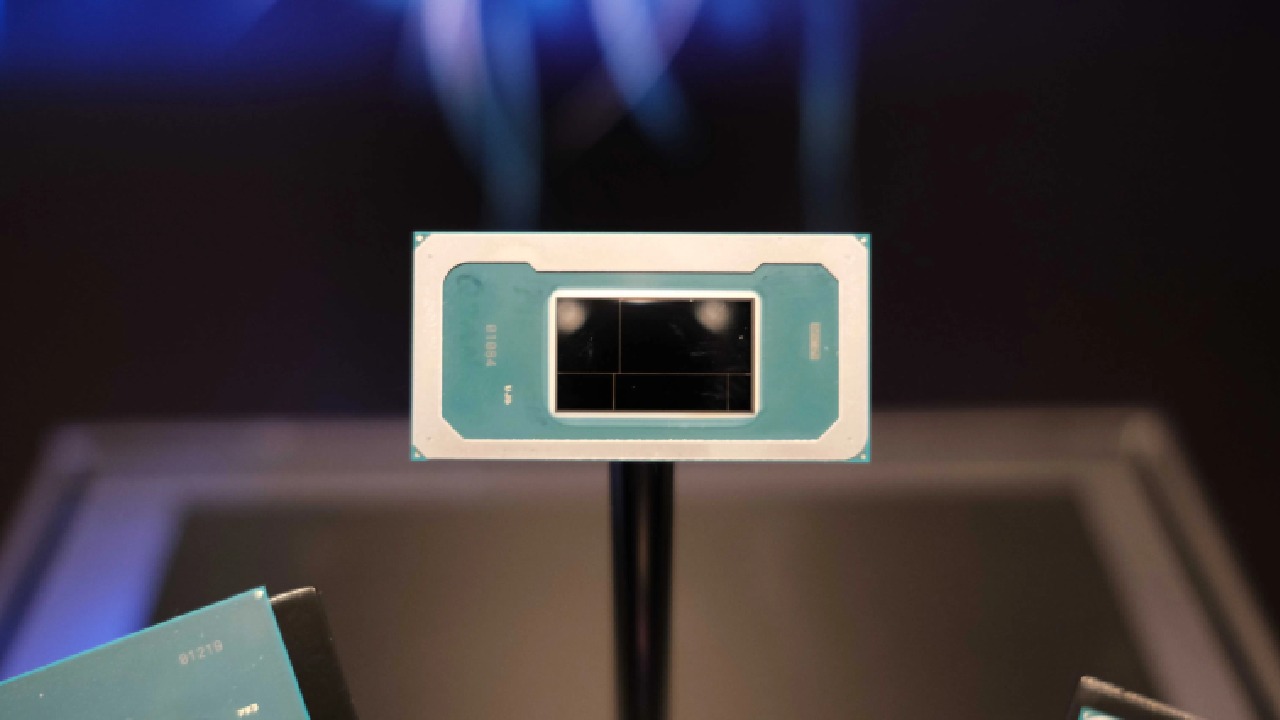
A Leaked Intel Nova Lake APU
A genuinely promising story in an otherwise mixed week concerns a rumored Intel Nova Lake desktop CPU with a 12-core Xe3P integrated GPU. A capable APU, meaning a CPU paired with strong enough integrated graphics to serve as an entry-level gaming option with a later upgrade path, has been something worth advocating for, and AMD's Ryzen G-series APUs have generally felt underwhelming in that role.
This leaked Nova Lake chip changes that calculation somewhat. According to leaker Jaykihn, the unnamed Nova Lake CPU would pair four P-cores, eight E-cores, and four low-power E-cores with the 12-core Xe3P integrated GPU.
The iGPU's power requirements have reportedly placed the chip in the 65W power delivery range, which isn't a major concern for desktop cooling or power delivery generally, but could mean that not every LGA1954 motherboard supports it, since some budget boards may lack a sufficiently capable power delivery configuration.
This remains a rumor for now. For context on performance, the current Arc B580 uses 20 Xe2 cores, so this Nova Lake chip won't outperform low-end discrete cards outright. Panther Lake laptops already on the market with 12-core Xe3 iGPUs have shown performance a bit slower than an RX 7600.
While that comparison involves the earlier Xe3 architecture rather than Xe3P, it gives a reasonable sense of the tier this chip is aiming for. That's a solid result for integrated graphics.
If Intel prices this chip well, carrying over the approach it took with the Arrow Lake refresh earlier this year, it could become a strong option for building a PC without a discrete GPU while planning to add one later, once the broader hardware shortage eases.
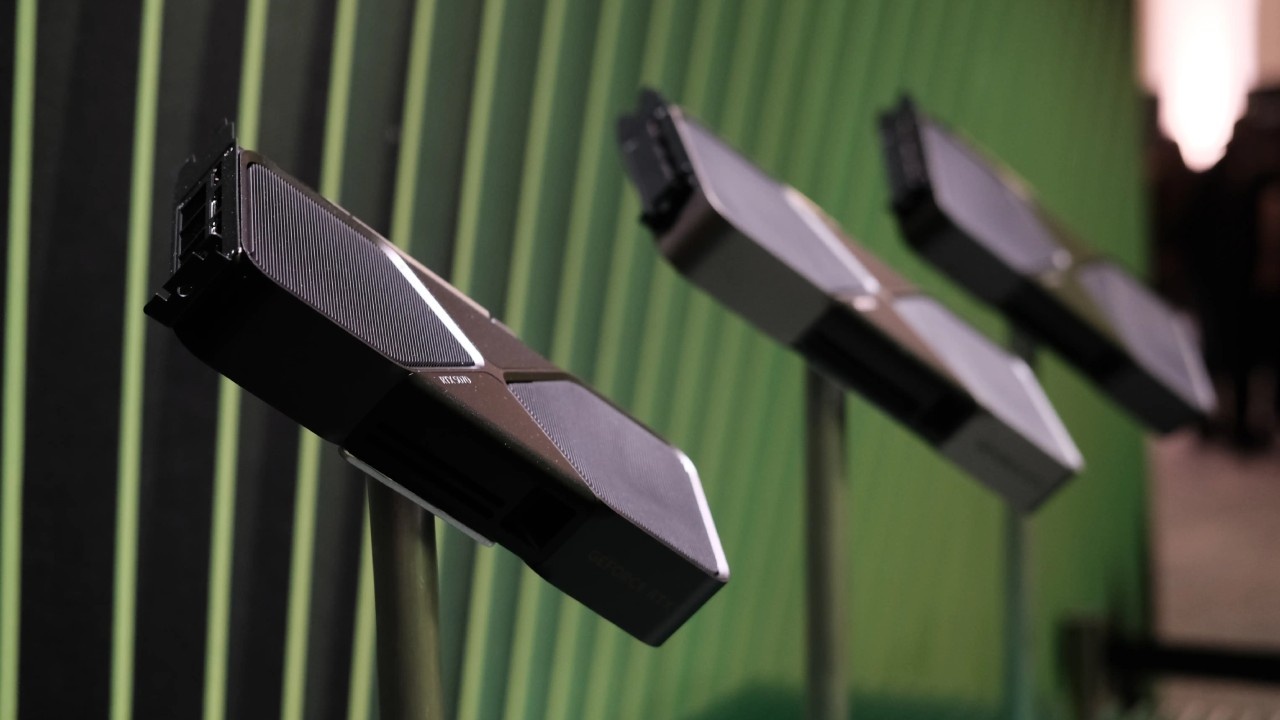
This week, two stories about prices came together.
It is said that Nvidia has raised the prices it charges board partners for GPU-and-VRAM kits, and these new prices can now be found in stores. MSI and Colorful have raised the prices of their entire RTX 50 series product lines in China by up to 59%. This is in line with what supply chain reports said would happen.
In the US, Best Buy has also raised the prices of some high-end cards. It's now listed for $2,100, which is 40% more than its original MSRP of $1,500 and a lot more than the RTX 5090's $2,000 launch price. The price of the RTX 5090 has gone up even more. An ROG Astral model costs about $4,830, and an MSI Suprim Liquid SOC model costs about $4,600.
Seagate is developing hard drives with 50TB of capacity, using platters exceeding 5TB each built on third-generation HAMR, or heat-assisted magnetic recording, technology. That would represent a new capacity high point, which is welcome news given the ongoing storage shortage running alongside the broader RAM crisis.
Editor, NoobFeed
Gaming Hardware Updates
No Data.