
Hidden RTX 50 Thermal Issue Exposed While NVIDIA Enters Windows CPUs With RTX Spark
A hotspot reading of 107°C revealed thermal throttling on an RTX 5070 Ti despite a normal-looking 68°C average temperature.
Hardware by Nahe Yan on Aug 02, 2026
Three developments are impacting the near-term market for PC hardware buyers. NVIDIA unveils a monitoring tool that brings back a temperature reading that was previously hidden in NVIDIA's RTX 50 series; NVIDIA moves into the Windows CPU arena with a new ARM-based platform; China's biggest DRAM maker inches closer to memory pricing.
HWMonitor 1.65 now has support for hotspot temperature on GeForce RTX 50 series GPUs; HWiNFO has followed suit. NVIDIA didn't officially introduce this reading through its regular NvAPI monitoring avenue, as the developer of these tools tells us in their reports that they are going into lower-level hardware data to expose it.
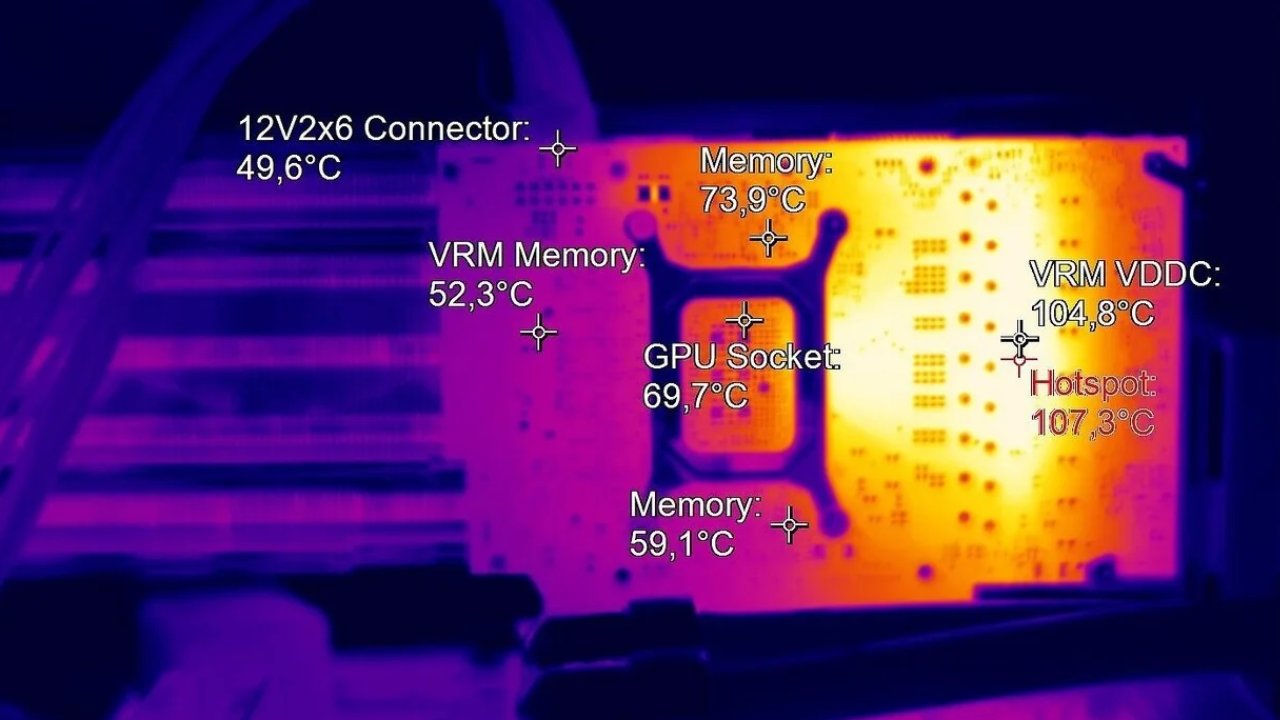
Hotspot Temperatures are Once Again Visible
It is important to understand that there is a difference between the two readings. Standard GPU temperature reported by the monitoring software is an average temperature of the chip. A hotspot reading will indicate the hottest spot on the die.
On one such RTX 5070 Ti that was repaired by an expert, Windows reported a temperature of approximately 68°C, and NVIDIA's in-house diagnostic tool revealed a hotspot at 107°C, as well as thermal throttling due to poor cooling contact.
It's a significant amount, because if one part of a GPU is overclocking while another is being overclocked, that seems like a perfectly normal situation for the graphics card. The action step for RTX 50 owners is to measure the average temperature and hotspot reading under a repeatable gaming load.
If there is a moderate difference between the two, then it's normal. Still, if the gap is quite large, the fans are loud, the benchmark scores keep dropping, or thermal limit warnings appear, it could indicate a cooling or thermal paste problem, which should be investigated.
Now that third-party tools have discovered it, the sensor can come in handy, but it's not officially supported, and NVIDIA hasn't said if it intends to support this ability in the future.
NVIDIA Introduces Windows CPU With RTX Spark
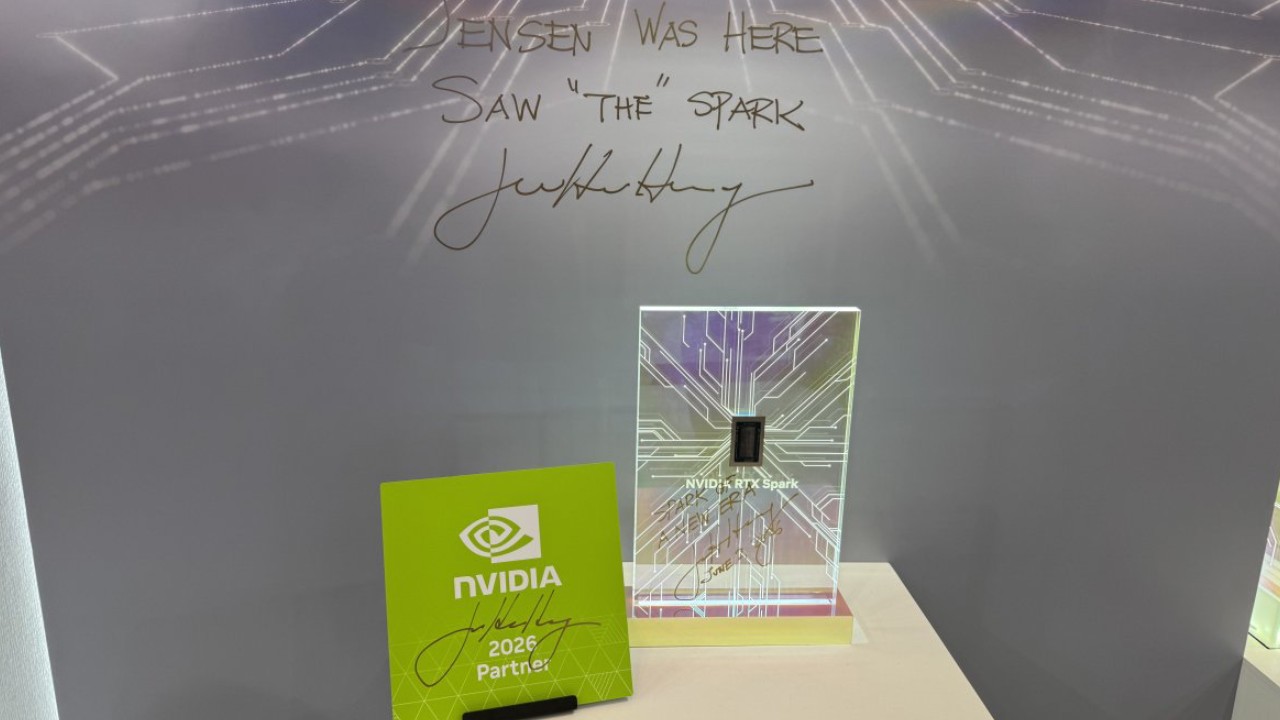
The name RTX Spark is official, and it's a greater threat to AMD and Intel in the long term than a single GPU launch. The new Windows on ARM platform from NVIDIA equips up to a 20-core Grace CPU with a Blackwell RTX GPU with up to 6144 CUDA cores, up to 128GB of unified memory, and up to 1 petaflop of AI performance with FP4.
Whether or not RTX Spark is a platform for players or an AI machine is still up for debate. According to NVIDIA, the platform will be fully compatible with NVIDIA's gaming technology, such as ray tracing, DLSS, Reflex, and G-Sync.
Microsoft is also improving Prism, an x86 and x64 execution layer for running x86 and x64 applications on ARM-based machines, and Sega has announced that it will support starting with Virtual Fighter, Cross Roads, and any future titles.
Native ARM games will also have lower translation and compatibility overheads, which is an important factor for anyone worrying about ARM compatibility. NVIDIA hasn't given independent games, battery life, driver analysis, or system pricing data yet, so a 6144-core graphics card isn't a good direct comparison to a desktop graphics card based on CUDA core count.
Real gaming performance will be determined by power limits, memory bandwidth, cooling, and software support.
The platform RTX Spark has the potential to become a serious contender for AI workloads and high-end laptops; however, gamers should hold off on making any claims about its gaming performance until independent testing has been completed.
There's a better method for detecting hidden thermal issues that regular monitoring software may not catch, and it's available to RTX50 owners. NVIDIA is creating a strong ARM computer platform that could rival AMD and Intel in the Windows market. But China's DRAM growth could change the memory pricing landscape in the long term, not the short term.
All of these developments are interesting to watch depending on which of the aforementioned is more important for the next build, be it GPU thermals, the interest in RTX Spark, or the promise of cheaper memory in the future.
Editor, NoobFeed
Gaming Hardware Updates
No Data.