
Nvidia RTX Spark Challenges Traditional Laptops With ARM Processing and Blackwell Graphics
Nvidia's ARM-powered platform combines Blackwell graphics, unified memory, and AI acceleration for gaming and creative workloads.
Hardware by Shinji Okazaki on Jun 15, 2026
The blend of ARM chips and dedicated GPUs is determining the future of the personal computer. With the emergence of new software, gaming applications, AI workloads, and creative software, hardware companies are seeking to enhance the efficiency and performance of their solutions while making them easier to integrate.
Nvidia's RTX Spark is a new model that features an ARM CPU alongside an Nvidia GPU and aims at the gaming, content creation, AI workload, and professional markets. There's no more divisive tech launch than Nvidia's own Nvidia RTX Spark. People who loved it and happened to receive a large sum of money from Nvidia, and those who hated it because they were reacting to Jensen's comments about AI.
If you're going to hate on this launch, do it because it's running a 2-year-old MediaTek CPU. That's from a company that we don't trust with Wi-Fi cards, let alone a whole system.
Nvidia RTX Spark Combines ARM Processing With Blackwell Graphics
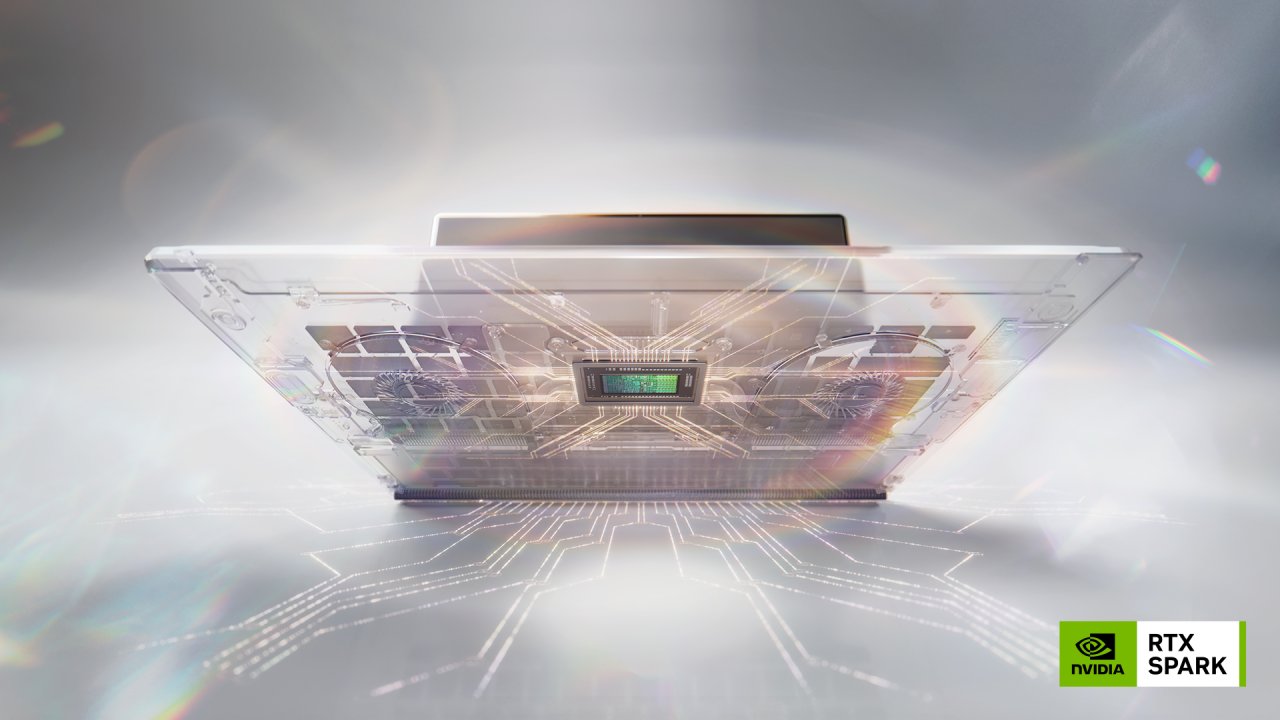
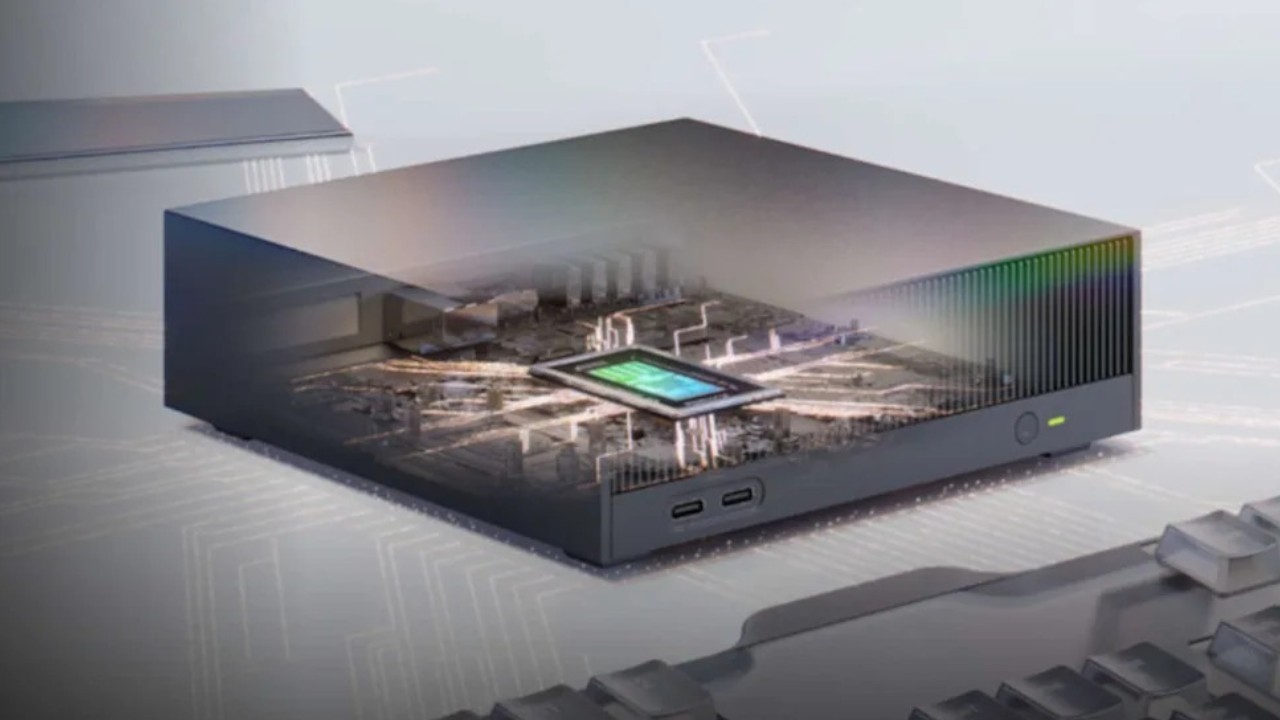
In short, RTX Spark combines an ARM CPU and an Nvidia GPU on a single chip. Up to 6,144 Blackwell GPU cores, a small increase over what you'll get with the RTX 5070 Ti Mobile, up to 128GB of unified memory, and a 20-core, ultra-efficient CPU. From the keynote, it wasn't entirely clear, but you will not need to buy 128GB of RAM to get an Nvidia Spark.
There will be models with 16GB of RAM, so you'll have a more affordable option. Given a bearish outlook for the currency, delays could hurt CPU competitiveness. The start of RTX Spark has been quite stormy. It was supposed to be announced around this time last year, but was delayed by leaks.
As users of the Qualcomm laptop, we're pretty sure that Windows on ARM wasn't cutting it for Nvidia. The question is whether the product is a refined result of this year's delay, or whether the industry has simply continued to progress.
As far as we know, based on leaked information online, the CPU has 10 P-cores (ARM Cortex-X925) and 10 E-cores (ARM Cortex-A725). The X925 is a rather beefy chip. It offered a 15% IPC increase, but the only problem is that it was in 2024. Two years later, that isn't as noteworthy. A good assessment of performance can be made using benchmarks for the X925 in mobile CPUs, specifically the Dimensity 9400.
The Geekbench 6 scores were around 2900 on the single-core test, with the phone running at 3.63 GHz. After it is overclocked a bit on a laptop with a much higher TDP, we should expect mid-3000 single-core performance. This will eliminate Nvidia's ability to deliver single-core performance, which other ARM competitors can. Qualcomm's newer X2 chips are in the high 3000s, while Apple's are over 4300 points.
What we mean to say is that we suspect Nvidia doesn't care about that. It's so incredibly bad that, in most cases, the Geekbench scores of AMD and Intel laptops never reach 3000. Despite the overheads of emulation, I'm pretty certain this thing will be faster.
Game Performance Looks Good Despite Emulation
Yes, the CPU performance may not be quite as impressive, but we suspect Nvidia won't be too concerned about Qualcomm or Apple for one thing: gaming. As for gaming, unsurprisingly, this is Nvidia, and it works great. The titles that were fully emulated, such as Pragmata, ran smoothly. It's hard to tell because the Nvidia driver stack runs natively on the GPU.
If you have an application installed, you'll experience the same GPU performance whether the app is emulated or not. In CPU-bound games you may suffer, but most games are GPU-bound so you won't notice much of a difference. An interesting ray reconstruction demonstration was also performed. However, traditionally, noise is generated internally in the engine when rays bounce around a scene.
Nvidia's strategy has been to add "noise" to the image, but that may come at the cost of detail, including static on televisions. When the new model is on, what used to be lost is now better captured. The Anti-Cheat Support has eliminated a major gaming concern called ARM. Anti-Cheat Support has removed a major gaming concern known as ARM.
Primary Concern is Anti-Cheat Support
We've had several ARM laptops capable of running games to a pretty high degree, until we try to launch Fortnite and find out it doesn't work because Easy Anti-Cheat doesn't support the platform. In this instance, Easy Anti-Cheat now has an ARM version, so Fortnite is running fine. Fortnite is being emulated, but you can get into the game, and it runs fairly well.
Incredible as it may sound, the tuning is still underway, and these systems reportedly consume less than 100W of total system power, even with no final TDP yet known. That's really cool, though, considering that, depending on configuration, an RTX 5070 Mobile can surpass that mark. Enhanced creative workflows with significant improvements.
There are developments that can make a difference for creative workflows. For instance, a 10-bit 4K 4:2:2 video may not be compatible with some systems, making it difficult to work with. In some situations, Playback can so easily turn into a slideshow. Adobe has rewritten a large part of its software and now supports these workloads much better on Blackwell GPUs, which have built-in 422 encoding.
The 4K streams were demonstrated simultaneously at 60 fps. Nvidia said that up to 6 streams might also be supported. Some of these features are already available in DaVinci Resolve, but this will be a move toward Adobe "catching up. Either way, the resulting improvement in performance is significant. Although the demo runs on the Spark hardware, this can benefit any RTX GPU, with a focus on the 5000-series products.
Unreal Engine Shows the Performance of Large-scale Emulation
The other impressive demonstration was of Unreal Engine. A very detailed model can be viewed up close and then explored from the sky, and the 3D model is loaded into memory without causing any lag. The most prominent feature wasn't just the scene's size. That it was all emulated was the reason.
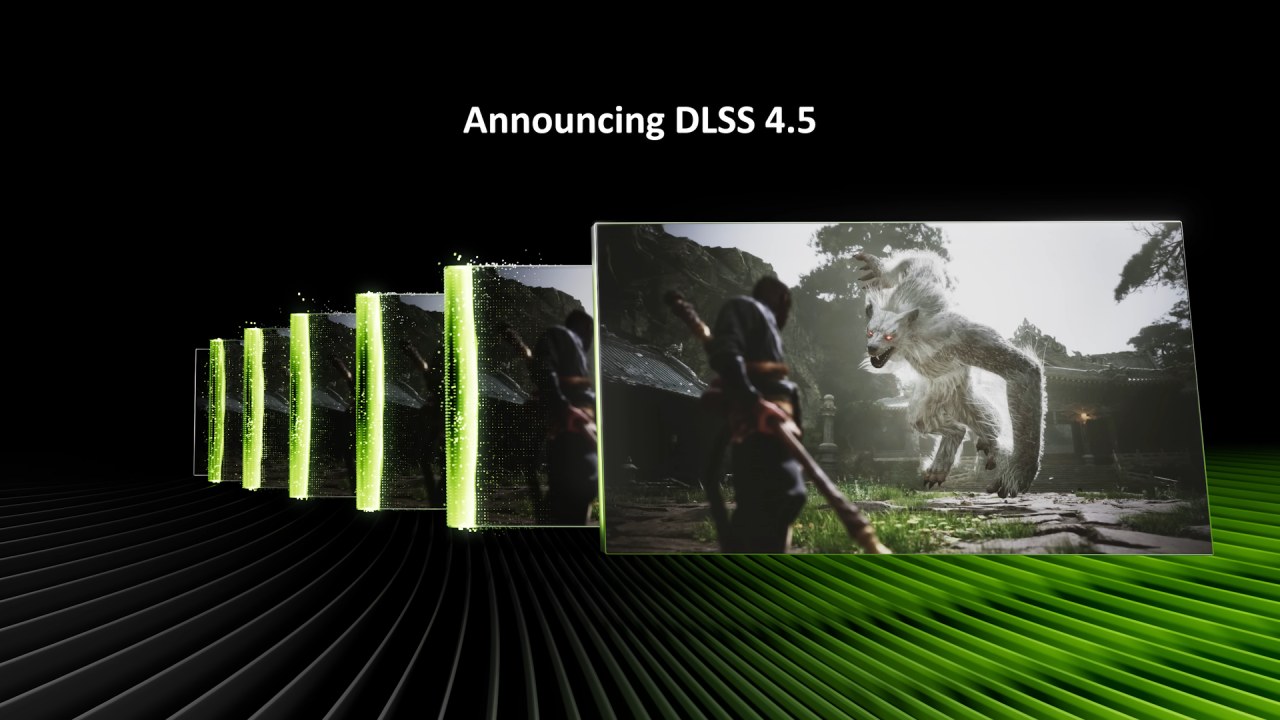
DLSS, the drivers, and all of Nvidia's software were running in x86 emulation, as was Unreal Engine itself. As long as the workload is GPU-intensive, the performance should be roughly the same between native ARM applications and x86 emulation. There is still about 10% CPU overhead to emulation, but not to worry; raw frame rates are not anticipated to change much.
Native ARM applications could become more prevalent, reducing CPU overhead and thereby improving battery life. Blender improves the Viewport's performance with DLSS. Blender's Viewport performance is smoother with DLSS. Another great feature that will be added to RTX users is in Blender. A large scene was rendered using OptiX, and the same scene was rendered using DLSS. The slight difference in the smoothness of the viewports was immediately apparent.
The side with the original was suffering so much trouble, and the DLSS-equipped one was really smooth. Being able to navigate larger scenes without problems can significantly improve the usability for creators working on larger projects.
Nvidia's Dominance Might Spur ARM Software Take-up
The question we have about Windows on ARM is not about Windows on ARM, but about emulation. Years ago, we were introduced to the power of ARM emulation, but later learned that the real-world experience was not always as good as on paper. This time, there's a difference: Nvidia wields significant influence across the software world.
Discord is another such example: it had no interest in developing its ARM version until Nvidia got involved. 7-Zip is now available natively on ARM, and applications such as SolidWorks are running very well. The improvements have been happening, but with previous Snapdragon laptops they were geared toward thin-and-light devices, which couldn't fully highlight the emulator's problems, as per discussions with Microsoft.
As more powerful hardware becomes available to run more demanding games and professional software, developers will be able to see and fix weaknesses. There are also some areas where gaps may still exist, particularly in niche software, but progress seems to be accelerating. Oversee: The software capabilities of local AI processing expand. One thing that sparked a lot of responses was Nvidia's focus on AI.
The notion that AI will completely supplant computer use is not very believable. But it's not a negative to have hardware that can perform AI workloads locally. AI Acceleration enables you to denoise audio, reduce background noise in video, and access Photoshop tools such as object selection.
These features can be helpful for users to perform practical tasks with their own hardware, as long as they do. At the next Devices Showcase, participants will have the chance to explore a variety of approaches. Of the devices available, the Surface Laptop Ultra was the only one that could be analyzed while running. While playing games, the pixel response times felt laggy, and the device seemed to be heating up.
MSI Prestige 16 features a 120Hz refresh rate, a tandem OLED panel, and peak brightness of 1000 nits
It also seems likely to be free of thermal issues given the cooling design. A very special device is the ProArt P14. It has a 1600 nits OLED display, Nvidia Spark hardware, a full-size SD card reader, and a USB Type-A port. The available I/O really shines on this thin-and-light device. The impression that RTX Spark has left is much stronger than expected. Overall, we cannot say we're not excited about Nvidia's RTX Spark!
At the start, we were quite critical of the platform, but after spending time with the devices and talking to the people involved, our opinion shifted. We want the technology to be good and keep it going. We wish the laptop could keep on improving, and RTX Spark seems to have the potential to do that.
While there are still many questions to be addressed about the compatibility of ARMs with the software, and how long the batteries will last and how well they'll perform, the initial demos seem to indicate that Nvidia has done something worthwhile.
Editor, NoobFeed
Gaming Hardware Updates
No Data.