
GPU Prices Are About to Rise: What the Next Graphics Card Price Increase Means?
NVIDIA and AMD are reportedly ending bundled memory kits, shifting graphics card manufacturers onto open market GDDR6 and GDDR7 pricing.
Hardware by Nahe Yan on Jul 29, 2026
The graphics card market has been stable this past year, even as years of shortages, scalping, and overpriced retail tags have been swept away. That stability is about to change, thanks to the memory chips that sit alongside the core processor on all graphics cards. GPU manufacturers are planning a series of simultaneous price hikes directly tied to VRAM price increases.
Companies like Asus, Gigabyte, and MSI don't just buy graphics card chipsets; they create their own. In the past, NVIDIA and AMD have sold memory and chips together as a package for assembly.
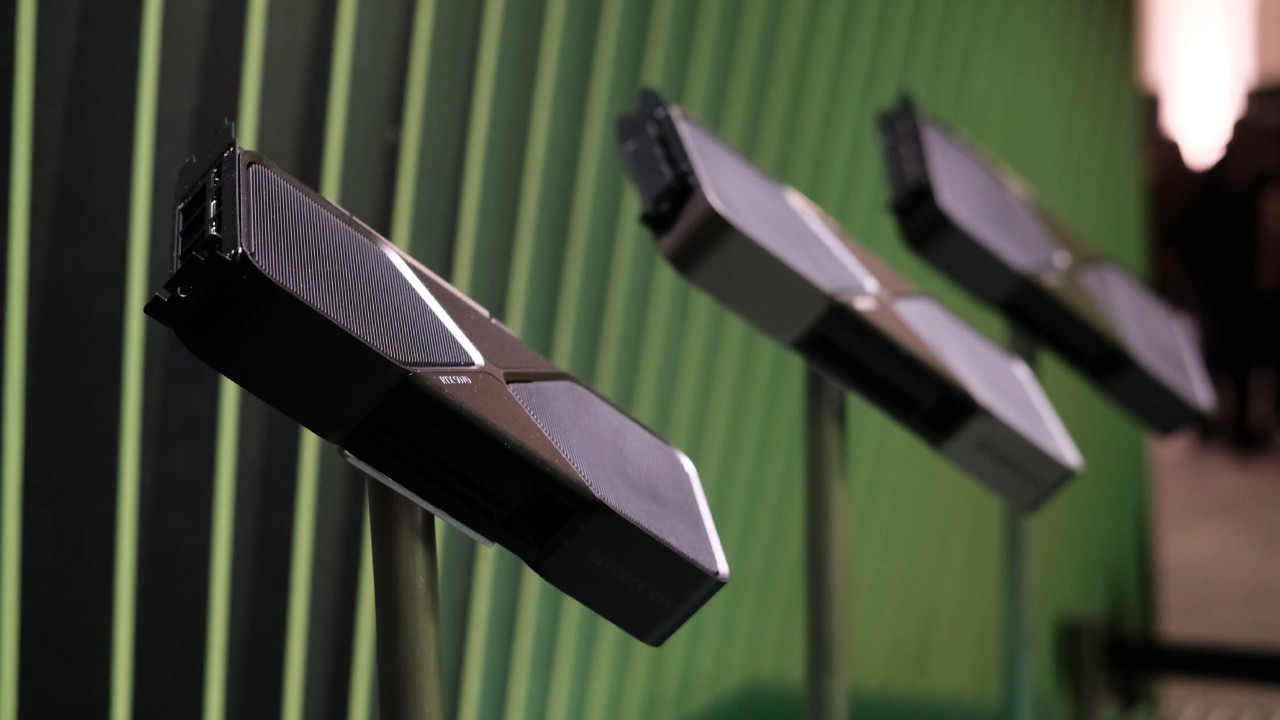
Sources indicate that both NVIDIA and AMD have told their partners they can no longer support memory costs this way. For the first time in years, manufacturers are having to pay open-market prices for memory rather than the bundled price.
Cost of Memory is Continuing to Rise
To maintain uniformity of manufacturing prices, board partners have been using bundled chip and memory kits. They are getting the memory themselves, and memory makers are increasingly investing in enterprise and AI customers, leaving graphics card makers with less of the memory supply.
The cost of GDDR6 has risen, and GDDR7 is the most expensive of the two – and the pressure is already on next-generation cards before they've been produced. If the supply becomes scarce and demand remains constant or increases, the surplus expense is borne by the consumer.
Using the numbers we were given, both AMD and NVIDIA models would be expected to cost about $10 per GB of VRAM. That translates to a $160 bump on a 16GB card. On a 24GB version, it can reach $240 before the card even leaves the factory. These increases will be even higher for flagship cards with larger memory pools.
Entry-Level and Mid-Range Builds Take The Hit
That's because high-end buyers generally have more money to play with and thus greater shock-absorption capacity, which makes the price increase more impactful for entry-level and mid-range cards. An increase of $80 to $120 for an 8GB or 12GB card alters the equation for anyone building a budget machine.
For some customers, it could be the difference between upgrading now and keeping their hardware for the next generation. The transition is not limited to pre-built desktops and gaming laptops. When inventory bought before the price increase is depleted, the same price increases will apply to finished systems, and system integrators and laptop makers may be able to hold prices steady for a limited time.
According to sources, the new price system applies only to cards produced under the new cost model, with retailers likely to revise prices for their existing inventory to reflect replacement costs. As soon as new manufacturing costs take effect, there is little incentive for retailers to sell a card for less than it will cost them to replace, and prices tend to rise quickly once a card is on shelves.
Anyone who has been waiting for a bundle deal or to buy will find the current price the bottom before the rise. While prices have risen and fallen through the past, the flip side rarely occurs until the memory market favors a change in circumstances.
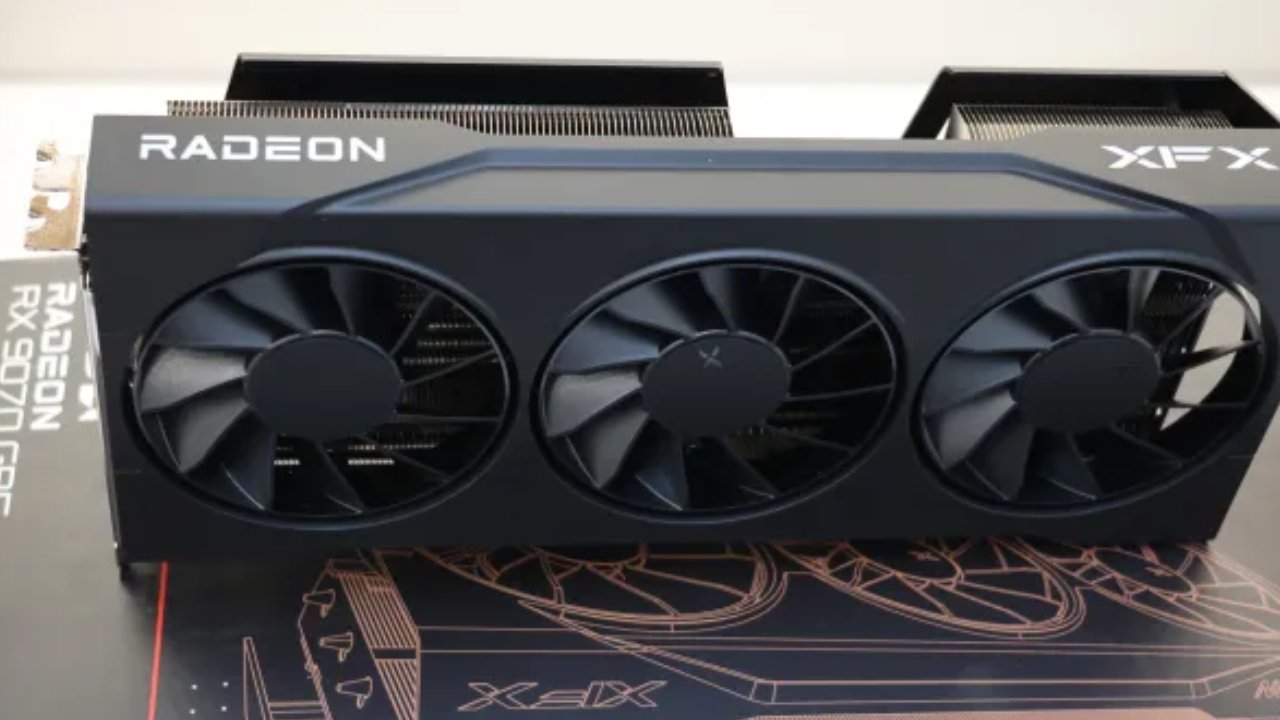
Buying a used card instead of a new one also poses risks.
If new GPUs become more expensive, the used GPU market often follows suit relatively quickly. Those who don't qualify for new retail cards gravitate toward sites such as eBay, driving up the used prices as well. Fans of established brands like Asus, MSI, and Gigabyte have the purchasing power to negotiate better pricing on memory.
Smaller board partners don't have the same leverage. They can be forced to pay full open-market rates for memory, endangering their ability to remain competitive and, in some cases, to remain in business. The data has been obtained from a single retail partner. Talks with other add-in board partners reinforced the general noise around NVIDIA's price change, but there was no direct word on the above numbers.
The dollar figures and timing should be interpreted as coming from a single source only, not as confirmation from the industry. They should be treated as preliminary until official statements from NVIDIA, AMD, and partners are issued as the situation unfolds.
Editor, NoobFeed
Gaming Hardware Updates
No Data.