
Nintendo’s Long Game is Paying Off While PlayStation and Xbox Kept Facing Chaos
Amid Sony's digital shift and Microsoft's ongoing restructuring, Nintendo's long-standing philosophy on hardware, games, and physical media is increasingly being viewed as a winning strategy.
News by Wasbir Sadat on Aug 03, 2026
The gaming industry has never been more in uproar than it is today. Sony is still feeling the heat from its move away from physical media, and the future course of the PlayStation 6 has been a hot topic of contention for enthusiasts. Meanwhile, Microsoft is in the midst of a big Xbox shake-up that has resulted in thousands of layoffs, studio closures, and a much-needed reset of its gaming company.
But with all this uncertainty, one big platform holder has mostly stayed out of the spotlight. Nintendo, long accused of marching to the beat of its own drum, has become the focus of a totally different discourse. Now that its competitors are mired in scandal, many players are beginning to wonder if Nintendo's unorthodox stance was the right one all along.
The issue was triggered by comments from Nintendo designer Shigeru Miyamoto in an interview to celebrate Famitsu's 40th anniversary.
While the interview covered several issues, a good portion of Miyamoto's comments reflected the company's long-standing hardware, software, and game development. This concept seems to be resonating more and more today in the world of games. Accessibility, longevity and player-centric games have always been at the heart of Nintendo, rather than pursuing the latest fads or focusing on raw technical specs.
That idea defined the original Nintendo Switch and now drives the company’s approach to the Switch 2. Reflecting on the original Switch's success, Miyamoto said he’s happy the system has had a shelf life of over a decade. “Consumers today are not just looking at the hardware specs, but the ability to just buy the software and run it on the hardware they have,” he said.
That mentality stands in sharp contrast to the wider console marketplace. Third-party games like Call of Duty, EA Sports FC, Madden, NBA 2K, Fortnite and other live-service titles are a huge part of Sony's PlayStation ecosystem. Sony's own financial reports show that revenue from add-on material – which includes battle passes, downloadable content, and microtransactions – is now greater than revenue from digital and physical game purchases combined.
Sony's first-party games are still critically acclaimed, but they make for a significantly lower slice of the company’s gaming earnings than many fans might imagine. To that end, Nintendo continues to develop its business around exclusive franchises and gear built exclusively for those titles. This has been the company's strategy from the days of the Wii.
With the GameCube not selling well, Nintendo gave up on the usual hardware race. Instead of directly competing with the Xbox 360 and PlayStation 3 on processing power, it presented a new system focused on motion controls and easy gameplay. It was a gamble that paid off big time. Even now, titles such as Wii Sports are readily identifiable, with many ex-players still ready to go back to classics like bowling, tennis, golf and boxing years after their initial exposure.
Another important element from Miyamoto’s interview was that Nintendo doesn’t chase whatever is trendy at the moment.
Instead of starting production by asking what genre or business model is hot, Nintendo asks who its games are being developed for. Miyamoto even said he hates business buzzwords like depreciation and cost recovery, saying creativity frequently counts more than financial calculations. Of course, any corporation has to reconcile its artistic vision with commercial reality.
But Nintendo has consistently shown a willingness to spend far beyond the immediate bottom line on ventures that build up its identity. Metroid Prime 4 is one of the clearest examples. Nintendo did not ship a product that fell short of expectations, but began development from scratch and gave the project back to Retro Studios in the U.S. The choice really pushed the game out of the initial Switch generation and into the Switch 2 period, greatly extending production.
That kind of long development cycle was certainly very expensive from a financial sense. Whether or not the game can ever make that money back is unknown, but Nintendo decided to save the quality of one of its marquee properties rather than scrapping the project completely. You can see this same attitude in newer editions.
Games like Splatoon: Raiders are inspired by popular genres such as looter shooters, but provide entirely independent experiences instead of embracing unending live-service monetization structures. Nintendo has also always placed a tremendous amount of significance in keeping its older properties alive and introducing them anew.
Miyamoto said Nintendo was making more remakes partly because many younger gamers had never played games that came out five or 10 years ago.
Revitalizing old classics with a contemporary look opens up whole new audiences to find them, while also reigniting interest in the original releases. That strategy extends beyond the remakes themselves. With Nintendo Switch Online, customers may play vintage games from decades past, exposing a new generation of players to Nintendo's storied past and letting longstanding fans rediscover some of their favorite titles.
A lot of kids who grew up with current graphics could find previous Nintendo 64 or GameCube graphics archaic. Modern remakes help close that gap by taking famous adventures and telling them with presentation standards that today's audiences are more inclined to accept.
Nintendo has also shown increased synergy between its game business and larger entertainment strategy. The heightened focus on properties like Star Fox, together with references to upcoming films like the Mario Galaxy movie, shows how Nintendo is increasingly coordinating releases across many media. And the hardware upgrades across the industry are becoming more gradual.
The Switch 2 still isn't as powerful as the PlayStation 5 and Xbox Series X, but it's come close enough for many recent third-party releases to be worthwhile. Often the main loss is frame rate, not visual quality in general.
As the industry moves into another generation of consoles, this could be even more essential. Features like better ray tracing, improved 4K rendering, and possibly 8K support may not be the huge jump that past generations brought. For many, that means their current PlayStation 5s will be up to the task for a long time, and the Switch 2's portability will continue to look more and more appealing as a main system.
As graphical advances have decreasing rewards, Nintendo’s strategy of focusing on flexibility over sheer performance could therefore become even more attractive.
The studio has also shown a willingness to overlook passing industry fads. While the metaverse and NFT boom reached its zenith, Nintendo mostly stayed away from significant commitments, even with investor interest. As the buzz about those technologies died down, that conservative stance possibly saved Nintendo from spending big money on ideas that never caught on for long.
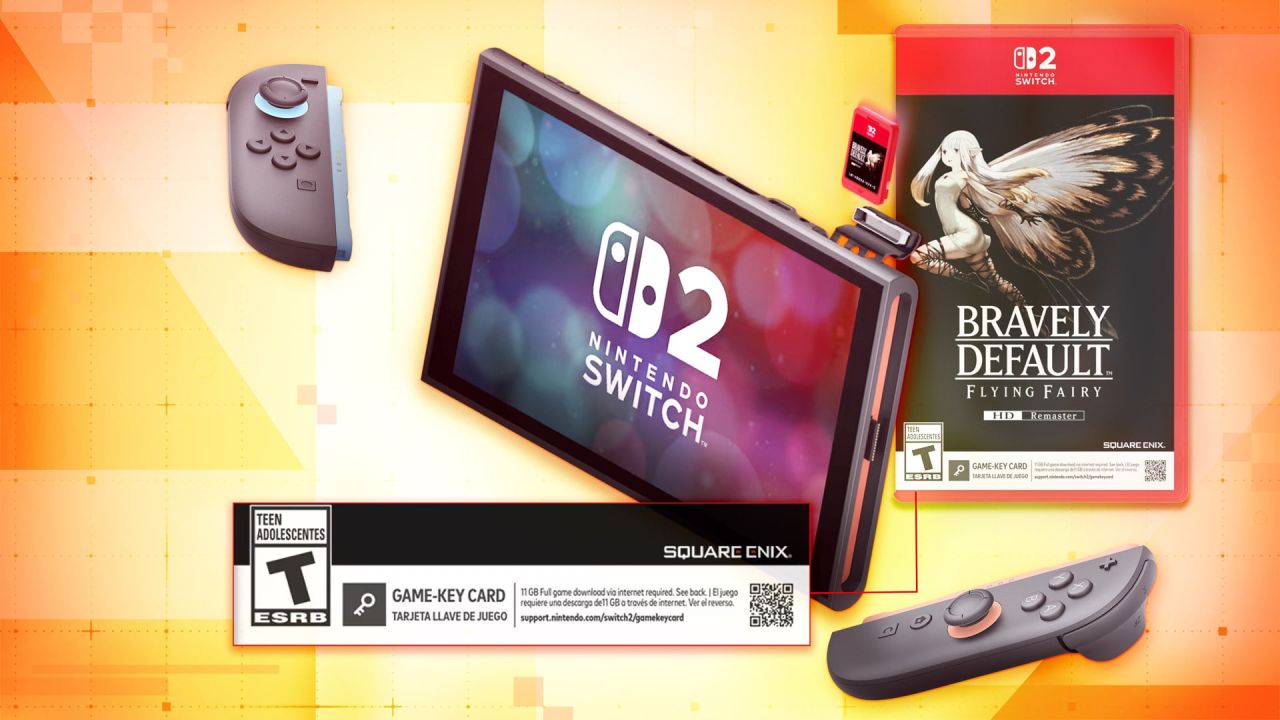
The largest distinction between Nintendo and its competitors currently is likely tangible media. Sony declared that it will stop releasing physical PlayStation games starting in January 2028, while Microsoft has slowly adopted a digital-first strategy through Game Pass and the wider Xbox ecosystem. And while Game Key Cards have faced criticism, Nintendo is still following through with plans to sell those actual products in stores.
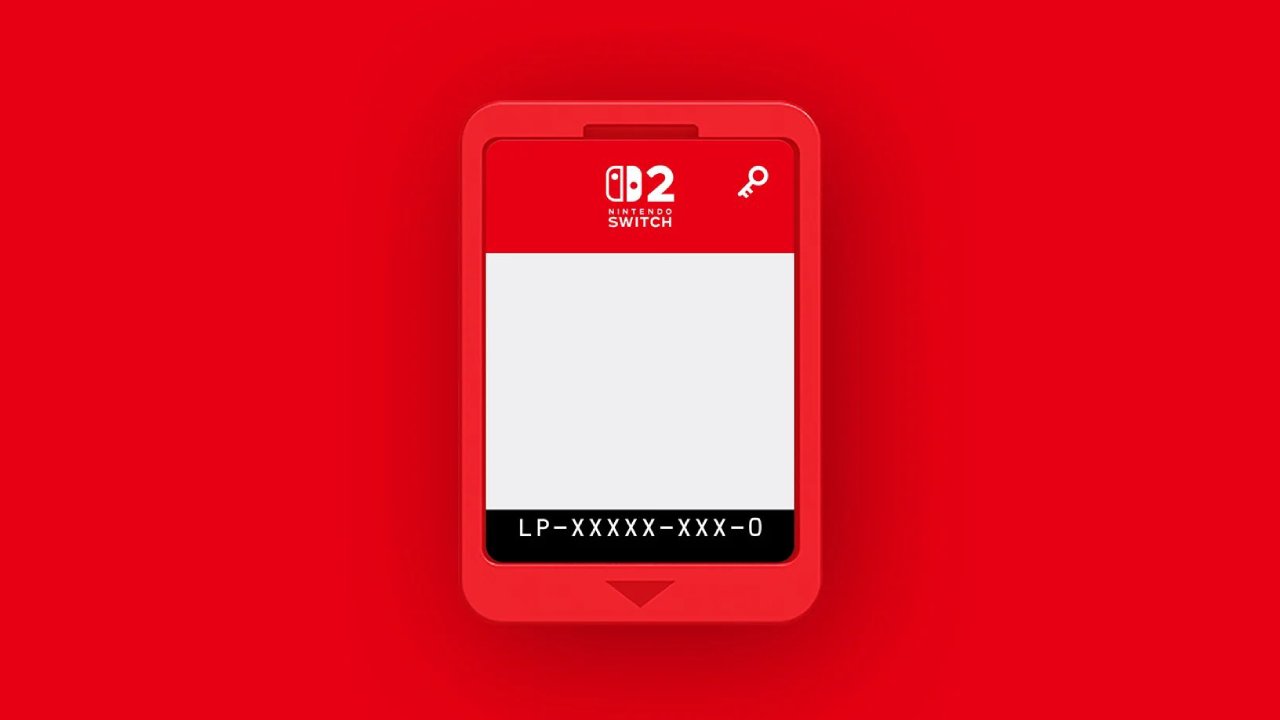
There’s no question that game key cards are contentious because many of them require the player to download most of a game's data rather than having it all stored on the cartridge. Yet they maintain ownership perks over solely digital purchases, allowing games to be resold, traded, or collected. However, some speculated that Sony would follow a similar hybrid approach, selling high-end physical copies alongside digital editions.
The corporation instead decided to go all in on digital distribution. That's probably a big part of that choice, because Nintendo has a large retail footprint. The company still sells hardware, controllers, amiibo, accessories and other products through physical stores outside of software, so shop shelves remain a key part of its wider business.
So Nintendo appears to be in a good position to carry on supporting physical releases on many future hardware generations, even if Game Key Cards eventually replace classic cartridges altogether.
Down the road, Nintendo might once again flex their confidence by launching a reported remake of The Legend of Zelda: Ocarina of Time close to Grand Theft Auto VI’s debut timeframe. Most publishers will probably not try to compete with Rockstar'sblockbusters. Still, Nintendo has never been one to care much about sticking to industry traditions, especially since GTA 6 is not going to be released on Switch 2.
That’s not to say that Nintendo is blameless. Players intending to wait for sales are disappointed, as its titles rarely go on sale at any significant discount. Joy-Con drift remains an issue with the new hardware, and Nintendo is still drawing flak for aggressively going after fan projects and community contributions. Still, the problems Nintendo faces seem not so bad anymore when you look at the problems its competitors are facing now.
In the midst of Sony's rocky digital future and Microsoft's overhaul of its games division, Nintendo's careful, measured strategy is looking more and more robust. The company might not always be the leader in bleeding-edge technology or online services. Still, its focus on unique hardware, evergreen franchises, and long-term thinking is winning fresh respect from players watching the rest of the gaming industry struggle to find firm footing.
Contributor, NoobFeed
Related News
No Data.