
Top Used Gaming Handhelds That Still Offer Great Performance
Rising handheld prices have made the used market the best place to find capable gaming devices at reasonable prices.
Hardware by Nahe Yan on Aug 01, 2026
A gaming handheld no longer needs to cost as much as a premium laptop to deliver a solid experience. Rising prices across the market have made budget options harder to find, but there are still a few handhelds that offer strong value if you are willing to shop on the used market.
While prices continue to fluctuate, several older devices remain capable of handling modern PC games without requiring a large investment. We have seen significant price increases across nearly every handheld manufacturer, and there is no getting around that reality.
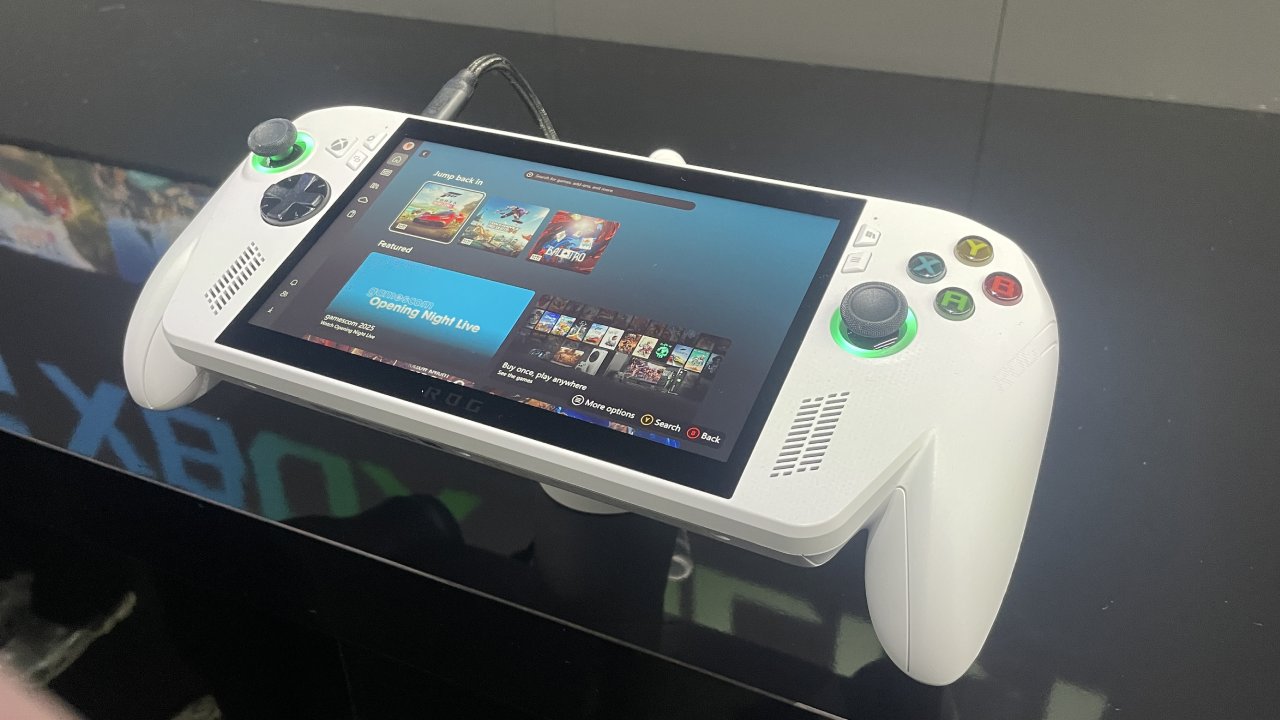
As a result, the budget segment is much smaller than it used to be. Even so, there are still a few handhelds that make a strong case if you are looking for the best value.
ASUS ROG Ally Still Holds Up
We have heard almost everything there is to say about the original ROG Ally. Its strengths are well documented, its weaknesses are equally well known, and the upgrade options available today are better than when it first launched.
ROG Ally uses AMD's Z1 Extreme processor alongside 16GB of memory. While newer handhelds are increasingly shipping with 24GB or more, 16GB remains enough for many games.
You may notice some performance limitations in newer, memory-heavy titles, but if the games you play are not especially demanding on RAM, the handheld continues to perform well. We also like the amount of customization available. There are plenty of accessories and hardware upgrades that can help bring the original Ally closer to current handhelds.
Even memory upgrades are technically possible, although they require soldering and are well beyond what most users would want to attempt. We have seen used prices rise compared to previous years because of market conditions and changing demand.
There was a time when many buyers were finding original ROG Ally units for around $250 through local marketplaces. Those deals still exist if you spend time searching, but if you are browsing sites like eBay and simply want a reliable listing with good shipping, you should expect to pay roughly $400 to $500.
Although that is higher than before, the handheld is still cheaper than its original retail price. Compared to many newer devices in the same price range, it also delivers stronger performance. The value becomes even clearer when comparing it with the Steam Deck OLED.
With prices approaching $1,000 for the 1TB model, we think it is difficult to justify spending that much when a used ROG Ally offers more performance for significantly less money.
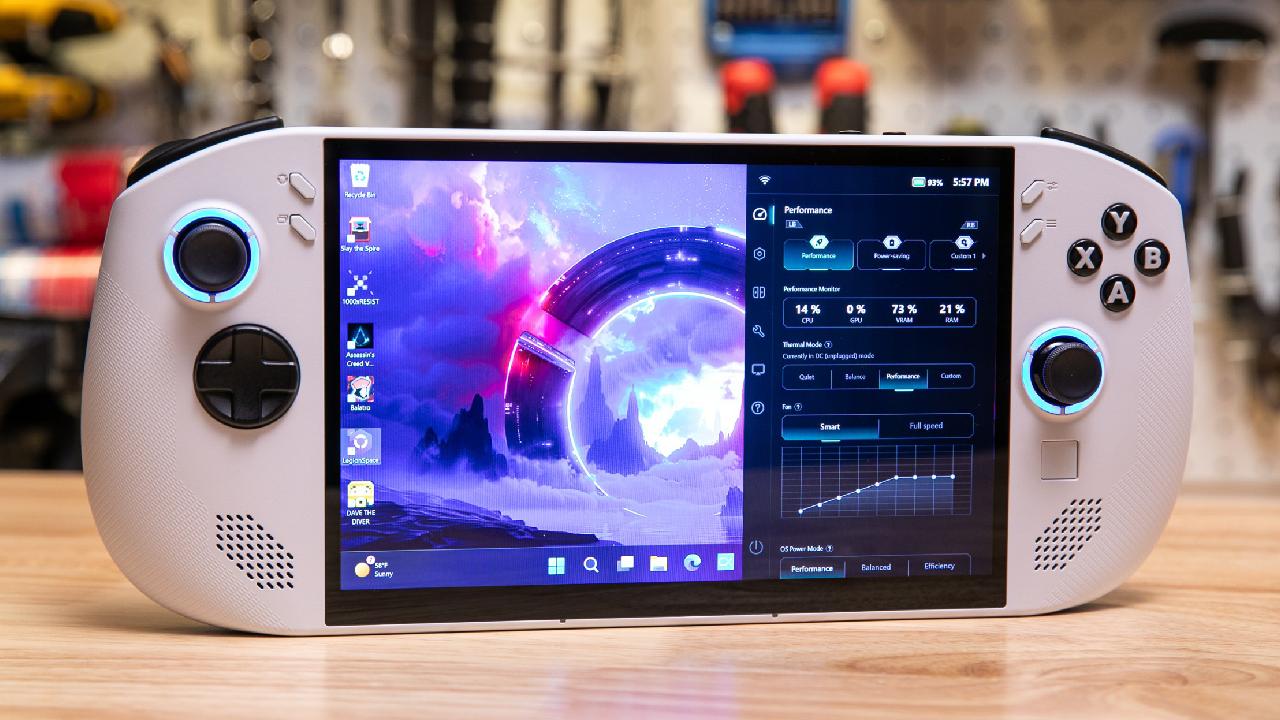
The Original Legion Go Deserves Another Look
We previously overlooked the original Legion Go in many budget handheld discussions because it simply was not a compelling deal at the time. That changed once prices shifted across the handheld market.
As newer handhelds became more expensive, the original Legion Go started making much more sense. Some newer models even shipped with AMD's Z2 Go processor, which delivers noticeably lower performance than the Z1 Extreme.
That difference changed how we looked at the original Legion Go and its place in the market. The SteamOS version with the Z2 Go processor originally targeted the same price range as the Steam Deck, but its performance stayed much closer to Valve's handheld. When you could buy a used Z1 Extreme handheld for about the same money, it became difficult to recommend the slower option.
Over time, we came to appreciate the Legion Go more because it filled the gap left behind as cheaper Steam Deck models disappeared. While the pricing of newer Legion models has changed, the original Legion Go continues to offer a competitive option on the used market.
Features That Still Compete Today
Although it lacks variable refresh rate support, the handheld offers a higher-resolution 8in display. You are unlikely to play games at its full native resolution, but if you also use your handheld to watch videos or browse the web, the display remains one of its strongest features. Its 16:10 panel is slightly taller than a standard 4K format, providing additional screen space.
If you have been considering something newer like the Legion Go 2, you may find that the original Legion Go delivers a very similar experience while costing much less. It remains one of the stronger values available today. The final handheld may surprise many people. The original 7-inch MSI Claw has become one of the better used PC handheld deals currently available.
Its performance is roughly in line with AMD's Z1 Extreme platform, and you can often find one for around $400. At that price, we think it offers strong value for anyone looking to get into PC handheld gaming without spending significantly more.
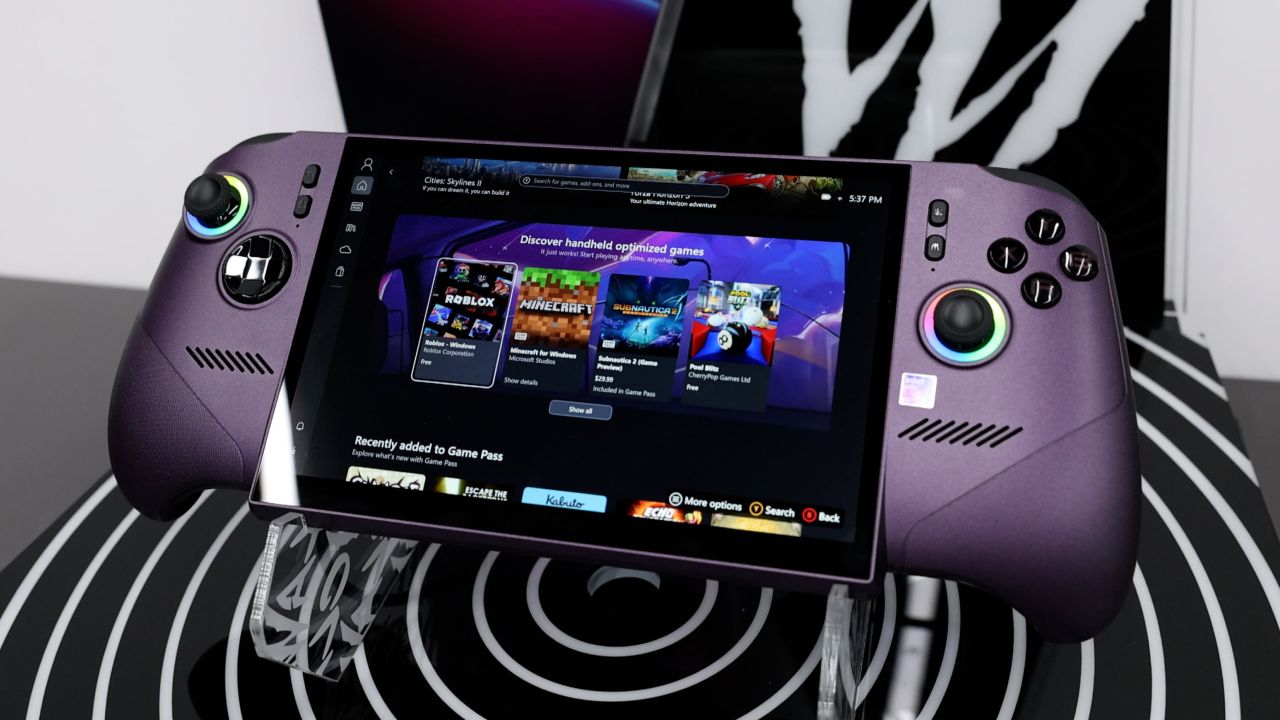
Overall experience has improved considerably compared to its release period.
The handheld features a 1080p high-refresh-rate display with VRR, along with many of the features buyers expect from a modern gaming handheld. While the larger MSI Claw 8 AI Plus is now available, its current used price of roughly $700 to $800 makes it much harder to recommend if your goal is value. The original 7in model remains the better buy.
If you decide to buy one, we recommend choosing the model equipped with a 135H processor. MSI also released a Core i5 version aimed at a lower performance tier, but it performed much closer to the Steam Deck and was noticeably slower than the Core Ultra 7 configuration.
We believe the biggest strength of the original MSI Claw is simply its price. It does not dominate every category, but it offers performance that is close enough to many competing handhelds while costing much less. In a market where price-to-performance matters more than ever, that alone makes it worth considering.
Editor, NoobFeed
Gaming Hardware Updates
No Data.