
Final Fantasy Resonance Revives Turn-Based Combat With a Reimagined Brave Exvius Story
Square Enix has officially announced Final Fantasy Resonance, a brand new single-player RPG that brings back classic turn-based combat.
News by Tahmid Mahi on Aug 02, 2026
Square Enix is taking the Final Fantasy series in a new direction with Final Fantasy Resonance, a brand-new single-player RPG that embraces turn-based combat and pixel-inspired visuals instead of the action-focused gameplay seen in recent mainline entries.
Although the game draws its story and characters from the mobile title Final Fantasy Brave Exvius, it has been rebuilt as a traditional console RPG rather than a direct port. That means you won't need any knowledge of the mobile game to get started, making it a good entry point for both longtime fans and newcomers.
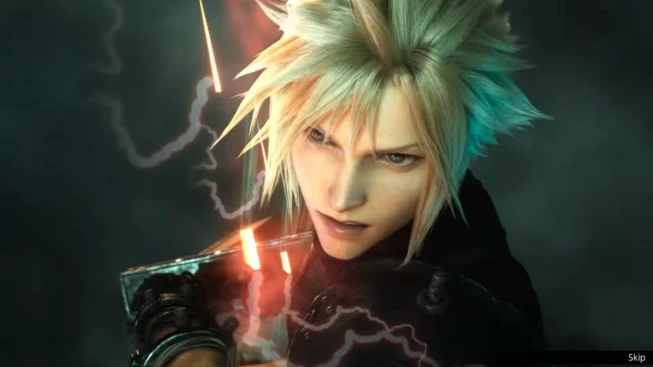
Recently, IGN featured the game in an extensive hands-on preview, spending roughly three hours with the upcoming RPG.
According to the preview, Final Fantasy Resonance delivers a very different experience from its mobile predecessor, thanks to a redesigned combat system, expanded story, and several new gameplay mechanics. Rather than adapting the original release, Square Enix has chosen to rework nearly every major aspect of the game into a full-scale console adventure.
Final Fantasy Resonance is being developed by Square Enix alongside Lanc, and it also marks the first Final Fantasy title to adopt the company's HD-2D visual style. The presentation combines detailed pixel art characters with fully three-dimensional environments, modern lighting, and visual effects that have become closely associated with games like Octopath Traveler.
Two knights from the Kingdom of Grandshelt, Rain and Lasswell, are sent to investigate the mysterious happenings around the Earth Shrine. After a mysterious armored enemy destroys the Earth Crystal, the pair's mission takes a dramatic turn and they must travel the world to prevent the other crystals from suffering the same fate.
Along the way, they are joined by Fina, a mysterious young woman who emerges from one of the crystals with no memory of her past. The story features many classic themes at the heart of the Final Fantasy franchise, and as you journey through the kingdoms, the larger threat to the world will be revealed.
The game will be available in a standard edition and a Digital Deluxe Edition, which will include bonus items, cosmetics, and an exclusive Limit Burst. A Collector’s Box Edition was also announced, which immediately sold out as soon as pre-orders opened, demonstrating strong early interest in the project.
One of the biggest questions surrounding Final Fantasy Resonance has been its relationship to Final Fantasy Brave Exvius. Though the new game is based on the mobile RPG’s first season, Square Enix has stressed that it shouldn’t be considered a straightforward remake or remaster.
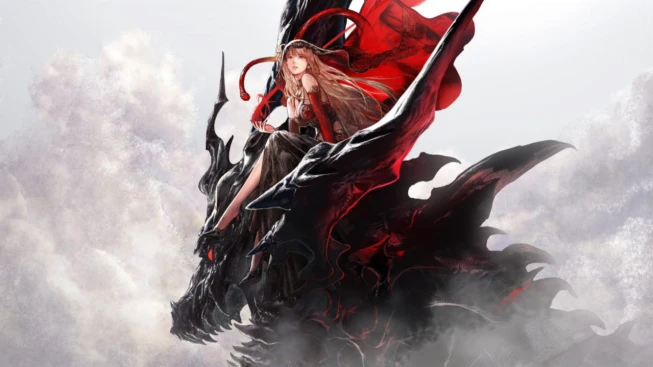
Brave Exvius was released in 2015 and lasted for approximately 10 years before its servers were finally shut down.
Square Enix didn’t simply port the mobile version, but rather, they re-worked the script, changed parts of the story, and added more to many of the characters’ moments that used to move a lot quicker with mobile game limitations. The original scenario writer from the game also returned to rework the story for Final Fantasy Resonance.
Producer Keisuke Nakashima states that one of the main reasons for creating Final Fantasy Resonance was to give more players a chance to experience a story that many had skipped due to its association with a mobile game.
The development team believes the original contained many classic Final Fantasy ideas that deserved to be preserved and introduced to a broader audience through a traditional RPG. As a result, even if you've never played Brave Exvius, Final Fantasy Resonance has been designed to function as a completely standalone adventure rather than requiring any previous knowledge of the mobile release.
The game's presentation is also shaping up to be one of its biggest highlights. Final Fantasy Resonance uses Square Enix's HD-2D art style, combining pixel art character models with fully realized 3D environments, dynamic lighting, and modern visual effects.
While the overall style will feel familiar if you've played games like the Dragon Quest I & II HD-2D Remake or Octopath Traveler, the developers say they've pushed the presentation even further during story sequences, summons, and major combat abilities.
Several members of the art team formerly worked on both the Octopath Traveler series and Square Enix's HD-2D Dragon Quest remakes, and the studio reportedly spent between one and two years refining the visual direction before full production began.
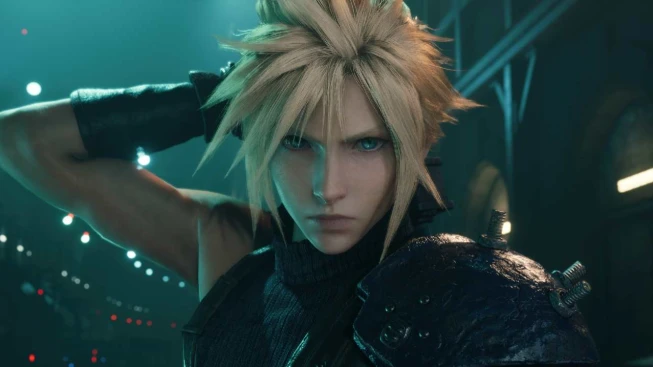
Combat is another area where Final Fantasy Resonance separates itself from recent entries in the franchise.
Instead of using an Active Time Battle system or real-time action combat, the game returns to traditional turn-based gameplay. The top of the screen has a timeline that shows you exactly when each character and enemy will act, giving you the chance to plan your strategy several turns in advance.
There are also a number of mechanics in the combat system that longtime Final Fantasy players will be familiar with. Enemies have stagger gauges that can be exploited in battle, as well as elemental weaknesses. Striking an opponent with the correct elemental attack deals additional stagger damage, and once an enemy's stagger gauge is broken, the character responsible immediately earns an extra action during a bonus phase.
If you're able to stagger every enemy during the same turn, you'll trigger a mechanic known as Sweeping Stagger. It grants your whole party this extra action before finishing the sequence with a powerful Resonance Attack that can inflict a lot of damage.
According to IGN's hands-on preview, successfully combining elemental weaknesses, staggering multiple enemies, and activating character abilities can quickly turn battles into long chains of bonus turns, special attacks, and massive damage numbers. The system still carries traces of Brave Exvius, but it has clearly been redesigned to fit a traditional console RPG.
Square Enix says normal encounters are intended to remain fast and easy to understand while boss battles become slower, more strategic affairs that reward careful planning.
Players will also be able to speed battles up to either 1.5x or 2x speed, making level grinding and returning to earlier areas much less time-consuming. It's a quality-of-life feature that has become increasingly popular in modern RPGs, especially those built around turn-based combat.
One of the game's most unique mechanics is the Vision system, which brings iconic heroes from across the Final Fantasy franchise into the adventure. Legendary characters like Cloud, Squall, and the Warrior of Light do not permanently join your party; instead, they appear as crystallized Visions that you can equip to your existing party members.
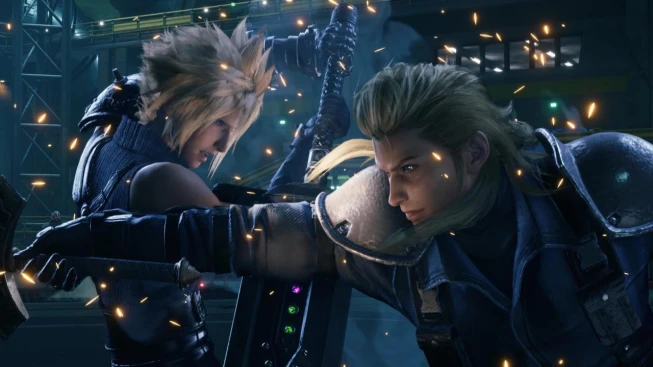
For example, Cloud’s addition allows for strong physical attacks, while Thunvisionsile Y’shtola offers water magic and healing. Visions don’t replace a character’s existing abilities; instead, they add to their combat options, letting you fill in missing elemental attacks or change a character’s abilities.
You can equip one Vision at a time for all party members.
Although, the more you use each Vision, the more powerful it becomes and the more abilities you unlock. Some of these learned skills can even persist after switching to a different Vision, letting you mix and match abilities for increasingly specialized character builds.
The developers have pointed to Final Fantasy V as one of the biggest inspirations behind this progression system because of its flexible approach to learning and combining abilities. Visions are found at secret shrines scattered throughout the world, where you'll be treated to dreamlike sequences depicting memorable moments from the game that each hero originally appeared in.
Traditional summons are also making a return through the Esper system. Fina is the party’s dedicated summoner, the only character who can call powerful Espers directly into battle. You can unlock familiar summons such as Ifrit, Shiva, Titan, Ramuh, and a handful of others through the main story or optional dungeons.
Espers summoned to the battlefield remain there for three turns, fighting alongside your party until they perform a special attack and disappear. Not only do these summons act as brief cinematic assaults, but they actually help you in combat for a few turns making them more common throughout each fight.
Editor, NoobFeed
Related News
No Data.