
ARM vs. x86: How ARM Architecture is Challenging x86 Dominance
ARM and x86 processors are reshaping modern computing through competing approaches to performance, power efficiency, and hardware design.
Hardware by Masaru Hoshino on Nov 12, 2026
The processor architecture is critical because it determines how computers and mobile devices operate, use power, and handle demanding workloads. ARM and x86 have been at the heart of distinct parts of the computer industry for decades. x86 powers most desktops and high-performance laptops, while ARM has powered smartphones and other portable devices.
But ARM-based laptops and Apple's M-series chips are gaining in popularity, challenging x86's longtime dominance and sparking a new competition that could alter the future of computing.
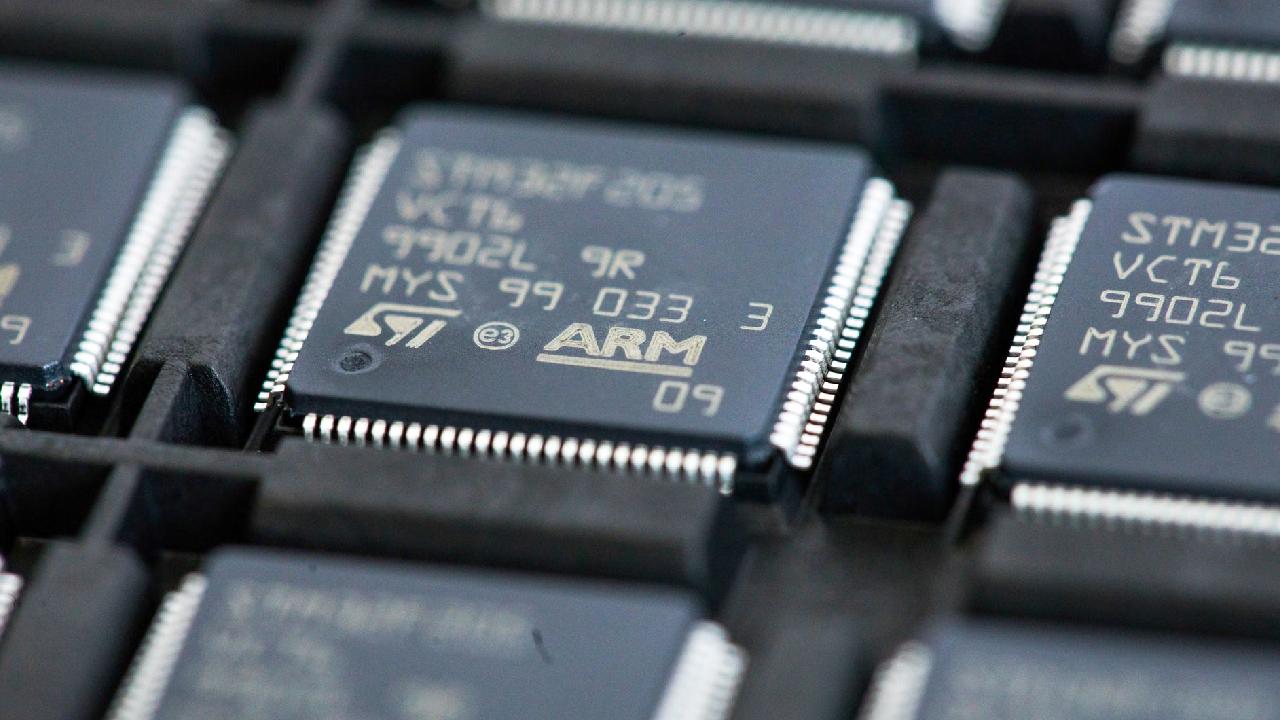
ARM vs. x86: Understanding the Two Processor Architectures
If we talk about the brains of our devices, the processors, there are two primary players: ARM and x86. The x86 architecture has underpinned personal computers and servers for decades. Intel and AMD champion x86. ARM, meanwhile, powers virtually every smartphone and an increasing number of laptops, especially Apple's M-series chips. ARM chips are also more energy-efficient and smaller.
But what makes these architectures so distinct, and why are they good for different tasks? To understand, we have to look at their performance capabilities.
Performance Capabilities of ARM and x86 Processors
The x86 architecture is known for strong computing performance, particularly in Intel and AMD CPUs. This makes it a go-to for demanding jobs like Gaming, Video Editing, and heavy-duty software development.
But ARM architecture has historically been less powerful in terms of sheer computational capacity, though it excels in efficiency. Electronics like cellphones benefit from longer battery life and sleeker designs. But ARM is also closing the performance gap. Apple's M-series CPUs are a testament to it, offering remarkable power in a more energy-efficient package.
Architectural Differences: Complex vs. Streamlined Instruction Sets
So what accounts for these differences? It's all in the design. x86 chips tend to have a more sophisticated instruction set, offering more flexibility for a wider variety of activities, but at the cost of increased power consumption. ARM has a simpler, streamlined instruction set designed to be more efficient and use less power per operation.
This divergence is important because it is behind the transformation we are seeing in the industry, with ARM architecture making its way into more laptops, even desktops, challenging the long-standing supremacy of x86.
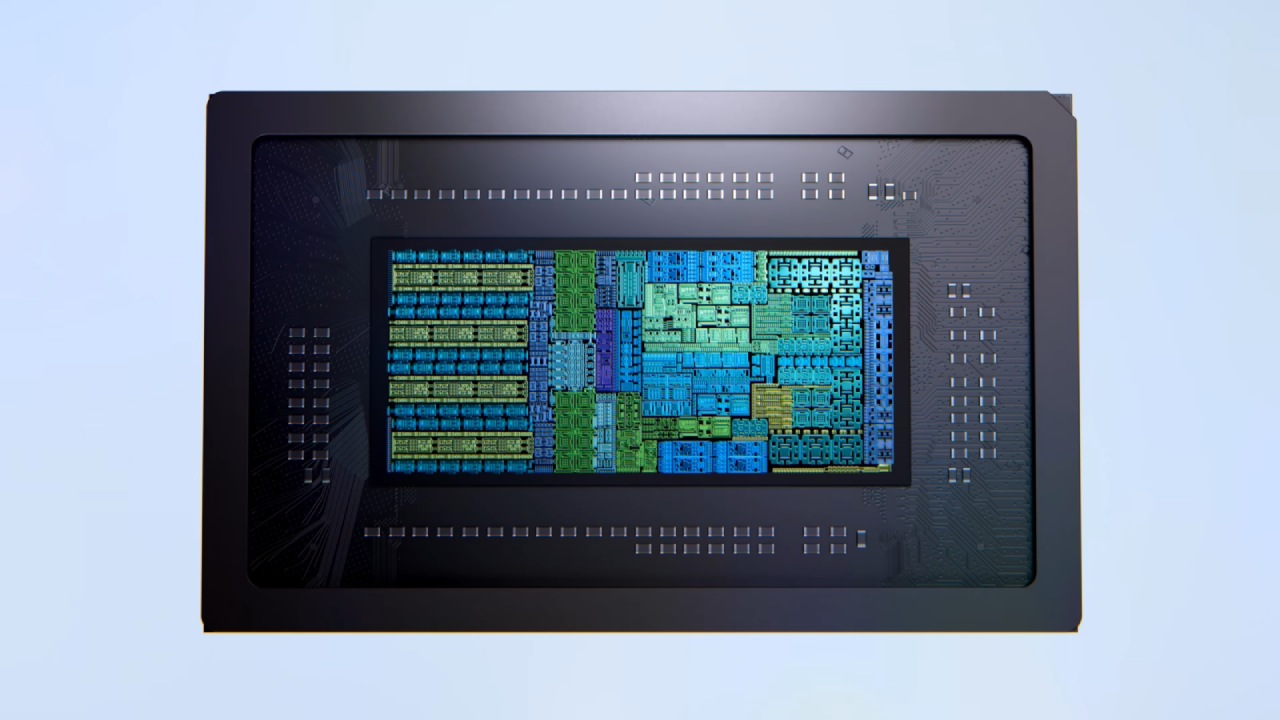
The Growing Competition Between ARM and x86
Going forward, the barrier between ARM and x86 is starting to blur. ARM is now appearing in traditional x86 strongholds like laptops and even certain server applications, which speaks volumes. Apple's M-series CPUs are leading the charge, proving ARM can deliver efficiency without sacrificing power.
On the other hand, Intel and AMD aren't standing still. They're constantly innovating to make their x86 CPUs more power-efficient and push performance limits. This competition is ushering in a new generation of computing, where the choice between ARM and x86 will depend more on specific use cases than on inherent advantages.
ARM vs. x86: Market availability and adoption
x86 processors are common in the current industry, particularly in desktops and high-performance laptops. However, as ARM continues to gain popularity, especially in the portable and low-power device market, we should expect more variety for consumers and professionals.
The Future of ARM and x86 Computing
Whether it's the power-hungry x86 chips used in high-end gaming rigs and servers, or the efficiency-first ARM processors found in the latest smartphones and ultra-portable laptops, the future of computing is more fascinating than ever.
Technology is always advancing, and so are our options, so understanding the differences is critical when choosing the best option for our needs. The ARM vs. x86 battle is no longer a simple fight of raw performance vs. power efficiency. Instead, both architectures are growing to meet distinct computing needs, giving consumers and professionals more flexibility when buying their next device.
FAQ
Q. What is the main difference between ARM and x86 architectures?
A. ARM focuses on power efficiency and streamlined instruction sets, while x86 prioritizes high computing performance and supports more complex instruction sets.
Q. Why are ARM processors more energy-efficient than x86 processors?
A. ARM processors use a streamlined instruction set designed to perform operations efficiently while consuming less power, making them suitable for smartphones and portable devices.
Q. Can ARM processors compete with x86 in performance?
A. Yes. Apple's M-series processors demonstrate that ARM architecture can deliver impressive computing performance while maintaining better power efficiency in many workloads.
Q. Will ARM replace x86 processors in the future?
A. ARM is gaining popularity in laptops, desktops, and servers, but x86 remains important for gaming, high-performance computing, and professional workloads. Both architectures are expected to coexist.
Editor, NoobFeed
Gaming Hardware Updates
No Data.