
NVIDIA Cuts Gaming GPU Supply by 20–30% as GPU Prices Could Rise Again
Nvidia's reported GPU supply cuts could push prices higher as Intel prepares Nova Lake and Apex introduces new rendering technology.
Hardware by Nahe Yan on Nov 26, 2026
The PC hardware market could be heading toward another period of price increases as GPU supply constraints, upcoming desktop processors, and new AI-powered rendering technologies reshape the industry. NVIDIA is reportedly preparing another reduction in gaming GPU shipments, while Intel's next-generation Nova Lake desktop processors are expected to bring new configurations and increased cache capacity.
Meanwhile, Apex Compute has introduced a cross-platform neural rendering technology that could offer an alternative to existing solutions from NVIDIA, AMD, and Intel. If you thought GPU prices were already completely absurd, things could get even worse. NVIDIA has reportedly notified its partners of another supply reduction in gaming GPUs for its fourth quarter.
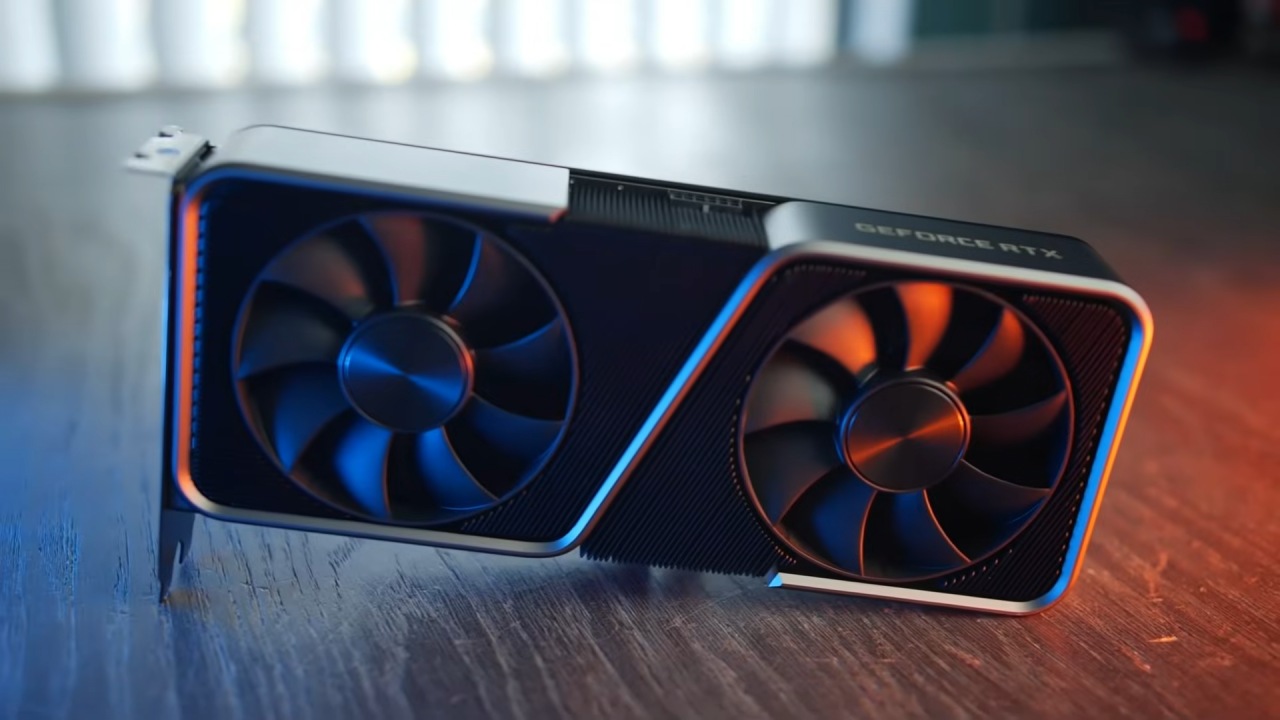
NVIDIA Plans Another 20–30% Gaming GPU Supply Reduction
The original information comes from the board channels forum, where someone claimed the supply chain was already tight in the third quarter. However, NVIDIA reportedly plans to cut GPU supply by another 20–30% between November and January. For anyone confused about why January is included in the fourth quarter, NVIDIA's fiscal fourth quarter ends in January.
This is normally the time when manufacturers increase supply rather than reduce it. The only possible positive is that the original information comes from a regional forum, meaning the reported supply reduction could be limited to that particular supply chain. However, we cannot assume that the situation will be different elsewhere.
The original report does not explain why NVIDIA is making these supply adjustments, but AI hardware demand is likely playing a role. We have already seen reports of AI hardware supply constraints in certain markets, while demand continues to grow in the US. NVIDIA has even more incentive to prioritize AI hardware over gaming GPUs in the US. As a result, we could see similar supply adjustments affecting the gaming GPU market here as well.
Either way, this is concerning news for anyone planning to purchase a graphics card. With potentially lower supply and increased holiday demand, GPU prices could climb even higher throughout Christmas. If you're planning to buy a GPU for yourself or someone else, buying sooner rather than later may be worth considering.
Apex Neural Rendering Could Challenge DLSS, FSR, and XeSS
We finally have a potential solution to the current memory crisis, although it has nothing to do with making memory or GPUs cheaper. Instead, one company is trying to make existing hardware perform better so users don't have to upgrade in the first place. The company is Apex Compute, which recently announced its cross-platform competitor to Nvidia's DLSS, AMD's FSR, and Intel's XeSS. It is called Apex Neural Rendering, or ANR.
What's particularly interesting is that Apex has already released a beta version of multi-frame generation. The company is also working on its own upscaling technology and ray reconstruction. Unlike DLSS or FSR, Apex is targeting almost every major GPU manufacturer. Its hardware support reportedly extends back to Nvidia's GTX 16 series and AMD's RX 5000 series.
The company is a venture startup primarily focused on developing low-power AI chips for applications such as robotics, drones, and autonomous vehicles. However, it is also developing its own GPU architecture. With those technologies in development, Apex is now looking to compete directly with established GPU manufacturers through its AI-powered rendering platform.
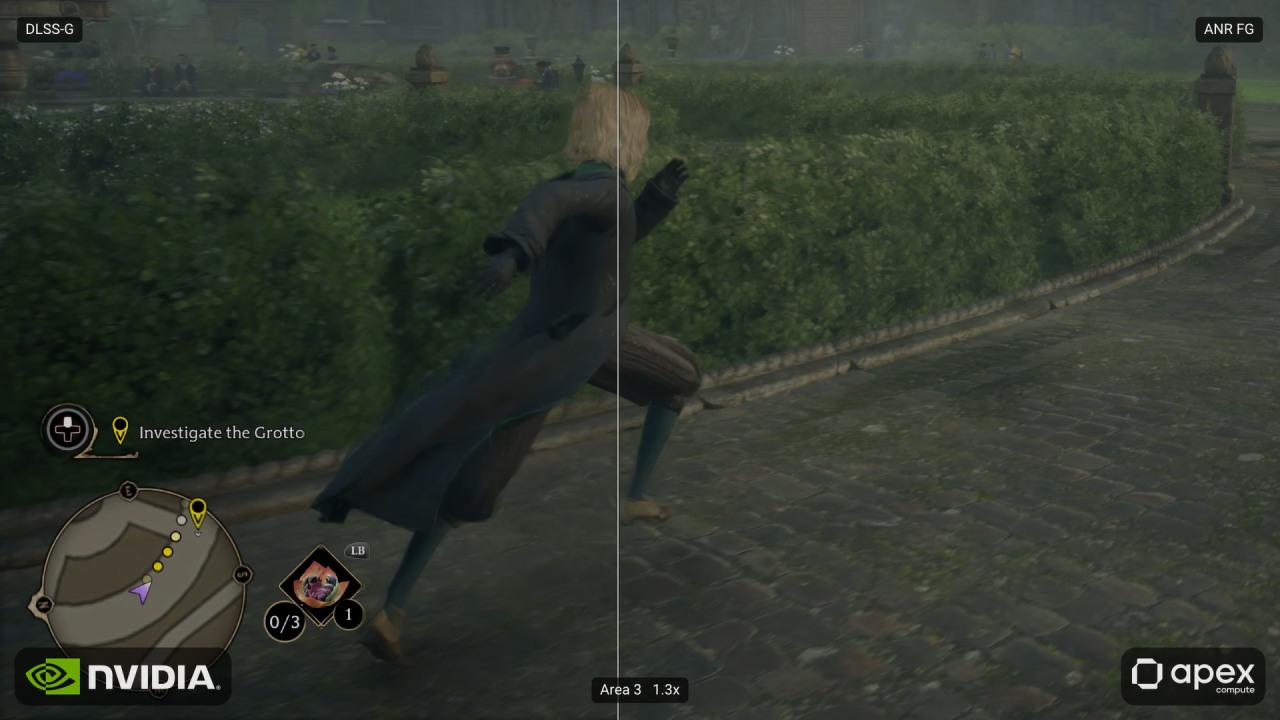
Things get even more interesting when you look at older graphics cards.
Over on Apex's GitHub, a user tested the technology on an NVIDIA GTX 1660 Ti. According to the results, ANR generated frames nearly 3x faster than AMD's FSR 3.1 at 1080p. The performance difference reportedly increased to more than 3x at 1440p and 4K. What's particularly interesting is that AMD's FSR 3.1 does not use dedicated AI processing, while ANR relies on AI-powered rendering.
Despite that difference, Apex's solution reportedly delivered higher frame-generation performance on a GPU that doesn't even have dedicated AI cores. Even better, you do not necessarily have to wait for game developers to implement the technology themselves. Thanks to OptiScaler, you can inject ANR into compatible games, and the technology is currently available as a free download.
However, the most interesting part of Apex's development could be its upcoming AI upscaling technology. If the company can achieve similar efficiency while getting close to Nvidia's latest DLSS models, it could become an important option for older graphics cards. For users who cannot justify purchasing a new GPU because of rising prices and memory shortages, technologies like ANR could help extend the lifespan of existing hardware.
FAQ
Q. How much is Nvidia reportedly reducing gaming GPU supply?
A. Nvidia is reportedly planning to reduce gaming GPU supply by 20–30% between November and January, according to information from the Board Channels forum.
Q. When will Nvidia's reported GPU supply reduction take effect?
A. The reported reduction covers Nvidia's fourth fiscal quarter, which runs from November through January.
Q. Why is Nvidia reportedly reducing gaming GPU supply?
A. The original report does not provide a specific reason. However, growing demand for AI hardware and Nvidia's prioritization of AI products could be contributing factors.
Q. Will Nvidia's reported GPU supply reduction increase graphics card prices?
A. It could. Lower GPU availability combined with increased holiday demand may create further price pressure on GeForce RTX graphics cards, although the actual impact remains uncertain.
Editor, NoobFeed
Gaming Hardware Updates
No Data.