
ANR vs. FSR vs. XeSS: Which Frame Generation is Best for AMD GPUs?
AMD GPUs now support three frame generation methods with different performance results, installation requirements, and frame-time characteristics.
Hardware by Shinji Okazaki on Nov 16, 2026
AMD GPU users now have three frame generation options: AMD FSR 3.1 Frame Generation, Apex Neural Rendering (ANR), and Intel XeSS Frame Generation. Each option works differently, requires a different installation process, and delivers different results in games.
A performance comparison using Cyberpunk 2077 tested all three options on an RX 6500 XT at 1080p. The tests used the same route, settings, and benchmarking process to measure average FPS, 1% lows, 0.1% lows, and frame-time consistency. The results show how much performance each option adds and which one makes more sense depending on the game and setup.
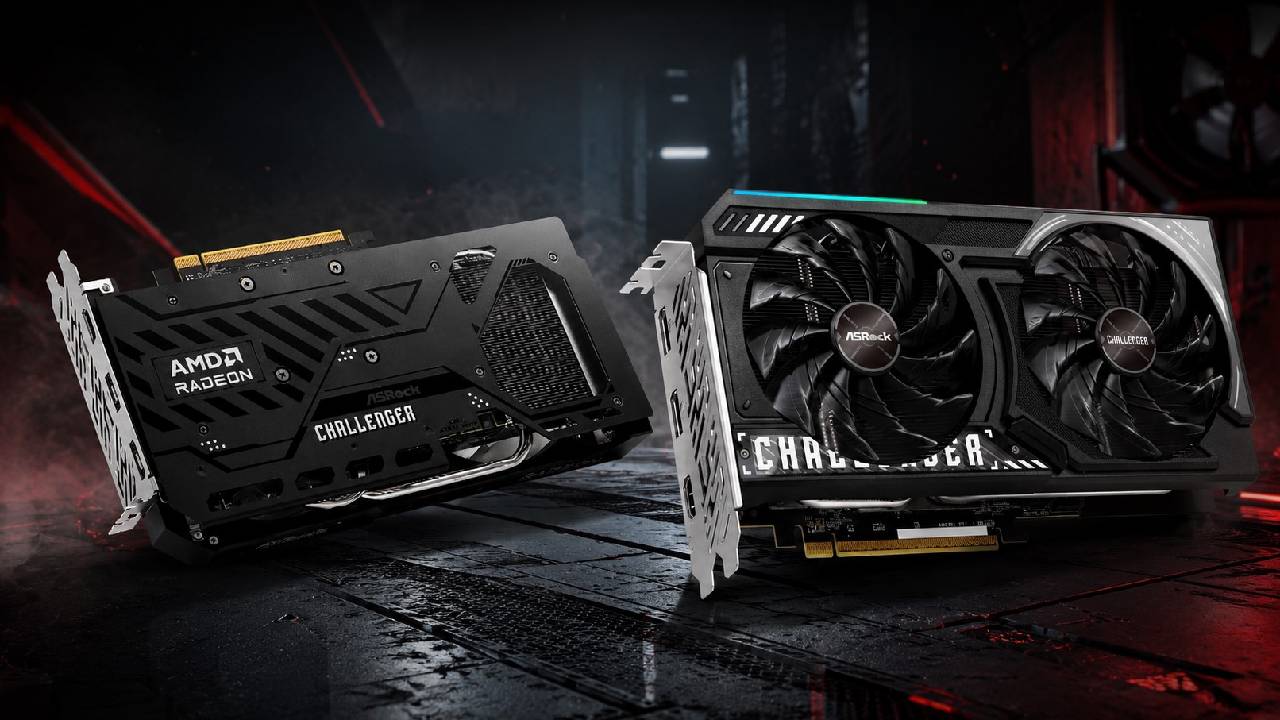
Three Frame Generation Options Available for AMD GPUs
FSR 3.1 Frame Generation is AMD's own frame generation technology. In Cyberpunk 2077, it is already built into the game. Go to the graphics settings, select FSR as the upscaler, and turn on Frame Generation. No downloads, additional files, or installation steps are required. It is the easiest option to enable among the three.
ANR, or Apex Neural Rendering Frame Generation, is a mod that replaces DLSS Frame Generation. The game thinks it is running Nvidia's Frame Generation, but ANR handles the process on an AMD graphics card instead. The earlier testing used version B14, but version B16 is now available with changes and fixes for some of the issues encountered in the previous testing.
The third option is Intel XeSS Frame Generation. Cyberpunk 2077 includes XeSS Frame Generation in its settings, but AMD GPUs cannot enable it directly because the feature is locked to Intel Arc graphics cards. You can install XeSS Frame Generation through launchers such as AMD NNR or Open NR. However, the testing used a manual installation through OptiScaler version 0.9.4.
We tested all three frame generation options on an AMD Radeon RX 6500 XT at 1080p using FSR 2.1 with the Balanced preset. We configured every frame generation option for 2x frame generation, meaning one generated frame for every traditionally rendered frame. Multi Frame Generation was not included in the comparison.
Although all three use the same upscaler and preset, their performance costs are different.
With Frame Generation disabled, the game delivered 75.4 fps without mods, 77.6 fps with ANR installed, and 82.7 fps with OptiScaler installed. Therefore, we compared each frame generation result against its own configuration with Frame Generation disabled. This lets us measure how much performance each option adds to its original setup.
The average FPS results show that ANR and XeSS Frame Generation deliver the same final performance, while FSR 3.1 falls behind. FSR 3.1 Frame Generation increased performance from 75.4 fps to 141.1 fps. That represents 1.87x the original result. ANR increased performance from 77.6 fps to 158.2 fps, delivering 2.04x the original result. This means it effectively doubled the frame rate.
XeSS Frame Generation also reached 158.2fps, matching ANR. However, because its original result was higher, its performance multiplier was 1.91x. However, the performance multiplier reveals another part of the results. At 2x frame generation, half of the displayed frames are generated. Dividing the final FPS by two estimates the real frames the game continues rendering.
FAQ
Q. Which frame generation technology delivers the highest FPS on AMD GPUs?
A. ANR and Intel XeSS Frame Generation both reached 158.2fps in Cyberpunk 2077, making them the top performers in the comparison.
Q. Which frame generation option delivers the most consistent performance?
A. AMD FSR 3.1 Frame Generation delivered the most consistent performance, recording 90.9 fps in 1% lows and 71.6 fps in 0.1% lows.
Q. Can Intel XeSS Frame Generation run on AMD graphics cards?
A. Yes. Intel XeSS Frame Generation can run on AMD GPUs through OptiScaler by configuring DLSS Frame Generation as the input and XeSS Frame Generation as the output.
Q. Does ANR Frame Generation work in every game?
A. No. ANR only works in games that already support DLSS Frame Generation because it replaces Nvidia's frame generation implementation.
Editor, NoobFeed
Gaming Hardware Updates
No Data.