
PS5 Pro Could Combine FSR 3.1 Frame Generation With PSSR 2
PS5 Pro could potentially combine FSR 3.1 frame generation with PSSR 2 to deliver smoother high-refresh-rate gaming experiences.
PlayStation by Tanvir Kabbo on Oct 06, 2026
In modern gaming, frame generation is becoming increasingly important because it lets games run at higher frame rates without rendering each frame the old-fashioned way. PS5 Pro has Sony’s PSSR upscaling tech, and pairing it with AMD’s FSR 3.1 frame generation should deliver more fluid gameplay. But hardware compatibility, input latency, image quality, and display restrictions are still factors to consider.
FSR 3.1 Frame Generation and PSSR 2
Because they are different technologies, FSR 3.1 can be used with PSSR 2. Image upscaling and frame generation can be done separately, so developers can use one without the other, or either one. Console implementations of FSR 3.1 already exist, such as on Switch 2. Developers can modify an AMD implementation to a specific game and publish it.
There are also frame generation games on the PS5 that can be played on the Pro. Earlier, Mark Cerny said that Sony was looking at frame generation for PlayStation, but didn't specify which console. A standalone Sony implementation with machine learning might be better suited than just implementing FSR 3.1.
Generation of Challenges on Consoles
Display technology is one of the biggest factors to consider. Many console owners still use 60Hz screens that don't support VRR. Higher frame rates are more achievable with 120hz displays with VRR, which are ideal for frame generation.
Console frame generation hasn't been as well researched as on PC. But with the next generation of consoles, this may be a thing of the past, especially if 120 Hz or even 240 Hz displays become more prevalent.
Would Frame Generation Benefit PS5 Pro Games?
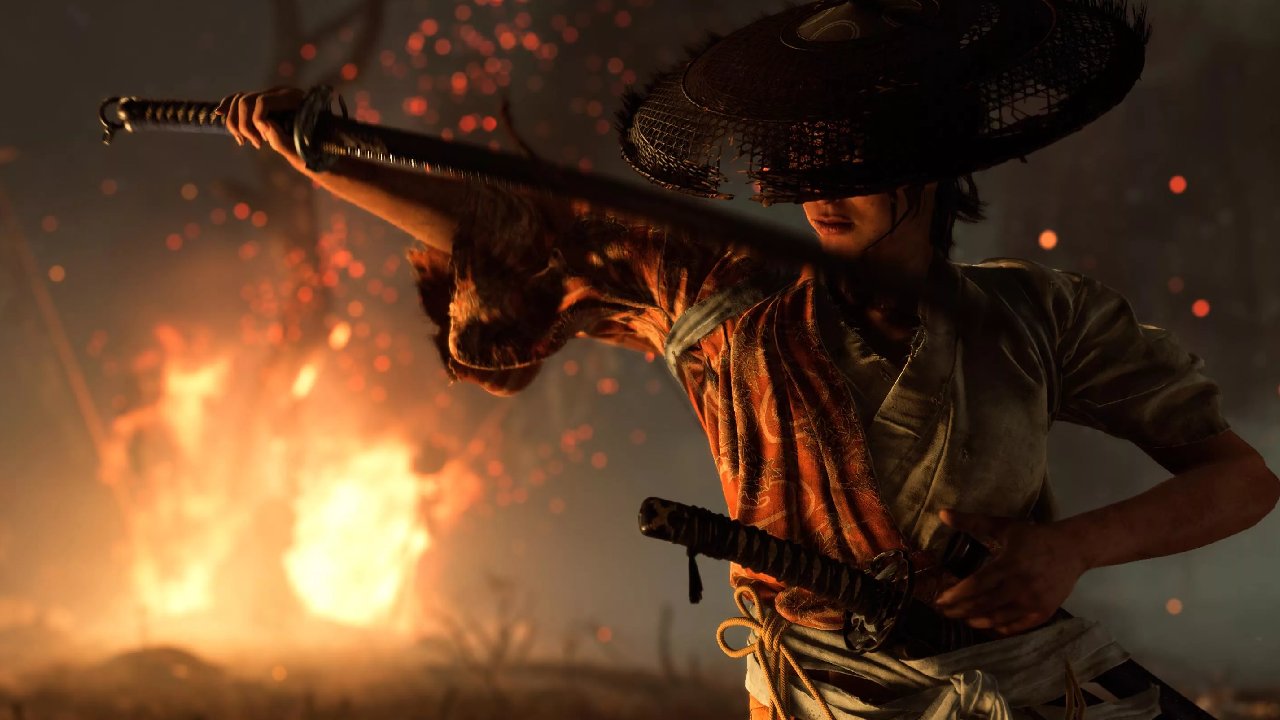
Ghost of Yōtei is an interesting example. The game reportedly can stay above 60 fps with a ray-tracing performance mode and an unlocked frame rate. Frame generation might increase the displayed frame rate and make it smoother.
But 120 fps isn't always a good thing. With frame generation, there are compromises in image quality and input response. It's up to the developer to decide if those sacrifices are worth it if a game is already running well.
With next-gen consoles and displays on the horizon with HDMI 2.2 support and higher refresh rates, the tech may be more useful. For now, frame generation is a relatively niche PS5 feature and can help Switch 2 when native rendering can't hit 60 fps.
Sony Could Develop Its Own Frame Generation Solution
Sony would probably prefer to offer its own branded solution, as frame generation has become an important part of the graphics technology package offered by major vendors. However, frame generation is likely less important than upscaling. If the game is already running above 60 fps, it would be nice to display more than 60 fps, but it is more important to achieve good image quality and performance at 60 fps.
As higher-refresh-rate displays become ubiquitous, a dedicated Sony solution may become more relevant. In some cases, competitive gaming might also benefit, but players will have to weigh the pros and cons of visual fidelity versus input lag.
Why Doubling the Frame Rate is Not Guaranteed
Another big factor is how many players actually use 120Hz modes. Sony and Microsoft have telemetry data that could show how often users use these features. If adoption isn't high, developers may not have much incentive to invest heavily in frame generation.
Also, 2x frame generation is not the same as 2x frame rate. FSR demands more GPU processing, which can limit the overall performance gain. The increase may be closer to 50-60% if the system is CPU-bound and the GPU is idle. The extra processing can also add input latency. So the final frame-rate number isn't the full picture when assessing how beneficial the technology is.
PSSR and Frame Generation Can Work Together
The First Descendant is an example of frame generation in conjunction with PSSR on PlayStation 5. It's the first free-to-play title to use both technologies together, showing that upscaling and frame creation can be combined.
But it doesn’t mean all games would benefit equally. Developers need to balance frame generation against GPU workload, visual quality, latency, and the performance level they want to achieve.
Next-Generation Consoles Could Change the Equation
For current-generation consoles, frame generation is still fairly uncommon. The advantages it can offer depend on the game, the amount of GPU resources available, and whether players have displays that can handle higher frame rates.
There is no apparent technical reason why the frame generation in FSR 3.1 should not be combined with PSSR 2. The bigger question is whether the improvements justify the extra effort and compromises. Higher refresh rates and more capable hardware in next-gen consoles could make a stronger case for making frame generation a standard practice.
Senior Editor, NoobFeed
Latest Articles
No Data.