
AMD RDNA 5+ Reportedly Launching in 2029 With Zen 7 Grimlock APUs
AMD's reported roadmap suggests mainstream Ryzen laptops and gaming handhelds may wait until 2029 for next-generation integrated graphics.
Hardware by Tanvir Kabbo on Nov 04, 2026
AMD's next major graphics architecture upgrade for mainstream mobile processors could be considerably further away than handheld gaming enthusiasts would like. A new leak suggests the company is targeting 2029 to introduce RDNA 5+, an enhanced graphics architecture expected to debut alongside its next-generation Zen 7 "Grimlock" APUs.
If accurate, the reported roadmap points toward a lengthy transition period in which mainstream Ryzen laptops and gaming handhelds could continue relying on older integrated GPU technology.
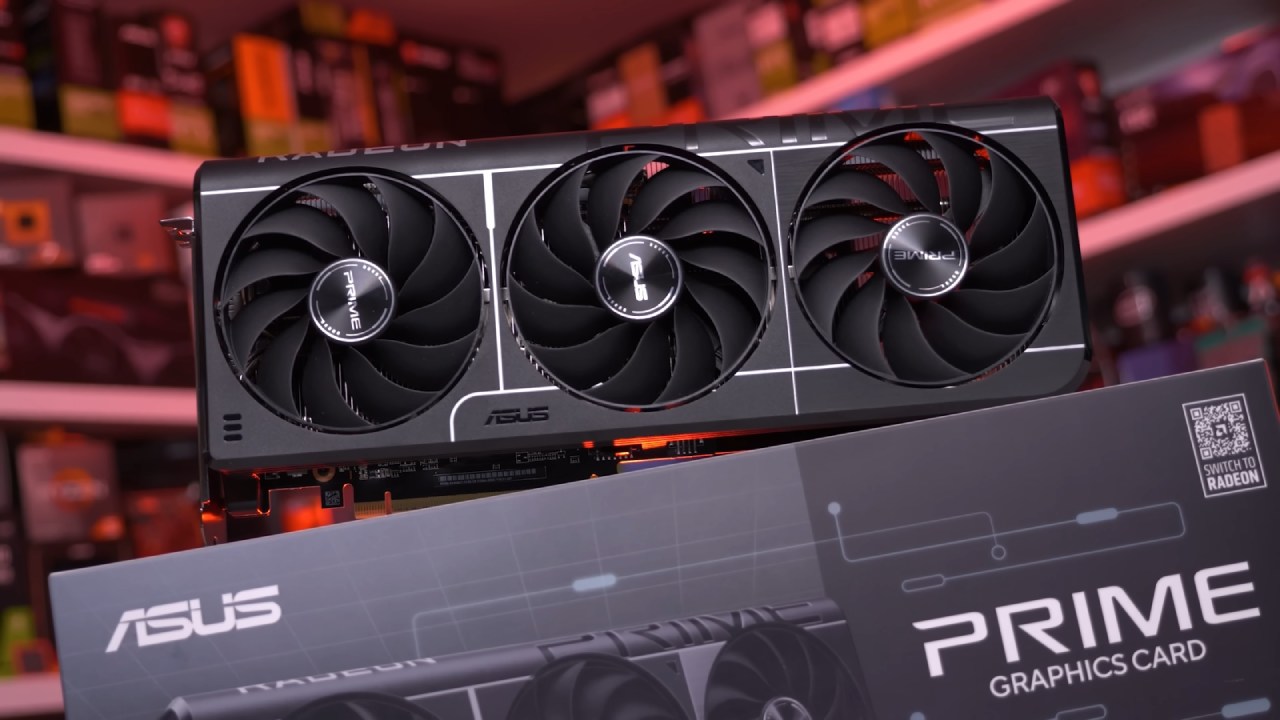
The information comes from hardware leaker Kepler_L2, who reportedly discussed AMD's future plans on the NeoGAF forums. Although AMD has not officially confirmed the timing, the notion raises critical questions about how the company wants to segment its mobile CPU line.
More crucially, it suggests the newest graphics architecture could land in premium mobile products long before it shows up in cheaper laptops and handheld gaming devices.
Zen 7 Grimlock and RDNA 5+ Could Define AMD's 2029 APU Generation
According to the leak, AMD plans to release RDNA 5+ in 2029, pairing the upgraded graphics architecture with its future Zen 7 processor generation, apparently dubbed Grimlock. This would mark another major milestone in AMD's long-term APU development, which combines modern CPU cores with graphics technology designed specifically for integrated platforms.
The difference between RDNA 5 and RDNA 5+ is extremely fascinating. The latter suggests AMD may be developing an optimized variant rather than porting its desktop GPU architecture directly into integrated-graphics chips.
This approach has precedent. AMD's RDNA 3.5 architecture is basically the original RDNA 3 concept for integrated graphics updated to better match the power, memory bandwidth, and thermal constraints of APUs. Taking a similar tack with RDNA 5 would make sense, especially as integrated graphics become more crucial for thin-and-light laptops and portable gaming.
So, an RDNA 5+ implementation may be about efficiency gains, wringing the most out of shared memory setups and better use of restricted power budgets. Instead of throwing more processing units at the problem to improve graphics performance, AMD might improve how its design tackles the limitations of integrated graphics.
That said, AMD has not released any technical specs, and so the actual differences between RDNA 5 and RDNA 5+ are unknown.
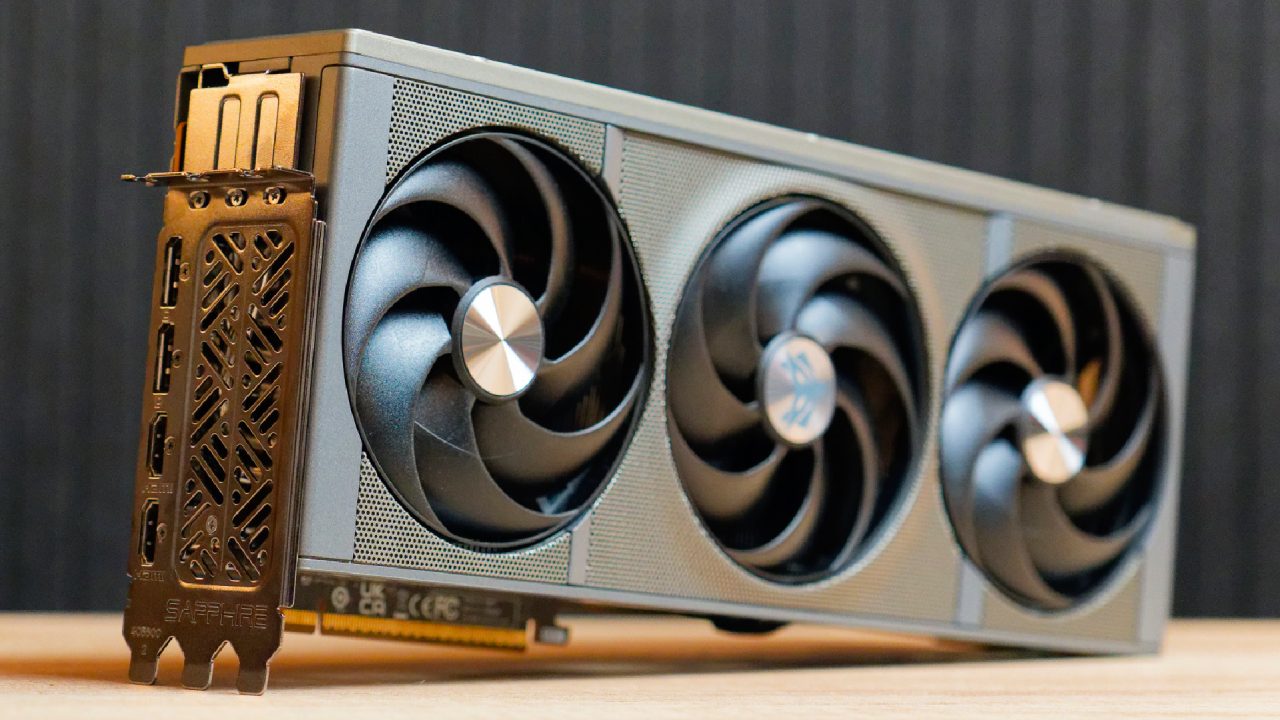
Long Wait For Handheld Gaming PCs Could Be Frustrating
The main fallout of this leaked roadmap is for the handheld gaming business. AMD has carved out a solid niche in the portable gaming market with its unique Ryzen processors. Still, the graphics architecture that powers the mainstream systems may not evolve as fast as aficionados would like.
If the rumored product segmentation is correct, AMD might keep RDNA 3.5 in mainstream, lower-power processors much longer. It's not only cheap office laptops that would be impacted. It'sStandard gaming handhelds that rely on integrated graphics and shared system memory could also stick with older GPU technologies while AMD saves future designs for more premium products.
The purported Medusa family shows this potential rift. The Medusa Halo is rumored to target high-end CPUs with RDNA 5 graphics, although mainstream Medusa CPUs may still use RDNA 3.5 or similar variants. That is, AMD may choose to boost graphics performance where there's room for more chips, rather than replacing each unit at once.
For handheld manufacturers, that creates an interesting challenge. Devices built around affordable Ryzen processors could struggle to deliver the architectural improvements enthusiasts associate with next-generation graphics.
However, actual gaming performance will still depend on GPU core counts, memory bandwidth, power limits, cooling, and software optimization. A newer architecture does not automatically guarantee a dramatically better handheld.
The 2029 timeline matters because it could leave mainstream buyers waiting nearly three years for RDNA 5+ to reach typical APU products. Even if base RDNA 5 appears in select premium mobile processors earlier, that doesn't necessarily mean affordable handhelds will get the same treatment.
Senior Editor, NoobFeed
Gaming Hardware Updates
No Data.