
NVIDIA RTX 50 Series Crisis: RTX 5090 Hits 370% Increase, RTX 5080 Tops $2,000
NVIDIA's flagship graphics cards are becoming increasingly unaffordable as AI demand and memory shortages reshape the global GPU market.
Hardware by Tanvir Kabbo on Nov 04, 2026
The high-end GPU market is becoming increasingly hard to justify, and November 2026 is serving up yet another harsh reminder of exactly how badly sensible graphics card prices have dropped. The NVIDIA GeForce RTX 50 series is already pricey at launch, and now we are seeing ridiculous price inflation, making it hard for even the most dedicated PC gamers to get their hands on the current iteration.
Things have been especially bad for flagship buyers, with the RTX 5090 allegedly seeing a whopping 370% price jump since its launch.
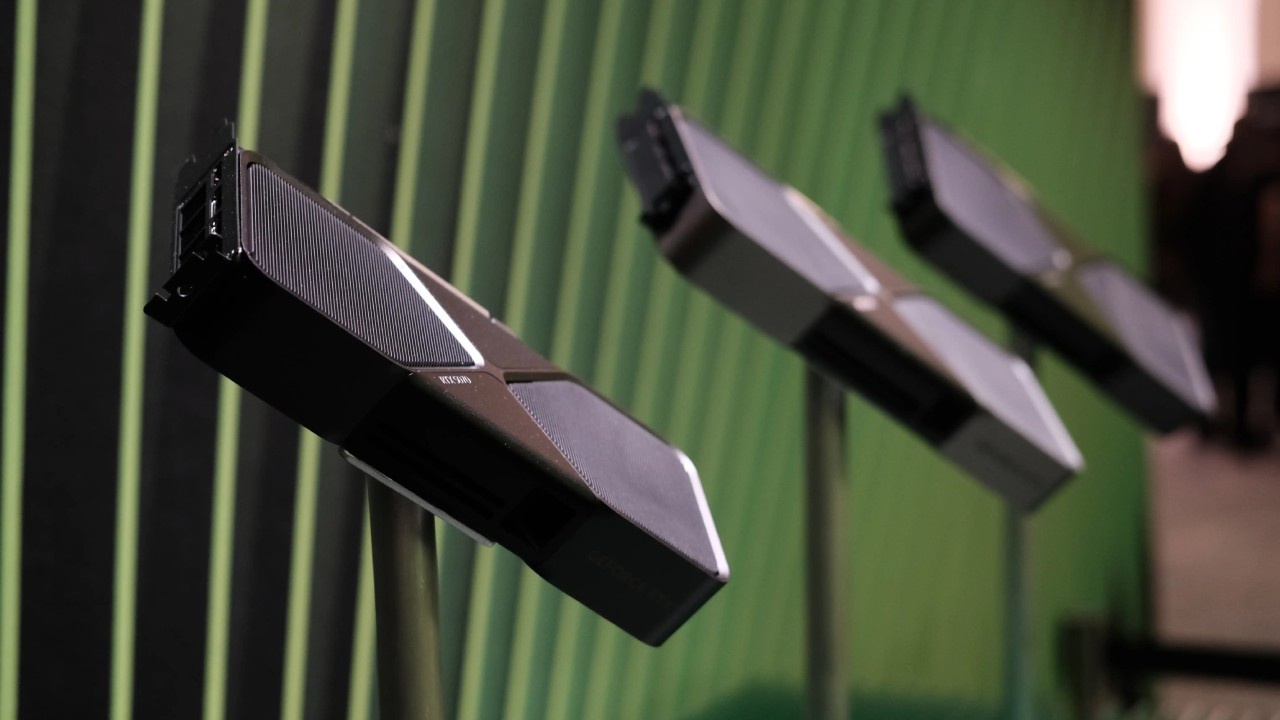
This isn't your normal case of businesses adding small surcharges to restricted goods. The global memory shortage, aggressive AI infrastructure expansion, and increasingly expensive GPU components have created a market where flagship gaming hardware is drifting far beyond what ordinary PC builders can reasonably afford. The growing AI tax is becoming impossible to ignore.
RTX 5090's 370% Price Hike Turns the Flagship Into an $8,000 Luxury
The GeForce RTX 5090 has become the clearest example of how disconnected premium GPU pricing has become from traditional gaming economics. According to reported figures, NVIDIA's flagship has recorded an astonishing 370% increase from its original launch price. Some custom models, including the ASUS ROG Astral RTX 5090 OC, are reportedly listed for nearly $8,000.
At that price, the RTX 5090 is effectively out of reach for most enthusiasts. Even buyers assembling expensive, workstation-grade PCs would struggle to justify such a premium for a graphics card originally marketed as a flagship gaming product.
The problem is not simply that the RTX 5090 is expensive. Its market position has fundamentally changed. Instead of competing for high-end gamers' budgets, these cards are increasingly caught in a supply environment shaped by AI infrastructure spending, where enterprise customers have completely different purchasing priorities.
The ongoing RAMpocalypse is making matters worse. High-density memory production and GDDR7 availability are under pressure as manufacturers prioritize increasingly lucrative enterprise requirements. Gaming graphics cards are now fighting for resources in an environment where customer demand is not the most enticing financial destination for available memory.
Even Lower-Tier Blackwell Cards Are Becoming Difficult to Recommend
While the RTX 5090 is taking most of the spotlight, the broader RTX 50 series is also showing an unsettling pricing trend. According to reported estimates, NVIDIA's current GPU portfolio has seen price hikes of 40% to 120%.
The GeForce RTX 5080 is particularly troubling. Its US pricing has reportedly climbed approximately 120% above its original MSRP, while the global increase sits around 77%. Some retail listings are now exceeding $2,000, an extraordinary amount for a graphics card positioned below NVIDIA's flagship.
This creates a serious problem for enthusiasts already stretching their budgets to buy a premium GPU. The RTX 5080 was supposed to provide a more accessible entry into high-end Blackwell performance. Instead, its current market price puts it in territory where buyers can reasonably question whether the extra performance justifies the financial commitment.
Even the lower-priced RTX 50 models aren't escaping the situation. Price increases of 40% or more can completely change a graphics card's value proposition, particularly for gamers upgrading from older RTX 30 and RTX 40 series hardware. A generation that should offer more performance at competitive prices is increasingly becoming a luxury purchase.
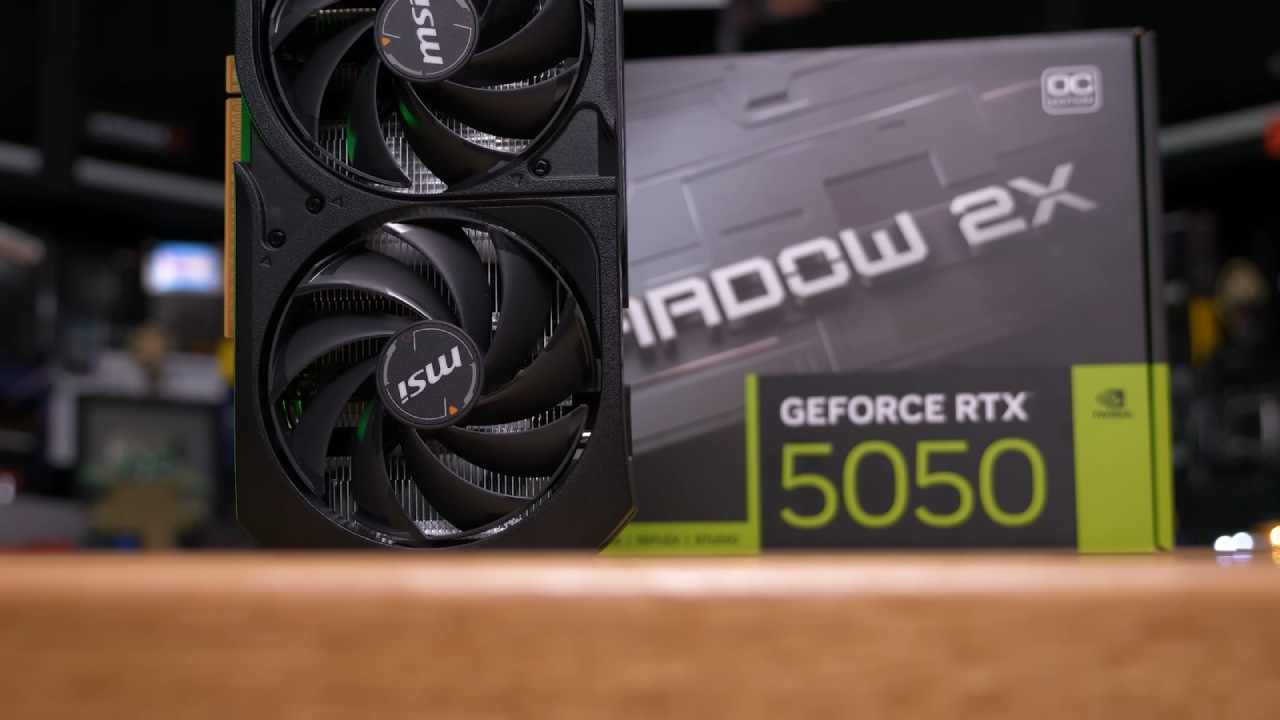
GDDR7 Shortages: Another Reason to Raise Prices
The underlying problem extends beyond NVIDIA's retail strategy. The global memory market is under enormous pressure as AI data centers consume ever-larger quantities of high-performance memory and other critical components.
Although AI accelerators depend heavily on specialized high-bandwidth memory, broader growth in AI infrastructure is also affecting manufacturing capacity, investment priorities, and the availability of traditional memory products. Graphics card makers trying to keep manufacturing flowing face another headache: GDDR7 supply issues.
This translates into more expensive component procurement and more uncertain supply conditions for board partners. As memory costs rise, retailers and customers will ultimately pay more. But the supply shortages are not a catch-all excuse for every extreme retail listing.
For $8,000, you can get an RTX 5090, a testament to how scarcity, scalping, and enthusiast demand can combine to produce pricing that is utterly divorced from the original gaming value proposition.
Senior Editor, NoobFeed
Gaming Hardware Updates
No Data.