
Why Bethesda Never Made A Single-Player Elder Scrolls Spinoff?
Bethesda has spent years protecting its flagship RPG, but that approach may have left fans without the kind of major side adventure that helped carry Fallout through its long waits.
News by Adeela Tas on Oct 01, 2026
For years, The Elder Scrolls has had one obvious gap between its major releases: a proper side entry that feels substantial enough to bridge the wait. Bethesda has explored mobile games, card games, and other projects, while The Elder Scrolls Online became a huge long-running MMO.
But no Fallout: New Vegas-style project has ever been made in which another developer takes the reins of a large, open-world single-player adventure. That absence is now being discussed again after a former Bethesda Game Studios designer explained why he believes such a project never happened.
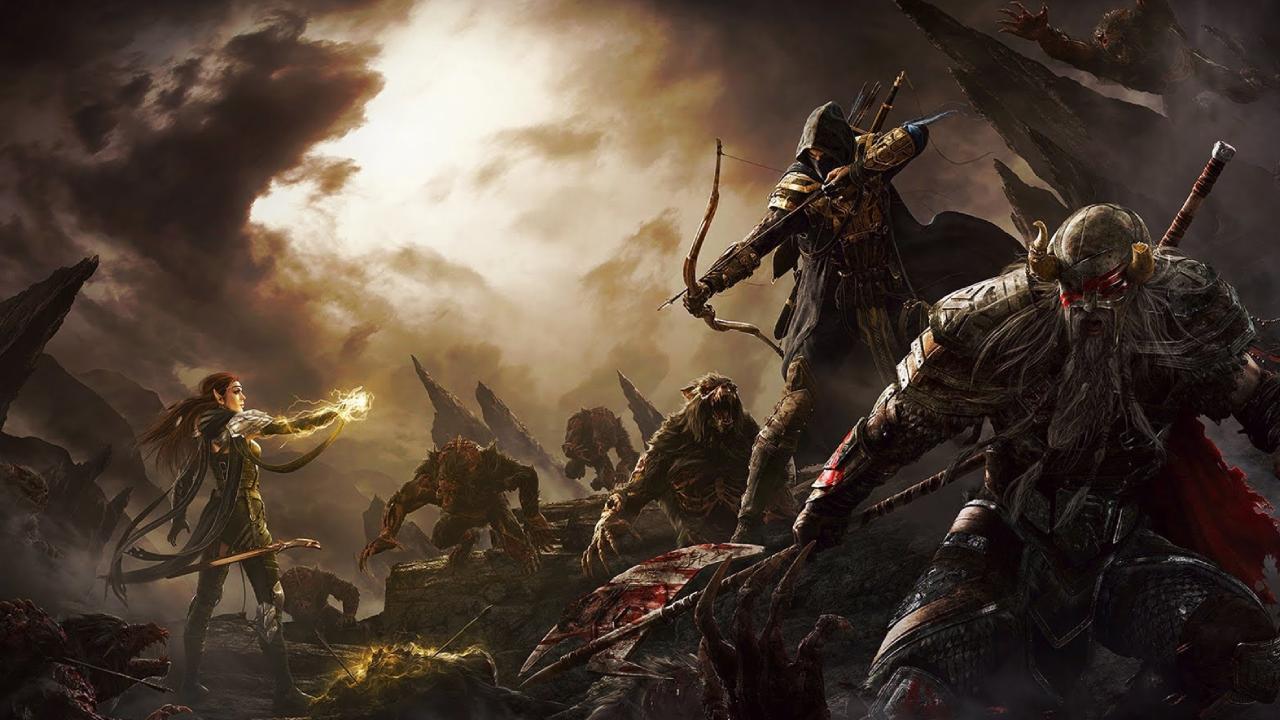
According to the former developer, Todd Howard has historically been very protective of Bethesda's major franchises.
His comments suggest that New Vegas's success may have created a situation Bethesda didn't want to repeat with The Elder Scrolls. The important part is what "New Vegas moment" actually means here. Fallout: New Vegas arrived while Bethesda Game Studios was working on Skyrim, with Obsidian Entertainment developing the separate Fallout entry.
That arrangement gave Fallout fans another major game during a long development period, while also creating an ongoing debate over which studio handled the series better. The former designer explained that this debate may have made Bethesda cautious.
New Vegas became a point of comparison between Bethesda and Obsidian, and some fans eventually preferred Obsidian's approach. The former designer suggested that Howard didn't necessarily want The Elder Scrolls to face the same split, especially with another developer potentially becoming closely associated with the franchise.
That helps explain why the Elder Scrolls spin-off landscape looks so different from Fallout's. The franchise has had games outside the main series, including Redguard, Legends, Blades, and Castles, but most of them didn't provide the same kind of experience as a numbered Elder Scrolls game.
Elder Scrolls is huge, but it never got a real spin-off.
Instead, we got odd genre experiments and a few mobile games. The Elder Scrolls Online is the major exception. Launched in 2014 by ZeniMax Online Studios, it gave the franchise a large-scale world and firmly moved it into the MMO space. For many players, ESO became their primary way to experience the universe.
The former developer described it as the answer to the demand for more Elder Scrolls content, because it gave people a continuing product without directly competing with Bethesda's single-player games. That distinction matters. A New Vegas-style spin-off does not necessarily need to replace a mainline release, but it could give players another way into the world while Bethesda spends years building its next major game.
.jpg)
An Elder Scrolls spin-off could simply keep the single-player side of the franchise active. ESO has already shown there is room for a different interpretation of the setting, though its MMO structure means it serves a different audience. There is also a practical argument for protecting a major intellectual property.
Giving too many developers access can dilute a franchise's identity. A series such as Warhammer has spread across strategy games, action games, shooters, and mobile projects, with different developers becoming associated with different parts of its universe. That variety can work, but it also means no single studio defines the experience.
A more controlled approach can avoid that kind of oversaturation.
Long gaps can even make a franchise feel fresher when it returns. Assassin's Creed was cited as an example of how frequent releases can make even well-liked games feel less exciting simply because audiences become exhausted. Time away can make people appreciate a series differently.
The issue is that protection can go too far. The Elder Scrolls has now spent roughly 15 years between Skyrim and the expected arrival of The Elder Scrolls 6, without a comparable single-player stopgap. ESO has remained active, but its MMO identity has let it build its own audience instead of serving as a direct substitute for a traditional Elder Scrolls adventure.
That is where the comparison with Fallout becomes more difficult to ignore. Fallout 3 was released in 2008, followed by New Vegas in 2010, and then Fallout 4 in 2015. The gap between Fallout 3 and Fallout 4 was seven years, but players received another major single-player game in the middle. With its downloadable content and the timing of those releases, the wait never felt exactly like seven years without a new Fallout experience.
Fan opinions around Fallout changed over time, which is important when considering why another Elder Scrolls spin-off might have made Bethesda cautious. Before Fallout 4, it was hardly unusual for players to prefer Fallout 3. Its atmosphere, music, setting, introduction, and memorable locations such as Megaton gave it a strong identity.
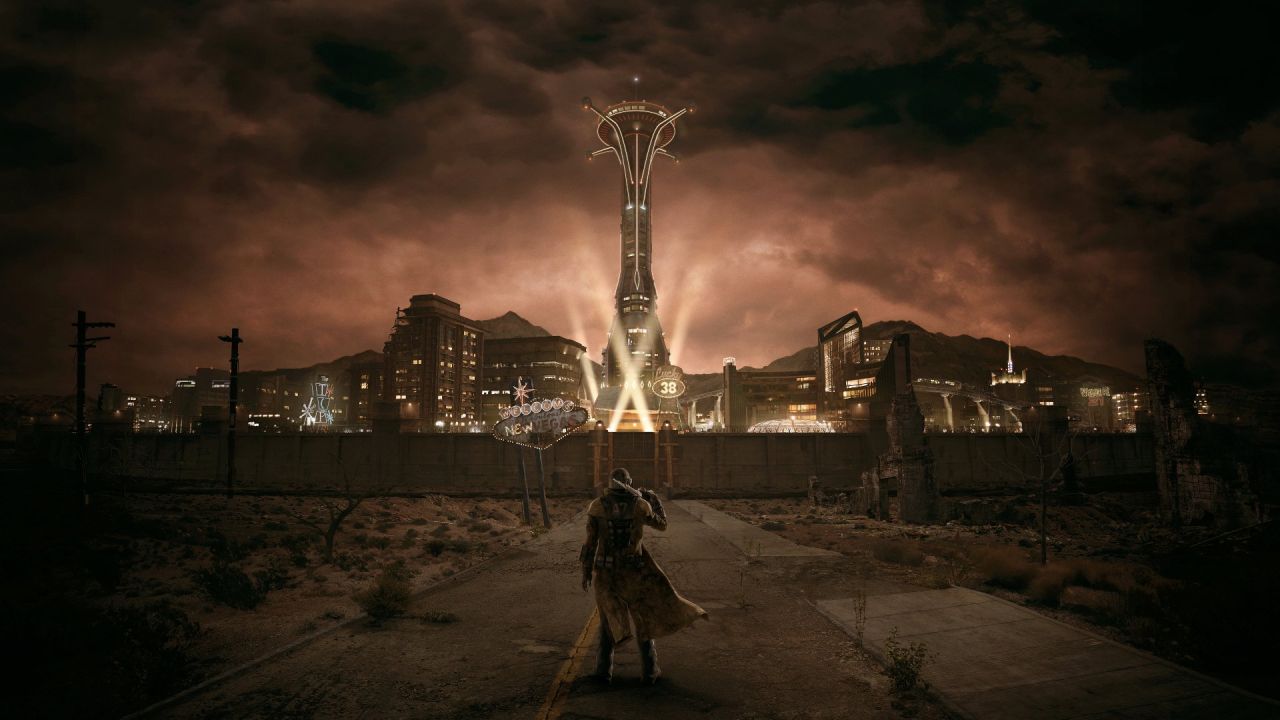
New Vegas had its own strengths, particularly in role-playing and quest design, but praising Fallout 3 wasn't automatically treated as controversial.
That conversation gradually shifted. As Bethesda made decisions that some fans disliked, more attention moved toward Obsidian's style of Fallout. A later replay of New Vegas reinforced that comparison, showing how a game's reputation can grow over time. The result is exactly the kind of division the former developer appears to believe Bethesda wanted to avoid repeating with its other major RPG franchise.
From that perspective, an Elder Scrolls spin-off could have served a very specific purpose. A New Vegas-style spin-off would give another studio room to experiment without requiring Bethesda to abandon its own plans. Another developer could have created a large open-world adventure set somewhere else in Tamriel, giving players a new game while Bethesda continued its much longer development process.
The problem is that Bethesda's existing spin-offs never really filled that role. Legends was a card game, Blades was a mobile title, and Castles followed another mobile-focused approach. None offered the same traditional open-world RPG experience fans associate with Skyrim or Oblivion. ESO came closest in scale and ambition, but its MMO structure made it fundamentally different.
The situation is especially noticeable because Fallout is finally moving toward another Obsidian-style project, alongside renewed interest in older games and remasters. That contrast makes the absence of an Elder Scrolls spin-off even easier to notice. An Elder Scrolls spin-off could have made that long wait easier to handle without changing Bethesda's plans for its flagship game.
Another complication is timing.
With The Elder Scrolls 6 finally much closer than it was years ago, approving a major side project today could be less useful from Bethesda's business perspective. A new game would take years to develop, potentially arriving as the mainline sequel approaches. That makes the opportunity feel like something that would have been more valuable five or six years earlier.
The former developer did not confirm that Bethesda formally rejected specific Elder Scrolls spin-off proposals, so the exact history behind the absence remains unclear. Instead, his comments offer a possible explanation based on his experience at the studio. The broader pattern is easier to see: Bethesda kept control of its major single-player RPG franchises while allowing ESO to occupy the space for ongoing Elder Scrolls content.
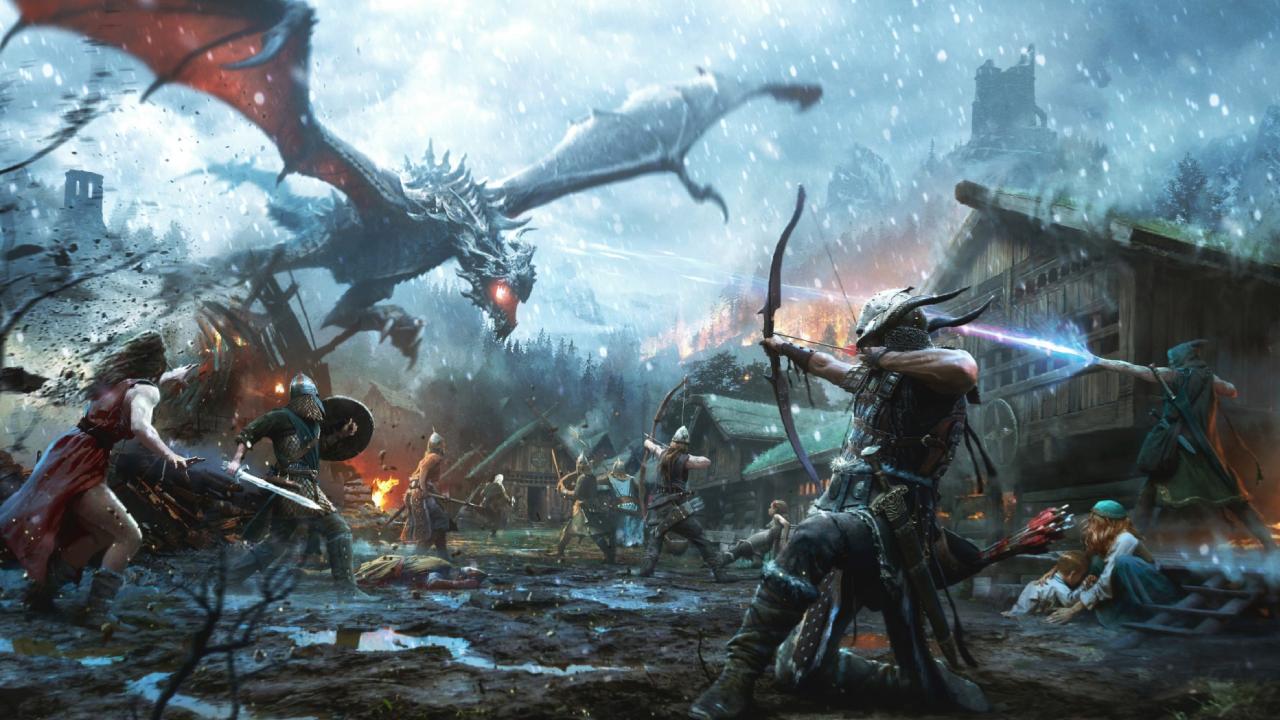
An Elder Scrolls spin-off therefore remains more of a missed possibility than a confirmed abandoned project. For now, the Elder Scrolls spin-off idea exists mainly as a what-if rather than a documented plan. The franchise has had side games, but none produced the same situation that New Vegas created for Fallout.
Whether that was intentional protection, a consequence of development priorities, or simply how Bethesda chose to manage the series, the result is the same: players spent years waiting for another major Elder Scrolls adventure. For now, The Elder Scrolls 6 remains the central continuation of the series, while ESO continues to operate in its own lane.
A New Vegas-style spin-off could have changed how the long wait felt, but the window for using that approach may have passed. An Elder Scrolls spin-off arriving this late would also have to find its place around the mainline sequel. Bethesda's decision to keep its flagship RPG under tighter control has protected a clear identity, but it has also left a very large gap between the games that define the franchise.
Editor, NoobFeed
Related News
No Data.