
Intel Core Ultra 7 260K Reveals 20-Core Arrow Lake Specs
Intel introduces an understated 20-core desktop processor that repackages original Arrow Lake silicon for exclusive prebuilt gaming configurations.
Hardware by Tanvir Kabbo on Nov 14, 2026
Intel has quietly introduced another desktop processor without the usual product announcement, press release, or standalone retail launch. The new Core Ultra 7 260K has surfaced through Newegg listings, revealing an unusual OEM-exclusive addition to Intel's Arrow Lake family. Rather than appearing as a boxed processor for DIY builders, the chip is available exclusively inside two ABS gaming desktops sold through Newegg.
For hardware enthusiasts, the launch raises an interesting question about Intel's processor segmentation. The 260K looks remarkably similar to an existing Arrow Lake CPU, but its restricted availability and slightly reduced clock speeds suggest a different purpose. More importantly, buyers spending close to $2,000 on a prebuilt gaming PC should understand what they are actually getting before treating this processor as a new-generation upgrade.
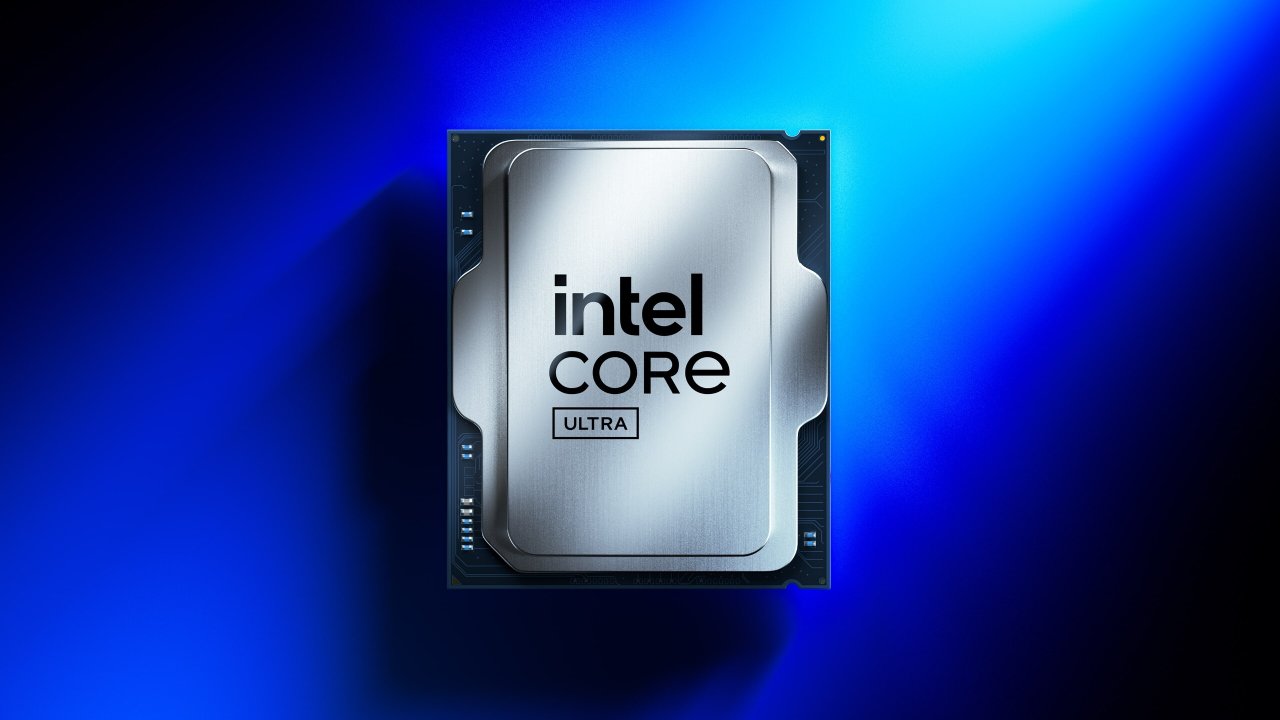
Intel Core Ultra 7 260K: A Silent OEM-Only Launch
Newegg has confirmed that the Core Ultra 7 260K is a limited-availability OEM-exclusive processor. It is currently limited to two in-house ABS gaming desktops, with no standalone retail box and no formal Intel announcement accompanying its release.
The first system is the ABS Kaze II Aqua, which pairs the processor with an NVIDIA GeForce RTX 5060 for $1,699. The second is the ABS Flux II Aqua, featuring a more powerful GeForce RTX 5070 at $1,999 following a $300 discount.
This distribution strategy makes the 260K particularly unusual. Intel is effectively introducing a new desktop SKU without giving conventional PC builders a chance to buy it independently. Instead, consumers see the processor as part of a complete system, making direct price comparisons with existing Arrow Lake products less straightforward.
Early Newegg specification tables also contained inconsistencies, including references to a 260KF designation and an incorrect 5.2 GHz clock speed. With these listing problems, it's even more vital to separate validated specs from tentative retail info.
Core Ultra 7 260K vs. 265K: Almost Identical Hardware
Under the hood, the Core Ultra 7 260K is literally a mirror image of the existing Core Ultra 7 265K. Both CPUs have 20 cores (8P + 12E), combining eight Performance cores with twelve Efficient cores. They also share 30 MB of L3 cache and a 125W Processor Base Power rating.
The primary specification difference is the maximum Performance-core boost frequency. The 260K clocks run up to 5.4 GHz, a small drop of 100 MHz from the 265K's maximum 5.5 GHz.
That discrepancy is unlikely to translate into a major real-world performance gap in typical gaming or standard productivity. Both processors share the same core configuration, so buyers should not expect the 260K to offer a substantially different computing experience.
In practical terms, this looks less like an entirely new processor and more like a slightly adjusted version of an existing Arrow Lake SKU. Its value therefore depends much more on the complete system's pricing, cooling, motherboard, memory configuration, and graphics card than on the processor's new name.
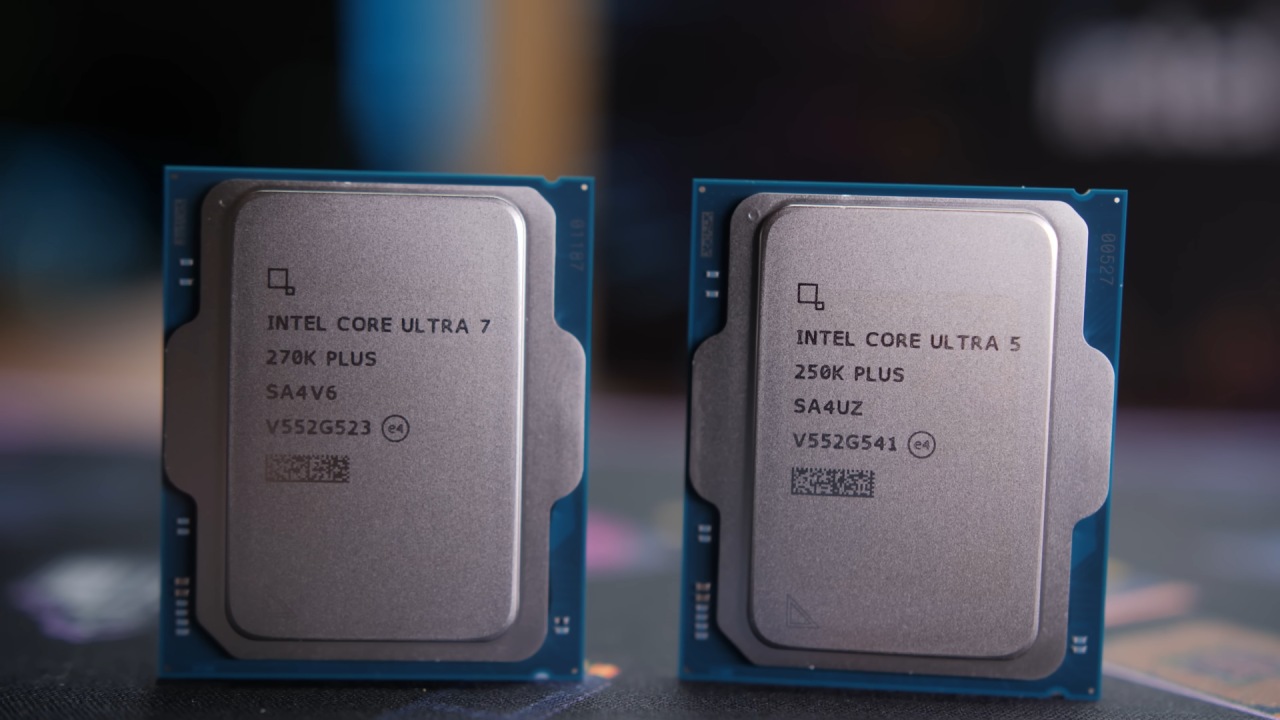
The Hidden Catch: Original Arrow Lake, Not Arrow Lake Refresh
The more important distinction appears in the memory specifications. The Core Ultra 7 260K supports DDR5-6400 memory, with configurations supporting up to 256 GB. That limitation separates it from Intel's newer Arrow Lake Refresh lineup, which introduces native DDR5-7200 support.
The difference isn't simply about higher memory bandwidth. Buyers choosing the 260K also miss out on Intel's Binary Optimization Tool, another feature associated with the refreshed processors.
This effectively confirms that the 260K belongs to the original Arrow Lake silicon family rather than representing a refreshed desktop design. Its slightly reduced clock speed and older memory support make its positioning considerably less exciting than the new model number initially suggests.
For gaming, DDR5-6400 is still perfectly capable, and the lack of DDR5-7200 support doesn't automatically make a system unsuitable. However, buyers paying premium prebuilt prices should know they are buying an older platform configuration rather than Intel's latest desktop refresh.
FAQ
Q. What is the Intel Core Ultra 7 260K?
A. The Intel Core Ultra 7 260K is a 20-core Arrow Lake desktop processor featuring 8 Performance cores, 12 Efficient cores, 30 MB of L3 cache, and a maximum P-core boost clock of 5.4 GHz.
Q. Where can you buy the Intel Core Ultra 7 260K?
A. The Core Ultra 7 260K is currently a Newegg-exclusive OEM processor available only inside the ABS Kaze II Aqua and ABS Flux II Aqua prebuilt gaming desktops.
Q. How is the Core Ultra 7 260K different from the Core Ultra 7 265K?
A. Both processors share the same 20-core configuration and 30 MB of L3 cache. The main difference is the 260K's 5.4 GHz maximum P-core boost, which is 100 MHz lower than the 265K's 5.5 GHz.
Q. Does the Intel Core Ultra 7 260K support DDR5-7200 memory?
A. No. The Core Ultra 7 260K supports DDR5-6400 memory, indicating that it uses original Arrow Lake silicon rather than the newer Arrow Lake Refresh platform.
Senior Editor, NoobFeed
Gaming Hardware Updates
No Data.