
AMD Loses Desktop CPU Market Share as Intel Reclaims 70% in Q3 2026
Intel's desktop CPU market share rebounds sharply as manufacturing shifts and AMD's growing AI ambitions reshape the global processor landscape.
Hardware by Tanvir Kabbo on Nov 14, 2026
Intel has delivered one of the most unexpected reversals in the desktop processor market this year, reclaiming more than 70% of global desktop CPU shipments in Q3 2026. After years of steady gains by AMD over its longstanding foe, the latest numbers from Mercury Research show a drastic shift in momentum.
Intel gained to 70.1% market share while AMD fell below the psychologically crucial 30% mark to 29.9%. But the tale behind this turnaround has surprisingly little to do with gaming statistics or a sudden shift in processor performance. Instead, the larger drivers seem to be manufacturing capacity, supply allocation, and the increasing profitability of AI infrastructure.
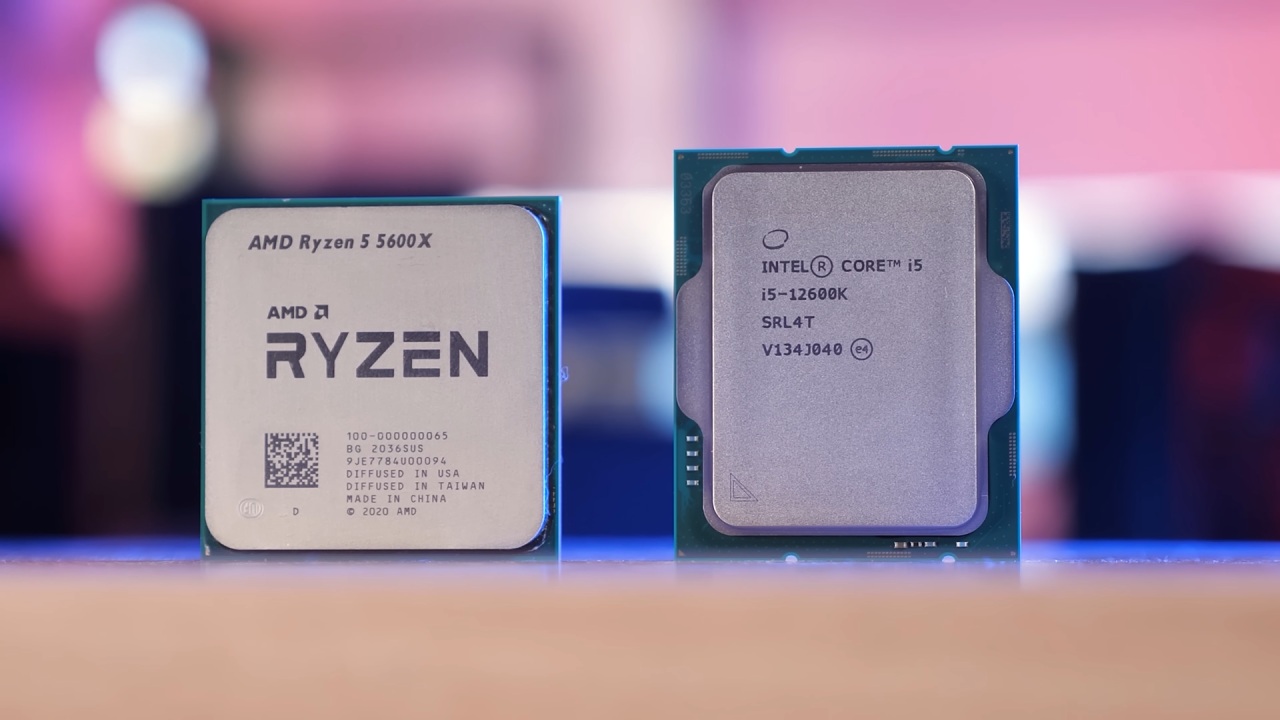
Intel's Q3 2026 Desktop CPU Comeback by the Numbers
Newly revealed Mercury Research data shows Intel gained 5.1 percentage points in the desktop CPU unit market in Q3 2026. Its standing grew from about 65.1% in Q2 to 70.1% in Q3. AMD, meanwhile, saw the opposite shift, losing five percentage points and plummeting from 34.9% to just 29.9% market share.
These numbers are for processors shipped, not income, not retail sales, and not how many CPUs are now installed in desktop PCs. However, the distinction matters because shipment share shows how many processors manufacturers are putting into the market, including those going to big PC manufacturers, system integrators, and retail distribution channels.
The year-over-year comparison also shows how uncertain 2026 has become. AMD's new position is a huge step back from its prior gains, as it owned a 33.6% share of the desktop unit market in Q3 2025. Intel's recovery, meanwhile, should not automatically be interpreted as a return to its former competitive dominance. The quarterly movement reflects changing supply conditions as much as consumer purchasing preferences.
Why Intel Suddenly Found More Desktop CPUs
The most convincing explanation for Intel's recovery is a change in manufacturing priorities. Mercury Research points toward weaker laptop demand as a possible reason Intel could redirect additional processor capacity toward desktop products.
Earlier in 2026, Intel had supply problems that limited its ability to meet desktop demand. However, as demand for laptop processors slowed, the corporation could redirect some of its available production capacity to desktop CPUs. This allowed Intel to refill distribution channels and keep delivering to its existing OEM partners and system integrators.
Timing was particularly good as demand for desktop processors typically gets a seasonal boost in the third quarter. Intel had more opportunities to serve a market where it already had strong relationships with major computer makers.
That's why PC builders should be wary of reading the recent figures as a win for Intel's gaming performance. AMD can still dominate individual gaming benchmarks and attract considerable enthusiast attention without necessarily shipping more processors across the entire global desktop market.

AMD is Chasing the Bigger AI Opportunity
AMD's declining desktop position has another important dimension: its increasingly aggressive focus on data center and AI infrastructure. The company's Q3 2026 financial results demonstrate why this strategy makes business sense.
AMD reported data center sales of $8.5 billion, a record and a stunning 97% year-over-year rise. With EPYC server processors and Instinct AI accelerators, revenue prospects are substantially larger than with standard consumer desktop processors alone.
AMD has admitted that some of its products are in demand faster than it can supply. Demand for manufacturing resources and advanced packaging capacity is high, and it makes good business sense to prioritize high-value data center products.
That doesn't mean AMD is giving up on Ryzen desktop CPUs, either. Its strategy increasingly reflects the economics of an industry where large AI infrastructure customers can generate substantial revenue from individual purchasing agreements.
The DIY Gaming Market is Facing Another Problem
The desktop market is also getting harder for enthusiasts as PC component prices rise. The ongoing memory shortage has driven up DRAM prices, raising the overall cost of building a gaming PC. And then there's GPU pricing and availability, which makes full system upgrades less enticing for budget-conscious builders.
AMD has historically had enthusiast support for its Ryzen processors, particularly from DIY builders who want competitive gaming performance and good value. But when consumers delay upgrades or opt for cheaper configurations, that retail-driven momentum is more difficult to sustain.
Another source of shipment volume comes from Intel's strong OEM and enterprise desktop distribution channels. These ties can help smooth processor delivery even if individual hobbyists grow more cautious about investing.
FAQ
Q. What was Intel's desktop CPU market share in Q3 2026?
A. Intel reached 70.1% desktop CPU unit market share in Q3 2026, gaining 5.1 percentage points compared to the previous quarter.
Q. Why did AMD's desktop CPU market share fall below 30%?
A. AMD's desktop CPU share dropped to 29.9%, partly because the company prioritized high-margin data center and AI products while struggling to meet consumer desktop demand.
Q. Did Intel regain desktop CPU dominance because of better gaming performance?
A. No. Intel's comeback was primarily driven by improved processor availability and reallocation of manufacturing capacity, not a sudden advantage in gaming performance.
Q. Can Intel maintain its 70% desktop CPU market share in 2027?
A. Intel's ability to maintain its lead will depend on consistent processor supply, OEM demand, and AMD's decisions regarding manufacturing capacity and consumer desktop products.
Senior Editor, NoobFeed
Gaming Hardware Updates
No Data.