
Intel vs. AMD: How Serpent Lake, Titan Lake, and Razer Lake Could Change the CPU Market
Intel and AMD continue reshaping the CPU landscape through architectural innovation, competitive roadmaps, and evolving manufacturing strategies.
Hardware by Tanvir Kabbo on Dec 23, 2025
Over the last couple of generations, many agree that AMD has generally been ahead of Intel. That is not to say that Intel has not released some good processors. The 265K is very popular with gamers, and the 285K is also impressive. But overall, AMD has made many very good bets early on. Zen 2 and the shift to chiplets, X3D V cache, and the continued evolution of the Zen architecture have all contributed to this.
With PC gaming becoming increasingly expensive, having strong competition is essential. A healthier ecosystem also depends on Intel's Foundry improving, as reliance on TSMC is not particularly healthy for the industry. Before getting into the newer architectures, it is important to understand the current refreshes and the upcoming generation.
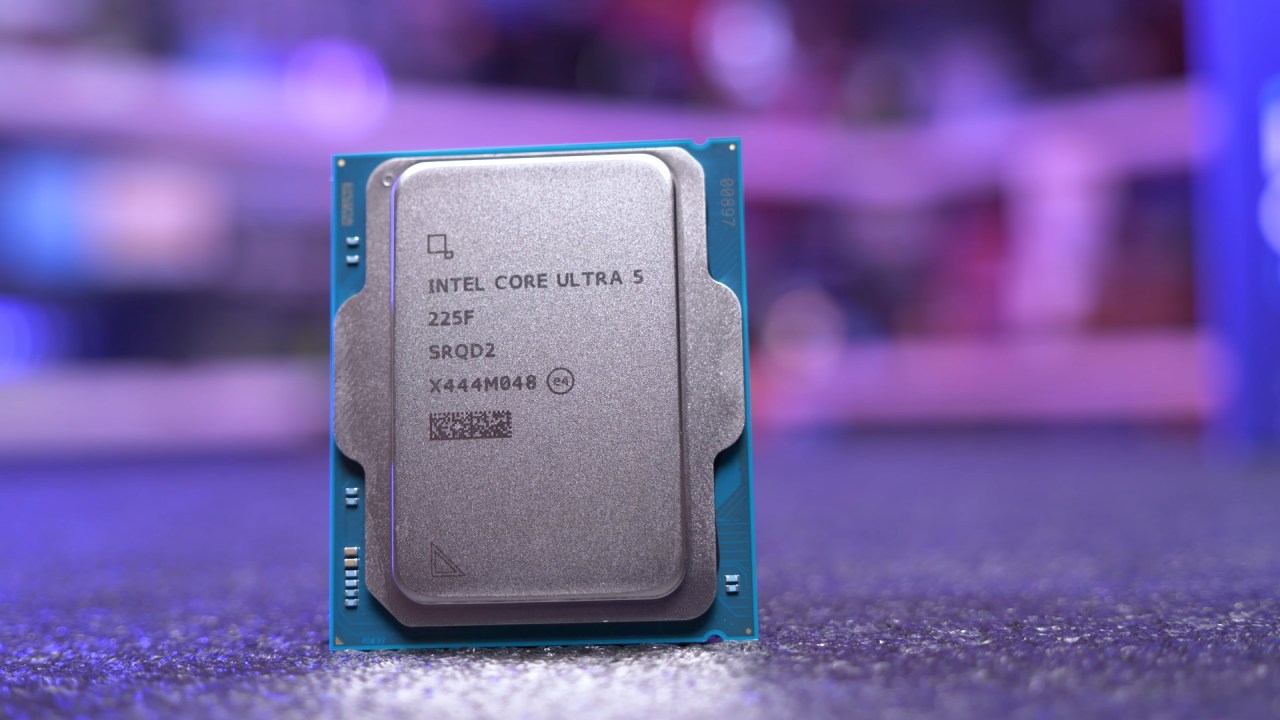
Refreshes from AMD and Intel
Given that we have not yet seen benchmarks, we do not expect the overall state of affairs to change dramatically. The architectures for both Zen5 and the Arrow Lake refreshes are basically identical, albeit with certain elements being pushed further.
Retailers have started confirming several processors, such as the 290K. Looking at the 270K, it is essentially the same as the 265K but with four extra E-cores. Intel is using several approaches to improve performance, including support for higher-speed memory up to 7200, higher clock frequencies on both P and E cores, and increased E-core counts in certain SKUs.
As for AMD, the company has confirmed the 9850X3D. This has appeared in drivers, and according to reports, it is essentially the 9800 but with slightly higher clock frequencies. The 9950X3D2 remains uncertain.
The 9850X3D uses a similar structure to its predecessor, while the 3D2 variant would include two CCDs benefiting from X3D Vcache. The exact benefit for gaming is unknown, but it should be very impressive for users with workloads that scale well.
Next Generation: Zen6 and Nova Lake
Zen6 and Nova Lake are extremely important for understanding what is coming. Hayes on Twitter has provided small updates regarding Nova S. The highest-end configuration features 16P cores, 32E cores, and 4LP cores using two compute tiles with BLLC. Each BLLC is 144MB, meaning dual configurations boast 288MB of additional cache, which is substantial.
A single tile variant also exists featuring 8P, 6E, and 4LP cores. Early information suggests that E-cores perform very well, while P-cores may see an IPC increase of at least 15%. However, this uplift may not apply to BLLC-based variants. As with any early information, benchmarks and targets are difficult to verify.
Dual-tile BLLC variants appear expensive. Previous mentions put them at $1,200–$1,500. They will also stay on dual-channel memory on mainstream platforms, which will limit PCIe lanes. They will help a lot of people, but they won't be able to replace HEDT systems for people who need more than one NVMe drive, more than one GPU, or very high memory bandwidth.
Zen 6 from AMD looks great, with rumors saying it will be 70% faster and more efficient. Medusa has 24 cores and 48 threads, and the altered internal units suggest significant architectural changes. Zen6 will still work with AM5, which makes upgrades easier than with Intel's Nova Lake, which switches to a whole new platform.
Intel Titan Lake and Razer Lake
Titan Lake has generated confusion, but our sources indicate that the original plan for Titan Lake to be a unified architecture has changed. Instead, Titan Lake is becoming an evolved version of Razer Lake.
Titan Lake will include an XE3P refresh iGPU with around 12 EUs or more, major SoC updates, LPDDR6 or LPDDR5X support, and a new NPU. It is similar to how Tiger Lake evolved rather than a radical reinvention. Titan Lake is designed mainly for mobile use.
Razer Lake itself is crucial to understand. Intel shifts goals frequently, but core configurations reportedly match Nova Lake: 16 Griffin P-cores, 32 Golden Eagle E-cores, and 4 LP cores. On performance, Intel targets healthy double-digit IPC gains for P-cores—around 15%—though clock speeds are unknown. Golden Eagle E-cores are the real stars, expected to provide significant percentage improvements.
Hammer Lake and Unified Core Design
Hammer Lake appears to be Intel's first unified core architecture. The release target is around 2029 or later. These processors are not even close to being ready for tape-out; they are still in the planning stages.
Teams that are currently working on E-core development will lead the hammer cores. Intel will still divide its products into groups, but the way it does this will be more like AMD's current strategy than the existing P-core/E-core split. Different products may have different instruction sets, feature libraries, and cache configurations (L1/L2 data sets). This approach is similar to AMD's Zen line, such as Zen5 and Zen5C.
Hyper-threading remains unclear. Some reports indicate it may be included in mainstream parts, but information remains uncertain. It seems more likely for server products based on Intel's earlier comments.

Serpent Lake: Intel and NVIDIA Collaboration
Intel and NVIDIA have officially disclosed that they are working together on products combining an Intel CPU and an NVIDIA GPU. The first product we have heard about is Serpent Lake.
Previously, Nova Lake AX was rumored to feature 8P cores, 16E cores, and a 384-EU XE3P iGPU. The current status of Nova AX is uncertain, but Serpent Lake appears to be in active development.
Reports say Serpent Lake is using an NVIDIA GPU based on a Reuben variant, likely manufactured on TSMC N3P. The CPU architecture will be based on Titan Lake, but we don't yet know how it will be configured.
AMD's Medusa Halo and Strix Halo are wonderful examples of high-performance APU-style products that work well in compact systems like mini PCs, notebooks, and maybe even portable gaming devices. This partnership could lead to interesting items and more competitive prices.
Some sources say memory prices will rise in the second half of 2026 or early 2027. By the time Zen6, Zen7, and architectures like Serpent Lake are released, pricing should theoretically be more competitive.
Also, check our other Intel chips articles:
- Intel Core Ultra 9 285K Review And Performance Breakdown (2025)
- Intel Core Ultra 9 285K vs AMD Ryzen 7 9800X3D: In-Depth Gaming Performance and Benchmark Comparison
- Intel Core i5-13400F Gaming Performance: Still Worth It in 2025?
- Intel Core i9‑14900K vs. AMD Ryzen 7 7800X3D: Power Profiles & Gaming Benchmarks
- Intel Core i9 14900K: Specs, Benchmarks, and Competitor Comparison
- Intel Core Ultra 7 265K Performance Breakdown: Efficiency, Gaming, Power Draw and Value Analysis
- Intel Core Ultra 9 285K's iGPU Gaming: In-Depth Benchmarks & Analysis
Senior Editor, NoobFeed
Gaming Hardware Updates
No Data.