
Intel Arrow Lake Refresh Specs Leak With Core Ultra 250K Plus and 270K Plus
Intel Core Ultra 200K Plus processors leak alongside major DirectX ray tracing optimization promising significant GPU performance improvements.
Hardware by Masaru Hoshino on Mar 05, 2026
New information about Intel’s upcoming processors and Microsoft’s latest graphics technology suggests that significant performance improvements could arrive in the near future. While some hardware updates are incremental, software advancements may deliver surprisingly large gains for gamers.
Recent leaks reveal additional details about Intel’s upcoming Core Ultra 200K Plus processors. These chips belong to the Arrow Lake refresh lineup rather than the next-generation Nova Lake architecture.
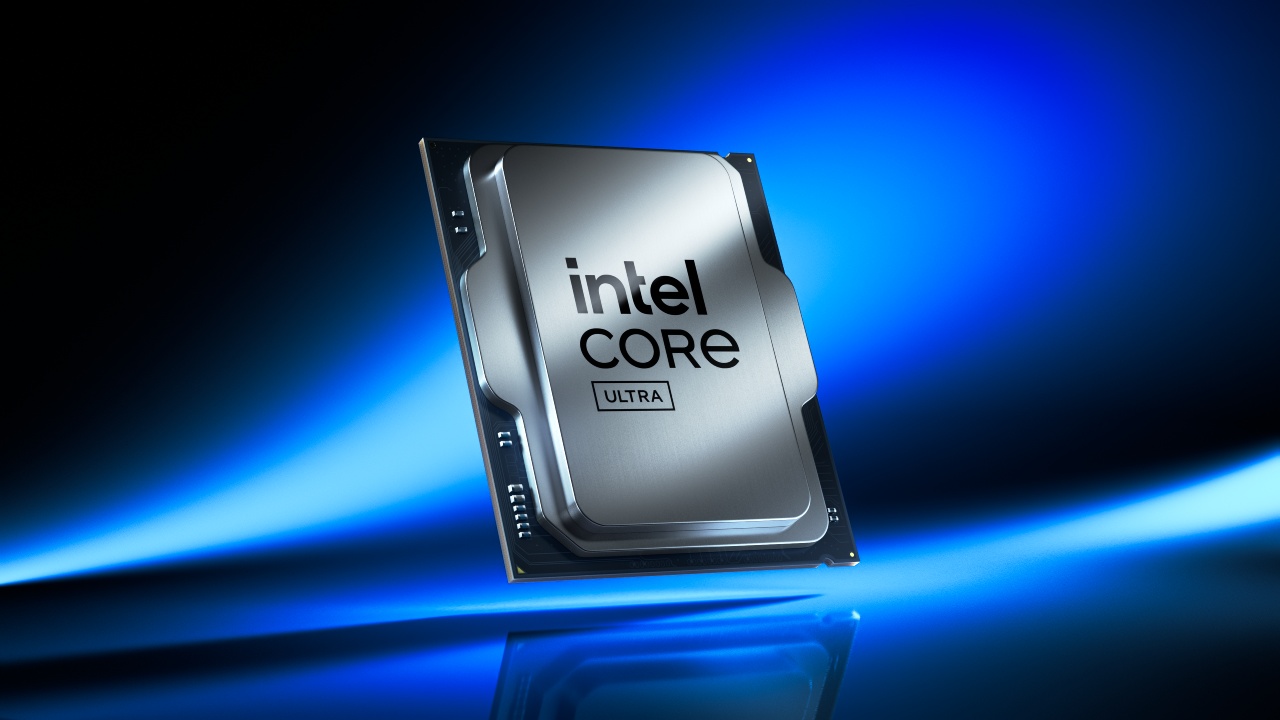
One notable change is the removal of the previously rumored Core Ultra 9 290K Plus processor. Instead, the refresh lineup will focus on two main models that could still offer strong performance depending on pricing.
Core Ultra 5 250K Plus Targets the Mid-Range Market
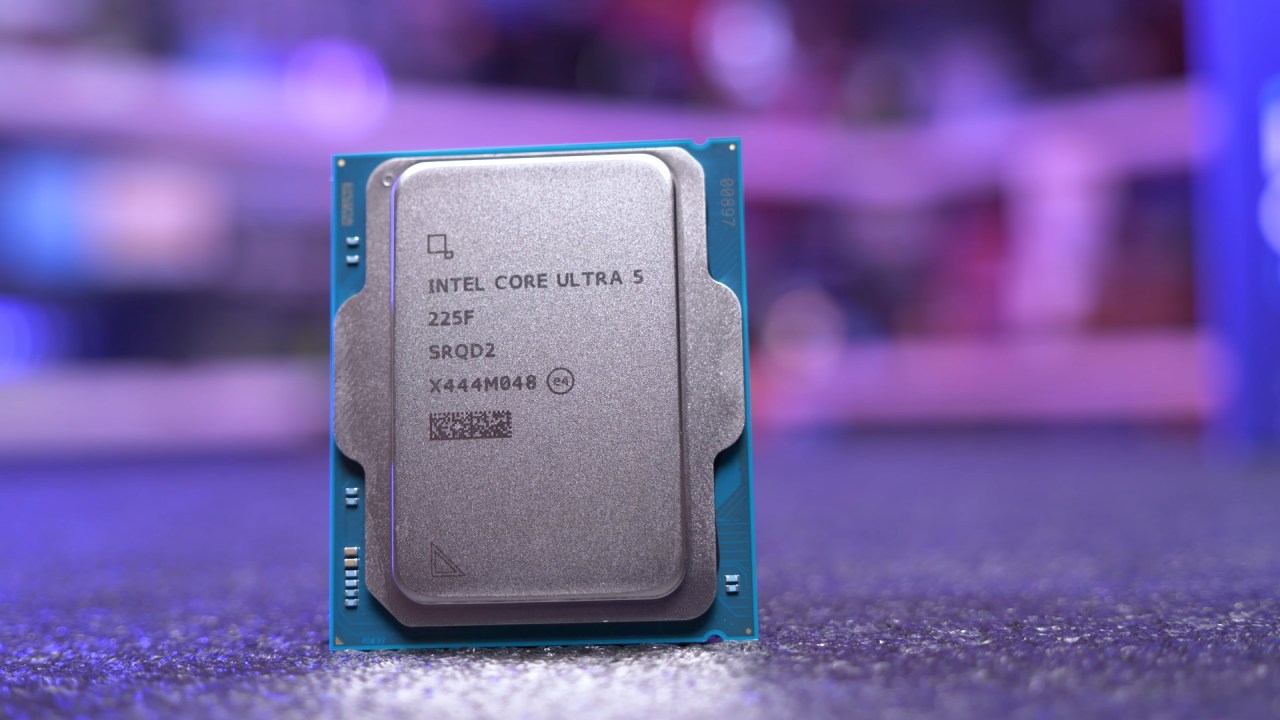
The first processor is the Core Ultra 5 250K Plus. According to the leaked specifications, the chip includes 6 performance cores and 12 efficiency cores. This configuration adds 4 extra efficiency cores compared to the 245K model.
Clock speeds have also been adjusted slightly. The processor reportedly includes a 100MHz higher turbo clock on both core types. The performance core base clock remains unchanged, while the efficiency core base clock is reduced by 100MHz.
Memory support reaches up to 7200MT/s, and the processor maintains the same TDP as the 245K. If Intel launches the chip at a similar price point, it could become an attractive option for mid-range desktop systems.
Core Ultra 7 270K Plus Offers Minor Clock Adjustments
The second processor is the Core Ultra 7 270K Plus. This model reportedly includes the same number of cores as the 285K but features slightly different clock speeds. The TDP remains consistent with both the 265K and 285K processors.
These refreshed processors are expected to be announced on March 11. Review embargoes are likely to lift around March 23, which may also coincide with the official release window. Ultimately, the success of these processors will depend heavily on how Intel chooses to price them against competing CPUs.
DirectX SER Could Transform Ray Tracing Performance
While CPU updates are important, a major software breakthrough from Microsoft may have an even larger impact on gaming performance. The company recently demonstrated a new technology designed to improve ray tracing efficiency within DirectX.
The technology is called Shader Execution Reordering, commonly abbreviated as SER. It is designed to optimize how GPUs handle ray tracing workloads.
Ray tracing calculations involve large numbers of complex shader operations that are often processed inefficiently. SER allows the game engine to provide hints to the GPU so it can reorder shader execution more effectively. By grouping similar workloads together, the GPU can process tasks in a more parallel and efficient way.
Early Tests Show Massive Performance Gains on Modern GPUs
Microsoft demonstrated the technology using a technical demo, and the results were impressive. When running on an NVIDIA GeForce RTX 4090, the demo showed a performance increase of up to 40% in FPS. Intel’s Arc B-series GPUs reportedly achieved improvements as high as 90%.
These gains were achieved purely through improved workload management. The technology does not rely on upscaling techniques or frame generation systems.
Since the results come from a technical demonstration rather than a commercial game, real-world gains may be lower. Even so, a consistent improvement of around 20% would still represent a massive boost for ray tracing performance.
Game makers need to add support for SER, which means that existing games might not instantly get the benefits of the technology. But future games that use newer DirectX pipelines will probably include the capability.
As more developers start using the technique, AMD, NVIDIA, and Intel GPUs might all get better performance without needing new hardware. For gamers, this type of software optimization could significantly improve the performance of ray-traced games in the coming years.
Also, check our other hardware articles:
- AMD Ryzen 9 9950X3D Review: Setting The Standard For 2025 Gaming CPU
- Amazon Luna 2025 Review: Is Prime Gaming's Cloud Service Your Go-To For Casual Fun?
- AMD RX 9070 XT Review: AMD's RDNA 4 Champion for 1440p Gaming
- GeForce Now Ultimate: Ditching Your Gaming PC For Cloud RTX 4080 Power?
- NVIDIA GeForce RTX 5080 Review (2025): Still A 4K Gaming Powerhouse?
- Intel Core Ultra 9 285K Review And Performance Breakdown (2025)
- AMD Ryzen 7 9800X3D Review: 3D V-Cache Goes God Mode with Stunning Gaming Performance
- Intel Core Ultra 9 285K vs AMD Ryzen 7 9800X3D: In-Depth Gaming Performance and Benchmark Comparison
- NVIDIA GeForce RTX 5080 Super Performance In Cyberpunk 2077: Path Tracing & DLSS 4.0 Tested
- AMD Radeon RX 9070 XT In Cyberpunk 2077: Ray Tracing & FSR 4.0 Tested
- Intel Arc B580 Review: The $250 GPU Revolutionizing 1440p Gaming
- Intel Arc B570 Vs. B580: Value, Specs, And Real-World Gaming Performance
- RTX 5090 Laptop Vs. M4 Max MacBook Pro: Ultimate Raw Performance Vs. Battery Endurance
- Intel Arc b580 Vs. RTX 4060: Game Performance And Value Analysis
- RTX5090 Hell Is Us Demo 4K Ultra Benchmark: DLSS Vs. Native Performance Guide
- NVIDIA RTX 5070 Review: Mid-Range Muscle or Marketing Hype?
- Nintendo Switch 2 Review: Handheld Performance, Features & Value Breakdown
- RTX 5070 Ti Review: Performance, Thermals & Power Efficiency Tested
- Samsung Odyssey OLED G81SF Review 2025: Ultimate 32-Inch QD-OLED Gaming Monitor
- AMD RX 9070 Performance Review: Thermals, Clocks, and Real-World FPS
- AMD Ryzen 5 7600 Review: Best Budget Gaming CPU of 2025?
- AMD Radeon RX 7800 XT Review: RDNA 3 Power For Midrange Gaming
- Asus ROG RTX 5090 Astral OC Vs. Founders Edition: The 4K Gaming Benchmark
Editor, NoobFeed
Gaming Hardware Updates
No Data.