
GeForce RTX 5060 Ti 16GB Climbs From $429 to $800 as Memory Prices Surge
NVIDIA’s GeForce RTX 5060 Ti 16GB exposes the growing disconnect between mainstream GPU pricing and traditional consumer expectations.
Hardware by Masaru Hoshino on Aug 17, 2026
The standard cheap gaming PC has gotten to a very unpleasant place. A standard graphics card has an MSRP of $429, and the median price on Newegg is currently hovering around $805. That's a whopping 39% increase in just two months. Some custom models are approaching $1,000, transforming what was supposed to be a sensible 60-class purchase into a luxury component.
For mainstream PC builders, this is more than another unpleasant GPU price adjustment. It represents the collapse of the value proposition that has historically made the mid-range graphics market so important. The RTX 5060 Ti 16GB was never designed to sit in an $800 price bracket. Yet, market conditions are pushing it into territory once reserved for considerably more powerful hardware.
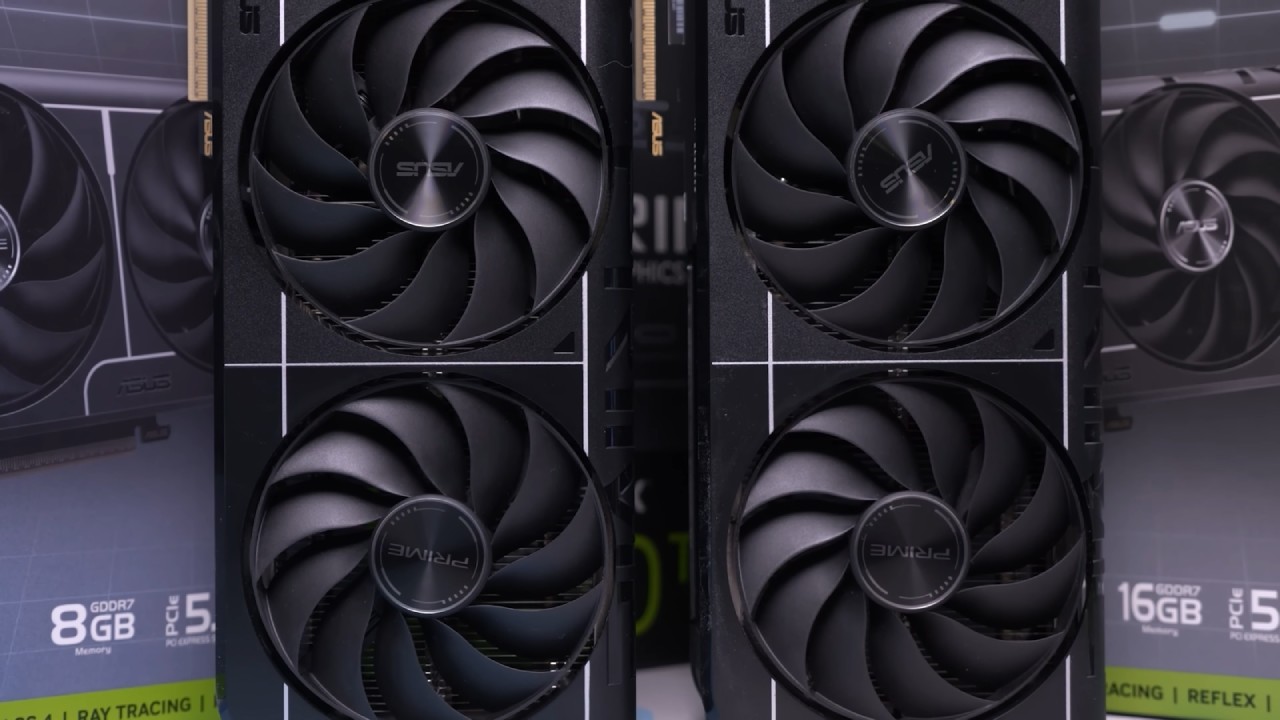
The situation becomes even harder to justify when the RTX 5070 has reached a median price of $899.99, a 36% increase from its June price. The gap between mainstream and high-end graphics hardware is narrowing in the worst possible direction, leaving consumers with fewer genuinely affordable upgrade paths.
The Memory Bundle Squeeze
The immediate pressure point is memory. NVIDIA's RTX 50-series uses GDDR7 on Blackwell, and the broader memory industry is experiencing a supply squeeze as manufacturers prioritize increasingly lucrative AI and data-center workloads.
The problem is not simply that individual memory chips have become more expensive. The entire allocation structure is changing. Manufacturers are directing substantial production capacity toward server DRAM and high-bandwidth memory. In contrast, consumer-oriented memory competes for increasingly constrained manufacturing resources. TrendForce expects server DRAM prices to rise sharply in the third quarter of 2026 and says AI-driven demand will continue to outpace supply expansion.
That pressure eventually reaches graphics cards through NVIDIA's board-partner ecosystem. Reports indicate that NVIDIA has increased the cost of GPU memory kits supplied to AIB manufacturers, including configurations using both GDDR6 and GDDR7. ASUS, MSI, GIGABYTE, and other board partners therefore face higher component costs before their cards even reach retailers.
For consumers, the economics are brutally simple. If the cost of the GPU package and its memory rises substantially, AIB manufacturers have limited room to absorb the increase. Margins on mainstream graphics cards aren't large enough to absorb major component inflation indefinitely, so the extra cost eventually passes downstream to retail pricing.
This is why the current price explosion cannot be dismissed as ordinary retailer gouging. Retailers can certainly contribute to individual listings, but the broader pattern points toward a supply-chain problem that is raising the underlying cost of producing the hardware.
Why the 16GB RTX 5060 Ti is Getting Hit So Hard
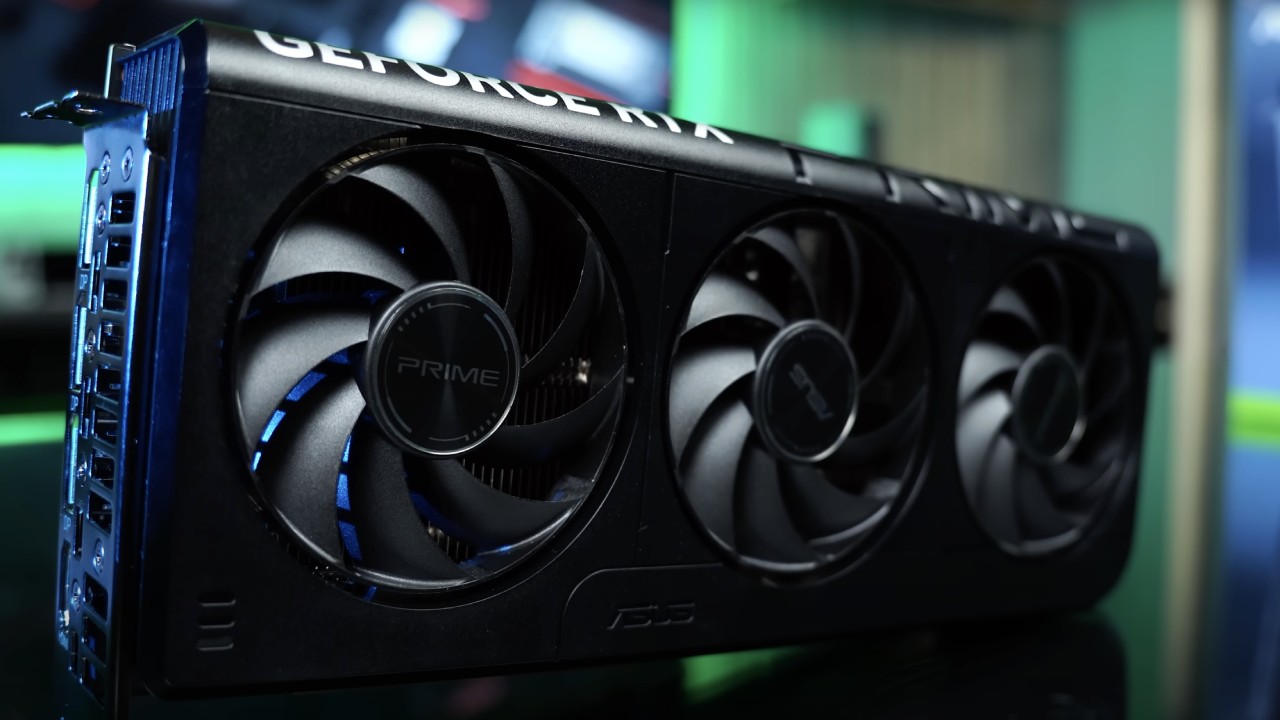
The RTX 5060 Ti 16GB sits at an unfortunate intersection of two major trends. First, consumers increasingly want more VRAM. Modern games are becoming more demanding, particularly when high-resolution textures, ray tracing, and frame-generation technologies are enabled. The 16GB configuration therefore represents the version many buyers would naturally prefer for a new gaming PC intended to last several years.
Second, memory itself has become one of the most strategically valuable resources in the semiconductor industry. That makes the 16GB model particularly vulnerable when memory costs rise. An 8GB graphics card requires substantially less memory than a 16GB configuration. At the same time, the latter must carry twice the VRAM allocation.
When memory pricing becomes a major part of the board's cost, higher-capacity models inevitably become more exposed. The result is an especially painful situation for buyers. The 16GB RTX 5060 Ti is arguably the more sensible long-term configuration. Yet the market is attaching an enormous premium to that extra capacity.
The contrast is striking. The card launched at $429, but a median price around $805 means consumers are effectively paying almost twice the original MSRP for the same basic product category. At that point, the question is no longer whether the 16GB model represents good value compared with the 8GB version. The bigger question is whether either version belongs anywhere near this price bracket.
The Mid-Range Is Being Erased
The GPU market once had a fairly predictable hierarchy. Entry-level cards served inexpensive systems, 60-class products represented the mainstream, and 70-class and 80-class cards progressively targeted enthusiasts. That hierarchy is becoming increasingly difficult to recognize.
An $800 RTX 5060 Ti 16GB is particularly absurd because the 60-class designation historically signaled a product aimed at ordinary gaming PCs rather than premium builds. At this price, consumers are being pushed into spending territory that previously bought substantially more powerful hardware.
The RTX 5070 demonstrates the same problem from another angle. Its median price has climbed to $899.99, meaning the supposedly mainstream 70-class segment is approaching four figures.
This destroys one of PC gaming's most important advantages: building a capable machine around a carefully chosen mid-range GPU. When a 60-class card costs $800, and a 70-class card approaches $900, the performance hierarchy may remain intact, but the value hierarchy has collapsed.
AMD Cannot Escape the Memory Problem
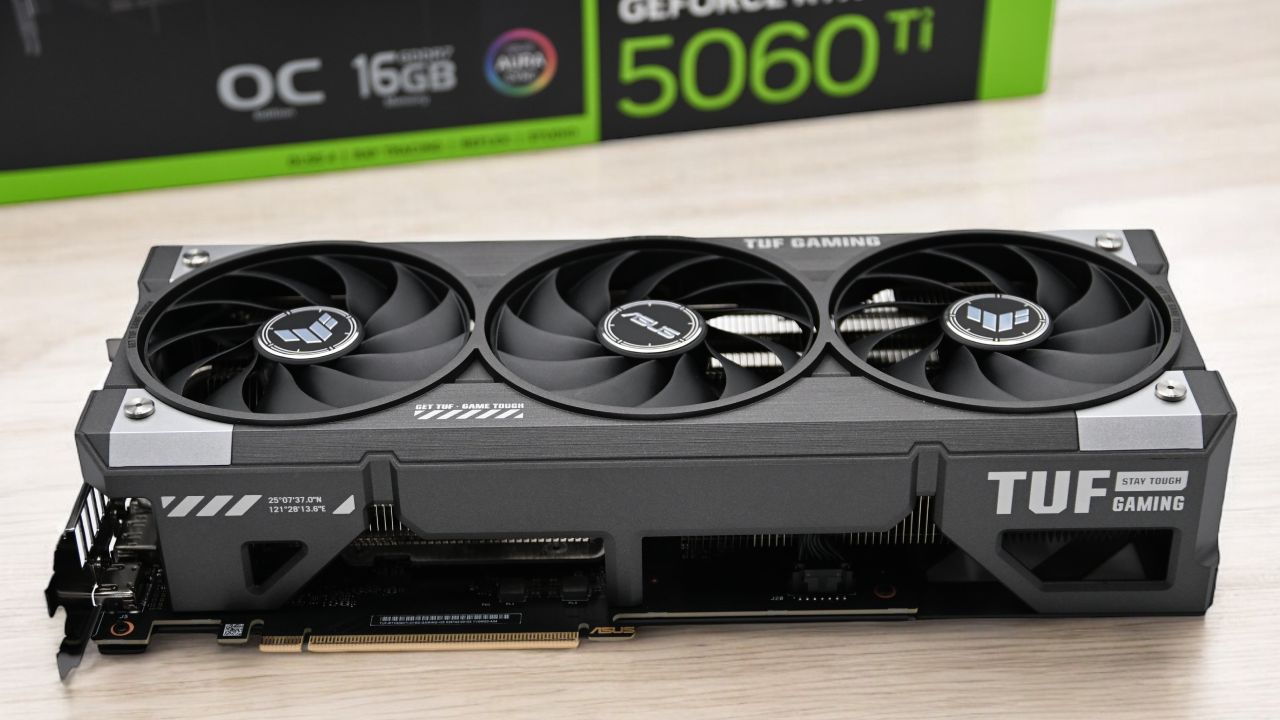
AMD currently has a more attractive position in this market. Still, it is not immune to the forces driving NVIDIA's prices upward. The Radeon RX 9060 XT 16GB launched with an MSRP of $349, substantially below the RTX 5060 Ti 16GB's $429 starting point. Current market tracking has shown the Radeon maintaining a meaningful price advantage, making it one of the more compelling mainstream 16GB options.
However, that advantage should not be confused with immunity. AMD still has to purchase memory and manufacture boards within the same broader semiconductor ecosystem. If memory suppliers keep raising prices and capacity remains concentrated around AI infrastructure, AMD's production costs will also come under pressure.
The RX 9060 XT 16GB has already seen price inflation in various areas, showing how quickly memory and component costs can affect a card positioned as a mainstream choice.
That means the RTX 5060 Ti crisis could become an industry-wide warning. If NVIDIA's pricing establishes a significantly higher market floor for 16GB mainstream GPUs, AMD could face pressure to raise its own prices without necessarily improving performance.
Editor, NoobFeed
Gaming Hardware Updates
No Data.