
Samsung, SK Hynix, and Micron Sued as DRAM Prices Surge 700% in Class Action Lawsuit
Consumers have absorbed inflated DRAM costs while the three manufacturers avoided competing against each other to capture rising demand.
Hardware by Shinji Okazaki on Jul 02, 2026
RAM prices have climbed to levels that feel disconnected from reality, and a new class action lawsuit claims there is a reason behind the chaos beyond simple supply and demand. The three companies that control almost the entire global supply of DRAM are now accused of coordinating to restrict supply and inflate prices, a practice being referred to online as RAMageddon.
The claim, first reported by Law360 and covered in detail by Video Games Chronicle, points to Samsung, SK Hynix, and Micron as the source of the memory crisis currently affecting everything from gaming consoles to custom PC builds.
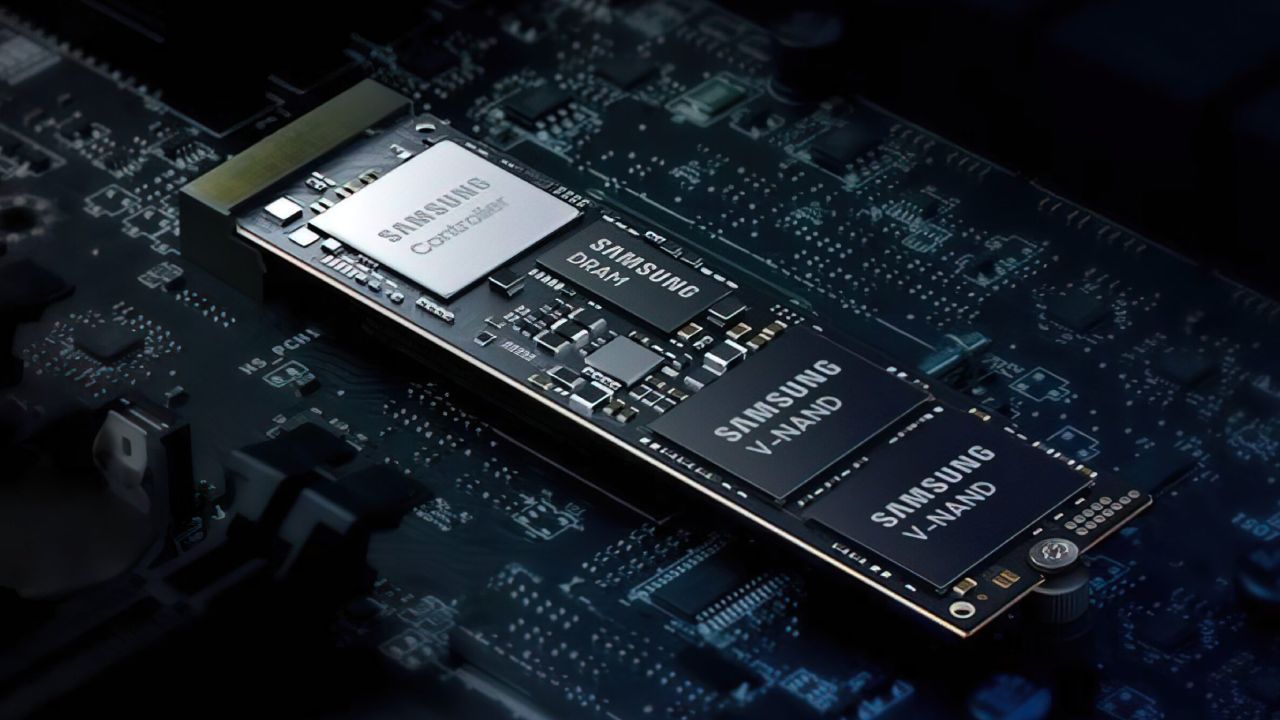
The Allegations Against the DRAM Oligopoly
A proposed class of individual and business consumers has filed a lawsuit accusing Samsung, SK Hynix, and Micron of playing a central role in the current memory shortage. The complaint alleges that the three companies, which together manufacture nearly all of the world's DRAM supply, worked together to fix component prices while simultaneously reducing output.
We have already seen how this situation is shaping expectations around the PlayStation 6 and the next-generation Xbox, and it explains the price increases already rolled out by Xbox, PlayStation, and even Nintendo. RAM and component costs sit at the root of nearly all of it.
According to the complaint, the three companies referred to as the DRAM oligopolists simultaneously cut production, coordinated a pivot toward HBM, and exited DDR3 and DDR4 production, all while conventional DRAM supply tightened and prices rose at what the filing describes as a startling pace.
DDR3 and DDR4 are not even current-generation memory, since the industry has moved on to DDR5 and beyond, yet you still cannot find the older standards at a reasonable price.
The lawsuit argues that as DRAM shortages pushed prices upward, Samsung, SK Hynix, and Micron continued squeezing conventional DRAM supply while publicly redirecting resources toward the less profitable per-die HBM market and, in some cases, abandoning conventional DRAM supply channels entirely.
That is a significant claim on its own, but one piece of evidence lends it some weight. When Valve launched the Steam Machine, the lowest-tier model launched at above $1,040. Valve has stated that RAM manufacturers set prices, and if Valve declines, the manufacturers simply refuse to work with Valve again. Even a company as large as Valve cannot negotiate a better RAM rate.
How the Alleged Scheme is Playing Out
The complaint states that the plan has worked as intended, with consumers who purchase conventional DRAM and devices that use it paying inflated prices while suffering the effects of a market distorted by the group's behavior. The practical result is that when the three existing firms restrict supply, no outside company can expand output and undercut them. We have already seen smaller companies shut down entirely under these conditions.
In a genuinely competitive market, prices climbing at this rate should pull supply toward the product, since at least one of the three companies would be expected to ramp up output to capture that opportunity and force its competitors to match it or lose customers, according to the lawsuit. That never happened.
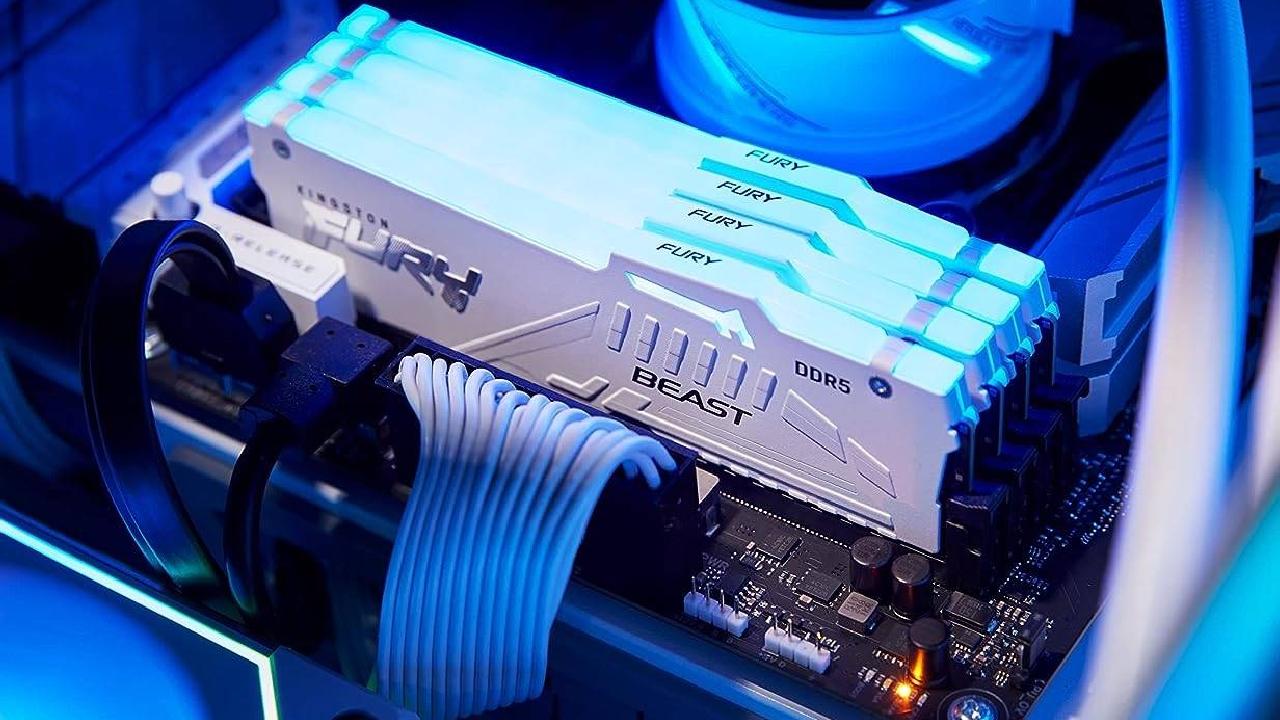
Instead, all three companies appear to have scaled back production simultaneously rather than compete for the growing demand. The filing also addresses why no outside company can step in to challenge the trio.
It states that the process for reliably manufacturing memory chips involves decades of accumulated trade secrets, and that US export controls prevent other manufacturers from acquiring current-generation equipment.
This is Not the First Time
Perhaps the most striking detail in the lawsuit is that this would not be the first instance of price fixing among these companies. The filing notes that Samsung, SK Hynix, and Micron were previously found guilty of fixing DRAM prices.
Back in 2005, Samsung agreed to plead guilty and pay a $300 million fine for what the US Department of Justice described at the time as an intentional conspiracy to fix prices in the DRAM market.
SK Hynix also pleaded guilty and was fined $185 million, while Micron reportedly avoided a fine by self-reporting the conduct and cooperating with prosecutors. In other words, Micron cooperated with authorities against the other two companies in 2005, yet the current lawsuit alleges all three are working together again.
The base Xbox Series X has already increased in price by $150 since launch.
PlayStation 5 and PlayStation 5 Pro sit around $800 to $900, which currently looks like a comparatively reasonable price given everything else happening in the market. Some analysts and industry watchers are warning that anyone hoping to play Grand Theft Auto 6 at launch should secure a console well in advance, since manufacturers are expected to produce fewer units as the release approaches.
Building your own PC right now is not a way around the problem either. Even used DDR5 CL30 memory currently sells above MSRP, and assembling a rig that comes close to matching a PlayStation 5 Pro in specs currently costs more than the console itself, often close to $1,000 just in components.
Whether or not the courts find merit in the class action, the lawsuit puts a spotlight on a memory market that has already reshaped pricing across the entire gaming and PC hardware industry, and the outcome could influence how DRAM manufacturers operate going forward.
Editor, NoobFeed
Gaming Hardware Updates
No Data.