
Nvidia 70-Class GPUs Compared: RTX 2070 vs RTX 3070 vs RTX 4070 vs RTX 5070
Tracing the Evolution of Nvidia’s Most Popular GPU Class from Early Ray Tracing to Modern AI-Driven Rendering
Hardware by Tanisha Aria on Jan 31, 2026
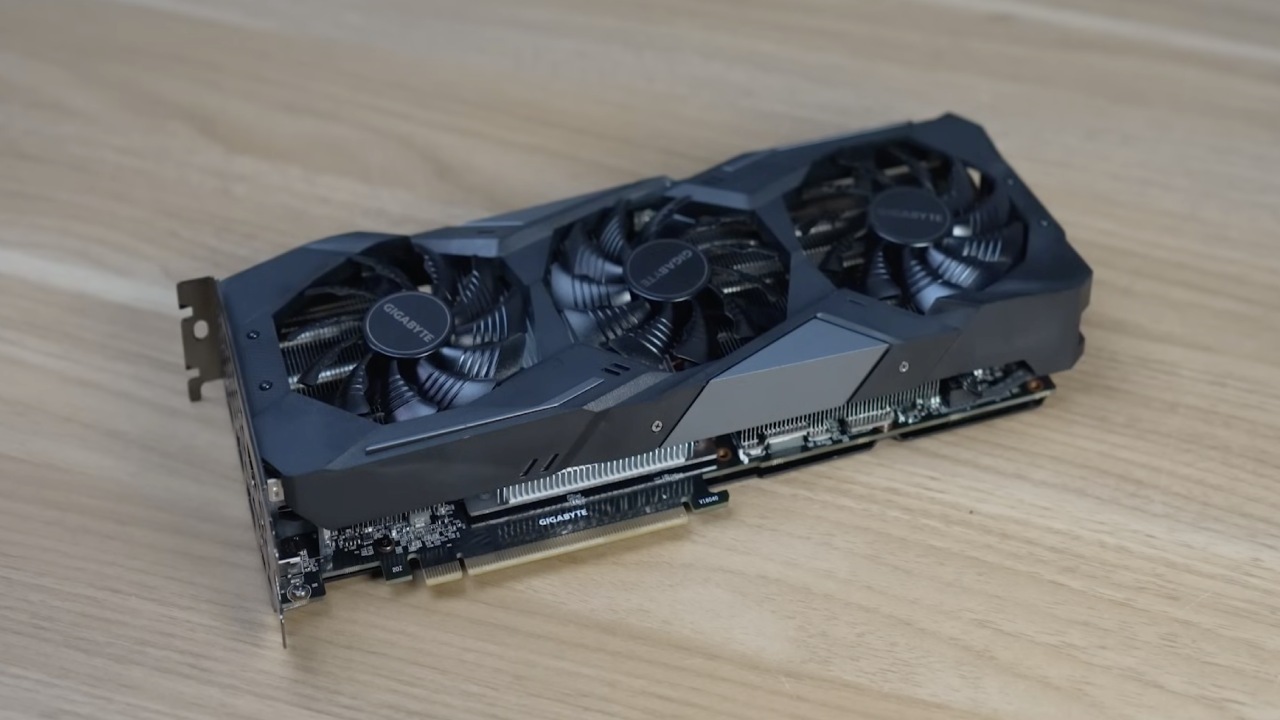
One of the most famous and long-lasting parts of Nvidia's GPU lineup has long been the 70-class graphics card. From the 2018 release of the RTX 2070 to the present day RTX 5070, this class offers a stable price range.
It shows how performance, rendering methods, and display technology have changed over the past seven years. By looking only at non-Ti 70-class models, it's easier to see how performance has changed in the real world in a pretty stable market, which is helpful for people who want to upgrade from older hardware.
Why the 70-Class Matters for Long-Term GPU Buyers
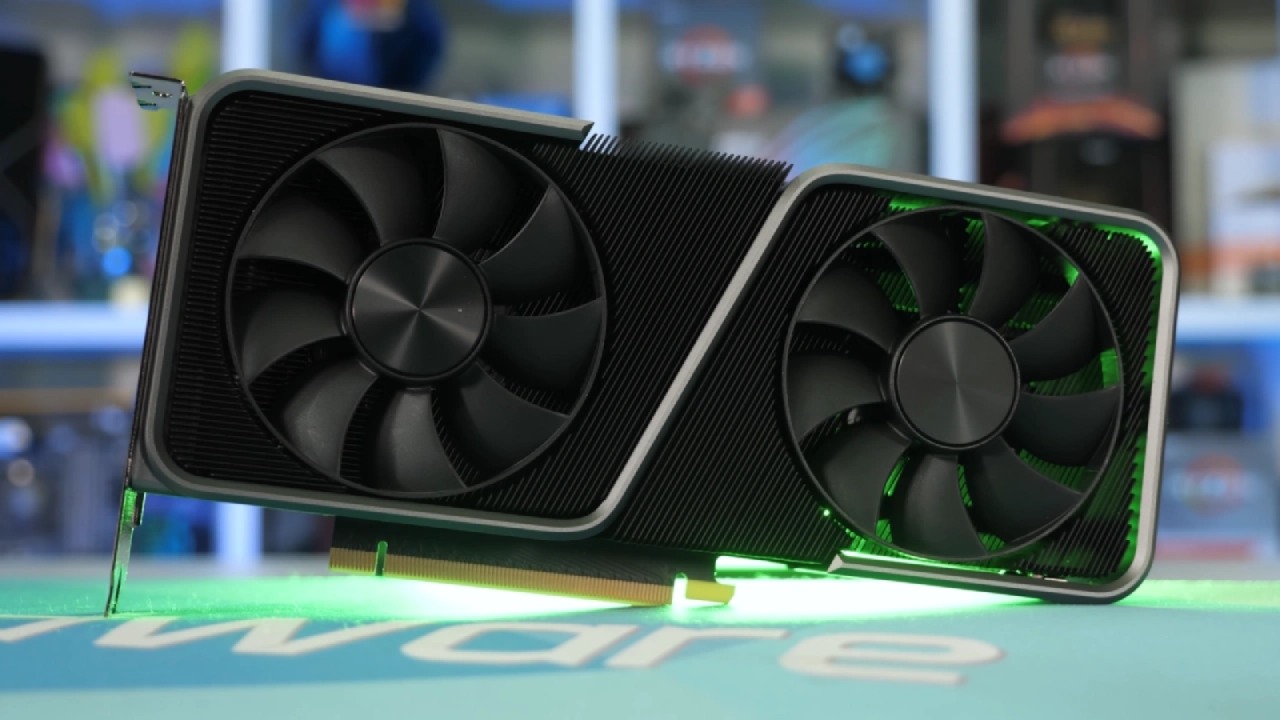
When upgrading their GPUs, people tend to stay at the same speed or price level. The 70-class fits right in with this trend. In the past, base prices have been around $500 to $600, which makes it a good point of comparison for figuring out how much each group has gained.
Over time, speed has improved not only through more powerful rasterization but also through machine learning, process node efficiency, and rendering pipelines. Although faster speeds are important, the way games are produced and shown has changed even more significantly.
Role of Cooling, Design, and Consistency in Testing
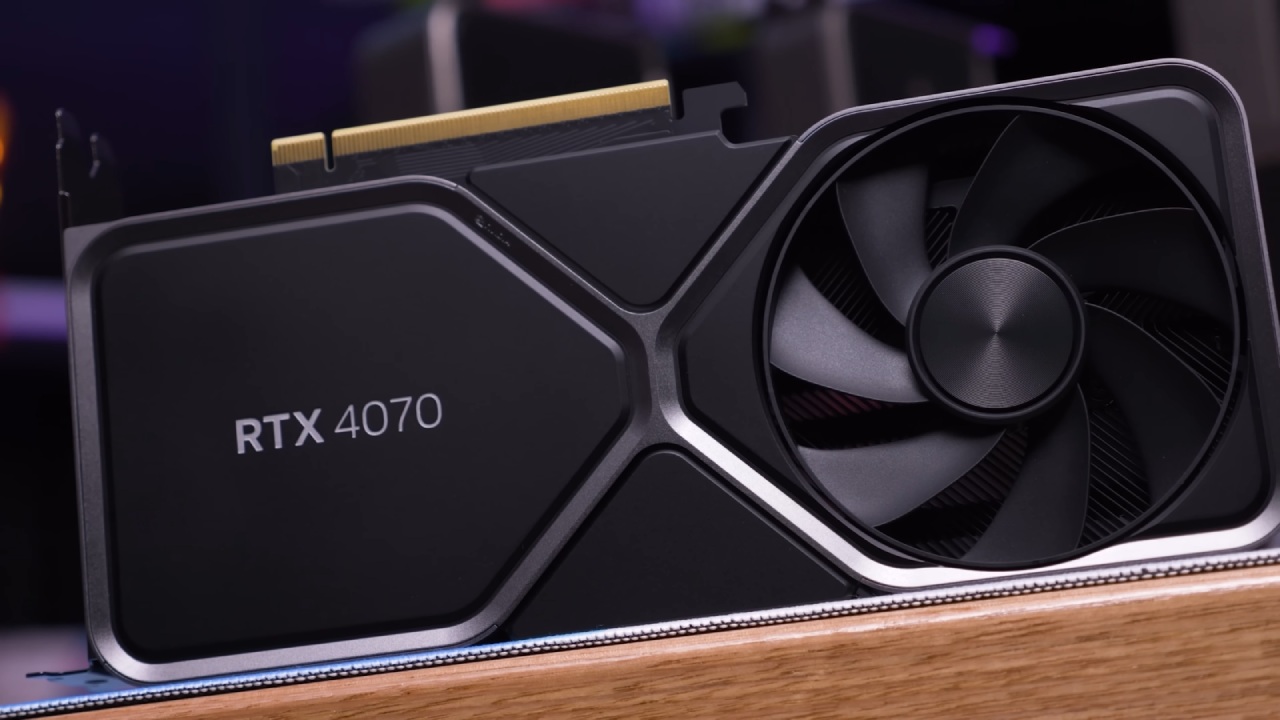
Most of the cards we looked at were from the Asus TUF Gaming line, which was chosen for its good mix of strong cooling, overclocking support, and two BIOS options. The RTX 3070, RTX 4070, and RTX 5070 are all TUF Gaming models.
The RTX 2070, on the other hand, is a Strix model because there wasn't a TUF version available at the time. This keeps the focus on architectural changes while making sure that generations have similar thermal and power characteristics.
How 1440p Gaming and Displays Have Evolved
In the past, the 70-class has been linked to 1440p gaming, and that link has grown stronger as monitor technology has improved. It is now common to find 1440p panels with a high refresh rate that don't cost much. Some displays can reach up to 360Hz and have advanced motion clarity enhancements.
These newer screens put much more stress on GPUs, not just on frame rate but also on latency and frame pacing. Newer designs, especially the RTX 4070 and RTX 5070, are much better at meeting these needs because they are more efficient and can accelerate machine learning.
Baseline Performance from RTX 2070 to RTX 5070
The system has come a long way, as evidenced by how well demanding games run in native 1440p. In Cyberpunk 2077 at 1440p with ray tracing enabled, the RTX 5070 is faster than the RTX 2070 by more than 3x.
The improvement over the RTX 3070 is about 68%, and the RTX 5070 still has a 20% advantage over the RTX 4070. Moving to a 4nm process node is a big part of this because it enables faster sustained clock speeds and better power efficiency.
Optimized Settings and Real-World Use Cases
Pure benchmarks are a good way to compare things, but they don't always show how GPUs are actually used. When playing in the real world, optimized settings are much closer to what you'd experience, especially on newer hardware that supports advanced upscaling and frame generation technologies.
Instead of using presets that are too high, optimized configurations find a good balance between speed and visual quality. This lets modern GPUs use features like DLSS Super Resolution and frame generation more effectively without incurring excessive latency.
Assassin's Creed: Shadows and Modern Rendering Techniques
With Ubisoft's custom micro-geometry system and ray-traced global lighting, Assassin's Creed Shadows represents a significant step forward in rendering complexity. The RTX 2070 averages just over 31 fps at 1440p with DLSS Balance mode on and ray tracing enabled, while the RTX 5070 averages almost 78 fps.
The RTX 3070 still works pretty well, but the RTX 5070 is about 61% faster. When multi-frame generation is enabled, the experience improves significantly, pushing frame rates well into high-refresh territory without noticeably increasing latency.
Frame Generation, Latency, and the Importance of Reflex
Frame generation changes the way success should be judged in a big way. It raises the frame rate, but delay becomes the most important thing. Testing has shown that enabling Nvidia Reflex reduces PC latency significantly without affecting performance.
In some games, running frame generation with Reflex enabled has lower latency than running native graphics with Reflex disabled. This shows how important Reflex has become for current GPU use, especially as frame generation goes from 2x to 4x multi-frame generation on newer hardware.
Battlefield 6 and High Refresh Rate Scalability
Battlefield 6 is designed to work with a wide range of hardware, and it prioritizes high frame rates over cutting-edge modeling features. The RTX 2070 gets about 60 fps on average at 1440p, the RTX 3070 gets close to 100 fps, and the RTX 5070 gets very close to 150 fps.
When frame generation is enabled, the RTX 5070 can exceed 340 fps while maintaining latency levels similar to those of lower-tier setups. This shows how modern GPU features and settings can unlock extreme performance on high-refresh displays.
Unreal Engine 5 Performance in Expedition33 Clair Obscur
Expedition33 Clair Obscur shows how well-optimized Unreal Engine5 games can run when Nanite geometry, Lumen global lighting, and virtual shadow maps are used correctly.
When using DLSS Balance mode at 1440p, the RTX 2070 averages just under 50 fps, the RTX 3070 gets around 70 fps, and the RTX 5070 goes over 110 fps. Even with frame generation enabled, latency remains very low. This supports the idea that frame generation can be "free" when Reflex is on.
Path Tracing Pushes the Limits in Doom: The Dark Ages
Path tracking is one of the hardest tasks to accomplish today. Doom: The Dark Ages shows that older architectures struggle, but the RTX 5070 can deliver playable performance at 1440p when DLSS Performance mode is enabled.
The RTX 5070 is more than ten times faster than the RTX 2070 and almost six times faster than the RTX 3070 in extreme scenes. When frame generation is enabled, frame rates exceed 200 fps, and latency stays well below what is considered reasonable for responsive gaming.
Revisiting Cyberpunk2077 with Full Path Tracing
Cyberpunk 2077 is still a good example of how games should look today. The RTX 5070 works better than older models because it uses full path tracing and optimized rasterization settings. Frame generation makes the experience much better.
It lets frame rates go above 160 fps while keeping latency the same as lower-tier setups that use fewer generated frames. The RTX 5070 shows that path tracing isn't just for high-end GPUs anymore, even in the hardest scenes, when the settings are right.
NVIDIA Reflex and Latency Perception
Testing across several games shows that Nvidia Reflex consistently reduces latency by a significant amount without affecting frame rate. Sometimes, turning on Reflex cuts the delay by more than 40ms.
When frame generation is enabled, latency is often lower than native rendering when Reflex is disabled. This really shows how important Reflex is for high-frame-rate experiences, especially as rendering processes become more complex.
Final Thoughts on the RTX 2070 to RTX 5070 Upgrade Path
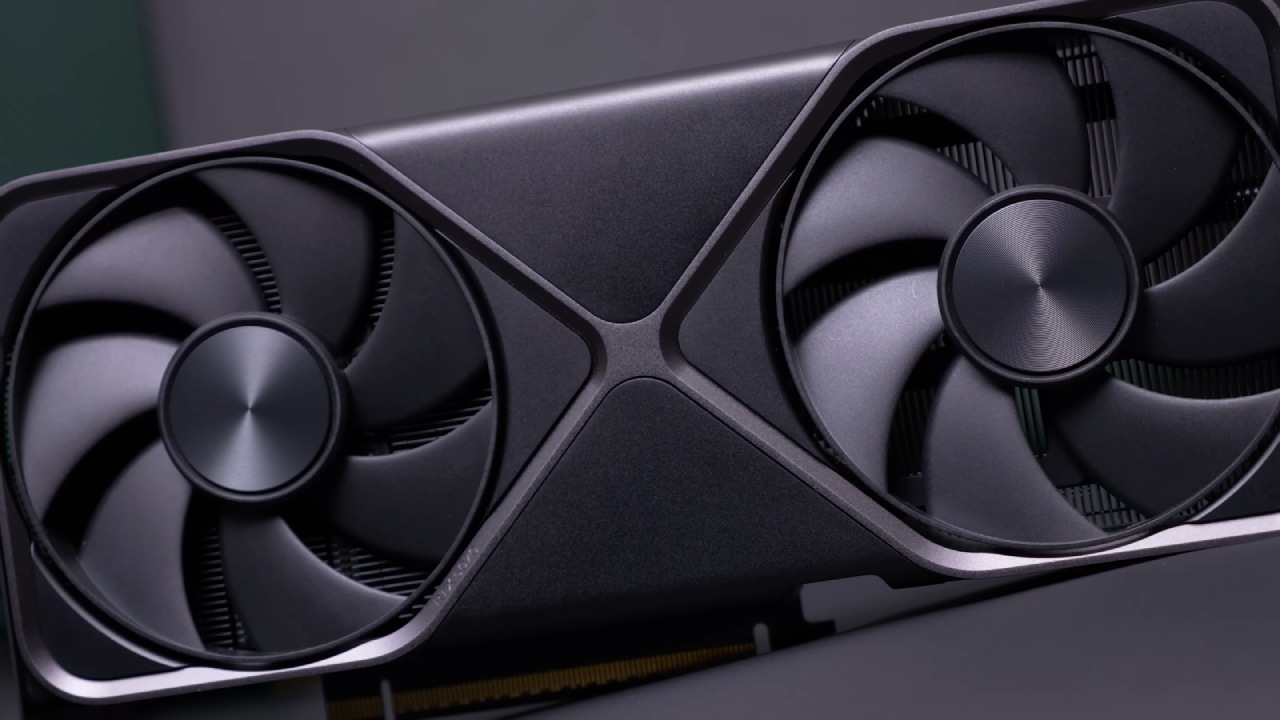
If upgrading to a GPU in the same class remains the rule, the RTX 5070 stands out as a great choice. The difference in basic speed is huge when you compare it to the RTX 2070, and that's not even taking into account frame generation.
A 50% to 60% increase in raw speed over the RTX 3070 is still enough for many people to want to upgrade. Even though the RTX 4070 didn't get much better in standard rendering, the move toward graphics powered by machine learning will ensure that newer hardware keeps improving over time.
Modern GPUs are likely to get even better as rendering methods and software get better. This will make the 70-class even more useful in the years to come.
Also, check our other NVIDIA articles below:
- NVIDIA GeForce RTX 5080 Review (2025): Still A 4K Gaming Powerhouse?
- NVIDIA RTX 5070 Review: Mid-Range Muscle or Marketing Hype?
- RTX 5070 Ti Review: Performance, Thermals & Power Efficiency Tested
- ASUS GeForce RTX 5090 LC Liquid Cooled GPU Review: Unmatched Silence & Speed
- MSI GeForce RTX 5090 32GB SUPRIM SOC Review: Power Efficiency, Cooling, and Gaming Performance
- INNO3D RTX 5060 Ti 16 GB X2 Review: Gaming Benchmarks, Temps, and Power Efficiency
- HP Omen 45L Review: RTX 5090 Performance, Thermals, and Value Analysis
- ASUS TUF Gaming GeForce RTX 5060 Ti Review: DLSS 4, Power Efficiency, and Gaming
- ASUS Prime RTX 5060 Ti OC 16GB Review: DLSS 4, Ray Tracing, & Thermals Tested
- NVIDIA GeForce RTX 5060 Review: Specs, Gaming, and Cost per Frame
- MSI GeForce RTX 5090 GAMING TRIO OC Review: A Monster Power GPU
Contributor, NoobFeed
Gaming Hardware Updates
No Data.