
Sony Stands by Digital-Only PlayStation Strategy Despite Backlash Over Physical Games
Sony defended its decision to end physical production of PlayStation games in 2028, saying the future is digital distribution. But players have criticized the company’s comments, saying it is brushing aside concerns about ownership.
News by Tahmid Mahi on Aug 01, 2026
During Sony’s latest earnings call for the first quarter of 2026, the company’s executives had another opportunity to defend one of the most controversial gaming decisions in recent years. The company has been heavily criticized by players who prefer buying physical copies since confirming that PlayStation will stop making physical game discs starting in January 2028.
During the call, Sony’s Chief Financial Officer Lynn Tao addressed those concerns directly, explaining why the company believes the move toward an all-digital future is the right one. During the discussion, Tao also addressed concerns about consumer choice, the future of physical media, and whether the decision would have any long-term impact on PlayStation's business.
Sony announced the change about a year and a half ahead of time to give consumers plenty of notice before physical game production ends, Tao said.
“The company spent a long time carefully considering the decision and thinks the growing digitalization of entertainment was the biggest factor in coming to that conclusion,” she said. Sony sees gaming simply following the same path as all other digital content, making the transition a natural progression, not a dramatic change.
For many players, however, those comments are unlikely to ease concerns. If you're someone who still buys physical games, hearing that the company provided advance notice may not change the fact that one of your purchasing options is disappearing.
Sony has taken the announcement as a sign of transparency, but critics say it doesn’t address the fundamental problem: that players no longer have the choice to buy digital or physical. They argue that simply giving consumers advance notice does little to ease concerns about ownership and game preservation.
The explanation “everything is going digital” has also become a major point of debate. Digital sales might be on the rise, but many players argue that those figures don’t tell the whole story. A large number of modern games launch exclusively through digital storefronts, leaving consumers with no physical alternative in the first place.
That argument becomes even more complicated when publishers combine PC and console sales into the same statistics. PC gaming has largely been digital for years, so including those sales alongside PlayStation purchases naturally increases the percentage of digital transactions.
Tao also acknowledged that Sony has received strong reactions from the gaming community.
During the earnings call, she said the company understands that games carry emotional value and often become part of people's memories. She recognized that physical media can hold sentimental importance for many players and added that Sony intends to continue exploring ways to engage with its audience as the company expands its digital ecosystem.
Many critics believe that explanation misses the biggest reason people continue buying physical games. Ownership is still one of the main concerns, although for some collectors nostalgia definitely comes into play. With a physical purchase you usually have something to display, resell, trade, or just hold onto in case digital storefronts ever change.
Supporters of physical media also argue that digital storefronts bring uncertainty in the long term. Licensing agreements expire, content is removed from online stores, and access is ultimately subject to the platform holder keeping those services up.
Many gamers still believe that owning a disc is more secure than depending on digital licenses that could change over time, as most physical games today require updating or need internet access. That added peace of mind remains important to many collectors.
One comparison that quickly arose is Sony’s own consumer electronics business. Despite vinyl being a niche physical format, the company still sells vinyl record players, critics pointed out. From their perspective, Sony clearly sees that some consumers still place value on owning physical entertainment products.
The rationale behind that criticism is simple. In general, companies do not keep making products unless there is sufficient demand to warrant it. If Sony believes there's still a profitable audience for vinyl records and record players, some players argue there must also be a market for physical video games.
Another issue raised during the earnings call centered on whether the controversy has affected Sony's business. Tao stated that the company has not seen any negative impact from announcing the decision.
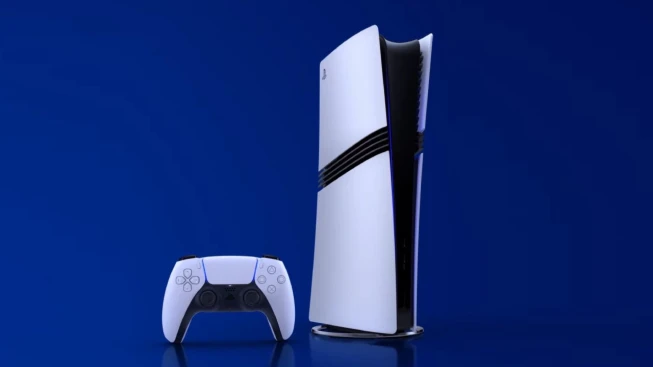
She explained that because a large portion of software sales are already digital, Sony does not expect ending disc production to have a meaningful effect on the business moving forward. The company reckons the shift has already reduced its dependence on physical game sales, so that moving to a digital-only model is a relatively low-risk move.
That response has become one of the most talked-about parts of the earnings call.
For players already frustrated by the decision, hearing Sony confidently state that it expects no business impact reinforces the belief that the company sees little reason to reconsider its plans. Sony's comments suggest the company believes people will continue to buy PlayStation products regardless of how games are distributed, rather than pointing out that there are risks involved.
From that perspective, critics say Sony seems confident that most players will eventually come around to the shift to digital-only gaming. And even if a few consumers are speaking out against right now, the company appears to be sure that the buying patterns will continue in the same way.
Others have taken that confidenagainst it sign that Sony believes the player backlash will eventually blow over and not greatly affect sales. That perception has fueled criticism that Sony is treating the controversy as a passing wave of complaints rather than a sign of deeper issues related to consumer choice and ownership of games.
Some players have even gone as far as suggesting that consumer boycotts or temporary spending freezes be organized in response to the announcement. While it remains unclear how much participation those efforts could generate, supporters believe coordinated action would be one of the few ways to demonstrate that consumer feedback can influence corporate decisions.
But the physical games debate is only the tip of the iceberg, with the discussion being indicative of a much larger trend taking place across the gaming industry. More publishers are promoting digital storefronts, subscription services, cloud gaming and online ecosystems that encroach on physical products.
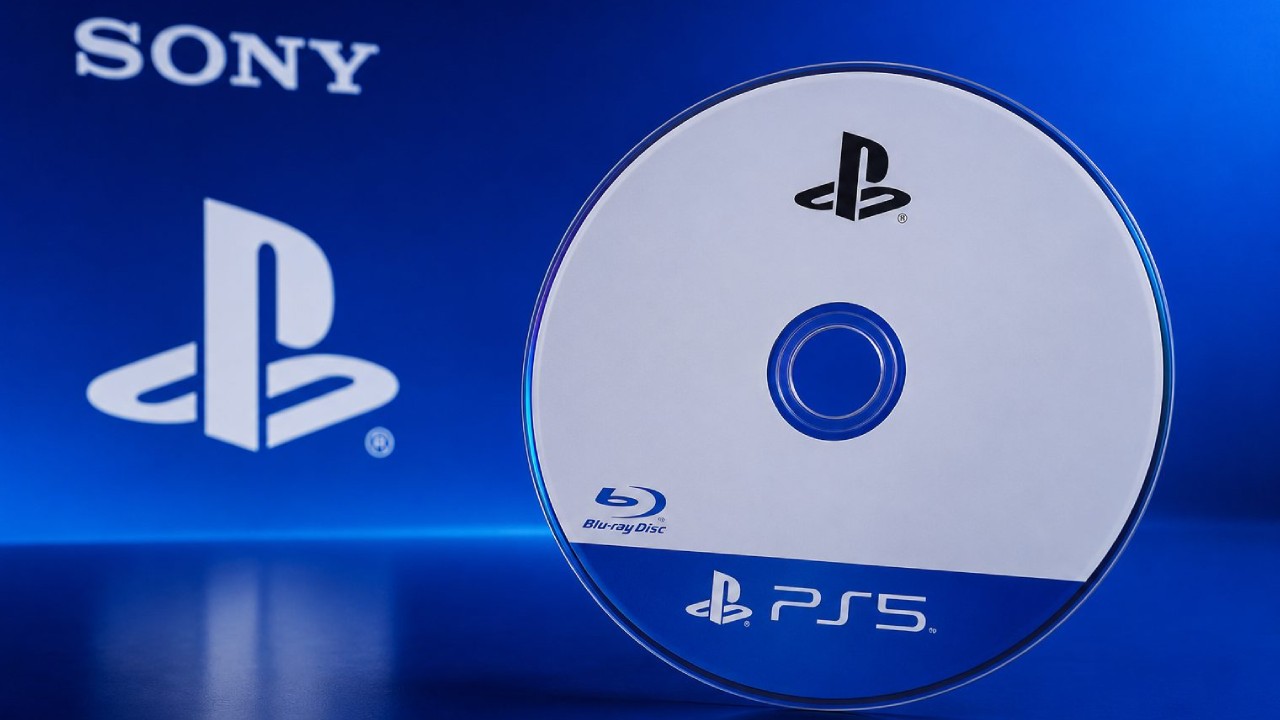
But many players see this as yet another example of companies putting convenience and business efficiency over consumer choice.
For a large part of the audience, physical games are more than just nostalgia. They offer flexibility, ownership and a purchase option that some gamers simply aren’t prepared to give up, no matter how much digital sales dominate.
The discussion also extends beyond gaming itself. There continue to be similar conversations about artificial intelligence, cloud streaming and other fast-growing technologies. While streaming companies often move forward because they believe these technologies represent the future, not every consumer embraces those changes at the same pace.
That disconnect between corporate strategy and player expectations has become increasingly noticeable across the entertainment industry. As more companies embrace digital ecosystems, subscription services, cloud gaming and AI-powered features, many consumers feel their preferences are becoming a lower priority in the quest for new business models.
For now, Sony appears committed to its roadmap. The company continues to argue that digital distribution reflects where the market is headed and does not expect the transition away from physical game discs to significantly affect PlayStation's business. Whether consumers ultimately accept that future or continue pushing back against it will become much clearer as the January 2028 deadline approaches.
Editor, NoobFeed
Related News
No Data.