
Steam Hardware Gets Better Developer Support
Valve expands Steam hardware developer tools to improve default graphics settings, frame rates, and out-of-box gaming performance.
Hardware by Shinji Okazaki on Jul 31, 2026
Steam hardware is becoming easier for developers to support as Valve adds more tools for performance tracking, while EmuDeck is expanding its setup support for the Steam Machine. At the same time, the Steam Frame is facing a possible cost increase because of rising chip prices. Valve is making it easier to target Steam hardware with games and improve how they run out of the box.
Developers can now see which hardware is being used, the graphics preset, average frame rate data, and whether a game is running through a native Linux version or Proton. For a game like Assassin's Creed Black Flag Resynced running on the Steam Machine, those details can show exactly how players are using the hardware.
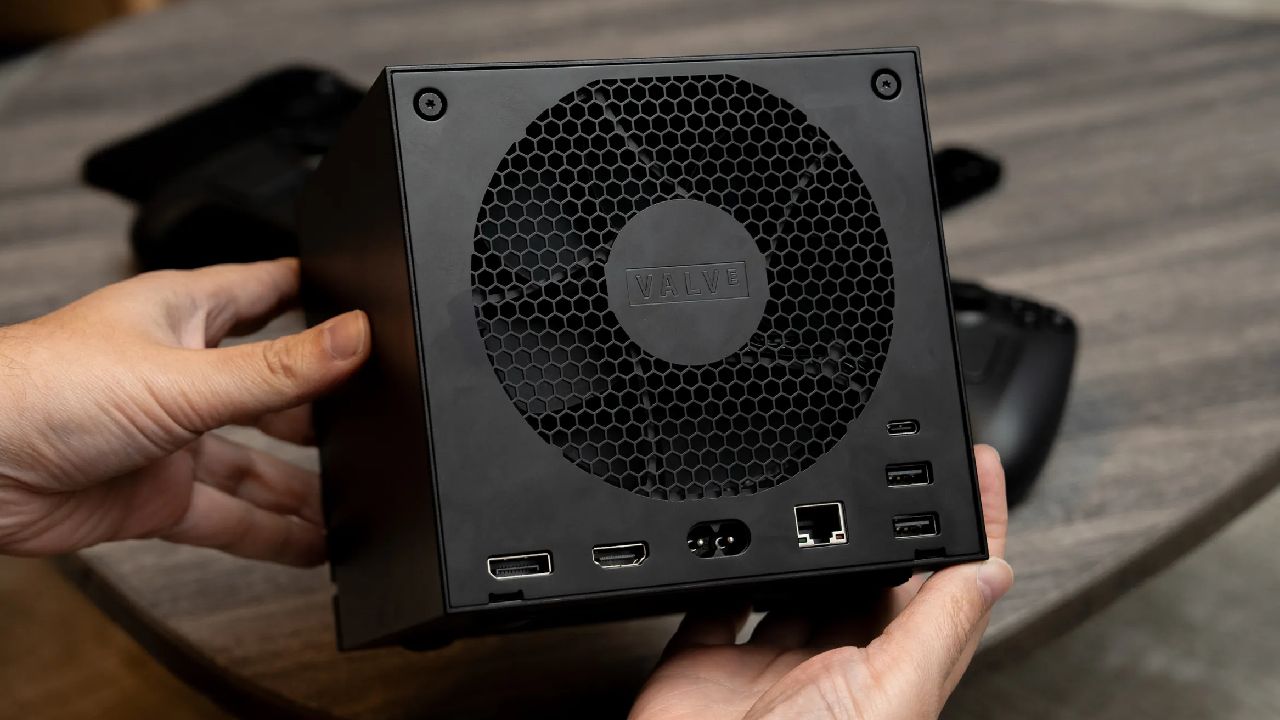
Valve is Giving Developers More Data
For a game such as Chronos: The New Dawn, developers could use the data to see how many players are actually using the native Linux build. If 75% of players are switching to Proton anyway, the developer could update the game so the Proton version downloads by default instead of the native Linux version.
The same data can help with graphics presets. A tuned preset for Assassin's Creed Black Flag Resynced can run at a locked 40fps most of the time, with some slowdown when docking the ship or loading a new part of the map. That gives developers a reference point they can use when deciding what settings should be selected by default.
Instead of launching with the lowest graphics preset to match Steam Deck or the highest preset, developers can use actual performance data to find a better balance. The game could launch with the recommended graphics preset and suggest a 40fps limit, or simply start with the in-game limiter already set to 40fps.
Average FPS Data Could Change Default Settings
The point of this system is to make it easier to start playing. Steam Deck and Steam Machine are meant to remove some of the setup work that normally comes with PC gaming, and better default settings can reduce those problems. When you sit down to play after work, editing videos, making thumbnails, cooking dinner, or handling other tasks, even a small problem can be enough to make you decide to play later.
Then later turns into another day, and less time is spent playing games. That is why the average FPS data matters. When it is combined with the default graphics preset, developers can see whether their settings are actually making sense. A lot of games that are described as optimized for Steam Deck can simply use the lowest graphics preset, push FSR to ultra performance, or use settings below low just to hold 30fps.
You can then see a performance review showing that the same game runs at 30fps with a mix of medium, low, and sometimes high settings. Developers already have data from their wider player base. Still, Steam hardware does not have the same install base as platforms such as Switch 2, PS5, or Xbox Series X.
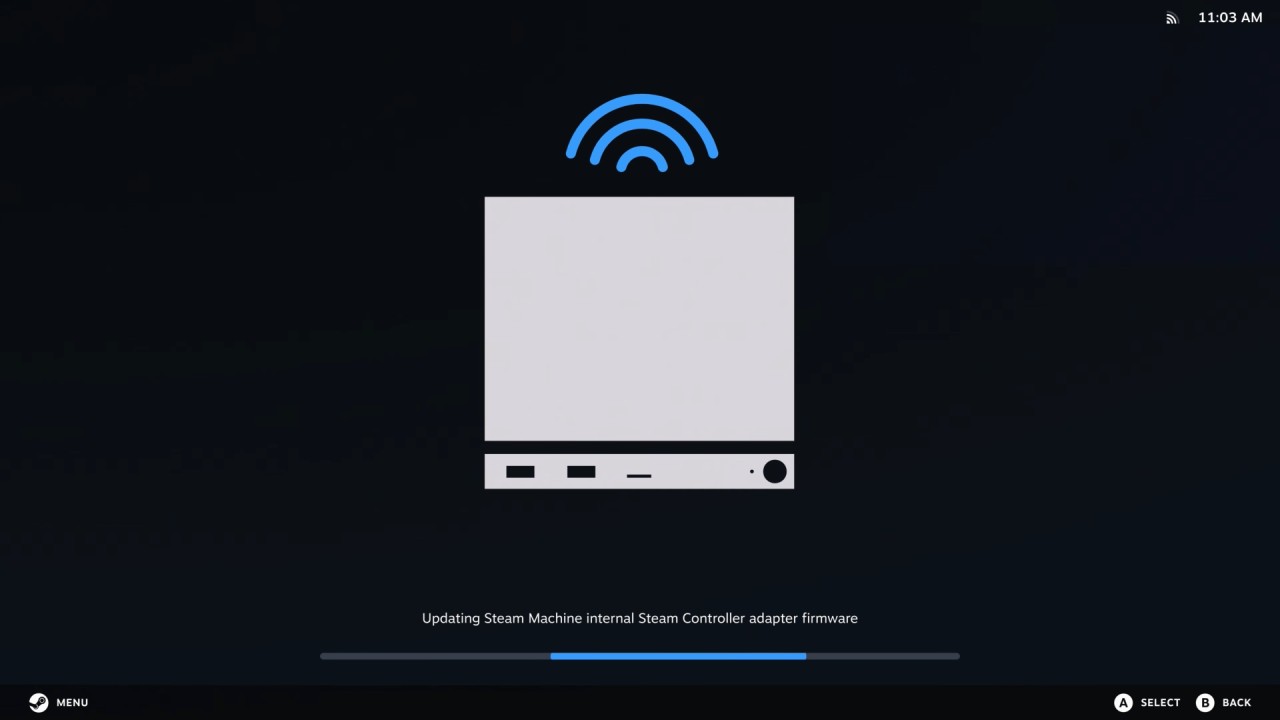
With these new tools, developers can go back after launch and adjust the preset using real performance data. In some cases, all they need to do is look at performance testing around launch and make the performance preset the actual default.
That small amount of extra work could help people buy and play games more often and spend more time with them. The longer players stay with a game, the better it is for developers, especially when there are always other games competing for that time.
Steam Frame Could Benefit From Better Game Presets
The same system could become useful for Steam Frame because it brings together different types of VR games. Some were made for Android, some were designed for Oculus, and others were created for Windows PCs or regular PC VR connections. Steam Deck needs games to work correctly across that mix of software, so having the right graphics settings out of the box matters.
That is also why its verification system is more demanding than what is used for Steam Deck or Steam Machine. Valve is still working on these systems 5years after the Steam Deck launch, and the goal is to push developers toward better performance presets and usable frame rates without making players adjust everything themselves.
EmuDeck has also received an update for the Steam Machine. The setup process has been built around making emulation easier, with automatic emulator installation, folders for ROMs, games, and BIOS files, and a setup process that requires very little manual work. Steam Machine uses a similar control scheme to Steam Deck, but the higher output resolution changes how the emulators need to be configured.
EmuDeck Gets a Steam Machine Upgrade
EmuDeck has now reformatted its emulators to set them up correctly for Steam Machine. A Steam Machine option is now available during the initial setup. Before this update, SteamOS users could select Steam Deck as the closest option and then manually change emulator resolutions to 4K or 1440p.
With the new update, that manual work is no longer required. If you already had Steam Machine for more than 3weeks, the next time you launch an emulator you use, it can patch itself with the correct aspect ratio, resolution, and controller setup. That matters because emulation has become one of the ways older games can continue to be played as hardware generations move on.
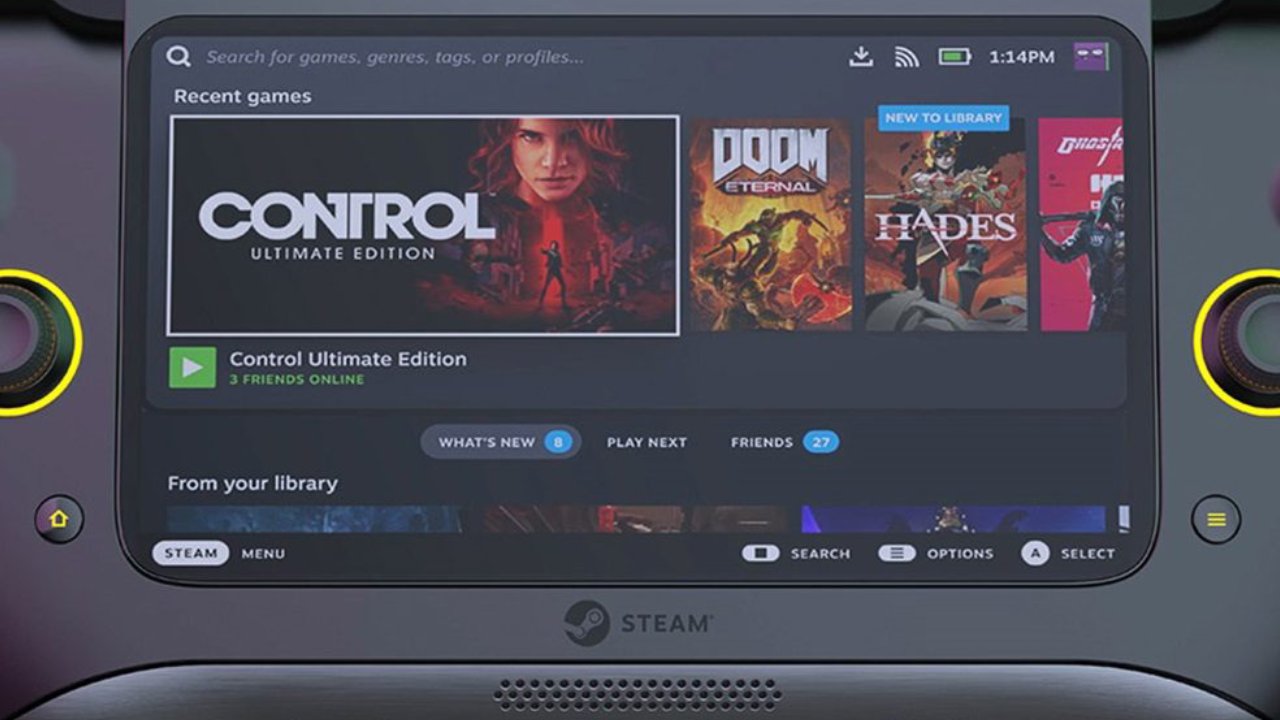
Physical game releases are changing, and that makes preservation through emulation more important. Sony is moving toward a digital-only approach for new physical releases after 2028, while older platforms such as PS3 still do not have the level of official emulation support many players want.
We can already set up RPCS3 through EmuDeck on Steam Machine and find graphics settings for games such as God of War Ascension, Infamous, and Infamous 2. With the right settings, you can be running at 4K with a locked 60fps in less than 10minutes.
That also extends to PS4 games. Titles such as Bloodborne can run well, and other PS4 games are already being tested at high resolutions and frame rates. The work on PS5 emulation is also moving forward. As more people look for ways to play games from current and previous generations without buying them again, Steam Machine could become another place to run them.
Steam Deck Faces a Possible Chip Price Increase
Steam Deck has a separate problem heading into launch. Qualcomm, the company making the chip used in Steam Deck, is expected to increase chip prices by 10% or more in the coming months. Qualcomm has said that costs have been rising across the industry, and it has tried to absorb those increases and find ways around them. At this point, however, that approach is becoming harder to maintain.
The company did not provide specific details about which chips will increase in price. Because Steam Frame uses a flagship mobile chip, the cost for Valve to produce the headset could still increase, although the exact impact is unknown. Valve has already produced a large number of Steam Frame units, so the launch price could remain in place for at least a few months while that initial supply is sold.
For the foreseeable future, the launch price could end up being the lowest price available for Steam Frame. That does not mean prices can never fall. We could eventually see prices move down by the end of 2026 or sometime in 2027, which could also help Steam Frame, Steam Deck, and Steam Machine settle at lower prices.
The timing of the possible increase is still a problem.
Steam Frame already includes two high-resolution screens, a mobile flagship chip, passthrough cameras, and a modular design. Those components all contribute to the cost of building a VR headset in 2026. It is also difficult to define what a fair price for a VR headset should be because Meta has subsidized its Quest hardware over the years.
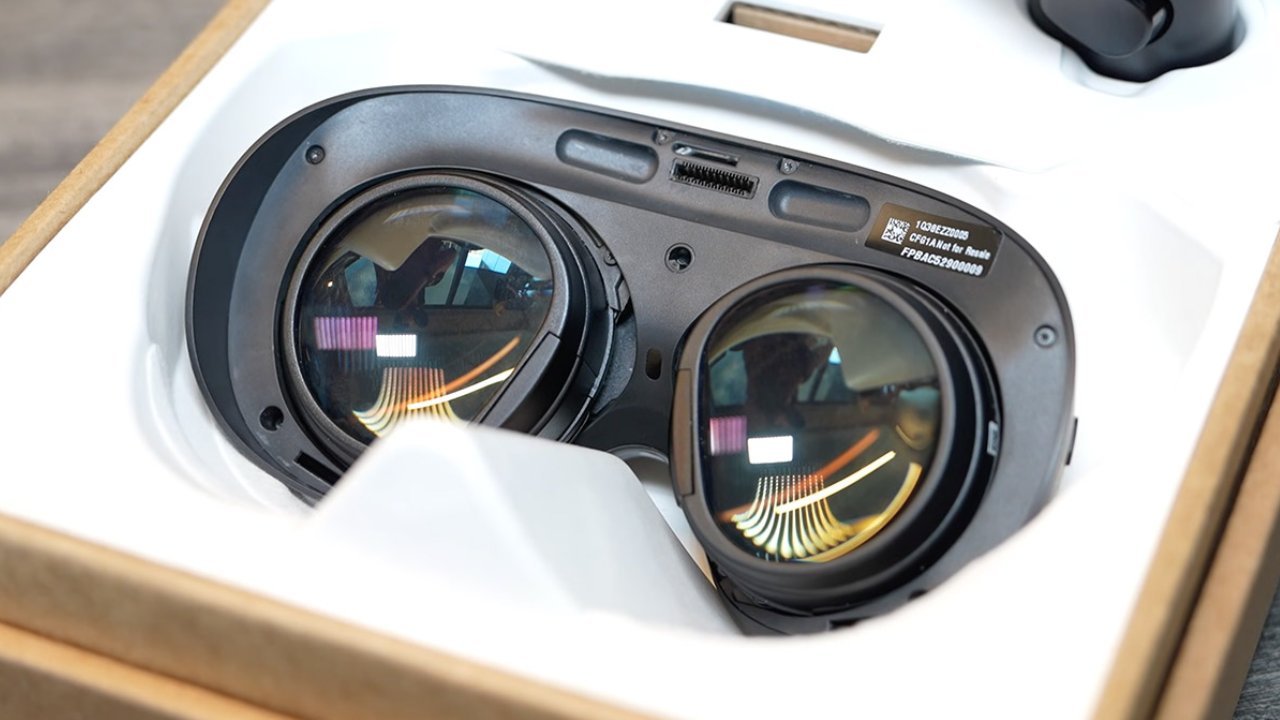
That has influenced what people expect to pay, and Steam Frame could end up anywhere from around $650 to more than $1,000 depending on the final price. Whatever the number ends up being, Steam Frame could become one of those devices people are willing to accept the price of because they want the hardware and the experience.
The bigger question is whether Valve can keep the price it originally targeted for long enough for the device to reach everyone who wants one. The combination of Valve's developer tools, the new Steam Machine support in EmuDeck, and the uncertainty around Steam Frame pricing shows how the Steam hardware ecosystem is developing from several directions at once.
Editor, NoobFeed
Gaming Hardware Updates
No Data.