
Fallout 4 PS5 Update Resolves Major Mod Crash Ahead of New DLCs
A long-awaited stability patch, a free voice-acted epilogue and a paid hacking questline have all landed within days of each other.
News by Adeela Tas on Oct 29, 2026
Something unexpected happened earlier this year. After about ten years of console modding, Sony and Bethesda finally removed the custom-content limit on PlayStation. That means people playing Fallout 4 on Sony hardware can now download mods that bring their own external assets, including pretty much all the large, interesting projects.
What stood out most was how quickly the big ones showed up. Free, DLC-sized mods flooded the platform, and almost overnight you had whole expansions and full-game-sized adventures available at no cost. But it didn't take long for a problem to appear.
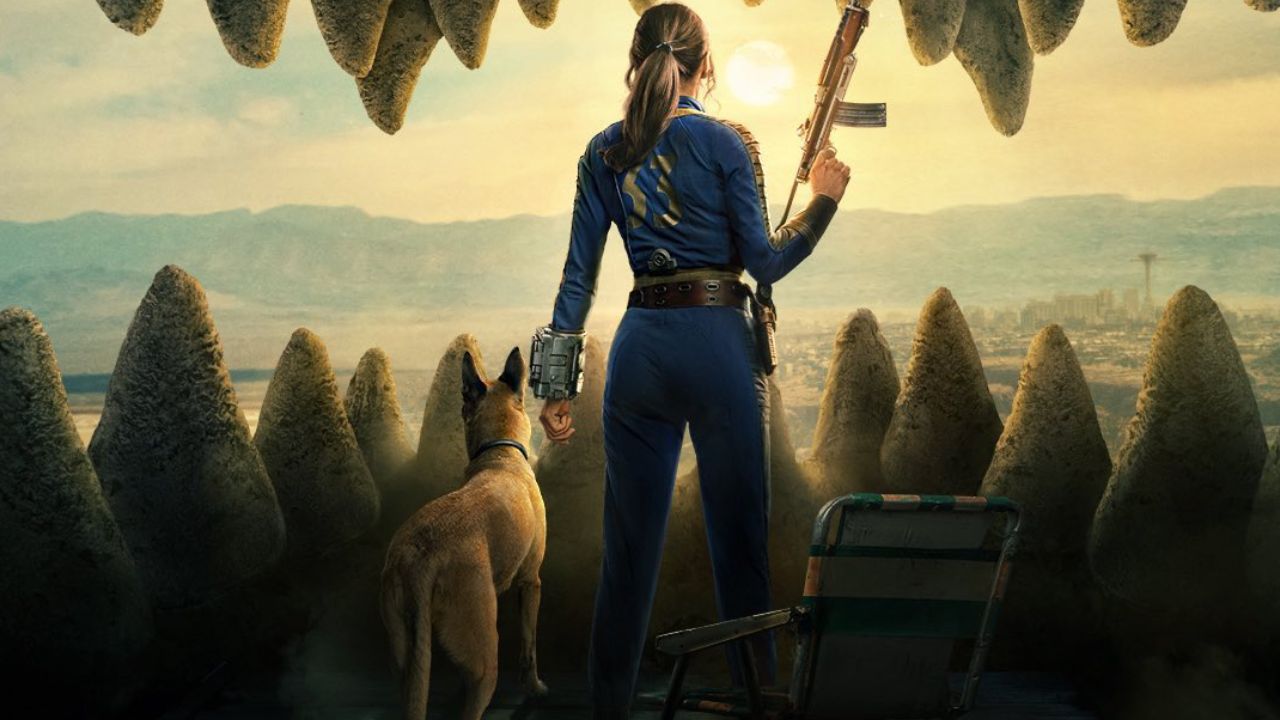
You may have seen players reporting that certain mods caused heavy stuttering or straight-up crashes.
Oddly, many different mods did the same thing, and their authors seemed unable to do anything about it on console. If that sounds familiar, it should. Mod-related stuttering had already been a problem on every platform, and on Sony's side, the NPC FaceGen data bug was the cause. The bug first appeared with the 2024 next-gen update, and honestly, it was a low point for the game's studio.
Changes to how the game handled NPC face data corrupted how it read it, so whenever a modded character loaded in, the engine struggled. You'd get small hitches that grew into big stutters or full crashes to desktop. PC modders fixed it almost immediately, but XBOX players waited more than a year for a fix.
A game that had enjoyed a stable, reliable modding scene for a decade suddenly reached a point where almost any mod caused performance trouble. Even a setup with nothing but the Unofficial Fallout 4 Patch installed ran into it, which says a lot about how widespread the issue was.
Bethesda eventually dealt with it in the Anniversary Update at the end of 2025. That update also added paid mod support through the reworked Creations menu, so the FaceGen fix got buried in the noise. It wasn't a complicated repair, either.
The studio basically undid its 2024 update changes, and it still took over a year to ship.
There was a catch, too. The rollback never reached every platform. Because PlayStation didn't allow custom external assets back then, the patch never went out to Sony's consoles. So when they finally switched custom assets back on several months later, the same FaceGen stutters returned.
That brings us to the newest development. On October 15, 2026, Fallout 4 on PlayStation received an update that specifically fixes crashes linked to NPC FaceGen when you load Creations that add NPCs. It's a big deal for the whole ecosystem because PlayStation finally matches the other platforms.

FEVer Dreams came out last week, roughly seven days after that patch went live. The timing looks deliberate. Holding the release until the NPC fix was in place means console players won't run into serious performance problems with what is a properly DLC-sized experience. In practice, this is Bethesda paying for new, official-feeling Fallout 4 DLC in 2026.
The studio is backing well-known mod teams directly through the Creation Club framework and putting in its own development money. FEVer Dreams is a full-scale expansion that brings back the original voice actors nd serves as a high-effort epilogue quest for Fallout 4. Regular modding teams, even those earning money from paid mods, rarely have the cash to hire unionized voice talent, book recording hours, or manage connections at that level.
A production like this only works with Bethesda behind it.
Experienced mod authors create the content, with Kinggath Creations leading the project alongside other well-known creators, and the studio's funding lets you play it for free. Several quality freebies like this have been released, and they're all worth installing.
Alongside FEVer Dreams, the stability patch also lets console players try Tale of the Beast Hunter, one of the first major free Fallout 4 mods, and it's well worth a look. Another change in approach is more upfront money for paid releases. Selected mod teams can now apply for advance funding to hire professional voice actors, commission custom animators, and raise their overall production quality.
Paying for those things before a product launches is notoriously hard for independent teams, and in return the publisher negotiates better back-end terms for paid Fallout 4 content. The exact contract details aren't public, but paid mods are clearly changing. Some projects now get marketing budgets big enough for live-action trailers.
You've probably seen the heavy promotion for Command Override, which costs 500 Creation Credits (roughly $5) on the Creation Club store. At its core, Command Override adds high-tech armor and a unique weapon to Fallout 4, built around a clever gameplay mechanic and wrapped inside a dedicated questline.
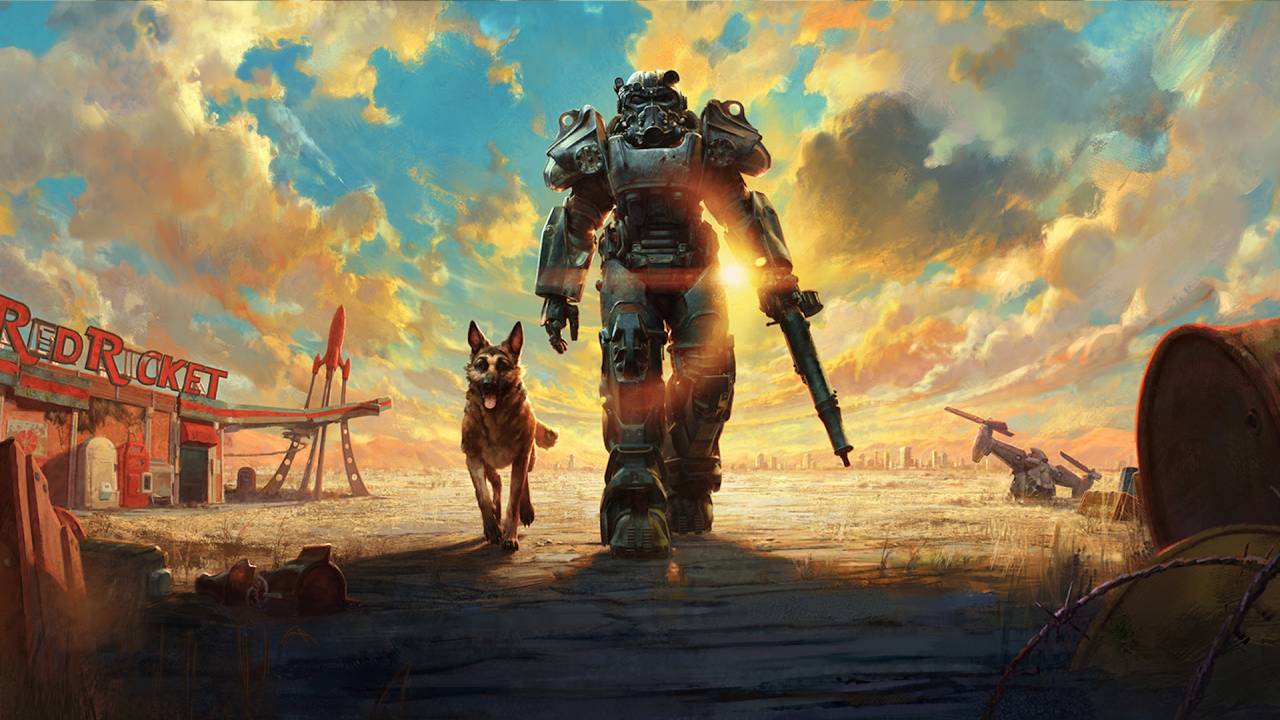
It starts at Wattz Consumer Electronics, where you find a prototype device called the Mini-Boy, a small consumer-level forerunner of the Pip-Boy made by RobCo. A brand-new RobCo dungeon then walks you through the device's development and what happened to the project.
The dungeon setup is solid.
A hostile Gunner detachment is your main opposition, led by a fully voiced commander who tells you to turn around and pretend you never saw anything. He insists this is a military operation and warns that his men will use you for target practice if you stay.
As you move through the facility, you piece together the lore around the Mini-Boy and uncover corporate secrets from holotapes left behind by a whistleblower receptionist who was chasing the truth. The voice work is polished, the custom animated set pieces are impressive, and everything builds to a memorable boss fight with unique mechanics that offer a real challenge. It's a lot more involved than shooting a bullet sponge.
Really, though, Command Override is about its signature gear. The whole facility exists to prototype and test an experimental loadout: a Beam Gun fitted with a Mini-Boy and paired with custom stealth armor. The armor makes you harder to spot and lets you track enemies through walls while crouched, using a stylized binary overlay that suits the setting.
The suit looks sharp, comes with several paint options, and there's an alternate legendary version hidden in the dungeon for players who make certain choices. The armor is designed to work with the Beam Gun, which has the Mini-Boy attached to its body. With the weapon drawn, pressing the grenade key lets you hack nearby hostile robots and automated turrets.
That hacking is the centerpiece of the whole thing.
You can upload live viruses to turn robots into temporary allies, shut them down remotely, trigger self-destruct sequences, or take direct manual control. While you control a bot, you gain access to its secondary weapons and chassis abilities. Piloting powerful combat robots or quick-hacking enemy machines mid-fight adds a depth you rarely see in Fallout 4 mods, and it all feels smooth.
Beyond the hacking, the Beam Gun is a strong heavy weapon. It fires a laser stream that deals more damage the longer you charge it, with heat effects that change visually as it builds. At full charge, it hits extremely hard and sets targets on fire, but it also exposes you to steady radiation, creating a fun risk-and-reward balance.
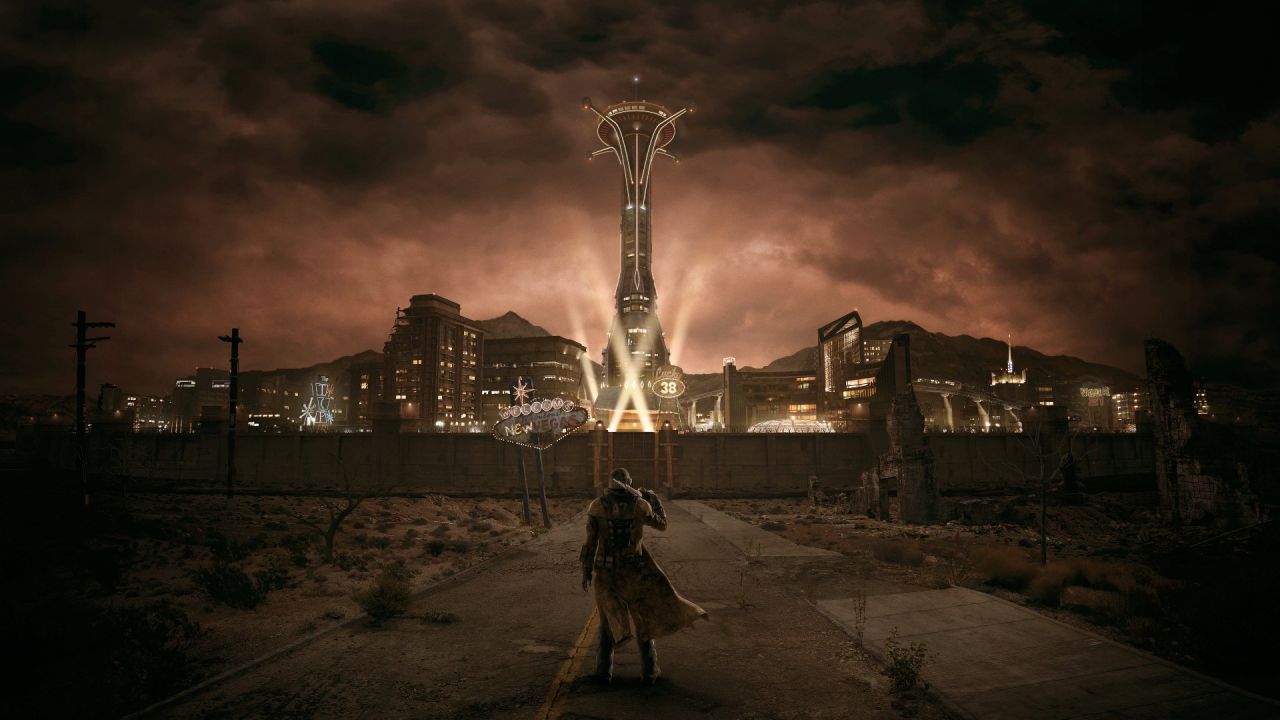
Five dollars means different things to different players, but the package offers decent value. Beyond the dungeon, weapon, and armor, finishing the quest unlocks plenty of RobCo workshop props for your settlements, including a retro live-action television broadcast.
Command Override shows how funded teams are pushing Creation Club content past the usual community releases. It has a price tag, but it includes production values like live-action media and custom systems that would be hard to deliver without financial backing, and the Beam Gun alone shows how much work went into it.
Whether it's worth the money is up to you, but higher production standards need real budgets.
The studio's curation strategy is interesting: CD Projekt Red hires outside developers to build large standalone expansions, while this publisher is growing its modding scene instead, putting upfront money into established creators, backing ambitious premium releases, and sponsoring big free updates for everyone.
After FEVer Dreams and this latest paid release, the hybrid pipeline is looking like a model that works, and it will be interesting to see where it goes next. For now, the pieces are lining up nicely. PlayStation players finally have a stable way to run NPC-heavy Creations; well-known mod teams are delivering free, DLC-sized content.
And paid releases are getting the kind of funding that makes bigger ideas possible. If the studio keeps this pace with Fallout 4, you can expect more projects like these, both free and paid, to keep showing up on the Creations menu in the months ahead.
Editor, NoobFeed
Related News
No Data.