
XBOX Helix Report Reveals Potential 2028 Console and 2027 Handheld
Microsoft’s next-generation XBOX plans reveal potential pricing challenges, a delayed home console, and renewed interest in handheld gaming.
XBOX by Tanvir Kabbo on Oct 29, 2026
Microsoft's plans for its next-generation XBOX are drawing attention after a Fortune report hinted at possible changes to the company's hardware strategy. The report also mentions the alleged price of the XBOX Helix, a possible delay to the next home console, a rumored handheld device coming in 2027, and infighting between the XBOX and Windows teams over the operating system.
Microsoft has disputed some of these claims, but the report still raises significant doubts about the company's future gaming strategy.
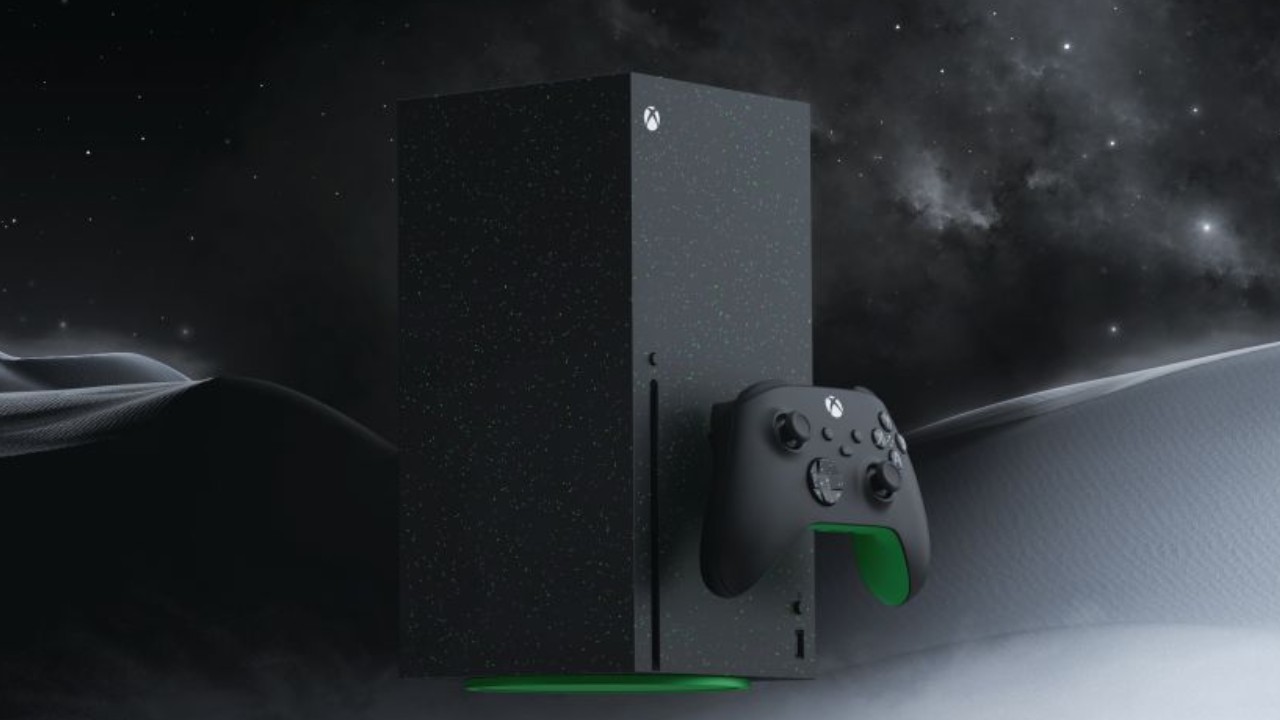
XBOX Helix Could Cost Between $1,200 and $1,800
One of the biggest reveals is the possible price of the Project Helix, said to be between $1,200 and $1,800. A high-end gaming PC can approach that price, but that price would put the next XBOX well outside the normal console price range.
The abnormally broad spectrum suggests Microsoft might be testing memory/storage options or considering several hardware versions. Rising RAM and SSD prices could make it tough to manage the final retail price, though spec tweaks could help cut costs.
Microsoft might go for 24GB or 36GB of memory and perhaps a 1TB SSD instead of a pricier 2TB drive. But the basic CPU and GPU architectures will likely remain largely the same, with tweaks to memory, clock rates, and power consumption that give it more flexibility.
XBOX Home Console Could Launch in 2028
The Fortune story also suggests Microsoft's next-gen home console could launch in 2028, not 2027. Meanwhile, a handheld gadget might potentially emerge in 2027, reversing predictions on the order of the company's hardware launches.
The handheld's identity is unknown. Perhaps Microsoft might've resumed the first-party project that it canceled, or it could be working on a third-party device in the same vein as the current family of ROG Ally XBOX devices.
The hardware specs are just as much up in the air, with nothing confirmed about the processor or graphics architecture. It may give them more time to develop, but it's unclear whether memory prices will drop enough by 2028 to justify the delay.
XBOX and Windows Teams Reportedly Clash Over Operating System
Perhaps the most intriguing leak suggests a debate between the XBOX and Windows teams over the portable's operating system. According to the story, tensions reportedly got so bad that the XBOX team threatened to pull out of the project. XBOX CTO Jason Ronald later said Helix OS is being built on Windows. That said, the comment doesn't necessarily refute the claim, since XBOX consoles have run on Windows technology for years.
The key question is whether the handheld would run a traditional Windows environment, or a stripped-down, console-centric interface. Devices such as the ROG Ally X, a Windows portable, showcase the flexible benefits of PC gaming, but setup, upgrades, and desktop navigation can complicate the experience.
An XBOX-specific UI might be a simpler option that still works with Windows games. That would require Microsoft to offer the convenience of the XBOX Series X and Series S consoles, with the freedom you would expect from a gaming PC.
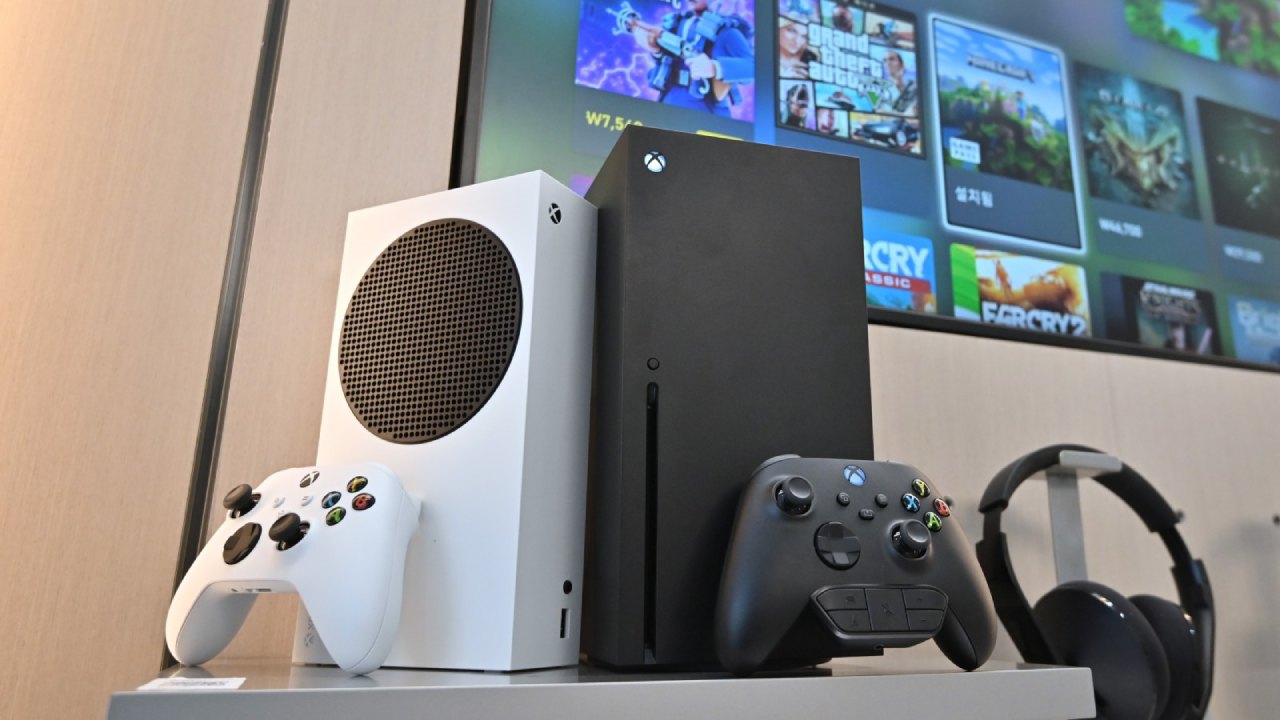
Game Pass Could Become More Flexible
Beyond hardware, the Fortune report discusses potential changes to XBOX Game Pass, including a more flexible, à la carte subscription structure. Customers could choose individual services, such as multiplayer access, without paying for cloud streaming they don't need.
Such a model could help Microsoft accommodate different gaming preferences while making its subscription business more adaptable across consoles, PCs, and handhelds.
XBOX's Next Generation Remains Uncertain
Microsoft's agenda raises some big questions in the Fortune story, from the potentially pricey Project Helix pricing to the alleged 2027 portable and 2028 home console schedule.
Ultimately, the software will decide whether the handheld offers anything over current Windows-based devices. Microsoft would have a stronger argument with a console-first interface, proven game compatibility, and a competitive price. Until we hear formal word, though, it's unclear what hardware it will run on, when it will launch, or what operating system it will use.
Senior Editor, NoobFeed
Latest Articles
No Data.