
XBOX Project Helix Could Use FSR Diamond for AI-Powered 4K Gaming
Microsoft Is reportedly exploring multiple XBOX Project Helix models to address console pricing and expand Its next-generation gaming ecosystem.
XBOX by Shinji Okazaki on Oct 14, 2026
Microsoft reportedly plans to expand its next-generation Xbox platform into a family of devices, including a flagship home console, a potentially cheaper XBOX Project Helix model, portable handhelds, and third-party hardware. Leaks from an internal town hall suggest that the company is rethinking its traditional console strategy to address affordability and support different types of gaming devices.
Leaks from an internal town hall have reportedly confirmed that a whole family of next-generation Helix hardware is coming. This could include not just OEM devices, but also a cheaper version of the first-party XBOX Project Helix console, and possibly a first-party XBOX handheld.
Microsoft Is Moving Toward a Family of XBOX Project Helix Devices
According to a report from Windows Central's Jess Corden and the XBOX Two podcast, XBOX CEO Asha Sharma spoke to gaming staff during an internal town hall and updated the company's next-generation plans. She reiterated that XBOX is shifting toward a family of devices for the 10th generation because one console can no longer fit every type of game.
Under the hood, the platform reportedly centers on a flexible family of chips built around a custom AMD Magnus processor. Instead of making one large box to compete in a traditional console war, the multi-chiplet design is intended to scale across different form factors. Asha Sharma made it clear that Microsoft is building a flagship home console first, which remains central to the business.
However, the teams will also focus on people who want to play on the go. This means the Magnus chip is expected to power a high-end home console, custom portable handhelds, and hardware from third-party partners such as Asus and Lenovo. Microsoft is moving toward a more decentralized approach, giving developers a common setup that works across an entire family of hardware.
XBOX Project Helix Could Launch With a Cheaper $499 Model
The latest reports from Game GPU suggest Microsoft may be planning a two-console launch, including a cheaper Helix version that could be called the Xbox Series S. During an internal town hall, Asha Sharma reportedly said Microsoft is working hard to rethink Helix from the ground up. The company remains committed to shipping the console, but it is also considering how to make it affordable and flexible.
The flagship model is Project Helix X, which has been associated with 56 TFLOPS of performance and is designed for demanding ray-tracing workloads and native 4K gaming. However, Asha Sharma also emphasized that ninth-generation consoles, including the Xbox Series X and Series S, remain central to the business. Maintaining a stable, supported ecosystem remains the company's top priority.
This aligns with her recent comments about console affordability. She has pointed out that it is becoming difficult to imagine mass-market audiences spending thousands of dollars on a console generation. Regular consumers may not be able to spend that much on expensive gaming hardware. Although the report comes from Game GPU rather than sources such as Kepler L2, the possibility makes sense given the ongoing RAM crisis.
Microsoft could be preparing two or three versions of its first-party Helix hardware without sacrificing too much performance. XBOX CSO Matt Booty has also indicated that the company's leadership is thinking carefully about Helix. Affordability and pricing appear to have become major priorities behind the scenes.
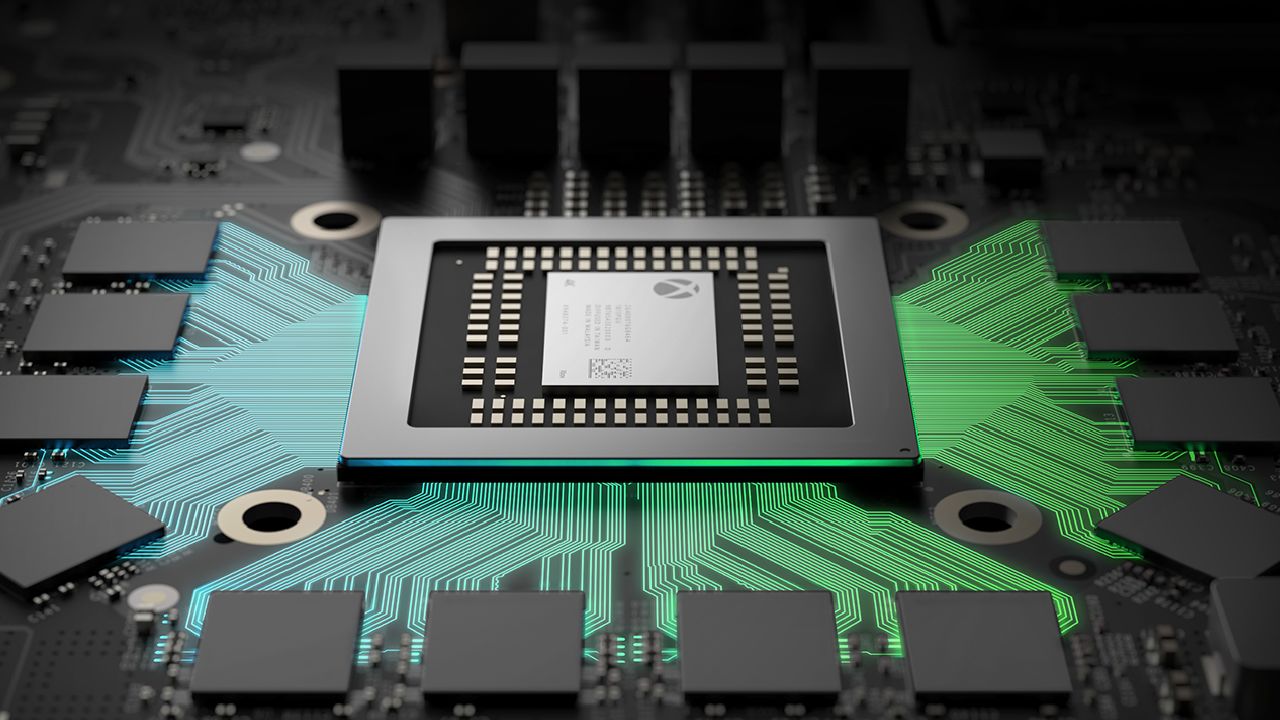
This could change the performance expectations for an affordable Helix S model.
Instead of requiring a smaller 28-CU graphics processor to render demanding games at native resolutions, the console could run games at a baseline resolution close to 1440p. The onboard machine learning units would then use AI algorithms to upscale the image to 4K at 60fps.
Combined with the reported API-level multiframe generation and deep texture compression tools, the lower-cost console could deliver higher frame rates and image quality without straining the graphics hardware or adding excessive controller input latency.
These capabilities remain based on leaked information, but they could help Microsoft offer different performance levels within the same console family. The modular hardware strategy also reflects Microsoft's long-term goal of connecting its gaming ecosystem through software. The company wants to bring first-party consoles, handheld devices, and third-party partner hardware together under a common platform.
Editor, NoobFeed
Latest Articles
No Data.