
RAM Crisis Explained: SK Hynix and CXMT Take Different Paths
Memory manufacturers are taking different approaches as AI demand reshapes DRAM production and keeps conventional RAM supplies under pressure.
Hardware by Nahe Yan on Aug 25, 2026
RAM prices have risen sharply, turning what used to be a cheap PC part into a major part of a system's cost. Pressure isn't just coming from stores or sellers. It starts in memory factories, where makers struggle to balance the growing need for AI gear with demand for regular DRAM.
Two businesses are doing things differently. SK Hynix is focused on making more advanced HBM for AI accelerators, while CXMT is making more regular DRAM for computers, laptops, phones, and servers. How quickly the current memory shortage improves may depend on what they do.
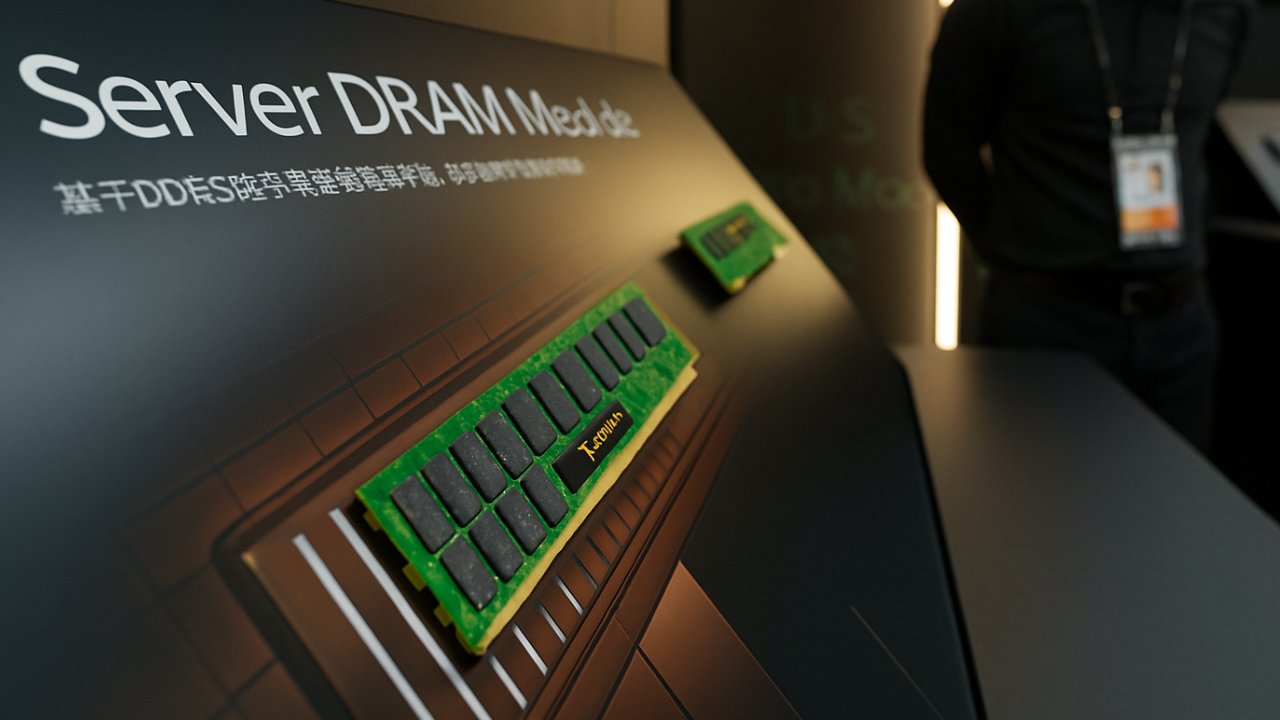
How the DRAM Industry Reached This Point
The DRAM business has always been a difficult industry. For decades, manufacturers saw demand rise, rushed to build factories at the same time, and then flooded the market with supply. Prices collapsed, and companies with weaker finances eventually disappeared.
The cycle repeated through boom-and-bust periods. Japan once dominated memory production, but companies such as Toshiba, NEC, Hitachi, and Fujitsu were eventually crushed, merged, or left the DRAM business. Europe also entered the market with Qimonda, spun out of Infineon, which went bankrupt in 2009.
Qimonda developed buried wordline technology, and even after the company disappeared, the technology lived on through its patents. Years later, those patents resurfaced inside a Chinese company that has become important to the memory industry.
AI Put Pressure on the Memory Supply Chain
AI accelerators depend heavily on a type of memory called HBM, or high-bandwidth memory. Unlike the RAM used in a typical laptop or desktop, HBM is stacked and designed to provide very high memory bandwidth for AI workloads. Nvidia's Ampere generation A100 accelerator shipped with around 40GB of memory.
The newer Rubin generation moves to 288GB of HBM4 per GPU, stacked across eight towers of silicon and delivering around 22TB/s of bandwidth. The scale becomes more significant when thousands or even millions of accelerators are involved. AI clusters require enormous amounts of memory, turning demand into a much larger supply challenge.
HBM is also difficult to manufacture. Production involves stacking 12 to 16 ultra-thin silicon layers, creating microscopic channels called through-silicon vias, thinning wafers, and bonding the layers with heat and pressure. A small crack or defective layer can ruin an entire stack.
Yields can suffer, while the packaging equipment required for production can cost hundreds of millions of dollars. Memory manufacturing isn't a problem you can solve simply by putting an engineer in front of a whiteboard. It requires years of process improvements, failures, adjustments, and gradual yield increases.
.jpg)
SK Hynix Is Chasing Advanced HBM
SK Hynix is currently one of the leading companies in advanced HBM. It was among the first to commercialize cutting-edge HBM products and became a major supplier to Nvidia. By many estimates, it holds more than half of the HBM market. When the AI boom accelerated, SK Hynix committed heavily to the opportunity.
One of its major projects is the M15X facility in Cheongju. Construction was completed in October 2025, and wafer production began in early 2026. The facility focuses largely on advanced HBM for AI accelerators, including memory intended for Nvidia's Rubin generation.
SK Hynix also accelerated its schedule to respond to demand. The company is investing in advanced packaging, including a major facility in Indiana, and plans another large complex in Yongin. The Yongin development is eventually expected to reach more than 800,000 wafer starts per month, making it one of the largest memory production hubs.
Capital spending for 2026 is expected to reach around 48 to 50 trillion Korean won. The company has also indicated that it expects the memory shortage to continue through 2030. The strategy is straightforward: rather than chasing maximum volume, SK Hynix is focusing on advanced memory and securing major AI customers.
CXMT Is Taking a Different Route
CXMT, or Changxin Memory Technologies, is taking a different approach. Founded in 2016, the company entered an industry dominated by established memory manufacturers. CXMT inherited some of Qimonda's technology through patents while also developing its own technologies. Instead of immediately chasing the leading edge, the company has focused on expanding conventional DRAM production.
That means DDR5 and LPDDR memory used in phones, laptops, desktops, and servers. Access to the most advanced chipmaking equipment has also shaped the company's strategy. CXMT has focused on DUV tools and mature manufacturing processes, allowing it to increase production volumes, improve yields, and reduce costs.
Further expansion could push that figure beyond 600,000 wafers per month. CXMT is also working on HBM, although much of its current capacity remains focused on conventional memory, where the company generates revenue. Its DRAM revenue has grown by more than 700% year over year at one point, showing how quickly the company has expanded.
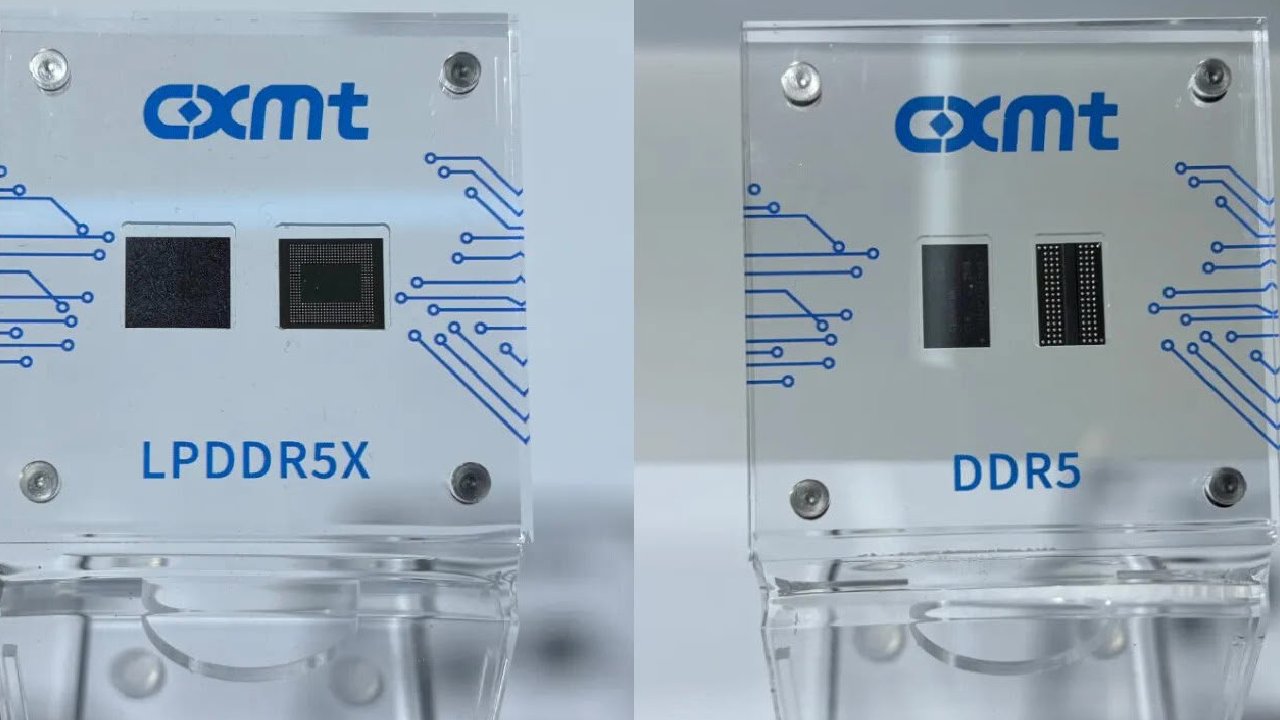
SK Hynix continues to commit large sums to advanced memory, including another $15 billion for expansion. CXMT, meanwhile, has found a different way to raise capital. In July 2026, CXMT went public on the Shanghai stock market and raised around $8.6 billion. It was Asia's largest listing that year.
The company's stock surged around 466% on its first trading day, briefly making CXMT the most valuable listed company in China. That gives CXMT a larger financial base to build additional factories and expand production. The broader memory race is increasingly becoming a competition over factories, manufacturing equipment, and process knowledge.
Two strategies could address different parts of the crisis.
SK Hynix and CXMT's strategies differ, but both could help ease the broader memory shortage. SK Hynix's expansion of HBM capacity matters for AI data centers. More advanced HBM production can help address the memory requirements of large AI accelerators. However, HBM is not the main reason conventional RAM prices have risen for PC buyers.
The memory that directly affects gaming PCs, laptops, and many consumer devices is conventional DDR5 and LPDDR. That is where CXMT's expansion becomes important. If CXMT succeeds in bringing a large amount of additional conventional DRAM capacity online, the supply increase could put pressure on prices and begin easing the shortage affecting consumers.
The second plan could have a bigger effect on prices for people who want to buy RAM. Ultimately, the bigger issue comes down to production capacity, experience, yields, and how quickly new factories can start producing large amounts of usable memory.
Editor, NoobFeed
Gaming Hardware Updates
No Data.