
Massive Memory Expansion by CXMT Could End the RAM Shortage
Massive DRAM investments could eventually create excess memory supply and push RAM prices significantly lower across the PC market.
General by Shinji Okazaki on Aug 08, 2026
RAM prices could eventually fall sharply as major DRAM manufacturers invest in new fabs and expand production. Billions of dollars are being committed to new memory facilities, while existing manufacturers are also increasing output. If all this new capacity comes online at the same time, AI memory demand will slow down.
Moreover, the market could eventually move from a shortage to an oversupply, putting significant pressure on RAM prices. A huge development could eventually make RAM much cheaper than it is today. It all comes down to multiple major DRAM makers announcing large investments in new fabs, along with new facilities that are already getting closer to opening.
.jpg)
SK Hynix is Expanding Memory Production
SK Hynix just announced that it is investing 54 trillion won into building new memory fabs, with up to 700 trillion won planned to build out clusters of fabs. The 54 trillion won figure is roughly $ 38.3 billion based on current exchange rates, so it is still a large amount of money.
Around $25 billion of that investment is going toward a new fab in Yongin, while about $13.5 billion is going toward another fab in Chungju. The new Yongin factory, called Y2, is actually the second of four fabs SK Hynix plans to build there.
The first one, Y1, is already under construction, and SK Hynix recently moved the opening of its first clean room up to February 2027. SK Hynix also has another new factory in Chungju called M15X, where equipment installation has already begun, with operations expected to start this year.
CXMT Could Add More Memory Capacity
Then there is CXMT, which could become another major factor behind future RAM prices. According to a new report from Reuters, the company's DRAM division is considering building another 12-in DRAM fab in Beijing. That would come on top of a large expansion that is already underway.
Right now, CXMT reportedly operates three DRAM fabs capable of producing around 300,000 wafers per month combined. With new facilities being built in Beijing, Hefei, and Shanghai, Reuters says the company could eventually more than double its production to over 600,000 wafers every month.
One of CXMT's new facilities is expected to begin installing equipment this year, with production targeted for 2027. That matters because CXMT is increasingly competing in the same conventional DRAM market used in PCs. That means SK Hynix is spending tens of billions of dollars expanding memory production while CXMT could potentially double its own output at the same time.
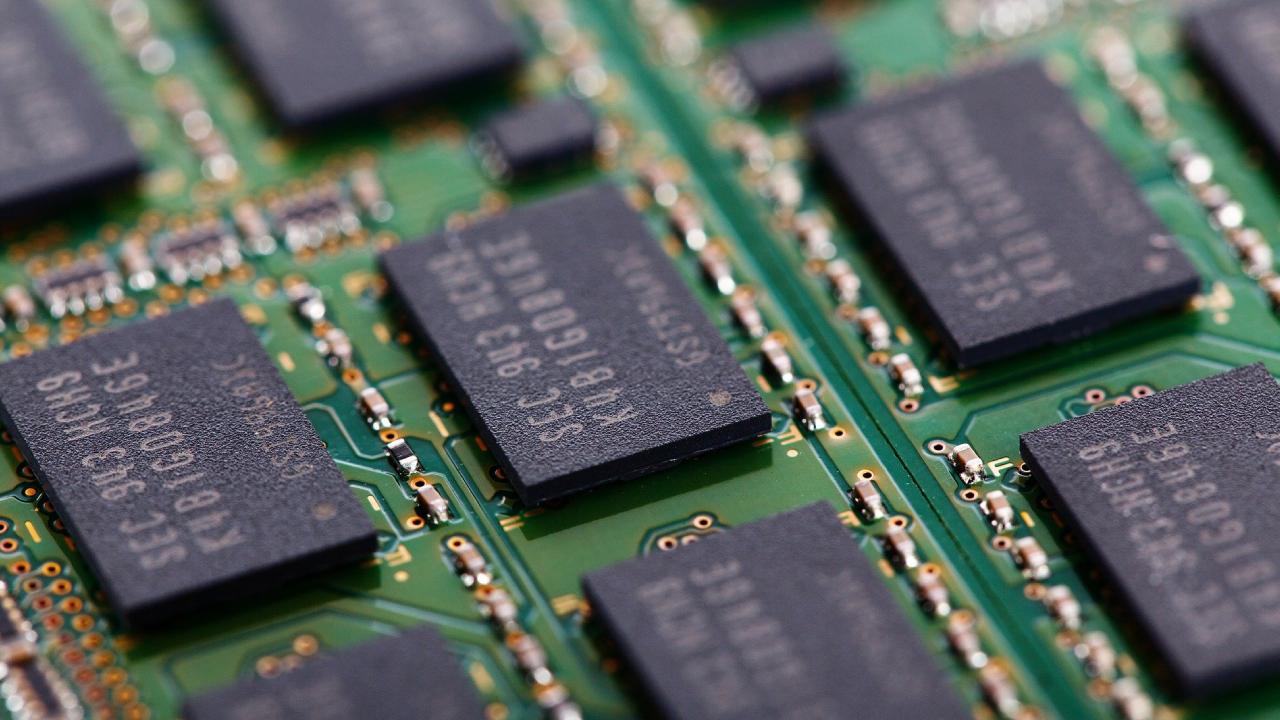
Memory could move from shortage to oversupply.
Memory is an incredibly cyclical business. Shortages happen, prices increase, and manufacturers respond by building a large amount of new capacity. The problem is that fabs take years to finish. If all of this new production comes online right as AI demand stops growing at its current rate, the industry could suddenly have the opposite problem. There could be far too much memory.
Inventories could build up, manufacturers could start fighting for buyers, and prices could collapse. After spending hundreds of billions on RAM today, the industry could eventually reach a point where memory companies struggle to sell the amount of memory they are producing.
Editor, NoobFeed
Latest Articles
No Data.