
Nintendo Switch 2 Entering a New Phase With a Growing Lineup and More Major Games Ahead
Nintendo of America COO Devin Pritchard says the Switch 2 is still early in its life, suggesting a longer-term software strategy focused on bigger experiences and continued growth.
News by Tahmid Mahi on Sep 23, 2026
Devin Pritchard, COO of Nintendo of America, has had some interesting things to say about the Nintendo Switch 2 and Nintendo's vision for the system in the years to come. “We’re in a constant competition for consumer attention,” Pritchard said in a recent interview with Variety, where he also discussed Nintendo’s philosophy of game creation and the current state of the Switch 2.
Her comments are particularly revealing because the software lineup in the system's early days has looked quite different than the original Switch. The difference becomes even clearer when you look at how Nintendo has distributed its major first-party releases compared with the heavily front-loaded launch period of the original system.
One of the biggest takeaways from the interview was Nintendo’s perspective on competition in the new entertainment market.
“There are more channels for content now than ever,” Pritchard explained. “Entertainment is 24/7, and consumers always have something vying for their attention.” Instead of focusing entirely on fighting for consumers' time, Nintendo's approach is centered on creating experiences that can build relationships with players and remain meaningful across generations.
That philosophy helps explain why Nintendo continues to follow a somewhat different path from other major game companies. While PlayStation and XBOX have invested heavily in areas such as live-service games and other long-term engagement models, Nintendo has generally continued focusing on its own first-party experiences.
Nintendo occasionally uses other methods, but it has built its business on creating games and experiences that fit its own ecosystem. Pritchard's comments suggest that Nintendo remains committed to that philosophy rather than directly copying what its competitors are doing.
The Switch 2's software strategy is where the comments become even more interesting. Pritchard said the system is early in its life, noting Nintendo and third-party developers have already delivered several experiences while stressing there is a lot more to come. That statement is really obvious when you look at the release window for the Switch 2 vs. the original Nintendo Switch.
The original Switch had an extremely packed first year. Within its first calendar year, Nintendo released major games such as Super Mario Odyssey, Xenoblade Chronicles 2, Splatoon 2, Mario Kart 8 Deluxe, and The Legend of Zelda: Breath of the Wild.
That meant players had a steady stream of major releases during the system's first several months, and many of those games became important parts of the Switch's identity. The early Switch strategy heavily front-loaded the console, giving it a huge amount of momentum shortly after launch.
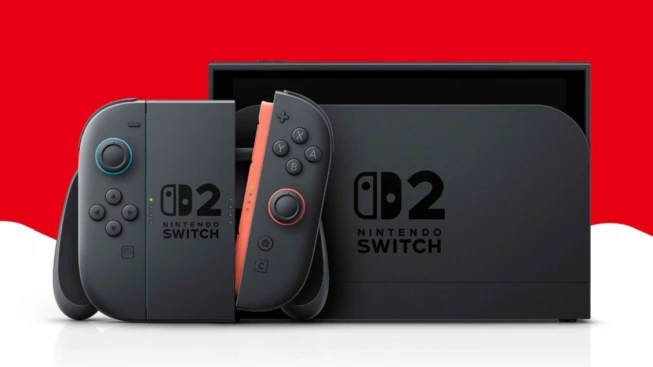
The Switch 2 has taken a different route so far.
Mario Kart World and Donkey Kong Bananza have served as major first-party releases, but both games are connected in some way to franchises that already existed on the original Switch. Several other releases have either been smaller projects or games that retain significant DNA from the previous system.
There have still been some unexpected successes along the way. Splatoon Raiders, for example, delivered a stronger experience than expected, according to the transcript. At the same time, some of the discussion around the Switch 2 has centered on the absence of certain major first-party announcements.
There is also a practical reason why Nintendo may not need to repeat the original Switch's launch strategy. The Wii U had struggled commercially, selling around 13 million units, and third-party support dropped away quickly. That situation created pressure for Nintendo to make the original Switch successful from the beginning.
The third-party situation represents one of the clearest differences between the two systems.
The Switch 2 is receiving games such as Resident Evil Requiem, Onimusha, Pragmata, Hellraiser, Madden, NBA 2K, and EA Sports FC, providing players with more options beyond Nintendo's own first-party lineup. That means Nintendo does not necessarily need to release every major internal project immediately to keep the platform supplied with games.
That could also allow Nintendo to spread its biggest first-party releases across the system's lifespan instead of putting everything into its first year. The result would be a platform that potentially becomes more interesting as it gets older, with larger projects arriving after developers have had more time to understand the hardware.
The upcoming lineup already gives some indication of that shift. The transcript points toward Ocarina of Time, a new 2D Metroid game, and a new Kirby title as examples of projects that could make the system's next phase more compelling.
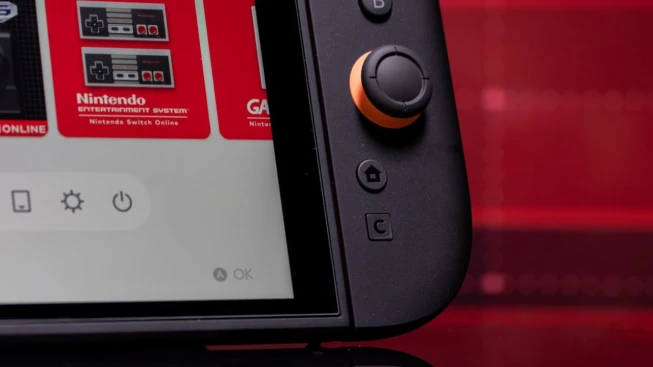
These releases are being positioned as potentially more substantial additions to the lineup than some of the smaller games that have appeared earlier in the system's life. The idea is that the Switch 2 may finally be reaching a point where the software library is starting to gain momentum.
Pritchard's comments also suggest that Nintendo does not believe it has fully revealed the Switch 2's biggest software ambitions. Calling the system's current period only the beginning leaves plenty of room for larger projects to arrive later.
The upcoming games could therefore represent the start of a longer-term strategy rather than the peak of what Nintendo plans to offer. That makes the system's second and third years particularly important for understanding where Nintendo is taking it.
The hardware itself could also play a role in that future.
The ability to support features like VRR and DLSS could offer more technical choices for Nintendo's developers as they build out future first-party games. As developers become more comfortable with the Switch 2 hardware, those technologies could help games become more ambitious in their presentation and performance.
Based on Pritchard's comments, Nintendo appears to be treating the Switch 2 as a platform with a long runway rather than something that needs to reveal all of its biggest games immediately. The system already has major releases and stronger third-party support than its predecessor had at a comparable stage, while Nintendo's larger projects can continue arriving over time.
Editor, NoobFeed
Related News
No Data.