
Remedy Roadmap Reveals What Lies Beyond Control & Max Payne
From Control DLC and the Max Payne remake to Alan Wake 3, Remedy’s next moves could shape the future of its connected gaming universe.
News by Adeela Tas on Oct 09, 2026
Remedy Entertainment has a few big projects that could define where the studio goes from here, and what it does next may matter as much as its next release. Control Resonant is expected to build on the original game's foundation, the Max Payne 1 & 2 Remake might be close to getting its reveal, and another Alan Wake adventure is reportedly in the works.
That's already enough to keep players busy for years. The bigger question is what comes after all of that. Instead of rushing into unfamiliar territory, Remedy could stick with its established franchises, keep building out their shared universe, and eventually bring in a new IP that suits its creative identity.
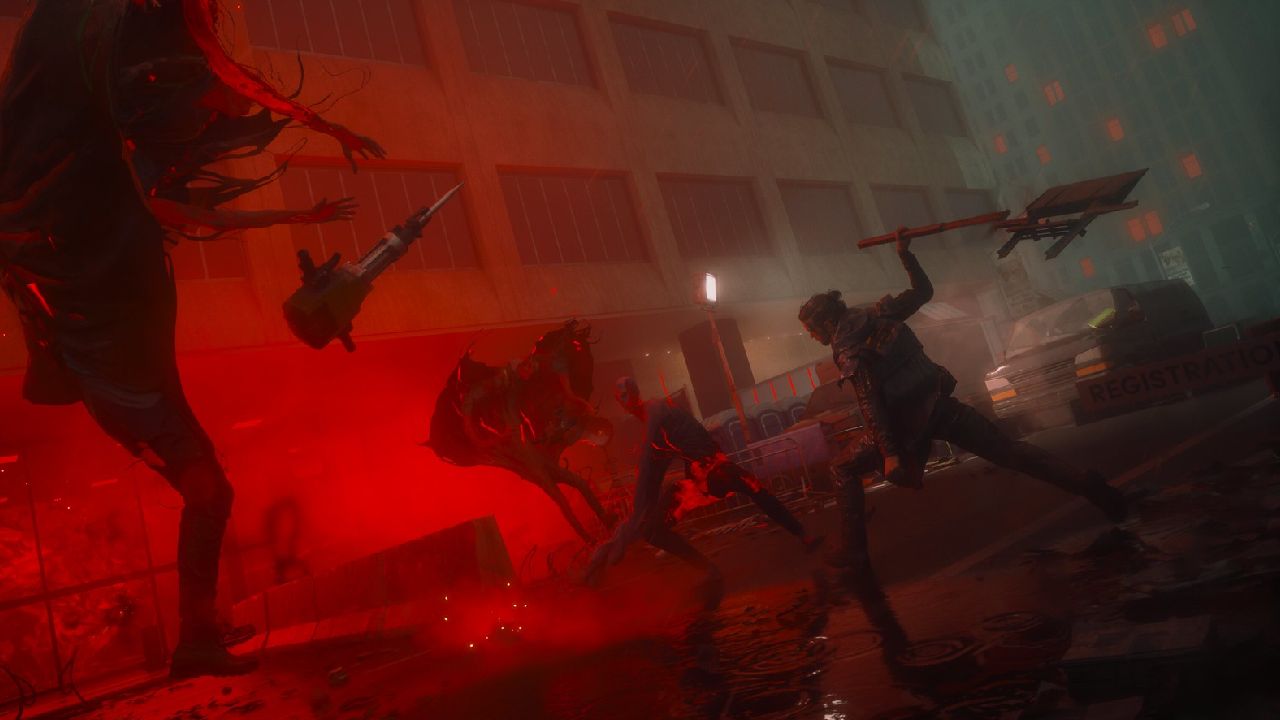
Each choice could affect how its games connect and how long its existing characters stay relevant.
One of the nearest possibilities is more content for Control Resonant. If the game sells well, DLC could easily be the studio's next priority. Expanding the story that way would let Remedy dig into unresolved plot points without committing to another full-length sequel right away.
There's already some reason to think that could work. A few details around a character tied to the game's AWE storyline hint that there's more to explore once the main adventure ends. Nobody knows exactly where it's headed, but extra content could pick up those threads and give players a clearer picture of what happens to Dylan and Jesse after everything they've been through.
The original Control showed how well this can go. Its expansions filled in background details, built up Jesse's relationship with the mysterious Board, and set up ideas that mattered in later entries in the connected universe. The Foundation, in particular, worked as an epilogue while also deepening the game's mythology.
You didn't strictly need to play that expansion to follow the next big installment, but it rewarded anyone who wanted a deeper grasp of the story. That's a good model for future DLC: give players meaningful developments without making extra purchases necessary just to follow the main plot.
Remedy could take the same approach with Control Resonant, using an expansion to introduce ideas that matter later in the game.
That would give players a satisfying continuation of the current story while leaving plenty of room for another major release. The Max Payne remake is another big piece of the studio's future, though its schedule looks a bit more tangled. People expected it to move in step with Control Resonant, but Control Resonant has pulled ahead, leaving the remake's public reveal up in the air.
One possible reason is Rockstar's priorities. Remedy is handling development, but Rockstar controls key marketing elements, like trailers, promotional campaigns, and public appearances. With Grand Theft Auto VI soaking up so much attention, the publisher may have little left for another major release.
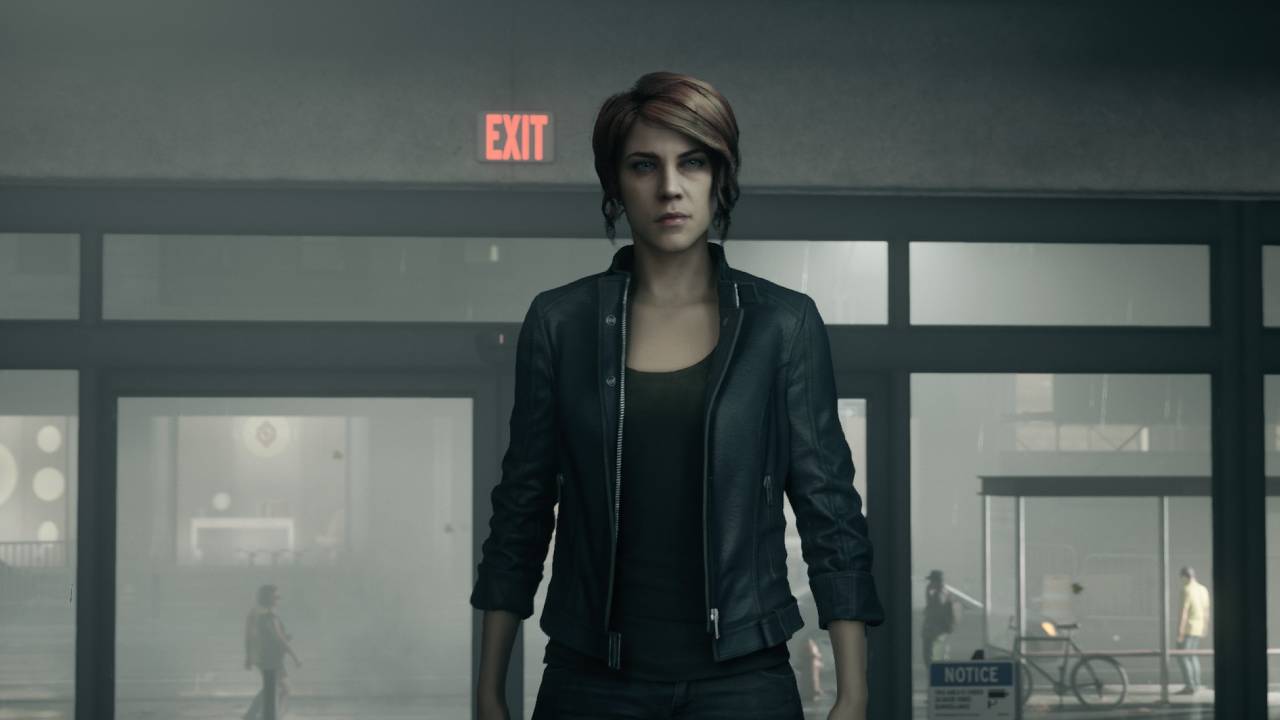
That doesn't necessarily mean Grand Theft Auto VI is stopping the remake from launching. It may just be shaping when Rockstar thinks the right moment is to reveal it. Even if the two games can pull in separate audiences, the publisher might not want them fighting for attention in the same promotional window.
So a reveal at The Game Awards in December 2026 is still just a possibility, not a confirmed plan. Sam Lake, who's still closely tied to the franchise, could be part of it if the timing works out. A 2027 release would also make sense if development is as far along as some observers expect, though there's no official date.
The Max Payne remake could even become a cross-generation release if the next console generation arrives around then.
Depending on timing and platform plans, players might get it on current hardware and newer systems alike. For now, that's speculation, but it adds another thing to consider for the eventual launch. Meanwhile, Alan Wake 3 could be the next major chapter in Remedy's longer-term plans.
Lately, attention has centered on a development listing suggesting that Alan Wake 2's co-director has been working on another game since 2025. That has fueled talk that a third entry may already be taking shape, although it doesn't confirm what the project is or when it's coming.
A Swedish industry forecast previously put Alan Wake 3 around 2028 or 2029. You shouldn't treat predictions like that as official announcements, but they do offer a timeframe that matches the studio's recent pace. Alan Wake 2 came out in 2023, so another big installment in 2027 would be ambitious, while 2028 or 2029 would allow a longer development stretch.
If the studio keeps finishing major games in about four years instead of letting projects drag on for seven or more, that would be a pretty efficient schedule for productions this size. The release order could also decide when we see Control 3.
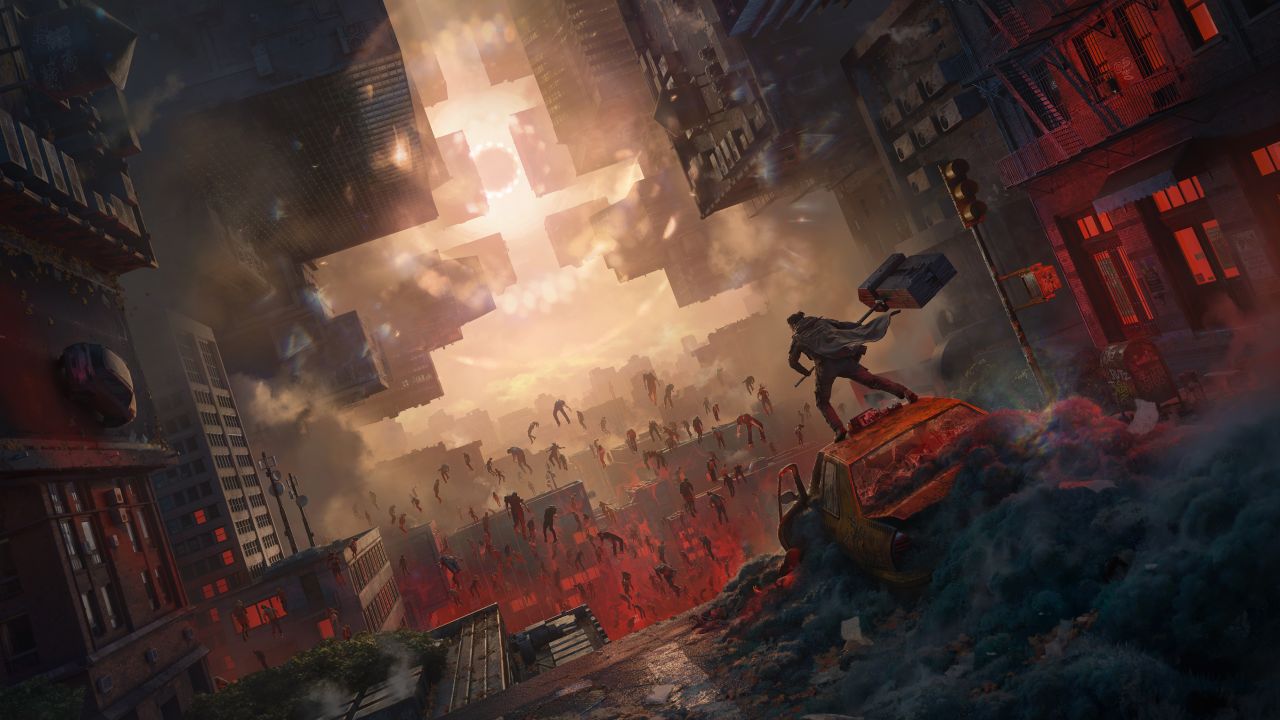
If Remedy alternates between its two main franchises, the next Control sequel might land two or three years after the third Alan Wake game. That would put it somewhere around 2030 or 2031, assuming the earlier forecasts hold up.
More importantly, the two franchises may eventually be heading toward a natural ending.
Remedy has spent years building links between its stories, and those links could let the developers pull several long-running narrative threads together. Dylan and Jesse's growing roles could make a future Control sequel especially important to that bigger plan.
That doesn't necessarily mean the characters can't come back. Established heroes can always turn up in later adventures, but continuing a franchise forever comes with risks. If a character sticks around after their best stories are done, later appearances can take the shine off where they started. A well-planned ending can sometimes protect a character's legacy better than yet another sequel.
The same goes for Alan Wake. Even after Alan Wake 3, the studio will have to decide whether another sequel moves the story forward or just stretches it out. Nothing confirms the third game will wrap up the series, but the chance of an ending is worth considering as the connected universe grows.
Beyond its current franchises, Remedy will eventually have to decide whether to add a brand-new IP to its plans. A new game could bring in different characters and settings while keeping the narrative experimentation that sets the studio's work apart. Still, jumping straight into another franchise may not be the smartest move when several established stories still have room to grow.
One option is to slot a new property between Alan Wake 3 and Control 3.
Another would be to finish another round of sequels first, then explore a fresh concept. Either way could work, as long as the studio has a clear creative direction and isn't expanding just because it can. A new franchise could also join the existing shared universe. Remedy has repeatedly connected elements across its games, and a future original property could let familiar characters show up in unexpected ways.
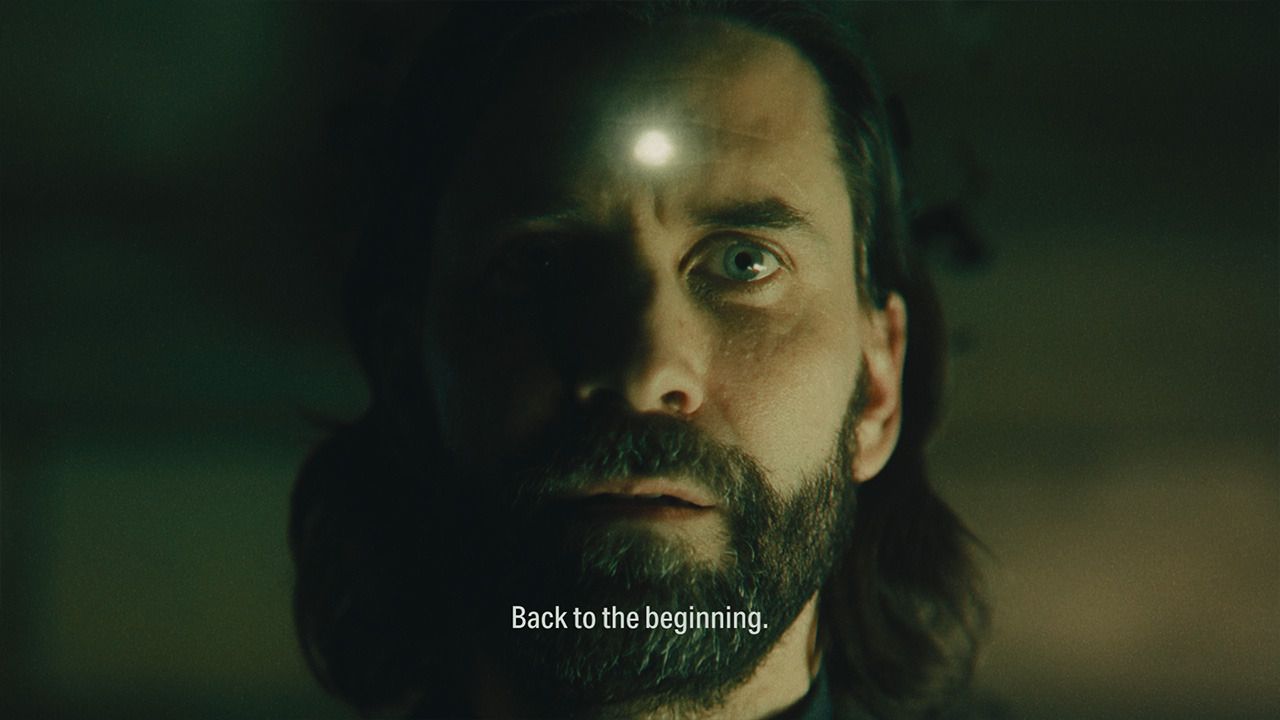
Jesse, Dylan, and Alan could potentially cross paths with new protagonists, depending on how their own stories play out. Quantum Break is a trickier case, because its rights situation limits how easily it can be folded into plans. Reused concepts and connections have kept speculation going, but a new property made entirely by Remedy would give the studio more control over how its universe expands.
The less appealing alternative would be another jump into a very different genre without a good reason. FBC: Firebreak showed that setting a game in an established fictional universe doesn't guarantee success. Even with some of Remedy's storytelling intact, the multiplayer project struggled to deliver an experience that could attract and hold a sizable audience.
That doesn't mean Remedy should avoid experimentation. Control Resonant itself is a big gamble, with a new playable character, a different gameplay approach, and a different kind of world to explore. The key difference is that the studio can challenge itself without giving up the creative strengths that made its earlier games stand out.
That same thinking explains why licensing a major outside franchise might not be the best next step.
Making games based on properties owned by companies like Marvel, Disney, or Lucasfilm brings extra expectations and potentially a lot more outside influence. Creative disagreements and production changes can hit licensed projects, even if that doesn't happen every time.
Remedy's strength is its ability to build unusual ideas on its own terms. Sam Lake and the wider team have spent decades shaping that identity, and giving them room to chase their own concepts could lead to more distinctive results than asking them to work inside somebody else's established formula.
In the end, Remedy doesn't need to dodge risk or stay in familiar territory forever. It just needs to pick the risks that suit its strengths. Control Resonant shows how a studio can change major parts of a franchise and still keep its identity, while FBC: Firebreak shows how hard it is to wander too far from what the audience expects.
.jpg)
The immediate priorities look pretty simple: expand Control Resonant where it makes sense, get the Max Payne remake to players when the timing is right, and keep developing the Alan Wake storyline. After that, a new IP could be the next growth stage, especially if it fits naturally into the existing universe.
None of this guarantees a release schedule, and much of it is still speculation rather than confirmed plans. Even so, the studio has enough established worlds and unfinished stories to stay busy for years. Its biggest opportunity may be balancing what already works with the kind of creative risks that give its next games their own identity.
Editor, NoobFeed
Related News
No Data.