
CONTROL Resonant Review
Xbox Series X|S
With close-quarters combat, shifting realities, strange abilities, and a deeply connected world, CONTROL Resonant takes the ideas of Control and pushes them somewhere much more physical.
Reviewed by Mahi Araf on Sep 20, 2026
Remedy Entertainment has spent years building games around strange worlds, unreliable realities, and characters who are usually caught somewhere between the normal world and something much harder to explain. From Alan Wake to Quantum Break and Control, the studio has developed a style in which the setting is as important as the character inside it.
Control was probably the clearest example of that approach, throwing you into the Oldest House and letting you discover its mysteries through paranormal encounters, documents, strange architecture, and a world that constantly refused to behave normally.
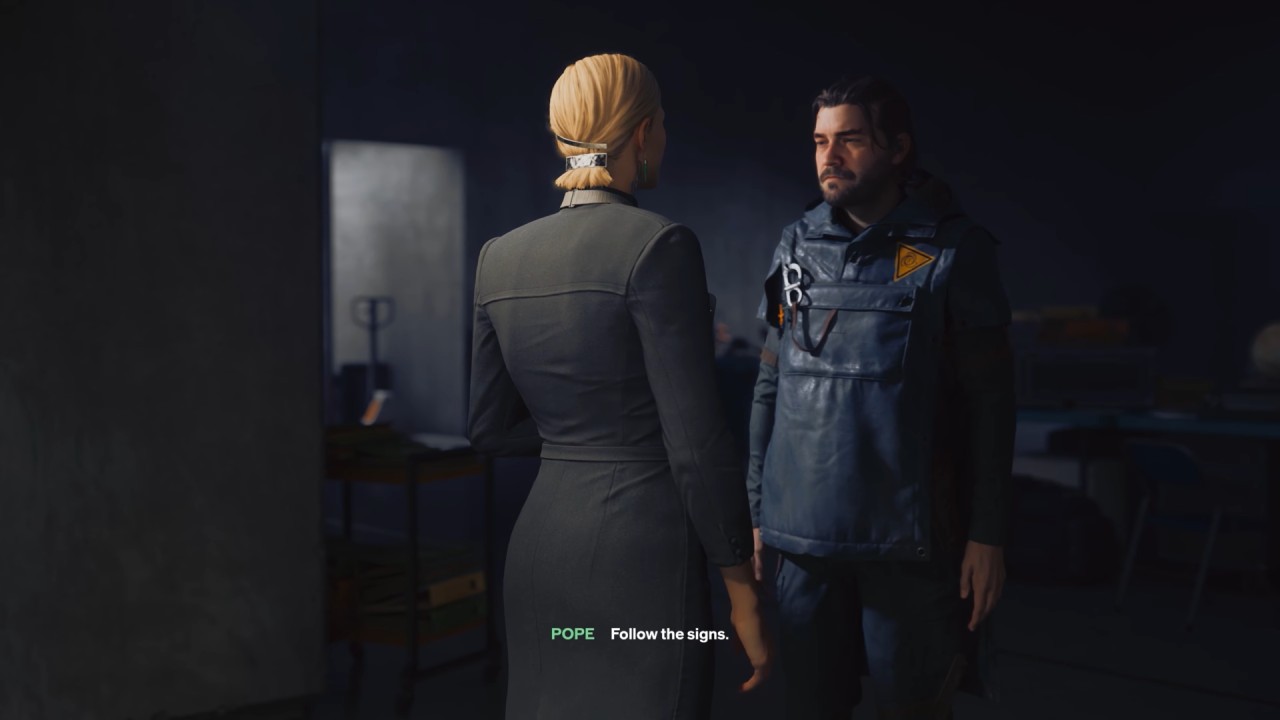
CONTROL Resonant takes that foundation and changes one of its biggest ideas. Instead of relying primarily on the ranged combat and telekinesis that made Control stand out, Remedy moves the focus toward close-quarters combat.
You no longer simply throw objects across rooms or fire the Service Weapon at everything that moves.
Dylan Faden steps into the spotlight with a shape-shifting weapon called the Aberrant, and suddenly almost every fight becomes a physical performance built around dodging, combos, executions, abilities, and movement. It is a pretty major change for a series that already had a distinctive identity, but it works because Remedy doesn't abandon the strange world that made Control memorable in the first place.
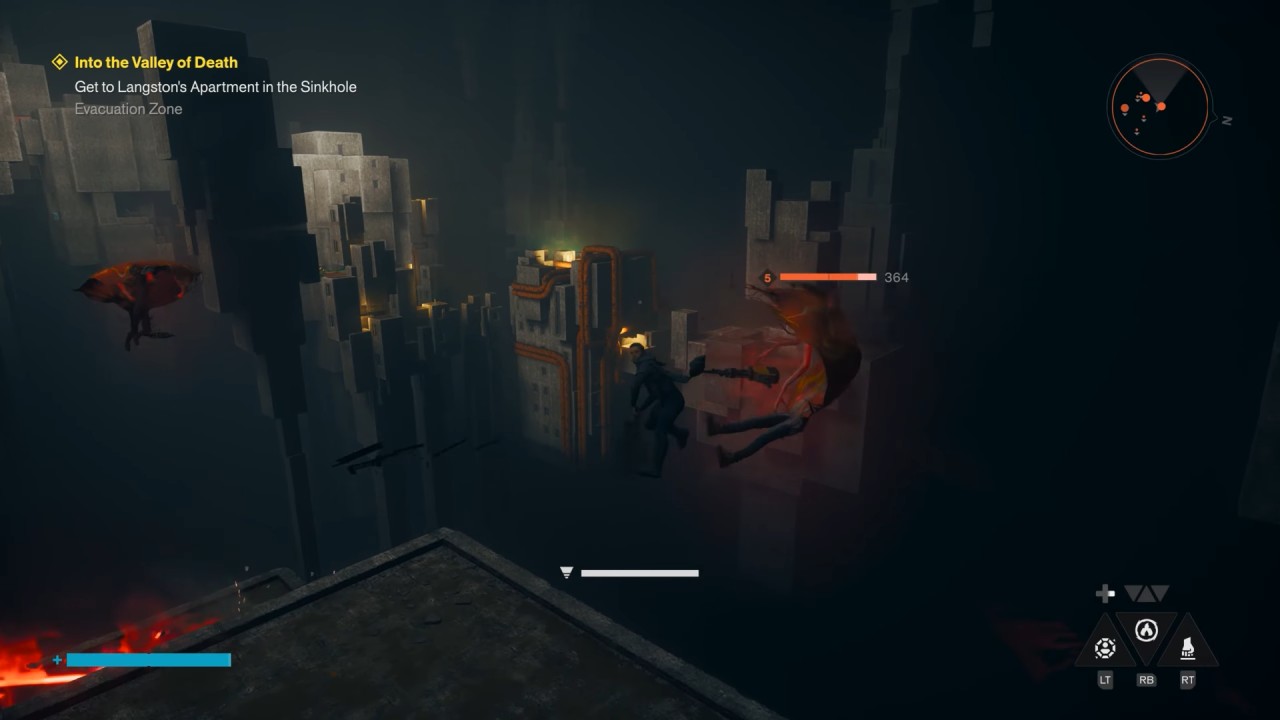
Manhattan has effectively become another impossible playground, with streets, buildings, gravity, and entire sections of the environment behaving like something from another dimension. You spend your time moving across walls, ceilings, and distorted spaces while fighting enemies that look as though they escaped from some paranormal case file.
The result is a sequel that feels familiar without simply repeating Control's formula.
The story begins with Jesse Faden, director of the Federal Bureau of Control, missing after entering the Oldest House to contain the Hiss. As the Bureau's lockdown falls apart and the Hiss spreads into the streets, another anomaly known internally as the Pattern appears. At the same time, the Mold continues to infest the environment, turning already dangerous areas into something even more hostile.
The Bureau eventually turns to Dylan Faden, Jesse's brother, who has been locked away since the events surrounding the first game. Dylan has spent years dealing with the consequences of his connection to the Hiss, and the Bureau essentially sees him as both a potential solution and an extremely dangerous weapon.
Instead of giving him another gun and sending him into the field, they let him loose with the expectation that he might be capable of dealing with everything standing in his way.
Dylan, however, isn't interested in destroying the Bureau. His motivation is much more personal. He wants his sister, and that means digging through the Bureau's knowledge and finding out what happened to her. That gives the story a more focused emotional direction while still leaving plenty of room for Remedy's usual mysteries.
You are also dealing with a protagonist who isn't exactly the most reliable person to experience these events through.
Dylan has spent years in isolation, has suffered through a coma, and is trying to make sense of a world that is already difficult to understand. The Board continues to communicate in its bizarre, otherworldly way, while the Bureau's history, paranormal experiments, and various anomalies give you plenty of background information to uncover.
A lot of the storytelling is also built directly into exploration. You find documents, listen to conversations, encounter characters in the world, and slowly piece together what is happening instead of having everything explained through long cutscenes. The dialogue system also works while you are moving, so conversations don't constantly stop the action and pull you into separate cinematic sequences.
That approach helps the world feel more connected. Characters have information worth listening to, and some of the smaller conversations can give you more context about the Bureau and the strange events happening around Manhattan.
Dylan and Jesse's relationship also gives the story a stronger sense of purpose.
Rather than leaving their connection as another unresolved thread, the game spends its time bringing that relationship toward a proper conclusion. It still leaves room for the strange and unexplained, but the central emotional thread feels considerably more complete.
The biggest change you notice when you start playing is how physical everything feels. Dylan doesn't have the Service Weapon from the first game. Instead, he carries the Aberrant, a living piece of altered metal that can transform into different forms depending on what you need.
You can switch between weapons that cover different combat styles, including twin daggers, heavier blades, hammers, axes, spears, whip-like weapons, drills, staves, and gauntlets. You can build a loadout around a primary form for lighter attacks, a secondary form for heavier strikes and charged attacks, and another form that appears as a combo finisher.
That means your approach to combat can change considerably depending on the forms you choose. You can build around fast sword attacks and finish with a heavy hammer or gauntlet, or focus on different weapons entirely. The game gives you enough freedom to create a playstyle that feels like your own.
Movement is just as important.
Dylan is extremely agile, and you spend a lot of time dodging, dashing, jumping, flipping gravity, and eventually moving across the environment in ways that would have been impossible in the original Control. Later abilities include the dash, double jump, levitation, and full gravity manipulation.
The movement abilities aren't just for combat. They gradually open up previously inaccessible parts of the map, turning progression into a mixture of exploration and ability-based traversal. The platforming challenges that introduce some of these abilities are generally straightforward. Still, they work well because they give you a reason to learn how the new movement system functions before sending you back into the wider world.
The Gap acts as your central customization area. You can access it quickly without a traditional loading screen, essentially zooming into Dylan's mind and arriving at the hub. From there, you can work on weapon skill trees, ability trees, branching upgrades, and artifact crafting.
Your upgrades can change how combat works in small but meaningful ways. You can improve healing, extend ability duration, increase stun windows, strengthen summons, improve sustained attacks, and create modifiers that change how you recover health or use your abilities. There is also a training area where you can test different builds without immediately throwing yourself into another fight.
The progression system therefore encourages experimentation rather than simply giving you a fixed character to control.
Combat is where CONTROL Resonant really separates itself from its predecessor. The basic loop centers on attacking, dodging, building resources, applying Falter, and then taking advantage of vulnerable enemies with executions.
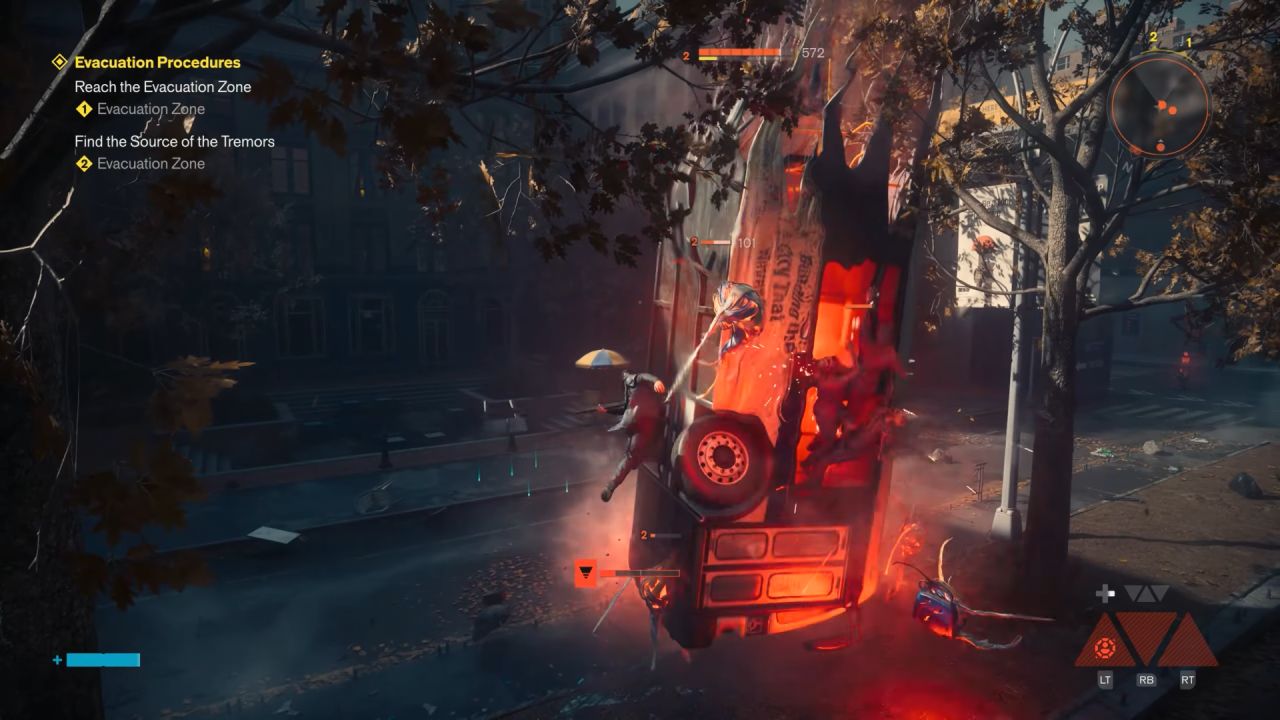
The system feels responsive without losing the physical connection between Dylan and the world. Perfect dodges can trigger retaliation opportunities, while air combos and animation cancels allow you to stay aggressive. You can launch enemies into the air, continue attacking them, and then finish them with executions that send Dylan flying across the arena.
The combat also rewards movement. Standing still and waiting for enemies to attack isn't really the intended approach. You constantly switch targets, dodge incoming attacks, swap weapons, and use abilities to control the battlefield.
Supernatural powers add another dimension.
You can configure several abilities across two hot-swappable sets, including ranged rock artillery, turrets, shields, telekinetic attacks, ground slams, and other powers. These abilities don't replace the Aberrant; they work alongside it, so you can switch between close-range attacks and supernatural abilities based on the circumstances.
Some enemies can be hard to read, especially when several different enemy types attack at once. Certain designs lean heavily into elemental or insect-like forms, and some attacks can feel more like environmental hazards than clearly communicated enemy moves. A giant laser suddenly crossing an arena can sometimes feel less like an attack you anticipated and more like something you noticed too late.
The same inconsistency applies to some bosses. Some encounters stand out, but others don't have the same impact. Since many major enemies are tied to the people and situations found throughout the world, the variety can sometimes feel limited.
The puzzles are another area where the game is less ambitious.
A lot of the challenges revolve around traversal and figuring out how to reach somewhere with your abilities. That fits the movement-focused design, but it also means the puzzles don't always reach the same level of creativity found in some of Remedy's other work.
Exploration itself is much more interesting. Defeating a Resonant can reset the surrounding area, bringing enemies back in larger numbers or with different variations. Instead of simply clearing a location and permanently removing every threat, the world remains active around you.
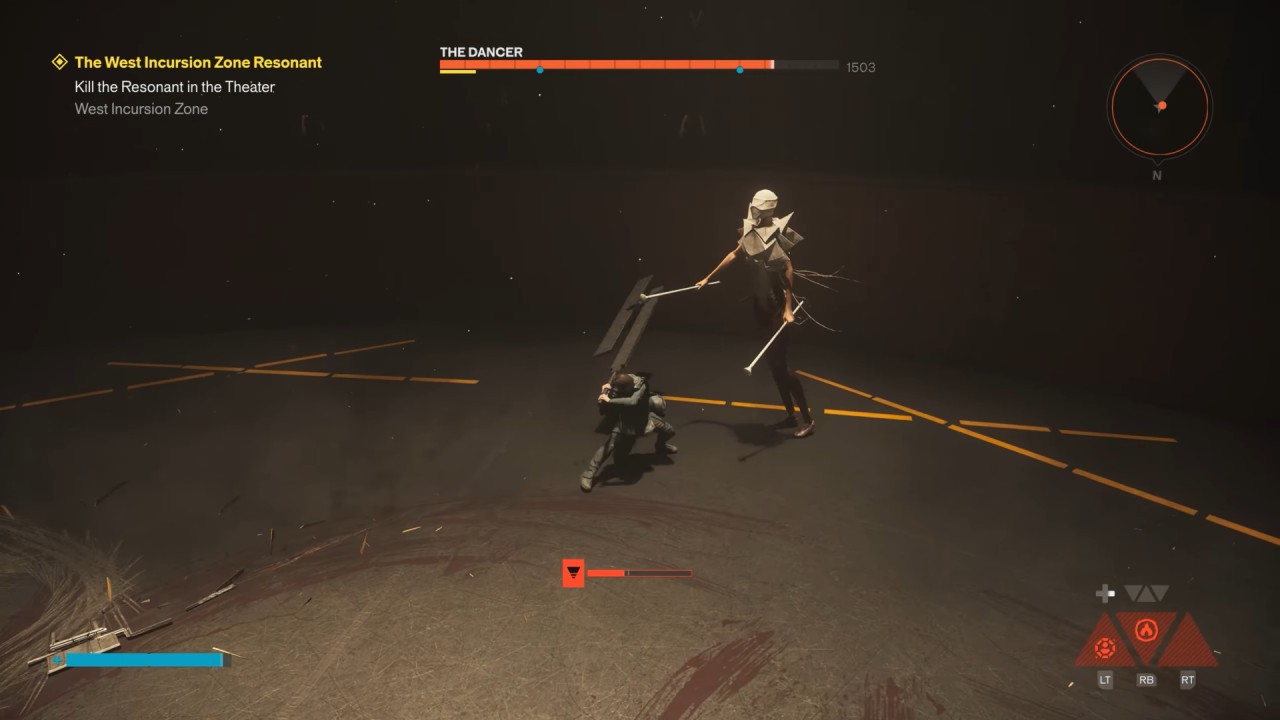
The door-based teleportation system also keeps this from becoming an exhausting backtracking exercise. You can move across large portions of the map relatively quickly, making it easier to return to areas after unlocking new traversal abilities.
There isn't a traditional XP grind that forces you to repeatedly fight enemies just to make the story playable.
Instead, progression comes through exploration, combat, ability unlocks, upgrades, artifacts, and defeating Resonants. This keeps the focus on experimenting with your build and learning the world rather than farming enemies for hours.
CONTROL Resonant runs on Remedy's Northlight engine, the same technology that has powered several of the studio's recent games but has been heavily rebuilt for this project. The focus on GPU rendering, mesh shaders, and other improvements allows the game to handle enormous environments and some extremely demanding visual effects.
On powerful hardware, the performance can be excellent. The game asks a lot from your system, especially when you combine long draw distances, large battles, changing gravity, environmental effects, and rapidly shifting perspectives.
You can go from running along a wall to flipping the world around and fighting while standing on the ceiling. The game has to maintain stable hit detection and animation during all of that, and for the most part, it manages it impressively.
Ray tracing is where things become more demanding.
Higher settings can cause noticeable performance drops in certain areas, particularly inside some buildings and specific sections. Turning ray tracing down or off makes the game considerably easier to run while still maintaining the visual quality.
Visually, the game carries forward the same unsettling identity as Control. Manhattan has been twisted into something that barely resembles a normal city. Buses and taxis can appear upside down, buildings stretch into impossible configurations, and entire environments can change orientation.
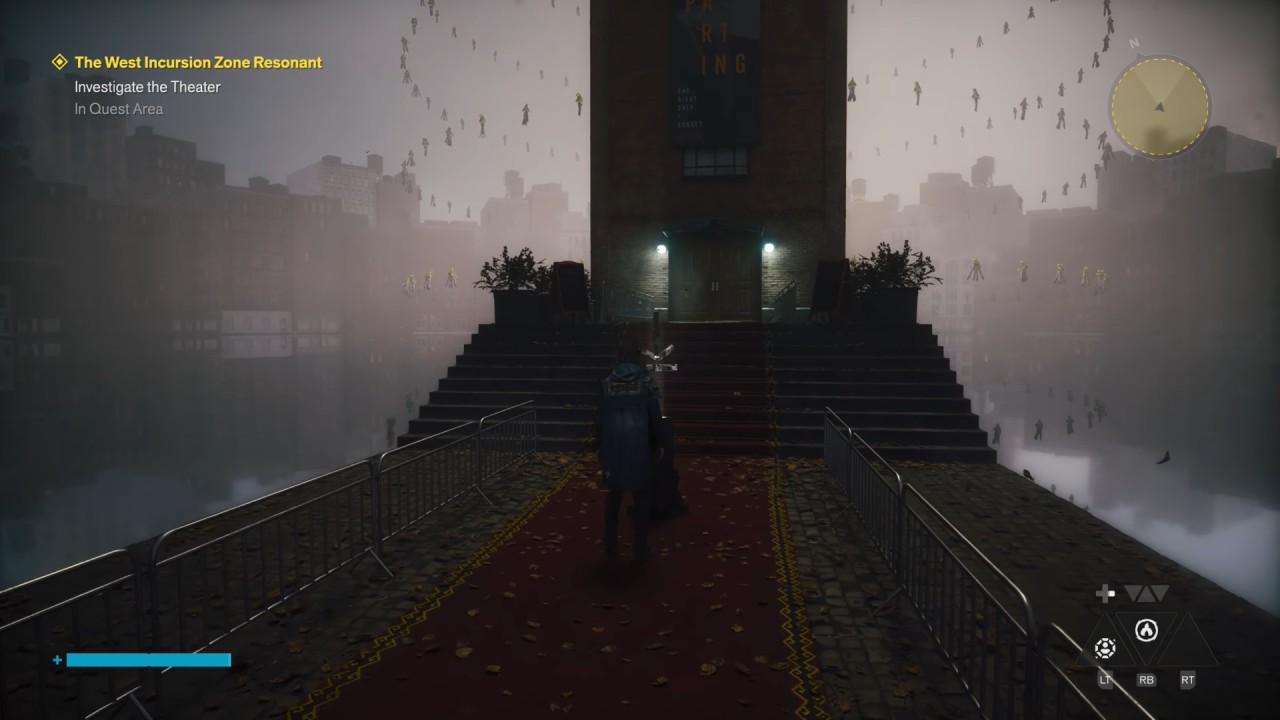
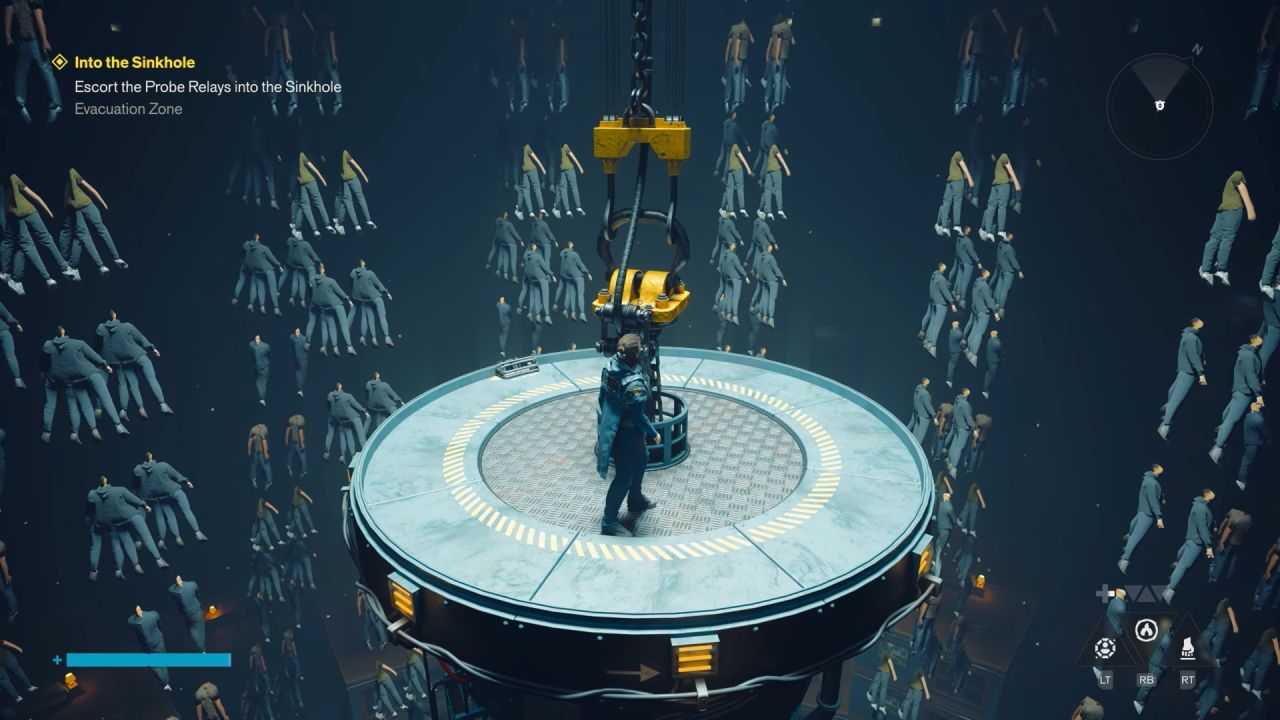
One particularly memorable sequence takes place around a sinkhole where you follow music through looping apartments arranged almost like an open dollhouse. Rooms sit sideways and upside down, with hundreds of spaces stacked together like something designed during a fever dream.
The level design itself feels like part of the character. Rather than simply providing arenas to fight in, environments constantly change how you think about movement and space. Dylan's animations also help sell this. His body reacts quickly when you change direction, while the Aberrant can transform between weapon forms during attacks without breaking the flow.
The result is a world that feels like something you are physically trapped inside rather than a collection of levels.
Music has always been important to Remedy's games, and CONTROL Resonant continues that tradition. The score combines unnerving sounds, low frequencies, warped textures, and more traditional musical arrangements to make something that works for both combat and exploration.
Music is not just ambient music. It often interacts with the environment, shifting between quiet bureaucratic spaces and chaotic fights, never fully leaving the game's creepy atmosphere.
There are also specific musical moments connected to Resonants. After defeating one of these bosses, music can accompany your escape from the area. Those tracks give the world a sense of identity and make music feel like part of the game's navigation and storytelling, not just another layer of presentation.
The sound effects are equally important.
You hear strange whispers and atmospheric noises while exploring, followed by the Hiss and the impact of close-range combat. One particularly effective sequence takes place in a subway maze, where trains race past you while horns blare and debris flies through the air.
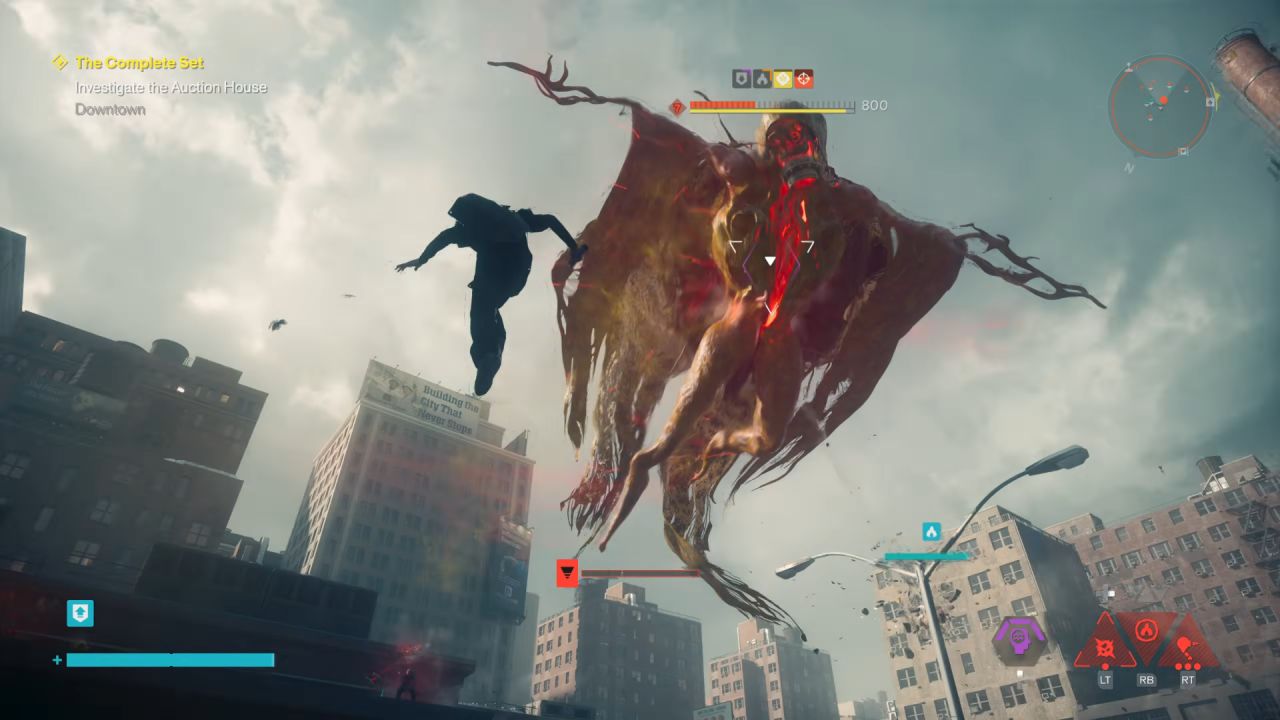
Voice acting is another area where the game settles into its new direction. Dylan's performance doesn't simply try to imitate Jesse's role from the first game. Instead, his conversations and dialogue choices make you feel more directly involved in controlling the character.
Some deliveries are rougher than others, but the overall performances work well, particularly when combined with conversations that continue while you explore.
CONTROL Resonant could easily have been a sequel that simply repeated Control's formula with a different character and another supernatural mystery. Instead, Remedy takes one of the game's biggest strengths, its strange and unpredictable world, and builds an entirely different combat system around it.
The switch to close-quarters combat is the biggest gamble, but it pays off. The Aberrant gives you a weapon that can constantly change with your playstyle, while Dylan's supernatural abilities give you plenty of options when fights become more complicated. Once you start combining weapons, dodges, executions, abilities, and movement, combat develops a rhythm that feels very different from the original game.
The exploration is equally important.
Manhattan isn't just a backdrop for the story. It is constantly changing around you, with gravity, architecture, and traversal all becoming part of the experience. Unlocking movement abilities makes the map more interesting over time, although the level design can sometimes leave you unsure about where you are supposed to go.
The same ambition occasionally creates problems. Some enemy designs are hard to read, certain bosses don't make the same impression as others, and the final act can feel repetitive. The puzzles could also have been more closely tied to the imagery and strange logic of the first Control, or the more elaborate puzzle design seen in Alan Wake 2.
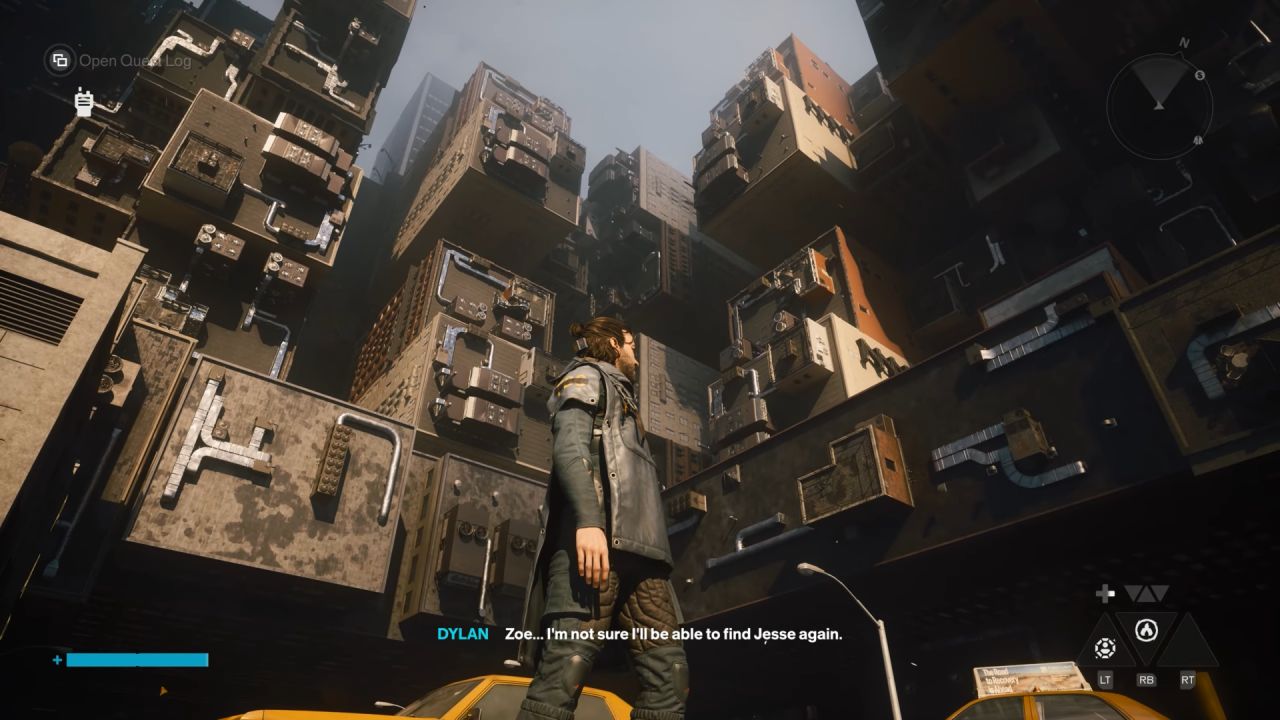
Even with those issues, the core package remains remarkably cohesive. You get a strange story, a world that constantly changes around you, responsive combat, a flexible progression system, and a visual style immediately recognizable as Remedy's work.
The technical demands are noticeable, particularly with ray tracing, and some locations suffer from frame-rate fluctuations.
But when everything comes together, running across walls, flipping gravity, transforming the Aberrant mid-combo, and tearing through enemies with supernatural abilities feels exactly like the kind of strange experiment Remedy should be making.
CONTROL Resonant doesn't try to replace Control. It takes the same foundation and pushes it in another direction, giving you a more physical and aggressive way to experience Remedy's paranormal world. It is weird, sometimes messy, occasionally frustrating, but it rarely feels ordinary.
Senior Editor, NoobFeed
Verdict
CONTROL Resonant successfully turns Control's paranormal world into a fast, close-combat experience. A few technical and repetitive moments hold it back, but the combat, exploration, visuals, and storytelling make it a compelling sequel.
100
Related News
No Data.