
How Cheap Subscriptions and Niche Games Hurt the Profits at XBOX
Heavy studio funding, a day-one subscription model and slower growth than Microsoft expected are raising questions about who answers for where XBOX stands today.
News by Adeela Tas on Nov 05, 2026
Picture spending years on a game that your publisher fully funds, then admitting that if the financial call were yours, you probably wouldn't have backed it. That is roughly what David Sears, the creative director behind South of Midnight, said in a recent interview, and it has put Phil Spencer and his time running XBOX back under the microscope.
The more that comes out about how the division was managed, the more the argument grows that the man who once helped save the brand also helped run it into the ground, with Game Pass named as one of the biggest missteps. To see how it got here, you have to start at the beginning.
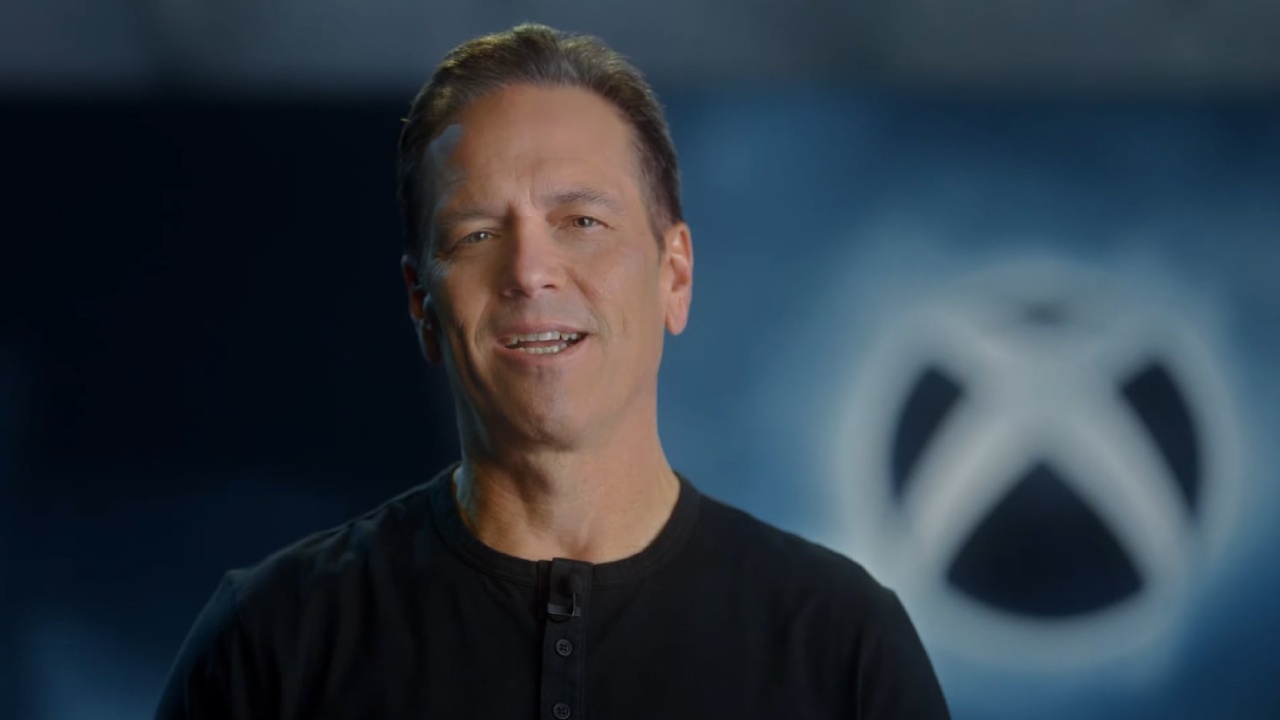
When Phil Spencer took over in 2014, the brand was in trouble.
Microsoft had botched the XBOX One launch, the messaging was poor, Kinect was forced on buyers, and Sony was running circles around XBOX. He put the focus back on games, which restored some confidence, and that was what XBOX needed.
Looking back, though, the argument is that being a likable leader and running a multibillion-dollar gaming business are two different things, and the decisions made under Phil Spencer are now catching up with the company in a big way, back to that interview.
Sears described the creative freedom, financial support, and backing Microsoft gave his studio, and said he wondered whether XBOX had unlimited money. He also voiced concern that somebody would eventually shut off the money tap, and that concern turned out to have some basis.
Supporting developers who try new ideas has value, but there is a difference between backing creativity and funding projects without enough financial accountability. South of Midnight wasn't the only case. Under Microsoft, Double Fine, led by Tim Schafer, had room to chase unusual projects that traditional publishers might have questioned, and that is how Keeper, a game built around a walking lighthouse, got made.
Plenty of XBOX players enjoyed Keeper through Game Pass, yet the claim is that few of them, if any, would have paid for it.
Then there is Kiln, another unconventional Double Fine project. None of this means the games are bad. The issue is the decision to fund so many niche projects while XBOX's core business was struggling. At some point somebody has to ask who will actually buy these games, and whether enough people will to justify the investment, because creative freedom doesn't count for much if it doesn't pay the bills.
That leads to what is described as Phil Spencer's biggest strategic mistake: the day-one subscription model. Players aren't at fault. It is a value service, a monthly fee for a library that includes major first-party releases, and if you are getting your money's worth, subscribing makes sense.
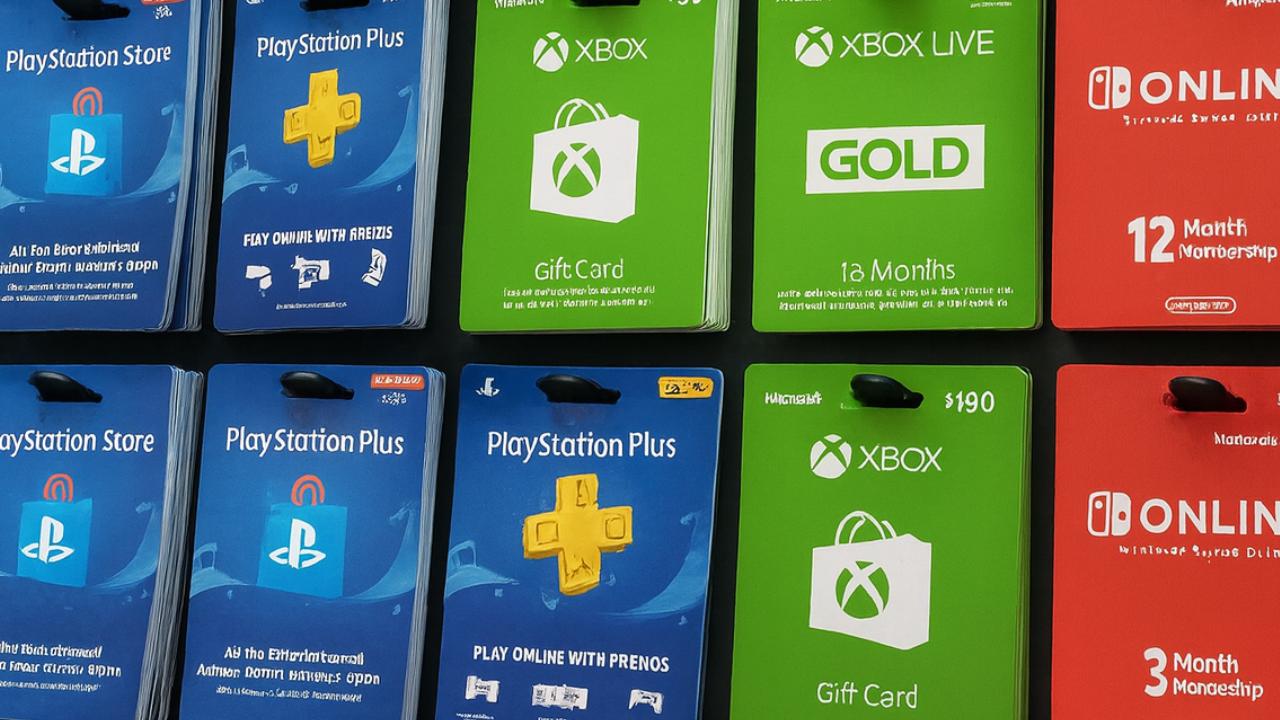
Skipping a $70 purchase for a game that Microsoft has already put in a service you pay for is just common sense. The criticism lands on the leadership that built the model without making sure it could deliver sustainable growth. Under that model, Microsoft effectively conditioned its customers not to buy its first-party games.
Audiences were trained to expect major releases on the service on day one, and once that expectation exists, convincing people to start buying those games again is a hard sell. The service also hasn't delivered the growth Microsoft expected. XBOX CEO Asha Sharma acknowledged this past July that the company's bets on the subscription, multiplatform publishing and a bigger portfolio hadn't grown at the pace it anticipated.
Growth missed expectations, so why did Spencer keep pushing the strategy?
There is also the idea of short-term pain for long-term gain. Businesses sometimes have to make unpopular decisions now to protect themselves later. The argument is that XBOX should have stopped putting its biggest first-party releases on the service on day one years ago.
Some subscribers would have been upset, and some would have canceled, but it could have restored the incentive to buy the games. Instead, Microsoft kept reinforcing a model that weakened the perceived value of its own titles, and the longer it ran, the harder it became to reverse course on day-and-date releases.
The position is that they should still be pulled. The subscriptionisn'tt the only factor discouraging purchases. XBOX also funded games that may not have had enough buyers in the first place, like South of Midnight, Keeper, and Kiln. Some people did buy them, but some games are considered niche for a reason.
Niche games plus a subscription left Microsoft spending more with unclear returns.
Combine limited commercial appeal with a subscription that removes much of the reason to buy individually, or even to join the service, andit'ss unclear where the return on investment is supposed to come from. For years, Microsoft's answer has been more of everything: more content, more studios, more acquisitions, and the hope that subscriptions would eventually justify the spending.
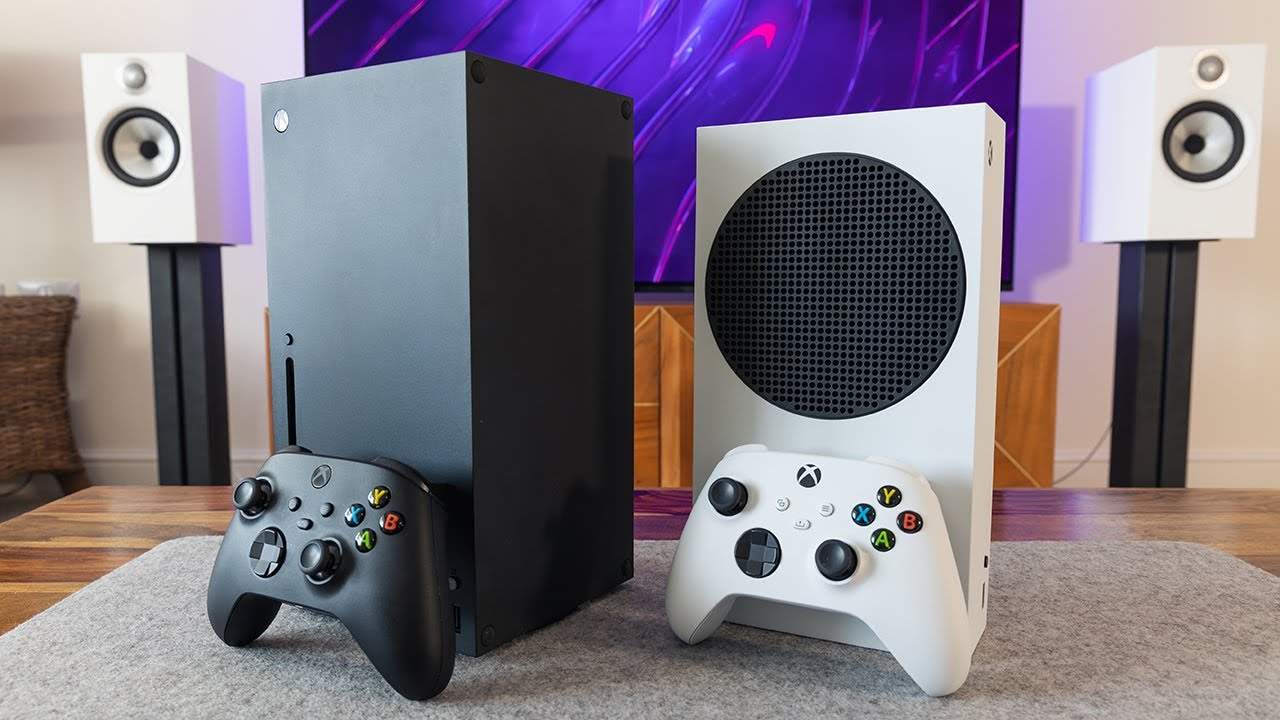
Being able to afford it doesn't make it sustainable, and eventually the bill arrives. Microsoft bought Activision Blizzard and Bethesda, which brought in some of the biggest franchises in gaming history, yet the hardware and the subscription service both struggle.
Phil Spencer also tried the multiplatform route, and according to Asha Sharma, itdidn'tt make a dent. Now she is pulling games from competing platforms, and the entire lineup could end up exclusive. The company is trying a lot of things to steady a ship that, in this telling, Phil Spencer helped sink.
That raises the question of accountability. Phil Spencer wasn't a middle manager watching from the sidelines. He led XBOX through all of these decisions, and leadership means owning the results as well as the credit. During the studio buying spree, the message was creative freedom: give developers resources and let them experiment.
Creative freedom without oversight left studios paying for leadership's decisions.
On paper, that sounds great, but it leaves open who provided oversight, who made sure budgets made sense, who decided whether a realistic audience existed, and who takes responsibility when investmentsdon'tt work. Creative freedom and a blank check are different things. When the strategy missed the growth Asha Sharma later described, developers dealt with the consequences: studios were closed, projects were canceled, and people lost their jobs.
They didn't create Microsoft's business model, didn't invent the subscription, and didn't decide XBOX should spend billions acquiring publishers. They worked inside a system their leadership built. That also changes how we blame studios like Double Fine for making niche games such as Kiln, since they were taking advantage of the opportunities offered, the same way players take advantage of the service.
Responsibility sits with the leadership that created the system and kept pushing it without delivering the results the business needed, which brings the focus back to Phil Spencer. He did help rescue XBOX from the XBOX One disaster, but the decade that followed went to a vision that didn't deliver.
The line that XBOX was always playing the long game has worn thin, because at some point the long game has to produce results. You can't keep promising success is around the corner while your hardware struggles, your business strategy keeps changing, and your audience is less inclined to buy your own games.
On Game Pass, the position is that it should have complemented XBOX's traditional business, and that Microsoft instead let it undermine that business.
It can be a great deal for you and still be a bad strategy for XBOX, and both can be true at once. Leadership, the argument goes, should have recognized that years ago. Competition is good for gaming, for consumers and for developers, but a brand isn't rebuilt by defending every bad decision from the previous leadership.
It starts with acknowledging what went wrong, including that Phil Spencer's vision didn't deliver. He may have saved XBOX once, yet he also spent the next decade running it into the ground, and the developers, the brand, and the players all deserved better.
Editor, NoobFeed
Related News
No Data.