
Steam Hardware Survey: 32GB RAM Grows as RTX 3060 Leads GPU Rankings
NVIDIA maintains its mainstream graphics advantage as older GeForce cards remain surprisingly popular among budget-conscious PC gaming enthusiasts.
Hardware by Masaru Hoshino on Nov 04, 2026
Valve's monthly Steam Hardware Survey provides one of the clearest images of how PC gaming hardware adoption is evolving. These statistics don't represent all PC gamers globally. Still, they do offer a snapshot of the components players are actually using, giving manufacturers and PC builders a clearer sense of mainstream hardware demand.
The October 2026 results bring a few unexpected occurrences. The most popular GPU is the RTX 3060, although the older card has taken back the top spot in the graphics card rankings from its younger sibling, the RTX 3090. Meanwhile, 16GB RAM has returned to the top after losing some ground to 32GB variants back in September. Windows 11 is extending its dominance, and Intel and AMD remain close in the chip race.
These shifts highlight a divide between the gear gamers have now and the hardware they should buy for future upgrades.
GPU Landscape: NVIDIA Maintains Its Mainstream Advantage
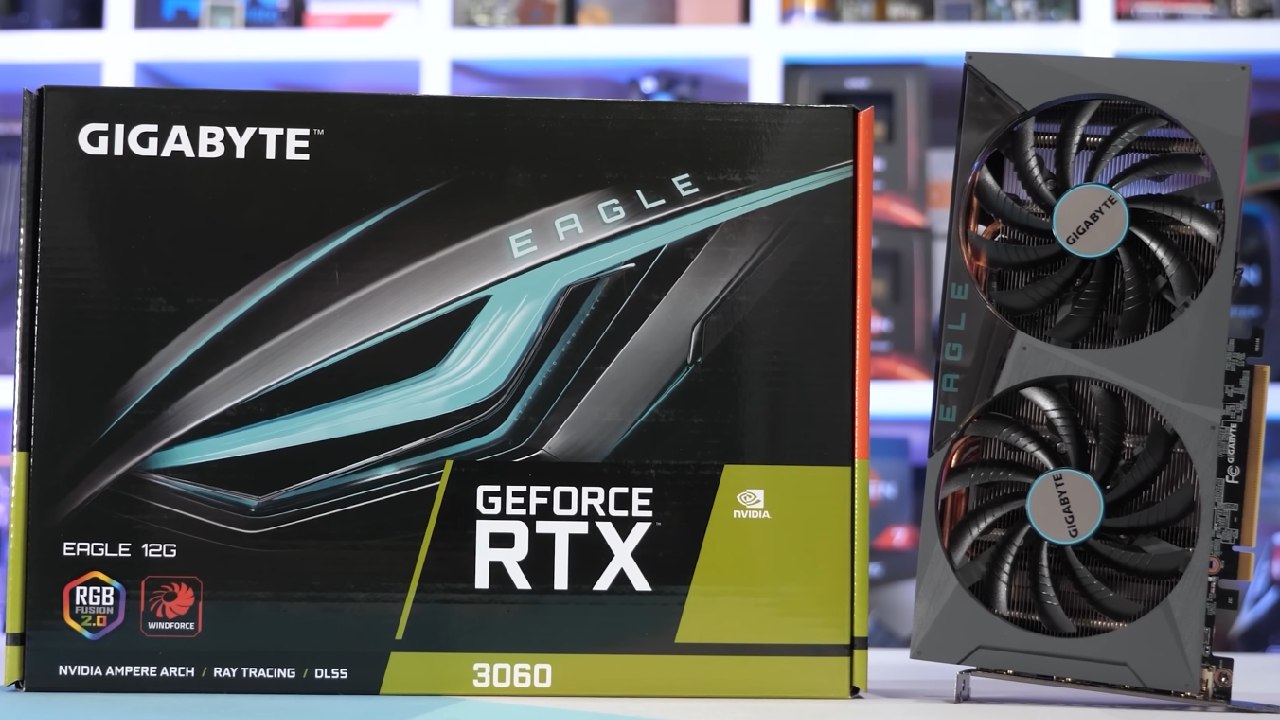
NVIDIA's GeForce graphics cards remain at the top of the Steam GPU rankings. The October surprise is the RTX 3060, which has recaptured the top spot with 3.62% market share, almost edging out the RTX 5070.
The RTX 3060 is an older model, but it's still a sensible choice for its price, availability, and solid 1080p gaming performance. Its popularity suggests gamers don't necessarily replace their graphics cards with each new iteration. New hardware keeps coming, but many users upgrade based on real-world performance gains and price.
The RTX 4060 and RTX 4060 Ti remain key parts of NVIDIA's mainstream ecosystem. Their accessibility, efficiency, and DLSS support make them interesting options for budget-conscious gamers aiming for 1080p gaming. But the prevalence of older cards suggests pricing remains a major hurdle to rapid generational adoption.
AMD is in a different boat. Radeon graphics cards can be competitive on performance, at least in price-sensitive categories, but it's still hard to translate that into a larger market share. Still, the company's entrenched ecosystem, retail presence, and software features give it an advantage. The October results for GPU makers underline the need for affordable products, rather than focusing on expensive flagship items.
32GB RAM Shift: Why 16GB Has Returned to First Place
One of the more noteworthy breakthroughs in October is in system memory. The latest poll shows a major reversal as 32GB RAM briefly takes over 16GB in September
16GB RAM is presently present in 41.42% of examined systems, and 32GB configurations account for 37.06%. This puts 16GB back in the lead, though the gap doesn't necessarily mean gamers are turning away from larger memory setups.
That's essential context, because the linguistic distribution of the poll has changed substantially. Simplified Chinese participation fell off a cliff, whereas English involvement rose. Demographic shifts might affect hardware data, as different user groups may have different upgrade habits and system setups.
But 32GB is still a reasonable objective for modern gaming PCs. Modern AAA games increasingly run alongside background apps, launchers, browsers, and communication software. More RAM equals more flexibility, especially for those who game while multitasking or streaming. So, while 16GB is still workable, 32GB should be the default configuration for new gaming builds in late 2026.
Windows 11 Dominates as Intel and AMD Battle for CPU Share
The OS system transition continues to shift in Microsoft's favor. Windows 11 now runs on 72.51% of surveyed systems, while Windows 10 has dipped to 21.11%. The shift is linked to Microsoft's end-of-support date for Windows 10 and the growing number of new machines that come with Windows 11 preinstalled. That makes Microsoft's new operating system increasingly relevant for developers and hardware makers.
The processor market is still much more competitive. Windows-based systems: Intel 53.48% vs. AMD 46.51%. No manufacturer has taken a commanding position. The core counts are similarly interesting. As for core count, 28.68% of computers have eight-core processors, while 27.29% are six-core configurations. Together they account for almost 56% of surveyed systems.
This shows that six- and eight-core configurations remain mainstream. Processor manufacturers should focus on gaming performance, cache efficiency, and power consumption, not just adding cores.
Editor, NoobFeed
Gaming Hardware Updates
No Data.