
Sony’s Dynamic Pricing Sparks Yet Another PlayStation Backlash
Sony’s reported move towards individual pricing is raising questions about transparency, customer trust, and the future of physical games.
News by Elme Dhee on Nov 03, 2026
PlayStation fans are raising questions about Sony's growing use of dynamic pricing, a system that can show different prices to different customers. Reports of individual pricing on the PlayStation Store have added to concerns about how digital games are sold. The debate is also tied to a wider issue: players have fewer physical options as gaming moves further online.
Sony's approach has drawn attention because dynamic pricing could mean that two players see different prices for the same game. One X user shared a screenshot claiming that The Last of Us Part I was listed at $23.99 while signed out, but appeared at $43.99 after signing in. That example doesn't show how broadly this pricing is being used.
Even so, the possibility has unsettled players who expect a consistent price on the PlayStation Store. If prices vary between accounts, customers may find it harder to know whether they are getting a fair deal. It could also make comparing offers less straightforward, especially for people who regularly check sales before making a final purchase.
Sony's pricing strategy raises questions about how much players spend.
But the debate over dynamic pricing isn't solely about whether one customer pays more than another. It also raises questions about how Sony might use player data when setting prices. The concern is that individual pricing could help the company earn more from existing users, rather than relying only on standard discounts or broad price changes.
That possibility matters because players already have limited control over digital purchases. A physical game can sometimes be bought second-hand, traded, lent to someone else, or kept independently of an online store. Digital purchases do not offer the same flexibility. When a game is tied to an account and a platform, the buyer has fewer alternatives if its price changes. More changes could affect the PlayStation Store.
Dynamic pricing has also led to speculation about what Sony might introduce next. The transcript raises the possibility of further monetization changes, although it does not confirm any specific plans. The big question now is whether the PlayStation Store might start offering more personalized prices without telling customers how it decides them.
If we do see more individual pricing, transparency will be important. Players will have to understand why a game costs one price for one account and another price for someone else. Without explanations, differences could easily be viewed as unfair. That lack of trust could become a bigger problem as more customers turn to digital purchases.
Transparency in pricing is even more crucial with digital ownership.
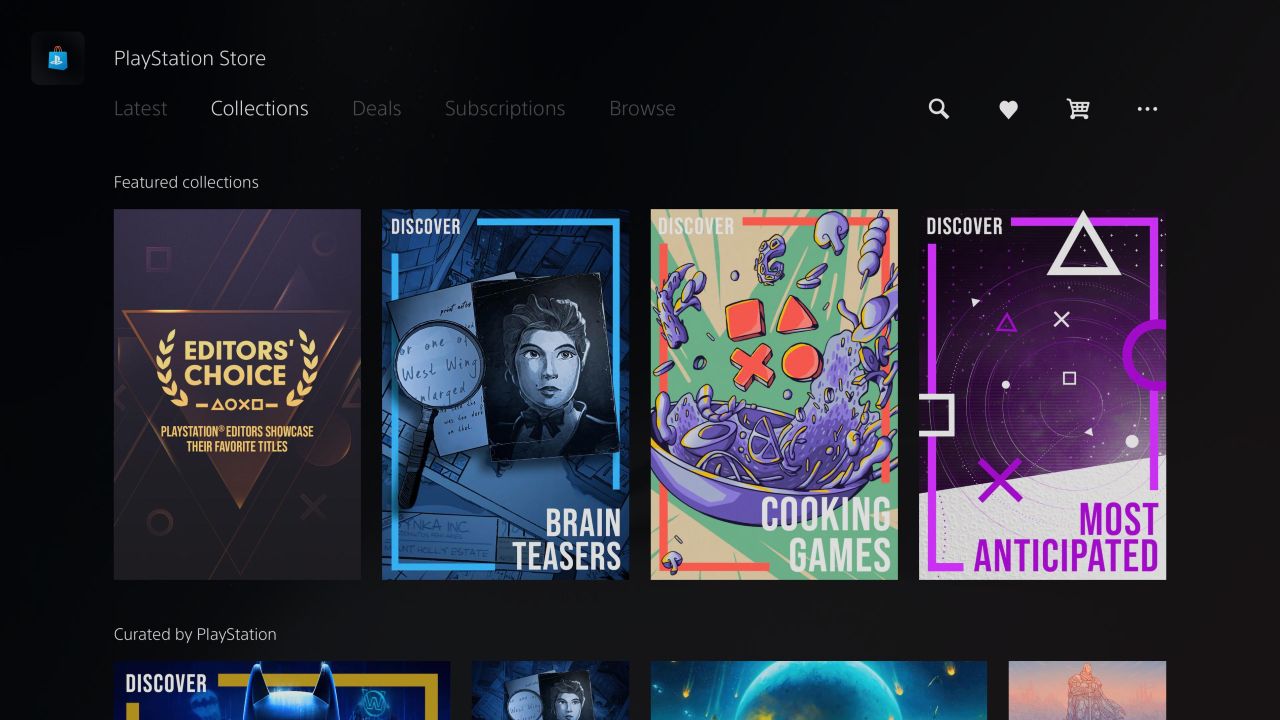
That shift away from physical games adds another dimension to the debate. With fewer gamers buying discs, the PlayStation Store becomes more important for buying and accessing games. Customers who rely on digital libraries cannot just turn to another retailer as they might when looking for a physical copy.
Physical discs still give players choices that digital purchases cannot fully replace. They can be resold, shared, or collected, while digital games are generally connected to the account used to buy them. If digital prices are also personalized, players may feel they have even less control over what they pay and how they access their games.
Sony's job listing adds to the concerns.
A Sony job listing reportedly included the phrase "individual pricing," bringing fresh attention to the possibility that the company is exploring personalized pricing for its games. The wording has caught players' attention because it suggests Sony may be looking at ways to adjust prices for individual customers. However, the listing alone does not confirm how such a system would work.
It also does not prove that dynamic pricing is already active across the PlayStation Store or that different users are currently being charged different amounts. Still, the reference has added weight to existing concerns about Sony's pricing strategy. Players are now questioning whether personalized prices could become a regular part of the company's approach to selling digital games.
PlayStation Store anniversary post receives backlash.
The debate comes as the PlayStation Store marks its 20th anniversary. A celebratory post from Sony reportedly received backlash, with some players using the occasion to voice frustration about pricing and digital ownership. Rather than focusing only on the milestone, the response reflected wider concerns about how the store serves its customers across the platform today.
For PlayStation, the challenge is not simply deciding how to price games. It is maintaining players' trust while more purchases move into a digital environment. Sony has not confirmed every concern raised in the discussion, and the reported examples do not show that all users receive different prices. Still, clearer communication could help prevent suspicion from growing.
Editor, NoobFeed
Related News
No Data.