
AMD Zen 6 and Intel Nova Lake Could Boost CPU Performance
Intel Nova Lake and AMD Zen 6 could bring 10–20% performance gains as CPU development continues into 2027.
Hardware by Nahe Yan on Nov 05, 2026
The CPU market could see progress in 2027, even as GPUs, RAM, and storage face pricing pressure. Intel is preparing Nova Lake, while AMD is working on Zen 6. Both platforms are expected to bring architectural changes and performance improvements. However, the bigger problem for PC buyers may not be CPU performance but the cost of building an entire system.
The CPU market should see some progress, which could be good news for PC buyers. Intel has Nova Lake coming out, and several leaks have already surfaced about the platform. Intel appears to be leading with a new design that includes more cores and additional cache. This could bring gaming performance in line with AMD's X3D processors, and it may even let Intel pull ahead in some cases.
Intel Nova Lake and AMD Zen 6 Could Bring Performance Improvements
AMD also has Zen 6 in development, which we could start seeing in 2027. Both companies have new products coming, so the CPU market should see some movement over the next year. However, the problem may not be a lack of new products. Instead, people may be finding it difficult to afford an entirely new PC.
The CPU is only one part of the system, while almost everything else, apart from the motherboard, has become expensive. RAM, storage, and GPUs are major price drivers in the PC market. Graphics cards also contain their own memory, which adds another layer to the current pricing situation. CPUs haven't been affected to the same extent, but that doesn't mean they are completely separate from ongoing AI demand.
There have been discussions about allocations potentially moving around, although it is difficult to know exactly what is happening. The AI market requires CPUs for different workloads, which could force Intel and AMD to balance their CPU allocations across markets.
Even without direct competition for consumer CPU products, manufacturers still have to decide where to allocate their available production capacity each quarter. CPU prices seem stable right now, but that could change. The situation differs from consumer RAM, where there is direct competition for memory modules, and GPUs, where some consumer dies also compete for production capacity.
Zen 6 Could Deliver 10–20% Performance Gains.
Zen 6 is expected next year, while Nova Lake was previously expected to arrive later this year. Intel's timeline could still change, but both products should arrive soon. If Zen 6 delivers a performance improvement of around 15- 20%, that would be a welcome development.
However, the PC market is not currently facing a major CPU performance crisis. The situation is perhaps more problematic on consoles, but desktop CPUs are still in a reasonable position. We should not expect the next generation of processors to deliver performance improvements far beyond what the market has seen in recent generations. Gains of around 10–20% are more realistic, given the current state of the CPU market.
CPUs are arguably in one of the healthier positions in the hardware market right now. They are not the main bottleneck in the overall cost of purchasing a PC. CPU development isn't entirely dependent on transistor scaling and process-node shrinkage. Architectural improvements, cache, power efficiency, and other design changes also drive performance gains.
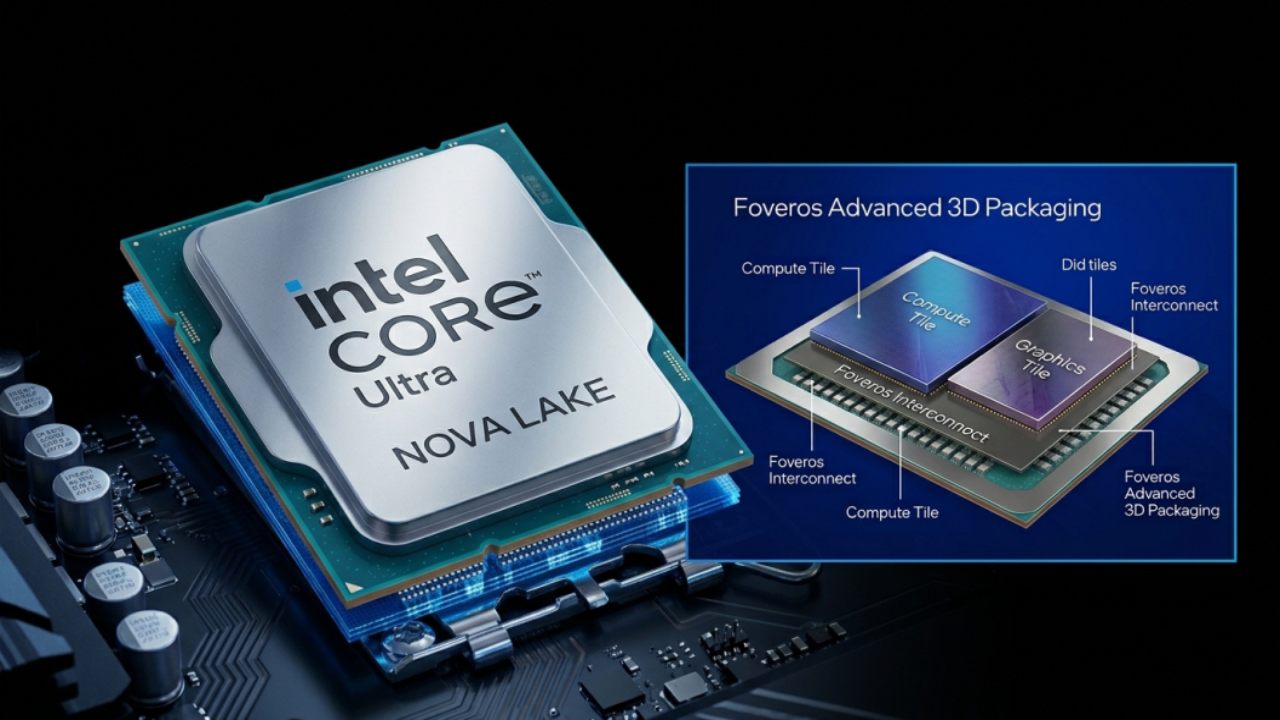
These gains may not be particularly exciting, but CPUs are in a reasonable position compared with GPUs, RAM, and storage. The next generation of consoles could also benefit from CPU improvements, as manufacturers may be able to scale CPU performance without increasing overall system costs by too much.
Next-generation consoles could be one area where CPU improvements make a difference.
Console manufacturers can increase CPU performance and deliver a jump over existing hardware without breaking the bank. Given the current hardware market, these are the types of improvements manufacturers may be looking for. A CPU upgrade could help next-generation consoles improve performance without relying entirely on GPU and memory upgrades.
This is different from the current GPU situation, where production constraints and pricing are creating problems. RAM and storage also face limitations, making them major obstacles for people planning to build or upgrade a PC. For a long time, the CPU was one of the most expensive PC parts.
People used to buy a processor first and build the rest of the system around it. That has changed, as CPUs are becoming a smaller part of the overall PC-building budget. Competition between Intel and AMD has also helped both companies keep producing processors with performance improvements and competitive pricing. Right now, you can be happy with either an AMD or Intel CPU, depending on your needs.
FAQ
Q. When are Intel Nova Lake and AMD Zen 6 CPUs expected to launch?
A. Intel Nova Lake is expected to arrive later in 2026, while AMD Zen 6 is expected to launch in 2027.
Q. How much performance improvement could AMD Zen 6 and Intel Nova Lake offer?
A. Next-generation CPUs could deliver around 10–20% performance improvements through architectural upgrades, cache improvements, and better power efficiency.
Q. Will CPU prices increase because of AI demand?
A. CPU prices currently remain stable, but growing AI demand could affect production allocations at Intel and AMD, potentially influencing prices in the future.
Q. Are CPUs the main reason new PC builds are becoming expensive?
A. No. RAM, storage, and GPUs are currently the main cost drivers for PC builds, while CPU prices remain relatively stable.
Editor, NoobFeed
Gaming Hardware Updates
No Data.