
Two Street Fighter Arcade Hits Arrive on N64 in New Fan Port
A fan-made port brings Champion Edition and Hyper Fighting to Nintendo’s console with arcade settings and a smart button layout.
News by Adeela Tas on Nov 04, 2026
AI tools have changed the retro gaming scene in a big way, and one result is a wave of games appearing on systems they were never meant to run on. A Halo project for the Nintendo 64 has already drawn attention, and although it is still a work in progress, it shows how far these ports can go. A Half-Life version for the console is also in development. This time, there is a finished project to talk about: Street Fighter on N64.
Capcom never released the series onNintendo'ss console, which is what makes this project stand out. It surfaced online through a creator showcase, and it appears to be a complete release rather than a rough demo. The download link is provided alongside the original showcase so that you can get the file straight from the source instead of a third-party copy.
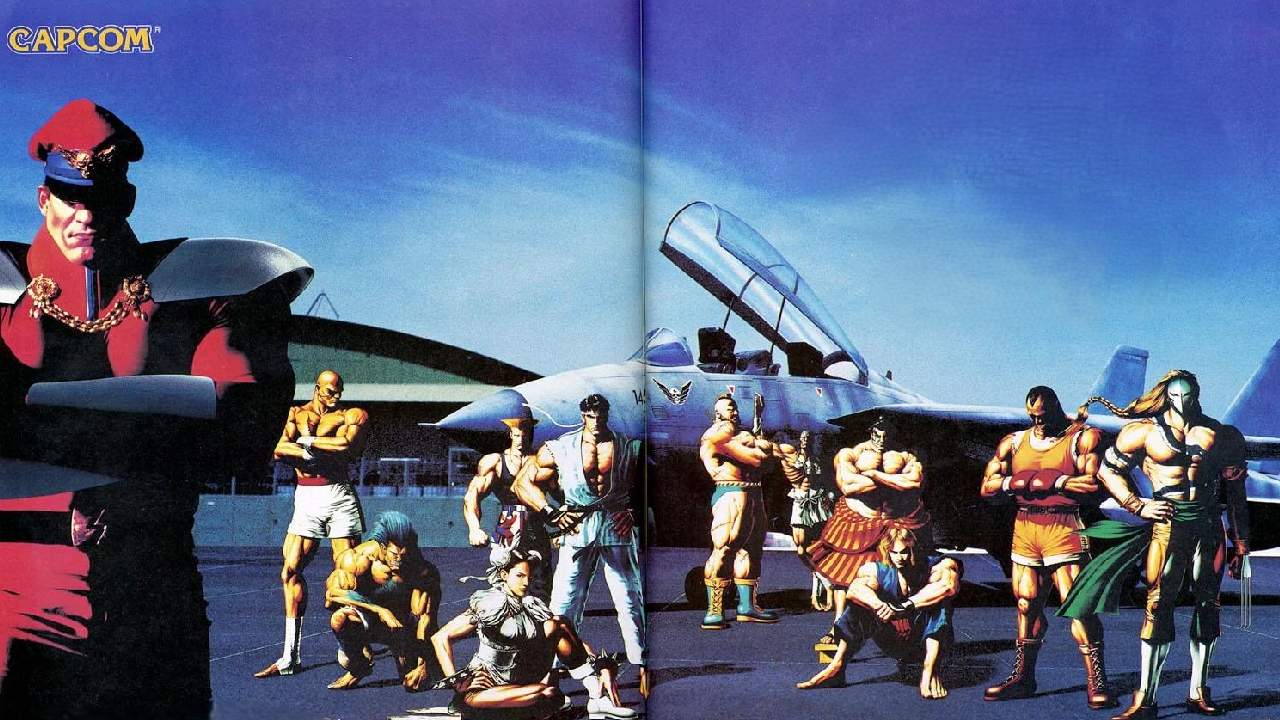
The package puts two games into a single N64 ROM: Street Fighter II: Champion Edition and Street Fighter II: Hyper Fighting.
A readme file explains the controls, and the layout is a thoughtful one because it imitates a six-button arcade setup on the N64 pad. DIP switch controls are also built in, which gives the port some of the feel of a real cabinet. The creator calls the whole thing the Street Fighter II Arcade Collection.
To see how it holds up, we tested the port on an Analog 3D, a system built to play N64 games, with the file loaded from a SummerCart64. We forced the Analog 3D to its original settings so the results reflect authentic N64 behavior instead of an enhanced mode. For anyone wondering whether Street Fighter on N64 can really work, that setup makes for a fair test.
Champion Edition loads first, and it is described as the arcade version of the game. The DIP switch menu appears right away, which is a nice touch. The audio is meant to reproduce the CPS-1 sound hardware that the original arcade board used, and in play it sounds very close to the arcade game. A home Arcade1Up cabinet served as the point of comparison, and the music and effects line up well.
The pace matches what you would expect from Champion Edition. It is slower and more methodical than the follow-up, and that deliberate speed still suits the series. Backgrounds are animated the way they should be, with the stages moving just as they do on the arcade original. Visually and sonically, Street Fighter on N64 comes across as a faithful take rather than a loose imitation. Some background helps here.
The earlier release arrived in the early 1990s as an update to the original Street Fighter II and added boss characters.
The follow-up then raised the game speed considerably, which is why many players still favor it. That difference is easy to notice when you jump between the two on one ROM. A full playthrough was not needed to confirm the port works. The blood effect shows up on hits, fights run without problems, and the computer opponents put up a real challenge, with Blanka causing trouble in one round.
Another port is also on the radar. Someone has brought Street Fighter: The Movie: The Game to the Super Nintendo, so a closer look at that release is likely coming. The second game on the ROM, Hyper Fighting, has its own DIP switch screen.
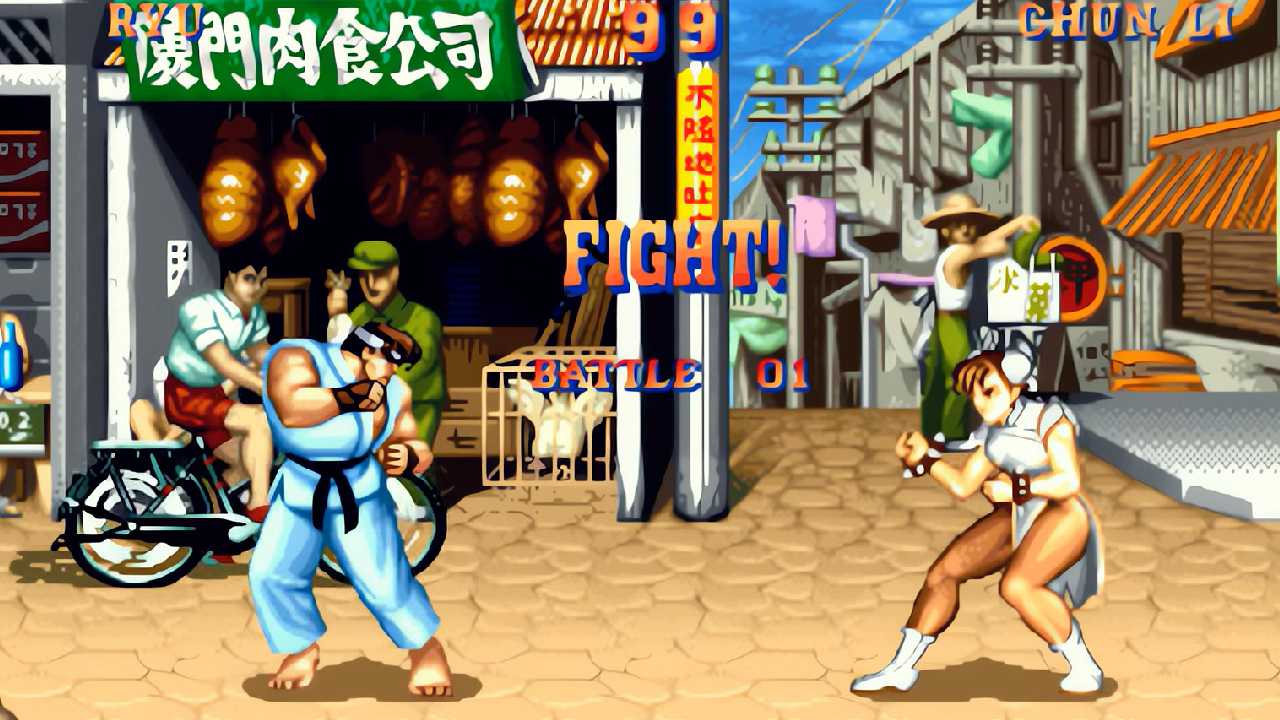
If you have never used one, a DIP switch lets you change settings that an arcade operator would normally adjust, such as difficulty and how many coins equal one credit. You can set a game to cost two coins to start, or turn on free play so no coins are needed at all.
You can also allow continues, which lets players keep going after a loss, and it includes an arcade test mode, too. These extras give Street Fighter on N64 a more complete arcade presentation. Hyper Fighting is noticeably quicker, and the speed shows up the moment a match starts.
A basic character pick, either Ken or Ryu, was enough to confirm it. Having both games in one file is a practical choice. Two separate ROMs would have worked, and people would still have played them, but a single file makes things smoother and removes the need for a second download.
Matches are not always easy.
E. Honda gave the player a rough start by throwing him around, which made you think about changing the settings. After you settled in and landed a stun, he threw back, helping you turn the round. Controls work well. You can use either the D-pad or the control stick. The D-pad felt more familiar at first, and a later fight used the stick to see whether anything changed.
The stick responds well too, but the D-pad felt more natural, so the player switched back. The six-button mapping from the readme fits the pad, and both input methods respond the way you would want. That makes Street Fighter on N64 easy to pick up whichever way you like to play.
One in-game message tells you that you must defeat Sheng Long to stand a chance, a line fans of the series will recognize from its win quotes. The series never received an official release on the system, and Capcom's reasons are unclear. The N64 had hardware limits, and the industry was heavily focused on 3D at the time, which may have played a part.
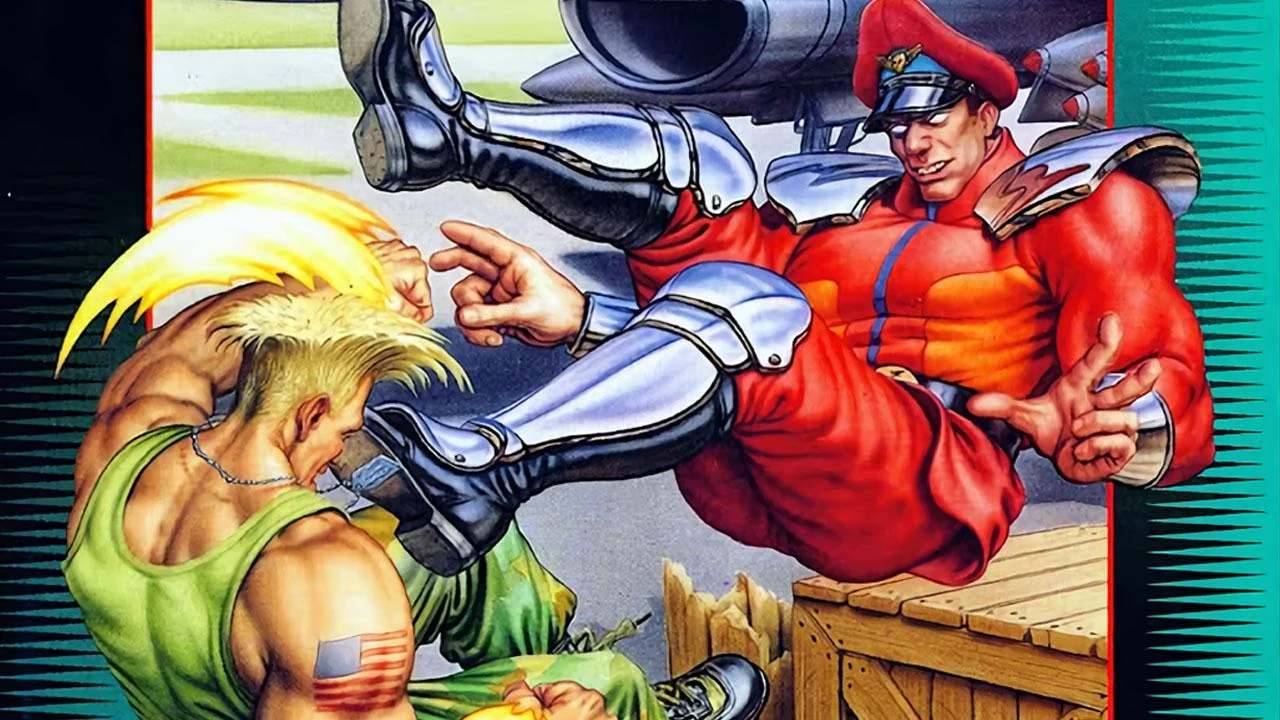
The company did release Resident Evil 2 on the console, and the Street Fighter EX games took the series into 3D on other platforms, so the absence of a Street Fighter game on Nintendo's hardware stands out. The console did get Mortal Kombat Trilogy along with a handful of other fighters, and Super Smash Bros. gave it a large multiplayer brawler. However, that series plays differently from a traditional fighting game.
The soundtrack is another strong point.
The music stays faithful to the arcade versions, and it comes through clearly on the N64 hardware, which adds to the sense that you are playing the real thing. As for compatibility, the creator says the Street Fighter II Arcade Collection works on EverDrives and the SummerCart64.
The Analog 3D runs it in forced original hardware mode, which means the ROM should work on an actual N64 too. That gives Street Fighter on N64 several ways to run, whether you own original hardware, a flash cart setup, or an Analog 3D.
If you want to try it, the process is straightforward. Download the file from the creator's page, read the included readme to see how the six-button layout maps to the pad, and load the ROM through your flash cart or compatible console. Once the menu appears, check the settings for each game before you start, since you can adjust coins, difficulty, and continues. Street Fighter on N64 requires little setup beyond that.
The project also fits into a larger trend. With AI tools helping developers, ports that once seemed out of reach are arriving on older systems at a steady pace. The Halo and Half-Life efforts for the N64 are still in progress, while this release is already playable with the two games it includes.
Street Fighter on N64 shows what a finished version of that kind of project looks like.
Together, the two games make a useful pairing. The first is a slower, more deliberate arcade experience, while the second ramps up the speed and rewards quick reactions. Switching between them shows how a single change to game speed can alter how matches play out. On a SummerCart64 or any compatible setup, both load without extra steps, and the arcade-style menus make it simple to adjust each one to your liking.
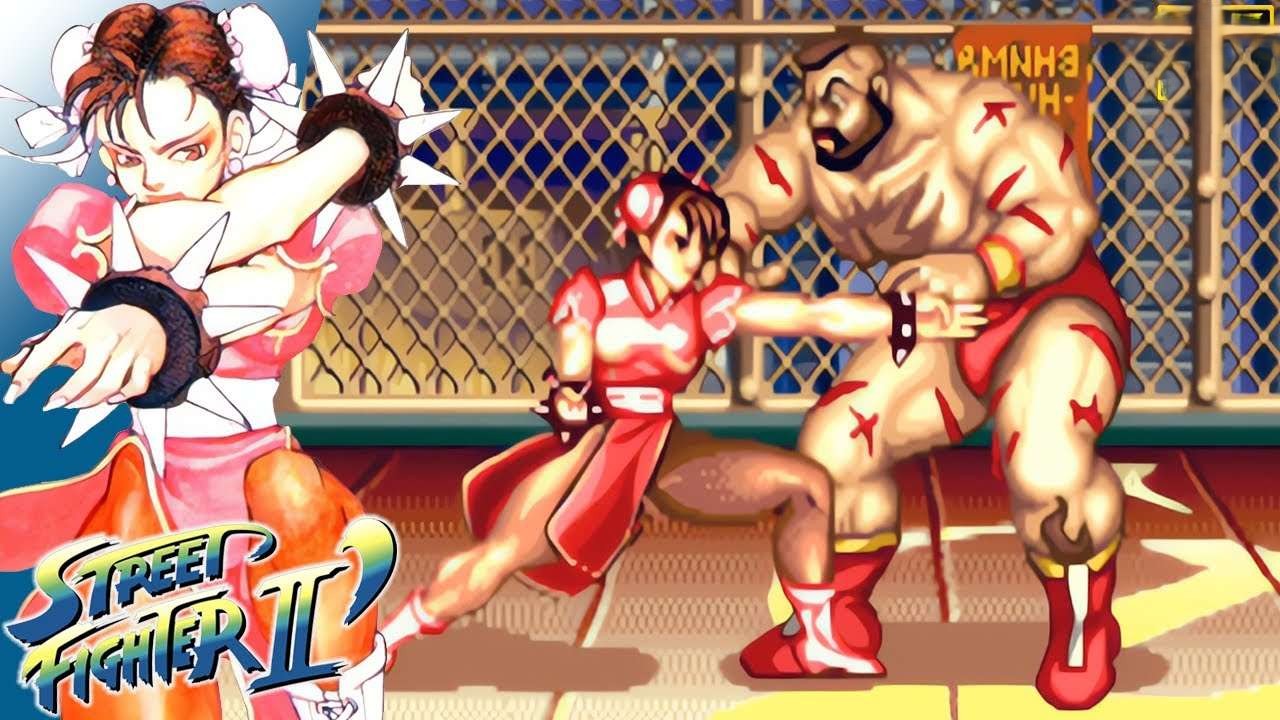
Street Fighter on N64 gives a direct look at what the series might have been like on Nintendo's console. The result is a clean version of two arcade releases, with accurate audio, animated backgrounds, and controls that adapt well to the pad.
It cannot replace official support, but it fills a gap that stayed open throughout theconsole'ss life. For now, Street Fighter on N64 stands as a finished example of what the current wave of ports can deliver. More projects like this are coming, and nothing suggests the pace of new ports for unusual systems is slowing down.
Editor, NoobFeed
Related News
No Data.