
How AMD Ryzen and X3D Chips Took Over the CPU Market From Intel?
AMD's rise from the Bulldozer era to X3D dominance shows how quickly CPU market leadership can change hands.
Hardware by Shinji Okazaki on Jul 05, 2026
CPU recommendations used to come down to one name, and buyer habits took years to shift away from it. The rise of Ryzen, the popularity of X3D gaming chips, and Nvidia's entry into the Windows CPU space now show how much the landscape has changed and what it means for anyone deciding among AMD, Intel, and a new set of competitors.
A few years ago, if you asked someone which CPU to buy, the answer was almost always the same: Intel. Gaming PC? Intel. Workstation? Intel. Fastest processor? Intel. AMD was not just behind. Many people thought AMD might never catch up again. Today, the story is different. AMD Ryzen chips are dominating best seller lists, gamers are choosing X3D CPUs, and Intel is no longer the automatic answer.
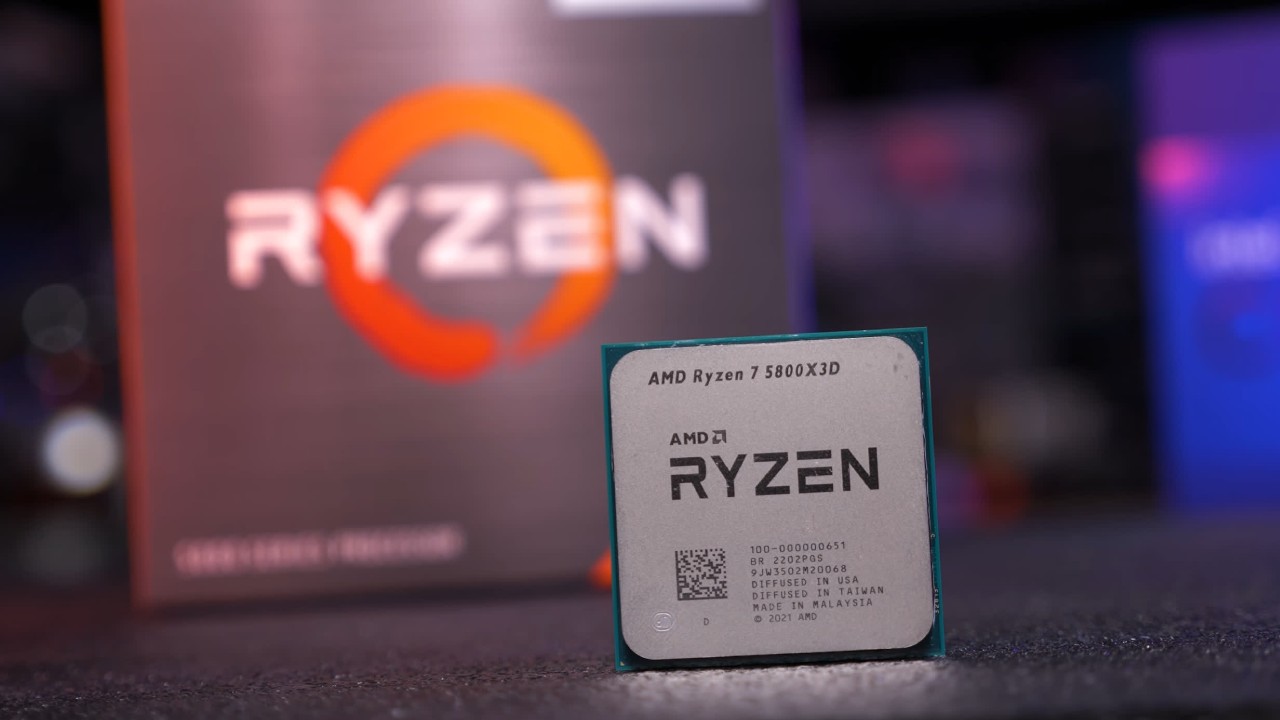
AMD's Ryzen Lineup Overtakes Intel
We want to look at how AMD went from being nearly written off to becoming one of the strongest names in PC hardware again. For new PC builders, it may be hard to imagine what AMD looked like before Ryzen. The Bulldozer era was a rough stretch. AMD CPUs had problems with performance, efficiency, and gaming results. Intel held the lead for years, and for many buyers, choosing Intel felt like the safe option.
AMD still had loyal fans, and older chips like Phenom II and FX processors had their place, but if you wanted the best gaming CPU or the best all-around performance, Intel was usually the recommendation. Then, 3D V-Cache changed everything for gamers. With chips like the Ryzen 7 5800X3D, AMD showed that gaming performance was not only about clock speed.
By adding more cache, AMD gave many games a noticeable performance boost. That strategy continued with newer X3D chips, and now the Ryzen 7 9800X3D is one of the most popular gaming CPUs on the market. The impressive part is not only the flagship chip. AMD is selling well across different price ranges and different generations.
Newer Ryzen 9000 CPUs are popular, but older Ryzen 5000 chips are still selling because AM4 remains a strong budget platform. That gives you a range of options, from affordable upgrades to high-end gaming builds, and that is why AMD showing up strongly on Amazon's best-seller chart matters. To be fair, Amazon rankings change constantly. A discount, a restock, or a flash sale can quickly move products up or down.
But even if the exact ranking shifts tomorrow, the larger point stands: buyer power has shifted. Years ago, AMD had to convince people to give it another chance. Today, many PC builders look at Ryzen first. For gaming, AMD has one clear advantage in X3D. More cache means better gaming performance in many titles, along with strong efficiency, and that combination is why chips like the 7800X3D and 9800X3D became so popular with gamers.
NVIDIA Enters the Windows CPU Conversation
While AMD and Intel fight for the desktop CPU market, Nvidia is entering the conversation in a new way. NVIDIA's RTX Spark platform stands out because it is not a normal CPU. It is an ARM-based Windows platform built with Nvidia CPU cores, Blackwell graphics, and a large amount of unified memory. This could matter because the PC market may not stay the same going forward.
For a long time, Windows gaming has mostly meant x86 CPUs from Intel or AMD. Apple showed that ARM chips can be powerful and efficient, Qualcomm has been pushing Windows on ARM, and now Nvidia wants to bring its GPU power and AI ecosystem into that space.
Early demos of RTX Spark look promising, especially with modern features like DLSS, frame generation, and GPU acceleration. Still, we need real reviews before drawing big conclusions, since a demo is not the same as everyday gaming performance.
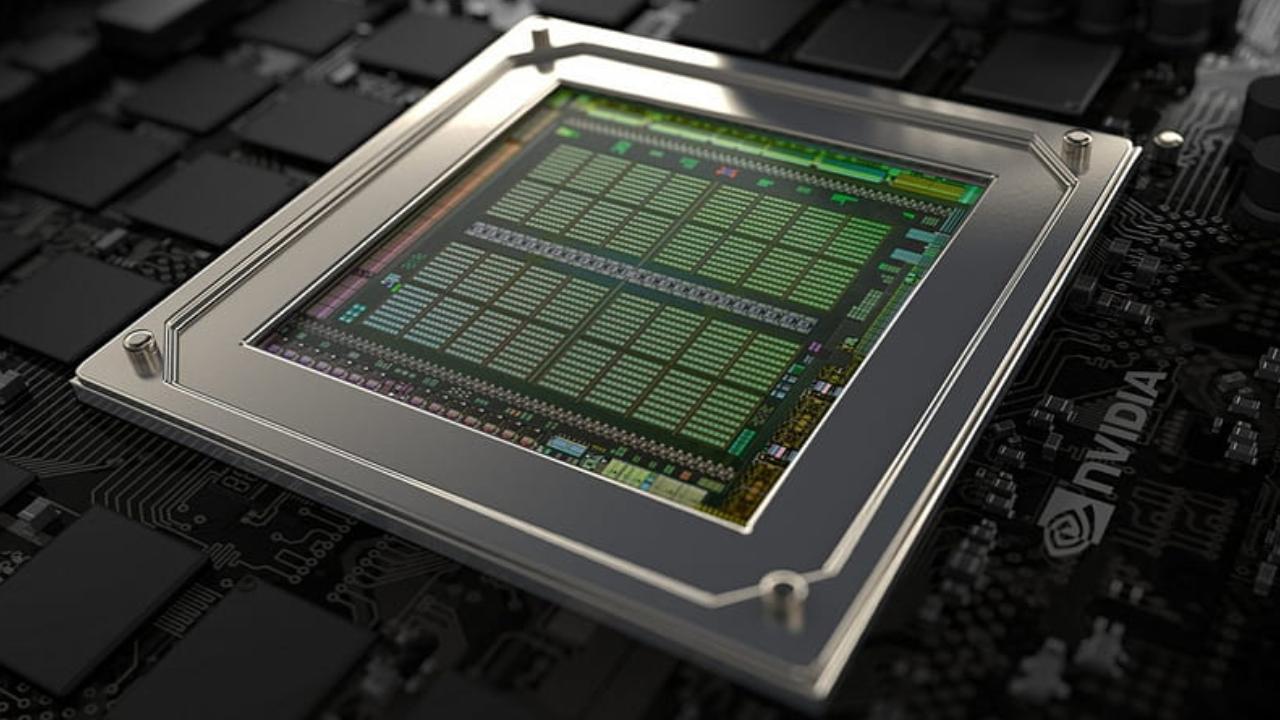
AMD Expands Memory Platform With Ultra-low Latency Support
At the same time, AMD is working to improve performance beyond just releasing new CPUs. One example is EXPO's ultra-low-latency memory support. Normal EXPO already helps you run DDR5 memory at higher speeds and timings, but ultra-low-latency memory goes further by using sub-timings to reduce latency. AMD states that this can provide a small boost in gaming performance compared to standard memory profiles.
This does not mean everyone should rush to buy new RAM. DDR5 prices remain high, and the performance gain will depend on the game, CPU, motherboard, and memory kit in use. X3D chips may also benefit less from memory tuning since they already carry a large amount of cache.
Still, for some Ryzen systems, low-latency memory can help. The larger point is that AMD is improving the entire platform rather than just the CPU. Better BIOS support, better memory profiles, long socket life, and strong upgrade paths all matter to PC builders.
Competition across three companies signals a stronger position for PC buyers.
So what does this add up to? AMD's comeback is real. Ryzen brought the company back, and X3D helped it become a gaming favorite. Intel is not finished either. It still offers strong products, particularly in laptops and certain workloads, but it no longer receives automatic recommendations as it once did.
NVIDIA entering the Windows CPU space could make the next few years compelling, since more competition means every company has to work harder. AMD has to keep improving, Intel has to fight back, and Nvidia has to prove that ARM-based Windows gaming can actually work well.
For you as a buyer, that pressure works in your favor. AMD went from underdog to one of the most trusted names in gaming CPUs, and that kind of turnaround is rare. The question now is whether AMD can keep this momentum, or whether Intel and Nvidia will shift the balance again.
Editor, NoobFeed
Gaming Hardware Updates
No Data.