
ILL's Brutal Horror Is Becoming a Problem for YouTube as Creators Face Censorship
Team Clout's next horror game is generating a lot of buzz for its disturbing realism, but restrictions on promotional footage and gaming coverage are raising concerns about creative freedom.
News by Mahi Araf on Nov 04, 2026
ILL is shaping up to be one of the most anticipated upcoming horror games, largely because of how far it is willing to push the limits of realistic horror. But the same factors that have helped Team Clout's project get attention are now causing headaches for developers and gaming creators trying to promote and cover it. Reports suggest YouTube has been clamping down on some of the game's footage, making it increasingly difficult to share certain scenes without risking penalties.
This is particularly worrying after a gaming creator revealed YouTube removed his latest video about ILL and issued his channel a Community Guidelines strike. The footage that led to the decision reportedly came from one of the game's official trailers, which had already been posted to many major gaming channels, including the official PlayStation and Xbox accounts.
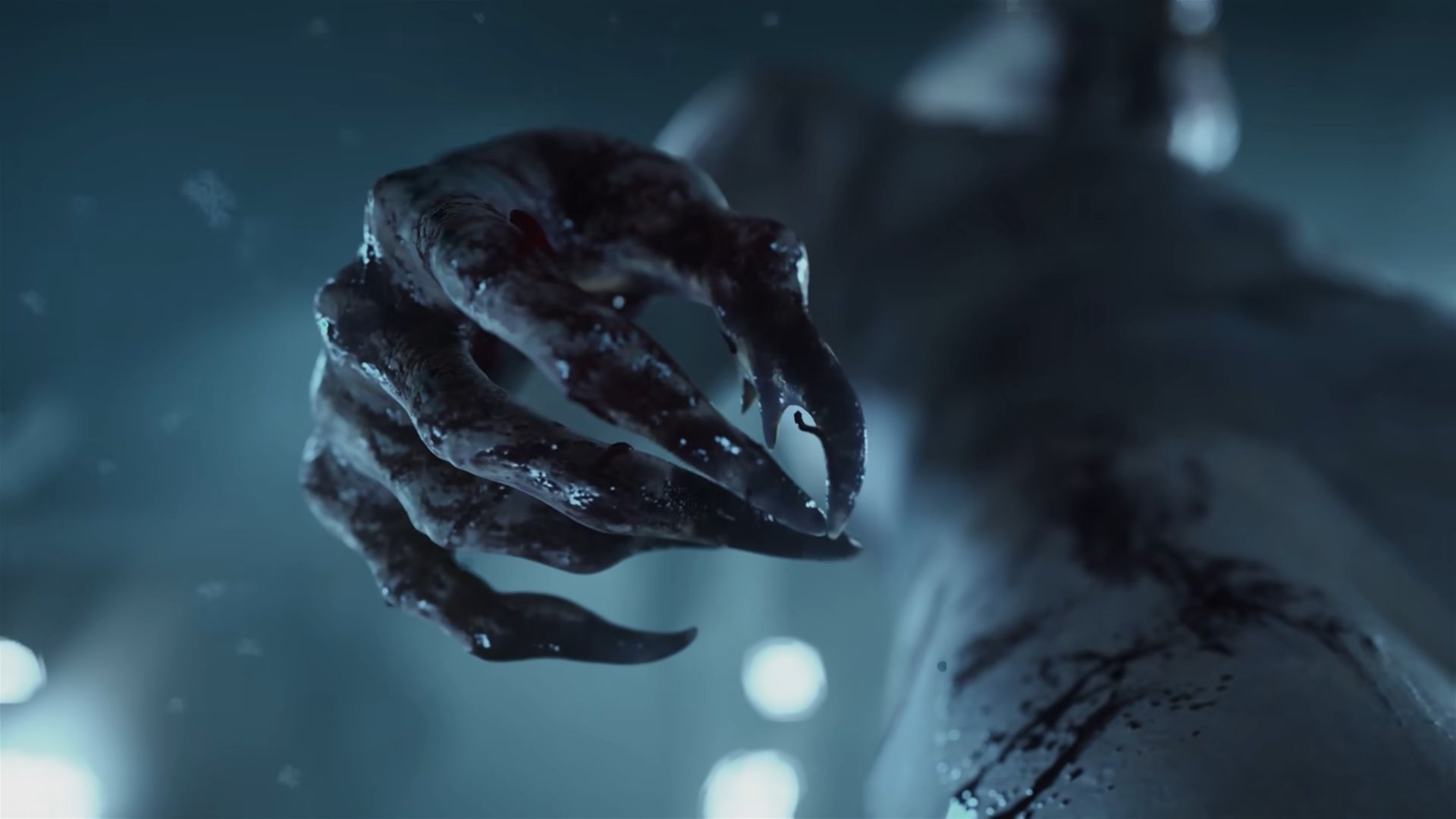
This raises the question of how gaming creators can safely cover upcoming horror releases when publicly available footage may be enough to trigger a strike. This leads to uncertainty for developers who use promotional trailers, gameplay showcases, and independent coverage to bring their projects to a wider audience.
ILL is a game in development for years by Team Clout, and instead of making another horror game trying to please everyone, the studio went for something much more extreme. It's become a huge part of the game's identity with its focus on realistic creatures, graphic violence, and disturbing environments.
That's also one reason so many horror fans have been following its development.
However, the difficulties surrounding its promotional material suggest that showing people what the developers have actually created might become increasingly complicated. The situation is no longer limited to the studio's own marketing efforts, either, as gaming creators have started experiencing similar problems when using footage from the game.
The first major sign that Team Clout was having trouble came in June, when the developers publicly explained that their brutal gameplay trailer was being blocked. Instead of quietly removing the footage and moving on, the studio released an intentionally censored version of the trailer.
The result was an unusual promotional video in which Team Clout covered up various details throughout the footage. Some of the things were barely worth censoring in the first place, which made the whole situation somewhat amusing. However, behind the humor was a fairly straightforward point about the difficulties of promoting a horror game when the very material that makes it appealing to its audience is considered too extreme to distribute.
Rather than simply complaining about the restrictions, the developers made the situation part of the conversation around ILL. The censored trailer drew even more attention to the problems the studio faced while trying to showcase its work.
For a relatively small development team that has spent years working on an ambitious project, promotional restrictions can become a significant obstacle.
Much of the interest in ILL comes from its willingness to present horror in a way that looks far more disturbing than most upcoming games in the genre. If the studio cannot freely showcase those elements, it could become harder to communicate the experience it wants players to have.
This matters because there's a difference between developers voluntarily changing their creative direction and feeling pressured to reconsider decisions because of distribution restrictions. Team Clout hasn't suggested it changed ILL because of these incidents, and there is currently no evidence the studio is compromising its original vision. Still, the situation highlights a problem that could eventually affect how smaller developers approach projects with similarly graphic content.
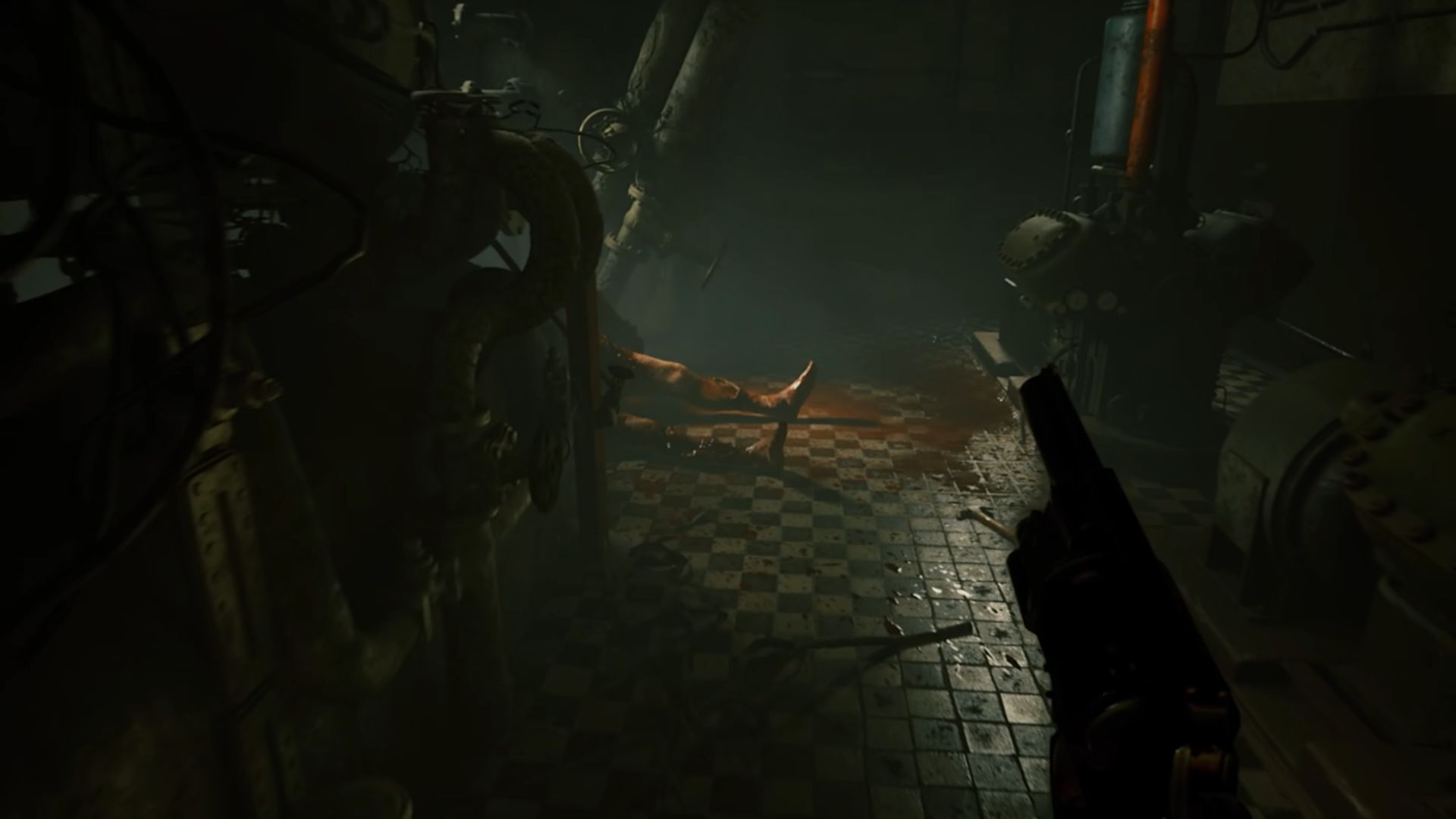
When you spend years creating a horror game with a specific artistic direction, you naturally want audiences to experience what makes it different. You spend your time designing disturbing creatures, making violence more realistic, building an atmosphere that supports the experience. But if showing those elements publicly becomes an issue, even the promotional process can work against the game's identity.
Smaller studios depend on trailers, gameplay showcases, and independent gaming creators to drum up interest in their projects.
They may not have the marketing budgets of larger publishers, so coverage from gaming channels can be a huge difference. If developers are afraid to talk about a game, for fear of being penalized, they could lose an important channel to reach their audience.
Of course, YouTube's moderation decisions can depend on several factors. Just because one video with certain footage is still available doesn't automatically mean another upload with similar material complies with the platform's policies. Different edits, presentation styles, contexts, and age restrictions can affect how YouTube treats content.
But that doesn't make it any easier for game creators. It can be difficult to get a strike for a video with the same footage when an official trailer is already circulating on YouTube and the creator has used similar footage before without receiving any strikes.
This is further compounded if a creator is then struck for covering a particular game. Of course, they will be more cautious about publishing anything about that project in the future. Even if they sincerely want to keep following its development, the threat of another penalty can affect what they're prepared to show.
Apparently that happened to the creator whose ILL video was recently taken down. Though still interested in the work Team Clout is doing, and wanting to share new gameplay when the developers release it, he now has to weigh the risk of another upload harming his channel.
This puts gaming news channels in an awkward position.
They're supposed to cover upcoming releases, show what developers have in the works, and help audiences find games they might not otherwise find. But if you're not sure what you can and can't use from official gameplay footage, it can look like avoiding a particular game entirely is the safest option.
That wouldn't be good for any of us. Developers lose the chance of coverage, audiences lose the opportunity to see upcoming projects, and creators become more limited in the topics they feel comfortable discussing. The ILL situation isn't an isolated incident, either. Another case, this time involving a French YouTuber known as Jonathan, has shed more light on the possible repercussions of covering disturbing horror games on the platform.
Jonathan built a gaming channel over about 10 years and had almost 190,000 subscribers. But in September, he shared footage from Clive Barker's Hellraiser: Revival, another upcoming horror game known for its disturbing content.
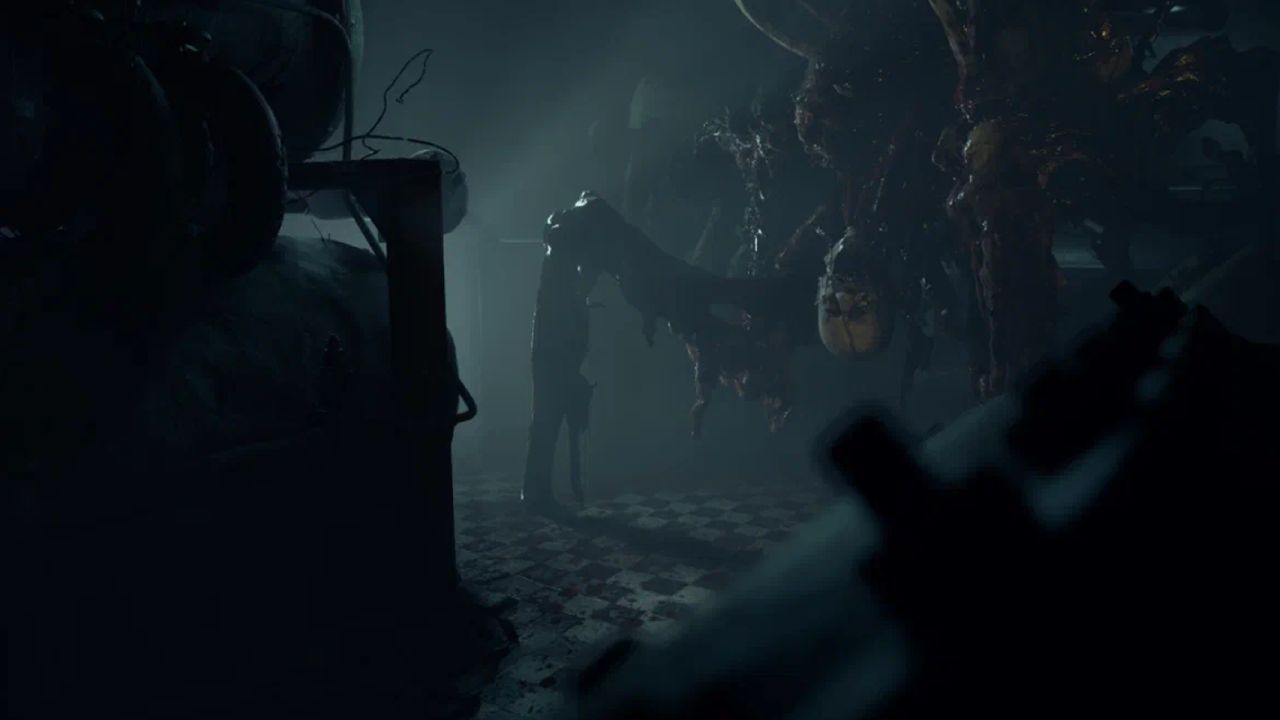
He says Jonathan had already censored the nudity before releasing the video. He reportedly placed black boxes over the relevant footage, attempting to prevent the material from violating YouTube's policies. Despite those efforts, the platform still removed the upload for allegedly violating its rules concerning nudity and sexual content.
What happened next was much more serious. This led to the deletion of his entire YouTube channel and put years of audience-building work at risk. Jonathan tried to appeal the decision and clarify the context of the footage, but his appeals were initially unsuccessful.
It's a huge blow for someone who spent 10 years growing a gaming channel to suddenly lose access to an audience of about 190,000 subscribers. It also underscores the uncertainty that creators face when covering games that intentionally explore more disturbing subject matter.
Taken together, these incidents point to systemic problems across horror games, online platforms, and the creators who cover them.
Developers should be able to pursue a particular artistic direction. At the same time, gaming creators should have a reasonable opportunity to discuss and showcase those projects without constantly worrying about inconsistent moderation decisions.
That doesn't mean every graphic scene should automatically be allowed on every platform. However, when official promotional material becomes hard to distribute, and creators face penalties for covering games using footage released by their developers, the process becomes increasingly difficult to understand.
For Team Clout, the hope is that these problems won't eventually interfere with what makes ILL stand out. The game has attracted attention because the developers are willing to take risks and create something that doesn't necessarily follow the usual expectations of mainstream horror releases.
Ultimately, the concern isn't that developers should avoid making disturbing games. The trouble with promoting them shouldn't be an excuse to water down their creative vision or to discourage creators from covering them. With ILL's release imminent, the way these issues are resolved could have ramifications beyond Team Clout's upcoming horror game.
Senior Editor, NoobFeed
Related News
No Data.