
Clive Barker's Hellraiser: Revival Review
PlayStation 5 Pro
Saber Interactive brings the iconic horror franchise into single-player, combining brutal combat, puzzle-solving, and a disturbing journey to rescue someone you love.
Reviewed by Maisie Scott on Oct 08, 2026
Horror games based on established movie franchises have often leaned toward multiplayer, with titles inspired by Friday the 13th, The Texas Chainsaw Massacre, and Halloween trying to bring their worlds to life through online matches. While these games can offer memorable moments, keeping a multiplayer horror game active long after launch can be difficult.
That's what makes Clive Barker's Hellraiser: Revival an interesting change of direction. Instead of putting you in a multiplayer environment, Saber Interactive is bringing the franchise into a single-player survival horror experience built around exploration, combat, and the disturbing mythology that has made Hellraiser recognizable for decades.
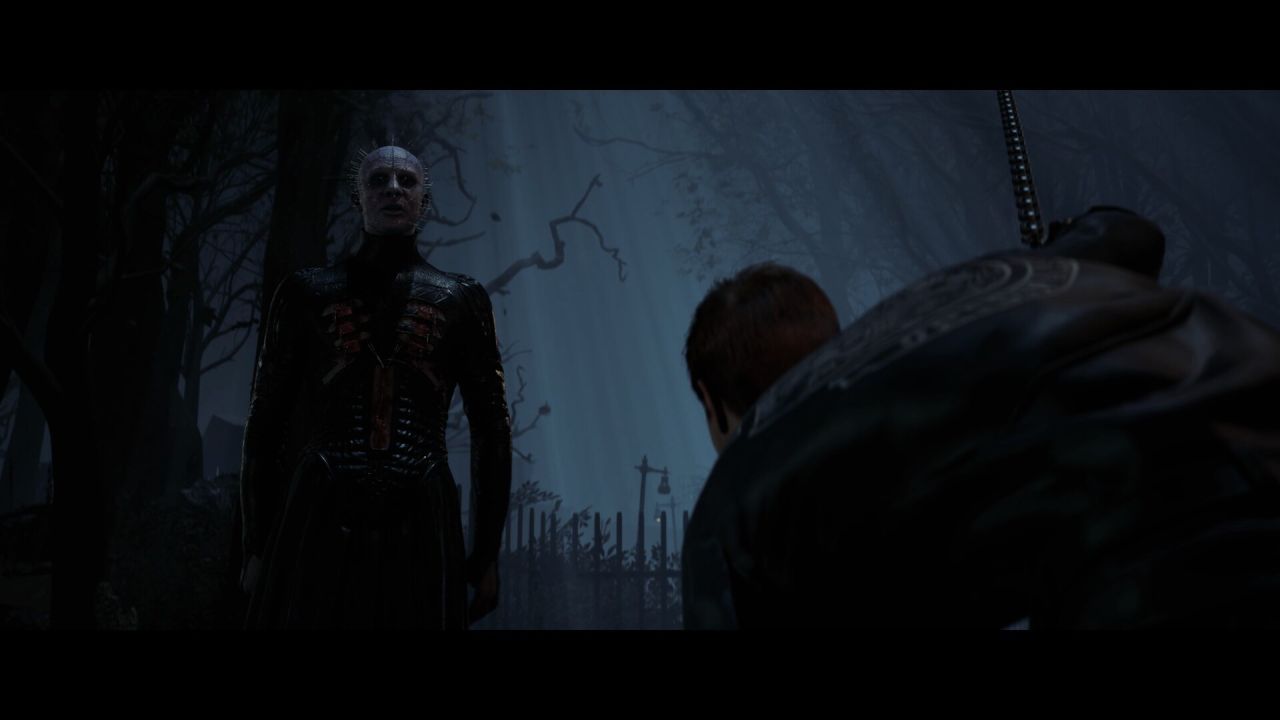
The franchise feels particularly suited to this approach.
Its world revolves around pain, suffering, forbidden desires, and the consequences of opening doors that should have remained closed. Turning those ideas into a personal story lets the developers explore the setting without relying on the common formula of running from a killer or surviving against other players.
Hellraiser: Revival still throws you into perilous scenarios, but it also gives you a breather to understand its spaces, solve puzzles, and find the links between its characters. The result is a survival horror game that attempts to bring the franchise's disturbing atmosphere into the experience rather than just using it as a backdrop for combat.
The story follows Aiden Lynch, a troubled man whose relationship with pain becomes central to his journey. His girlfriend, Sunny, opens up a Genesis Configuration, a version of the famous puzzle box, and is sucked into the Labyrinth by the Cenobites. Determined to save her, Aiden must survive brutal encounters and face the horrors lurking in this otherworldly dimension.
Aiden's journey moves between the real world and the Labyrinth, each place presenting a different type of challenge.
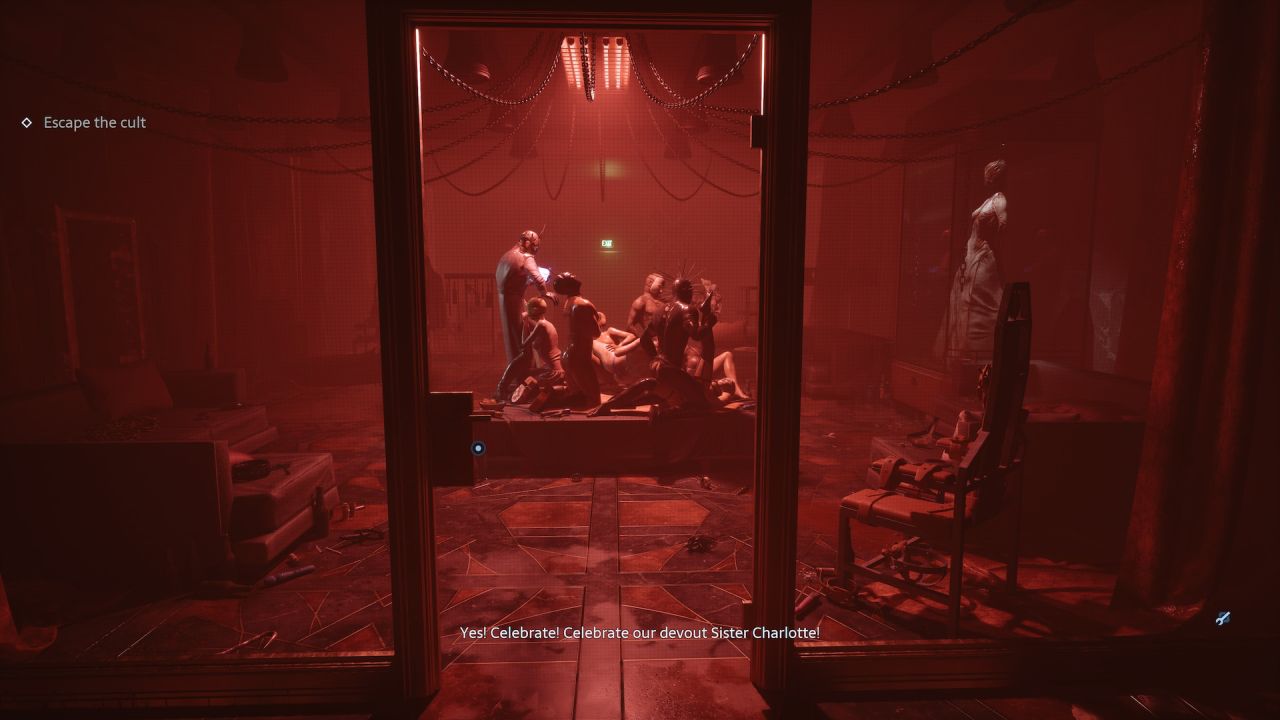
In the real world, he must fight hostile cultists and increasingly dangerous creatures. Meanwhile, the Labyrinth shifts the focus to discovery, puzzles, and confrontations with the Cenobites themselves. These tweaks keep the adventure from feeling like one giant combat marathon, but the two sides of the game remain linked by the same goal: finding Sunny and bringing her home.
As the story progresses, Aiden and Sunny's relationship becomes increasingly important. Through puzzles and later parts of the adventure, the Labyrinth explores their shared past and reveals more about their relationship. These moments show what Aiden is fighting for and make his journey more personal than a rescue mission.
But to be fair, the story can get a little predictable once you start to see where its biggest developments are headed. The characters and setting are still interesting enough to keep you invested. Still, the story doesn't always deliver the surprises you might expect from a horror experience set in such an unsettling world.
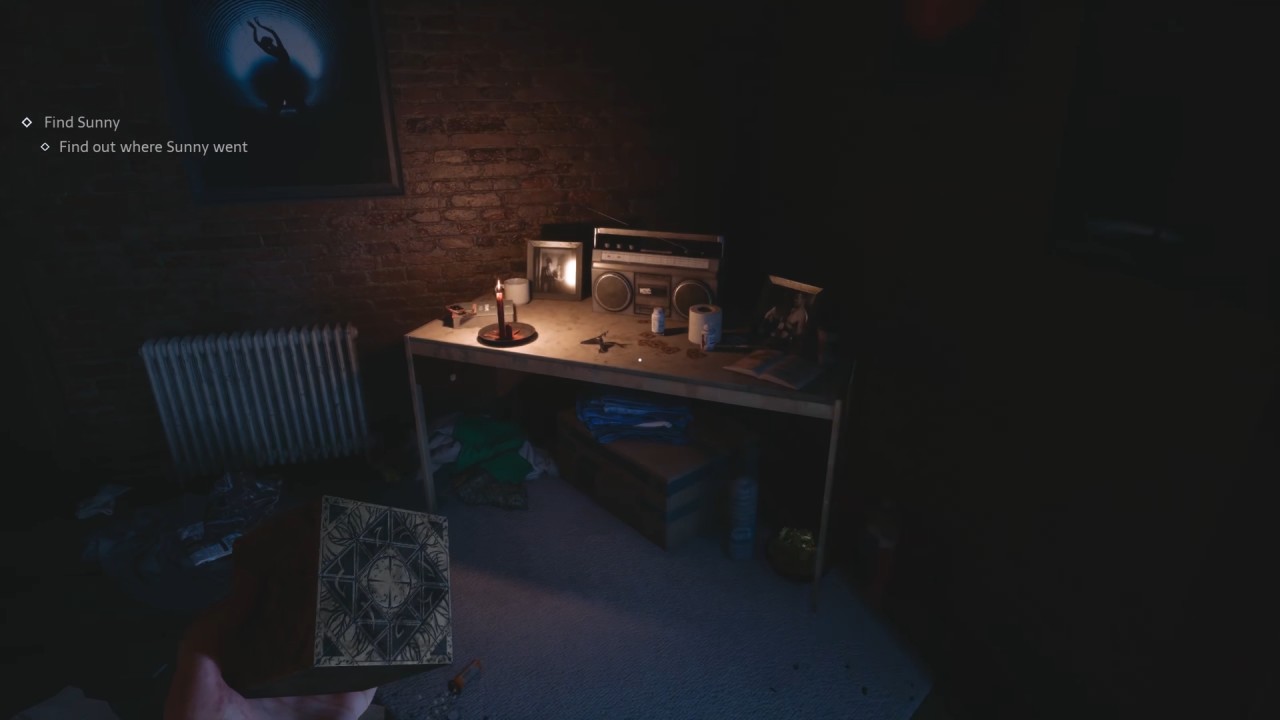
One of the game's best features is how it changes based on where Aiden is.
In the real world, it's more about survival and combat; in the Labyrinth, it's slower and more methodical, with more time to explore the environment and solve puzzles. Neither side entirely abandons the other, but the distinction adds welcome variety to the adventure. You don't constantly fight, and even when an area seems quiet, enough uncertainty keeps you cautious about moving forward.
Combat in the real world initially revolves around members of the Scarlet Church, a cult devoted to the Cenobites. These enemies come in several varieties, forcing you to adjust your approach depending on what stands between you and your next objective. Some carry knives or bats; others carry guns that can push Aiden back.
Armored cultists are a bigger problem because you need several hits to break through their protection before you can kill them. Unarmored enemies are easier to kill, especially if you can get up on them and do a sneak attack. The knife Aiden finds early in the game works well against isolated enemies, but threats quickly get more dangerous.
The game introduces demonic creatures emerging from the Labyrinth's depths, and some can overwhelm you before you have gathered enough weapons and supplies. Your early encounters encourage you to think carefully about which fights are worth taking and when it makes more sense to avoid an enemy altogether.
Some weaker creatures can be killed with a single hit, but others are much harder to handle.
You also need to consider hazards after a fight. When some monsters die, they leave behind an explosive blue liquid that can hurt Aiden, or even kill him if his health is low and you're playing on a greater difficulty. Defeating an enemy isn't enough to relax. You need to watch your surroundings, not just the creature attacking you.
Resource management is key to keeping these encounters tense. You're running low on ammo, your guns can break mid-fight, and you can't always find healing items when you need them. Your inventory might be full when you enter an area but nearly empty by the time you leave.
Storage space is also restricted early on, although you can find pouches that increase how much Aiden can carry. These limitations make every encounter a decision about how much equipment you're willing to sacrifice.
This approach works well for the survival horror formula. You can't expect to have enough ammo to kill every enemy, and blowing a weapon in a fight that didn't matter could leave you at a disadvantage later on. Crafting offers some relief, letting you use collected materials to make bandages, ammunition, and other useful items.
Aiden can also find food that restores some health, so you can save your more valuable healing supplies for when you really need them.
The crafting system starts with a handful of options, like bandages and ammo for the rifle Aiden finds along the way. As you progress, you can buy more recipes for different ammo, lockpicks, and other gear. Fighting hard can quickly deplete your supplies, so finding the right materials or unlocking a handy recipe can really help.
Crafting isn't some separate collection activity; it's just part of the decisions you make to survive. Aiden is accompanied on his journey by a mysterious merchant of her own unusual kind—Zora Beckett, who sells recipes, ammunition, healing items, and other goods.
Her stock is limited, so you cannot simply rely on her to provide everything you need. You can sell her coins scattered throughout the different areas and rare occult artifacts, giving you another reason to explore instead of rushing straight to your next objective.
Zora is also one of the more memorable characters outside the Cenobites.
Her sarcastic personality gives her interactions with Aiden a different tone than the rest of the adventure, but she is more than just a source of occasional jokes.
Clearly, she knows more than she's willing to tell, given her connection to the Labyrinth and the Cenobites. So it is more interesting to see her than just stop for a supply restock. She adds a little personality to a bleak journey that otherwise stays true to the game's tone.
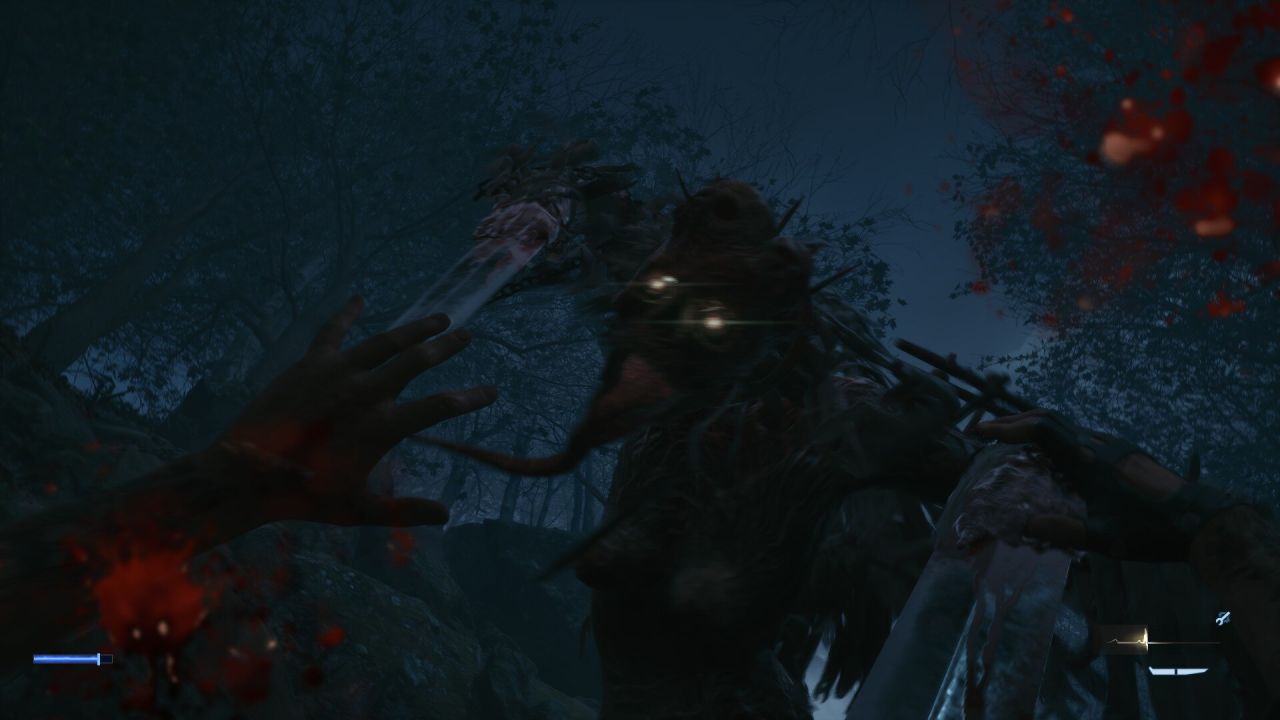
The Genesis Configuration ultimately becomes one of Aiden's most useful combat tools. It can telekinetically and pyrokinetically blast things so you don't have to rely solely on traditional weapons.
The Configuration, however, has its own limitations, since its powers depend on a Suffering Meter.
The meter fills when you damage enemies, and you can spend it on its abilities. You can also exorcise near-death monsters, restoring some of Aiden's health in the process. This creates a combat loop that encourages aggression while keeping you in tune with your resources.
This way, you don't have to constantly worry about ammo and weapon durability; you can use the Configuration to damage enemies, build up the meter, and take advantage of its abilities. Banishment also lets you recover some health during encounters, provided you can bring a monster close enough to defeat.
The system does not eliminate the challenges of survival, but it gives you another way to approach them. More importantly, the Genesis Configuration feels so intrinsically tied to Hellraiser's identity. It's not just another weapon added to Aiden's arsenal. Its powers affect how you fight and directly connect gameplay to the franchise's iconic puzzle box.
Without it, combat can quickly become the usual combination of guns, knives, and supernatural enemies. By centering the experience on the Configuration, Saber gives encounters an identity that fits the world it tries to recreate. When Aiden enters the Labyrinth, the Configuration is still relevant, but its role changes.
These sections focus less on killing enemies and more on exploring the environment and solving puzzles. Saber Interactive's take on the dimension is desolate and unsettling, creating spaces that feel empty, but never entirely comfortable. The slower pace lets you look around, but the atmosphere keeps you on guard for something dangerous lurking nearby.
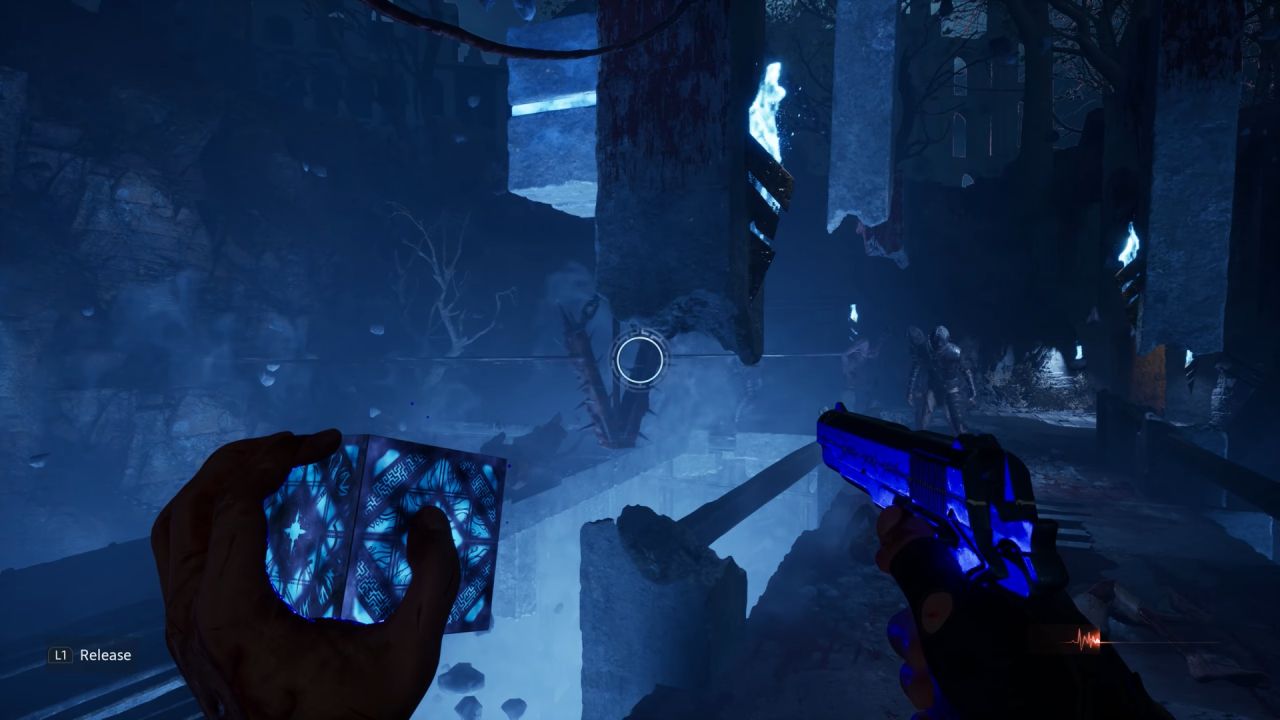
The puzzles are mostly simple. Some involve moving cubes around the environment to unlock new paths, while others tie back to Aiden's memories and his relationship with Sunny.
You'll also need to reshape the Genesis Configuration to fit different pedestals, unlocking areas or letting you complete objectives. These changes are particularly gratifying because they make the puzzle box an active part of the gameplay, not just a story signifier. The puzzles aren't too hard, and their placement throughout the adventure feels natural.
They encourage you to look around and see how the Labyrinth works, a respite from managing resources and fighting in the real world. The experience also taps into the charm of the franchise's puzzle boxes by letting you manipulate the Configuration yourself. You are not simply watching a character interact with an iconic object; you are using it to make progress.
Of course, exploring the Labyrinth does not mean you are safe from the Cenobites. Aiden eventually encounters several familiar figures, including the Hell Priest, better known as Pinhead, with Doug Bradley reprising his role. Fallen, Chatterer, and the Cabalist also appear. Their presence ties the game to the established franchise, while the encounters provide some of the adventure's tensest sequences.
Chatterer is particularly hostile toward Aiden.
When he shows up, you have to run through tunnels and other parts of the Labyrinth without getting caught. These sequences sometimes mix chases with puzzle-solving, forcing you to work through an obstacle with a dangerous enemy nearby.
The pressure changes how you play the puzzles. What would usually be a slower process of checking your surroundings becomes a race to make the right decisions before Chatterer catches up.
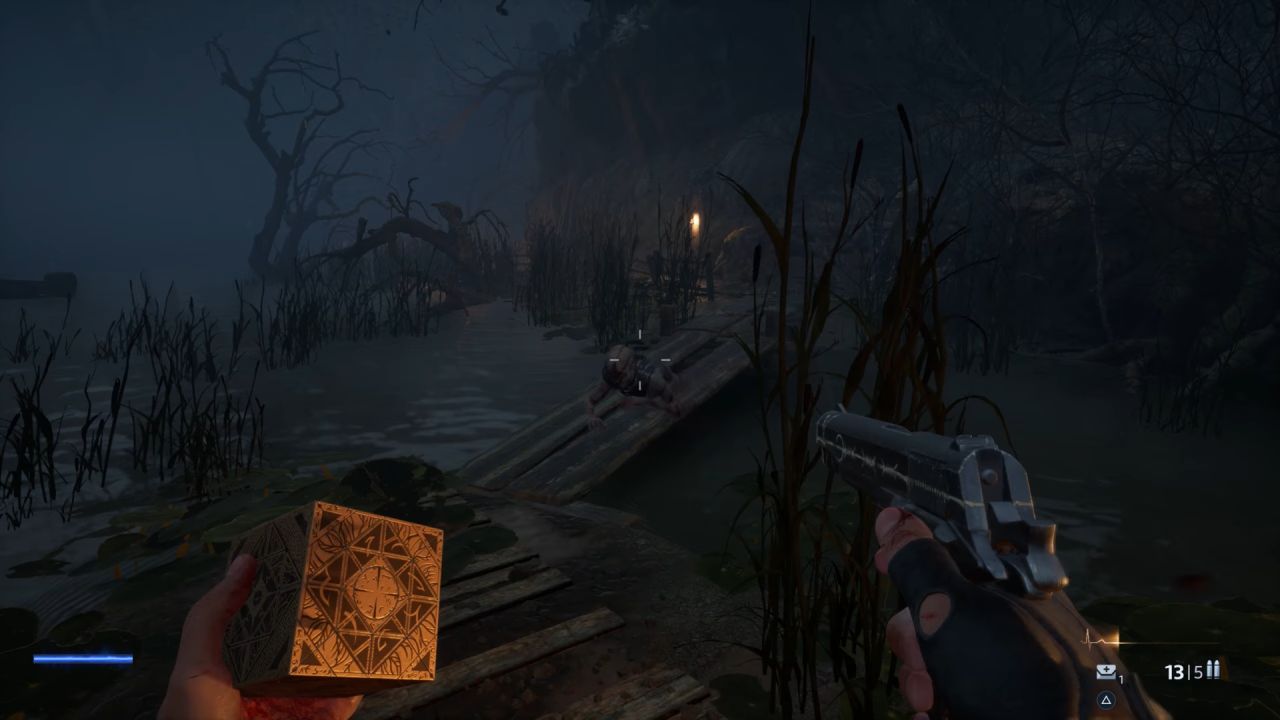
They're some of the best moments in the game, making the Labyrinth feel dangerous without turning every bit of it into a straight-up fight. The tension in the chase scenes comes from movement and problem-solving, and the threat of being caught makes even a relatively simple puzzle feel more intense.
And death is less punishing in the Labyrinth than in the real world.
You normally respawn near where you died, so you can retry the section without losing too much progress. That makes the sequences challenging, but not overly frustrating on each mistake. Another big part of the game's identity is its commitment to gore. Hellraiser is a franchise founded on disturbing imagery, physical pain, and grotesque transformations, so a more restrained interpretation might have seemed jarring.
Hellraiser: Revival is clear about what it wants to do, showing people being torn apart by the Labyrinth's chains. Violence keeps coming throughout the adventure, and the game doesn't hold back on showing how brutal its world can be. That seems like the right way to go about the stuff.
The gore isn't just there to shock the player; it reinforces the Cenobites' cruelty and the dangers of the dimension Aiden enters. With its combat system and disturbing creatures, it keeps a clear link to the franchise's core themes.
Visually, the Labyrinth is one of the game's strongest elements. Saber has put considerable detail into its environments, giving you reasons to stop and look around whenever you have a moment away from a pursuit or an immediate threat.
The dimension's design balances disturbing imagery with an odd sense of beauty, making it unpleasant to inhabit but interesting to explore. The rest of the game follows a similar gothic, moody visual direction, maintaining consistency as you move between locations.
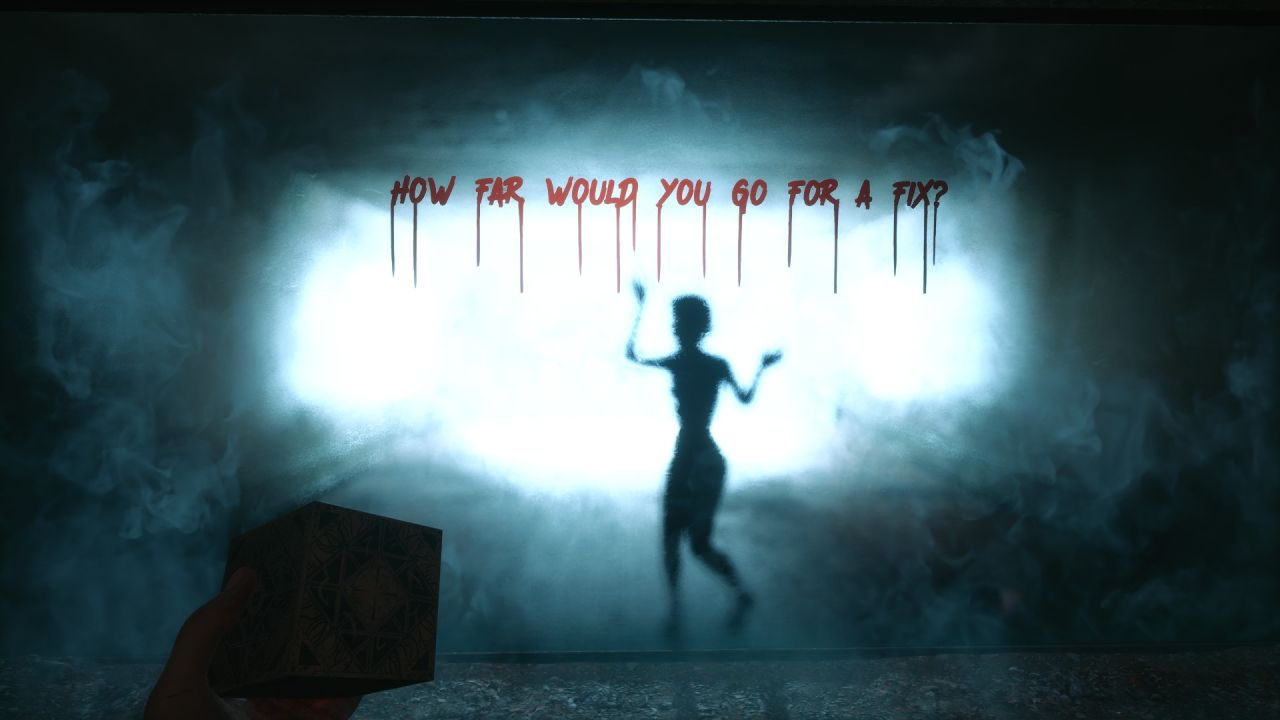
Transitions between cutscenes and gameplay also help the adventure maintain its atmosphere.
Some frame drops here and there, but they don't detract too much from the overall presentation. The visual direction remains one of the experience's more memorable aspects, especially when the game gives you enough breathing room to appreciate the Labyrinth before another threat interrupts your exploration.
The available experience also places considerable emphasis on atmosphere, with the environments and encounters doing much of the work in establishing the horror. The tension comes not only from what attacks you, but also from the uncertainty of exploring a dimension where danger can emerge without warning.
Although the story becomes predictable in places and some combat encounters are frustrating, the game's setting consistently gives you a reason to keep moving forward.
Ultimately, Clive Barker's Hellraiser: Revival is a welcome change of direction for horror games based on established movie franchises.
Saber Interactive builds a single-player adventure around a personal rescue mission, with resource management, puzzles, and encounters with the Cenobites, rather than relying on multiplayer to recreate the appeal of its source material. The Genesis Configuration gives combat its own identity, while the Labyrinth sections are some of the best tense puzzle-solving and exploration moments.
The experience has problems. Fighting a bunch of enemies in a small space can feel unfair, especially when the game has spent so much time trying to keep you from confrontation. The story also becomes more predictable as it goes on.
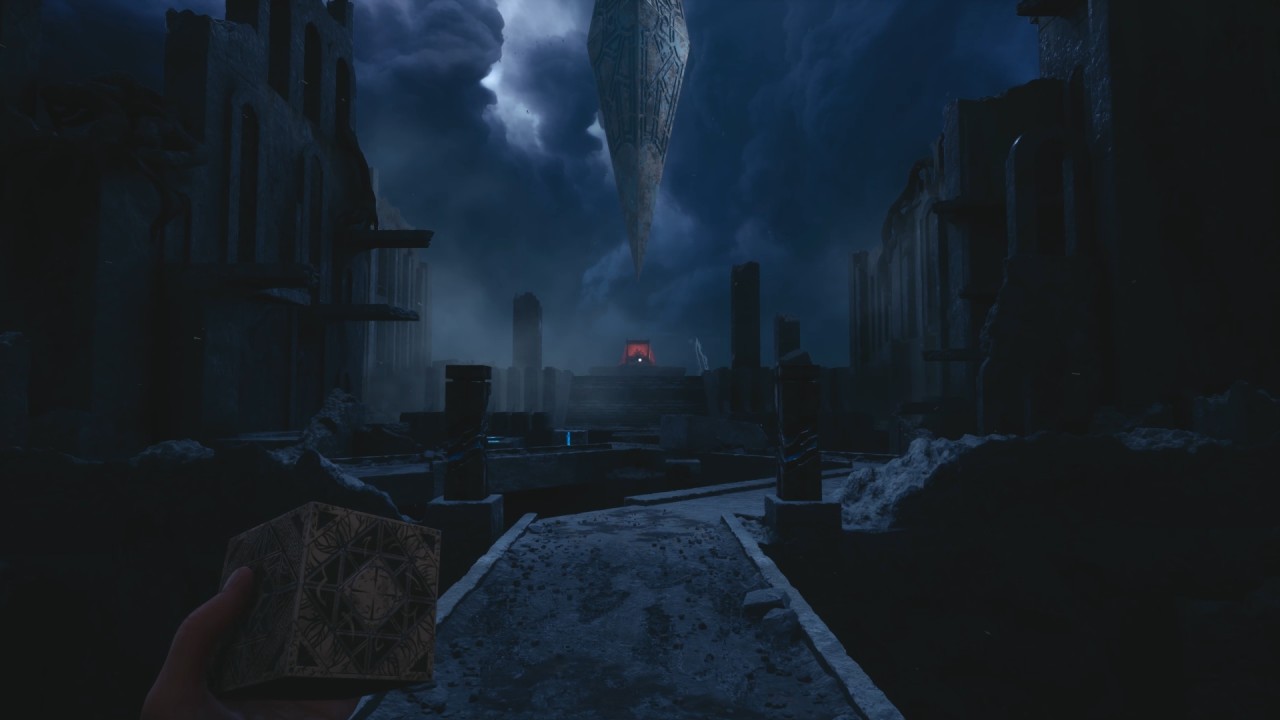
But these problems don't overshadow the experience's overall strengths. The game's combination of survival horror mechanics, disturbing imagery, and a carefully developed atmosphere makes it feel like a natural fit for the Hellraiser universe.
Even when the combat gets frustrating, the Labyrinth gives you a reason to keep exploring. Its creepy environments, familiar Cenobites, and the way the Genesis Configuration ties puzzles to combat help the game carve out its own identity.
Saber Interactive understands that Hellraiser needs more than gore to work as a game. It needs an atmosphere that keeps you uncomfortable, a world worth exploring, and mechanics that make its central ideas part of the experience. Hellraiser: Revival delivers on those points often enough to make the journey worthwhile.
Editor, NoobFeed
Verdict
Clive Barker's Hellraiser: Revival is a disturbing single-player horror experience with satisfying puzzle mechanics and a memorable Labyrinth, though it suffers from frustrating combat encounters and a predictable story.
90
Related News
No Data.