
Tempest Rising: The Veti's Wrath Review
PC
The Veti bring a strange resource system, aggressive early-game pressure, and an interesting campaign, but learning how they work can be a struggle for casual RTS players.
Reviewed by Sarwar Ron on Sep 30, 2026
Tempest Rising: The Veti's Wrath takes the base-game RTS formula and adds a faction that plays very differently from what you may already be used to. Rather than simply giving you another collection of units with slightly different stats, the Veti are built around resource management, resurrection, unit sacrifice, and turning defeated enemies into part of your own army.
The result is a faction that can feel confusing at first, but becomes much easier to understand once you spend some time with its campaign. The expansion also separates its paid and free content. The Veti's single-player campaign is the part you have to purchase, while the faction itself is available in multiplayer and skirmish without requiring the DLC.
That distinction makes sense for a competitive RTS, because putting an entire faction behind a paywall could easily raise concerns that players would have to pay to access gameplay options. The DLC is priced at $20, while the base game has also been offered at 50% off for a limited period. The campaign contains 11 missions, giving you a dedicated way to learn how the Veti work and explore their story.
The Veti campaign follows the existing GDF and Dynasty campaigns and is more than just a collection of missions built around a new faction.
It introduces you to a group that feels almost alien compared with the other sides in Tempest Rising. The first mission works as a proper introduction, explaining the faction's basic mechanics and giving you time to understand why its units and resources behave differently. Later missions are less likely to hold your hand, which can create a noticeable difficulty spike.
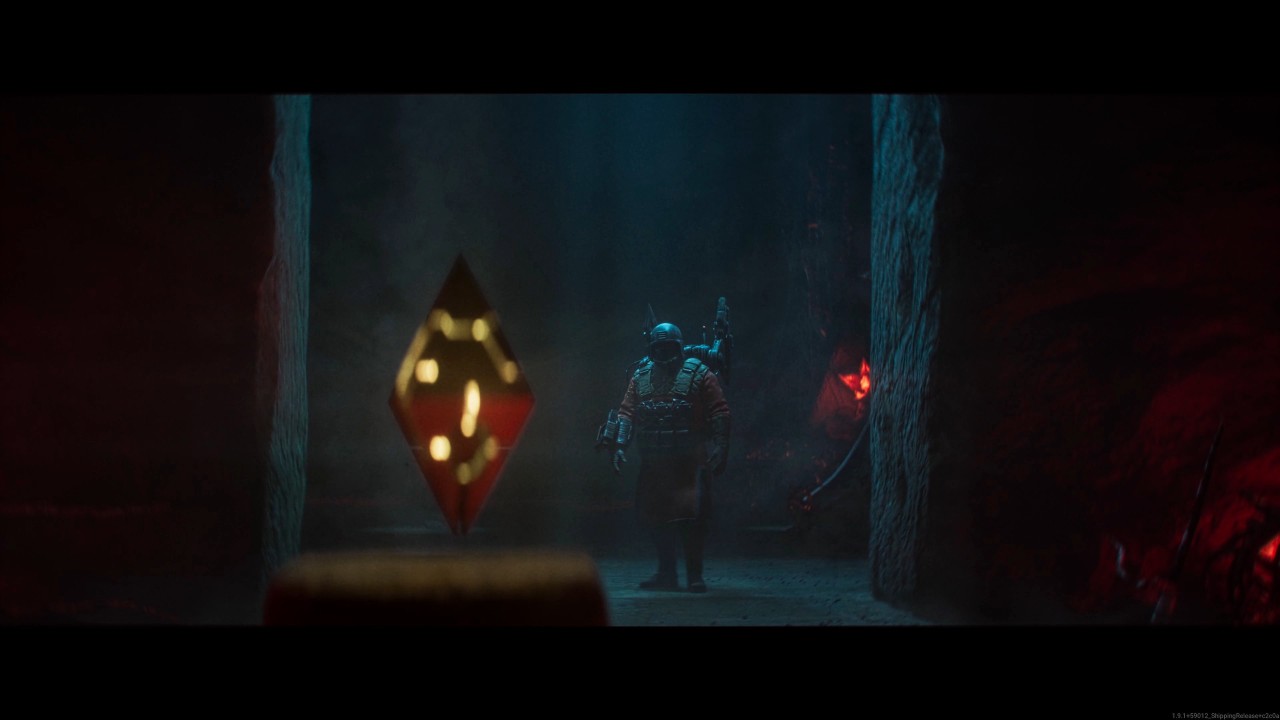
The story itself is one of the expansion's more interesting parts. Without major spoilers, the basic concept can be compared to the classic idea of dwarves digging too deep and discovering something they were never supposed to find. Except here, you see the situation from the other side. The Veti are essentially monsters emerging from the depths, and the campaign lets you experience their perspective rather than simply presenting them as another enemy faction.
That makes the campaign useful even if you're primarily interested in multiplayer.
You get a reason to understand why the Veti function the way they do, while the missions gradually introduce mechanics that can otherwise feel overwhelming. The campaign has 11 missions and features its own scenarios rather than simply repeating the structure of the existing campaigns. The first mission is relatively welcoming, but the second can throw you into the deep end surprisingly quickly.
That difficulty jump can be frustrating if you're a casual RTS player. Some missions rely heavily on making the right early decisions about what you build. If you make the wrong choice, you can reach a point where recovering becomes extremely difficult or even impossible. This can leave you restarting a mission simply because you didn't understand what the game expected you to do in its opening stages.
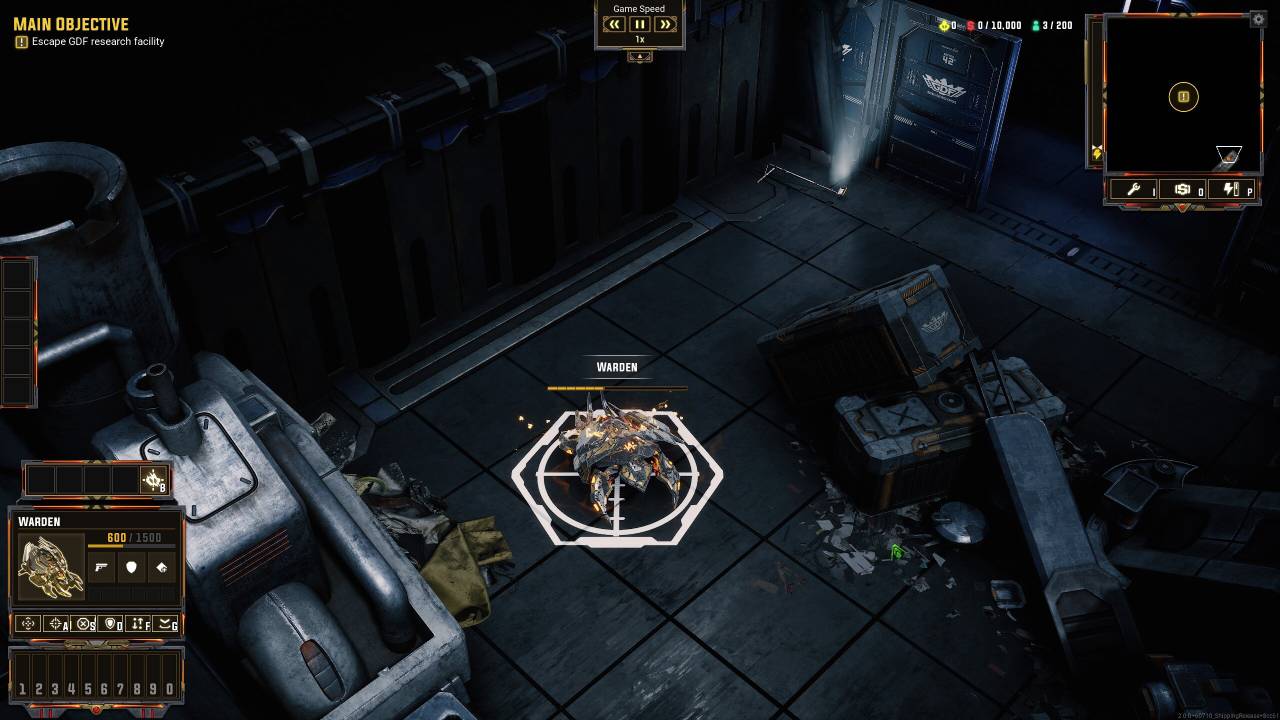
The good thing is that the campaign eventually gives you enough context to understand why those decisions matter. The Veti aren't a faction you can approach like the GDF or Dynasty. Their economy, army, and abilities are all connected, so learning one mechanic without understanding the others doesn't get you very far.
At the center of everything in Tempest Rising: The Veti's Wrath is the Veti's resource system.
They have access to a resource called Enlightened, which plays an important role in developing and strengthening their army. Instead of simply collecting resources and spending them on increasingly powerful units, you constantly decide how to generate, use, and sacrifice these units.
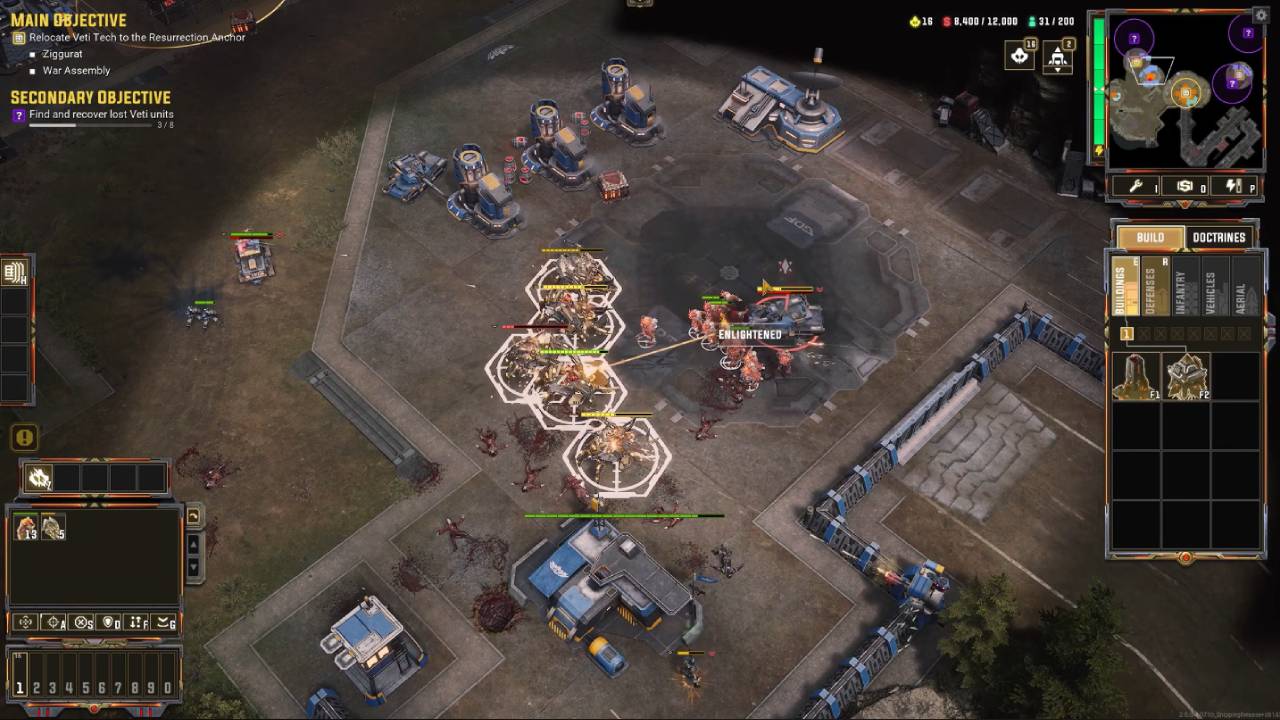
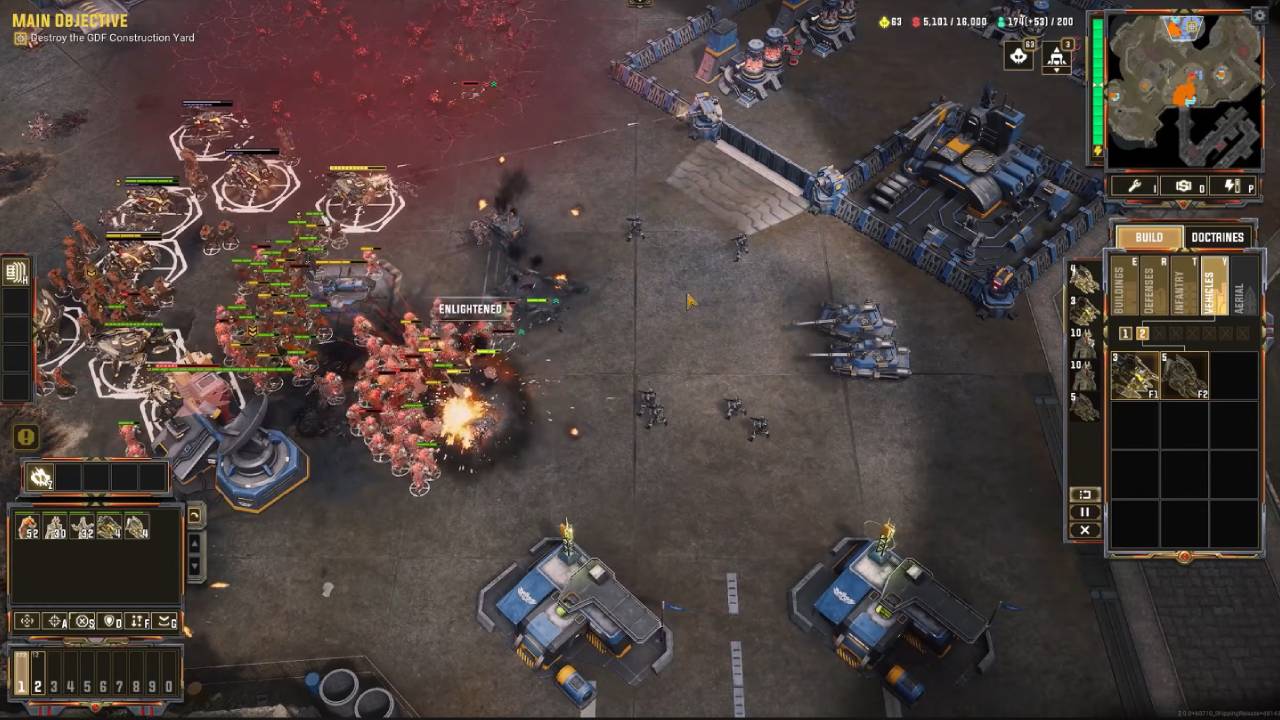
One of the most interesting mechanics lies in how Veti vehicles interact with enemy ground troops. When certain vehicles destroy opposing infantry, those enemies can return as your own troops as Enlightened units. These aren't just temporary summons that disappear after a short period. They become part of the system you use to strengthen your forces.
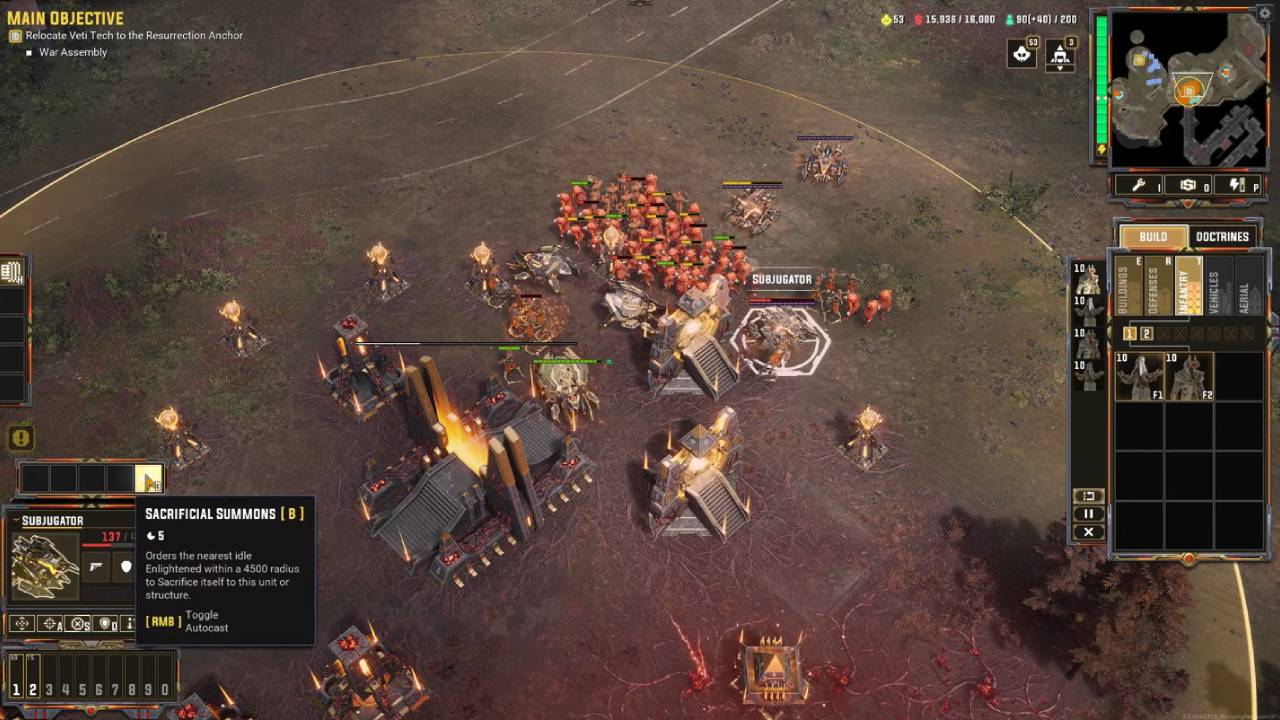
You can sacrifice Enlightened units to activate different bonuses for your troops. Depending on what you're using, this can provide effects like self-repair or a fully reloaded missile magazine. Those are just a few examples, and the system becomes more complex as you gain access to additional technologies and capabilities.
This is where the Veti can become extremely threatening.
You can pressure your opponent early, interfere with their ability to build their own army, and build up resources in the background at the same time. The faction's strength isn't necessarily that every individual unit is powerful. Instead, it's the way the different systems feed into one another.
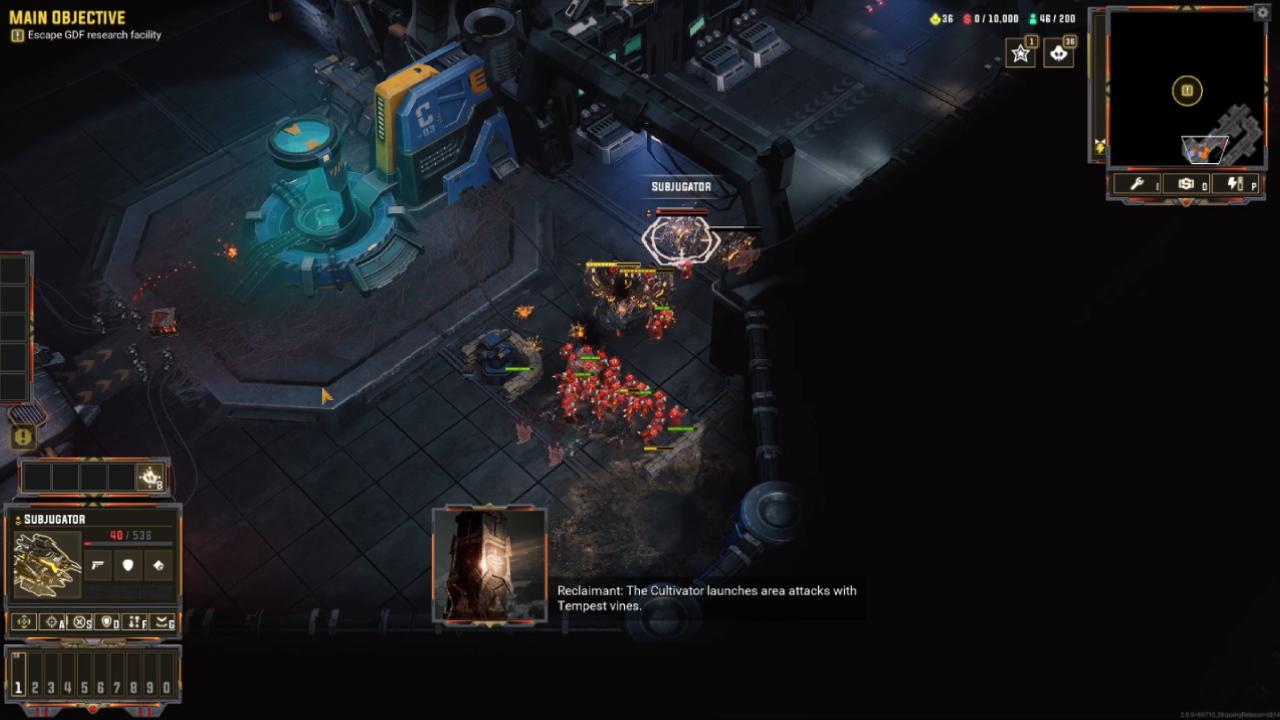
That also explains why the Veti can feel complicated. Their individual troops aren't necessarily impressive in isolation. You have to understand how their vehicles, Enlightened units, production, and upgrades work together. Once you do, you can create situations where your opponent has to deal with pressure from the front while you prepare something much larger behind it.
The faction also introduces systems such as Ascension Anchors, Resurrection Anchors, Corrals, the Caretaker, Gorgon, War Ender, and Vmana. These mechanics give the Veti their own identity, rather than simply replacing another faction's units with alien-looking versions. Their technology is built on the idea that death and resources can be turned into something useful, which gives you a very different approach to building an army.
The Armory and Doctrine systems also add another layer to your decisions.
Rather than simply unlocking stronger units and moving on, you're encouraged to consider how your overall army should function. The Veti's economy doesn't work exactly like a conventional RTS economy either, so you spend a lot of time thinking about what you need now and what will give you an advantage later.
There is also no traditional economic depletion, as you might expect in a standard RTS match. This changes how you approach longer games, since you're not simply racing to secure another resource patch before your opponent takes it. Instead, you focus on maintaining the systems that keep the Veti's army functioning.
If you're playing casually, this is both the faction's greatest strength and its greatest weakness. There is a lot to learn, and Tempest Rising: The Veti's Wrath doesn't always make that learning process painless. During the open beta, you could play the Veti without really understanding what you were doing. Even after spending time with the faction, the single-player campaign can feel almost necessary if you want the mechanics to properly click.
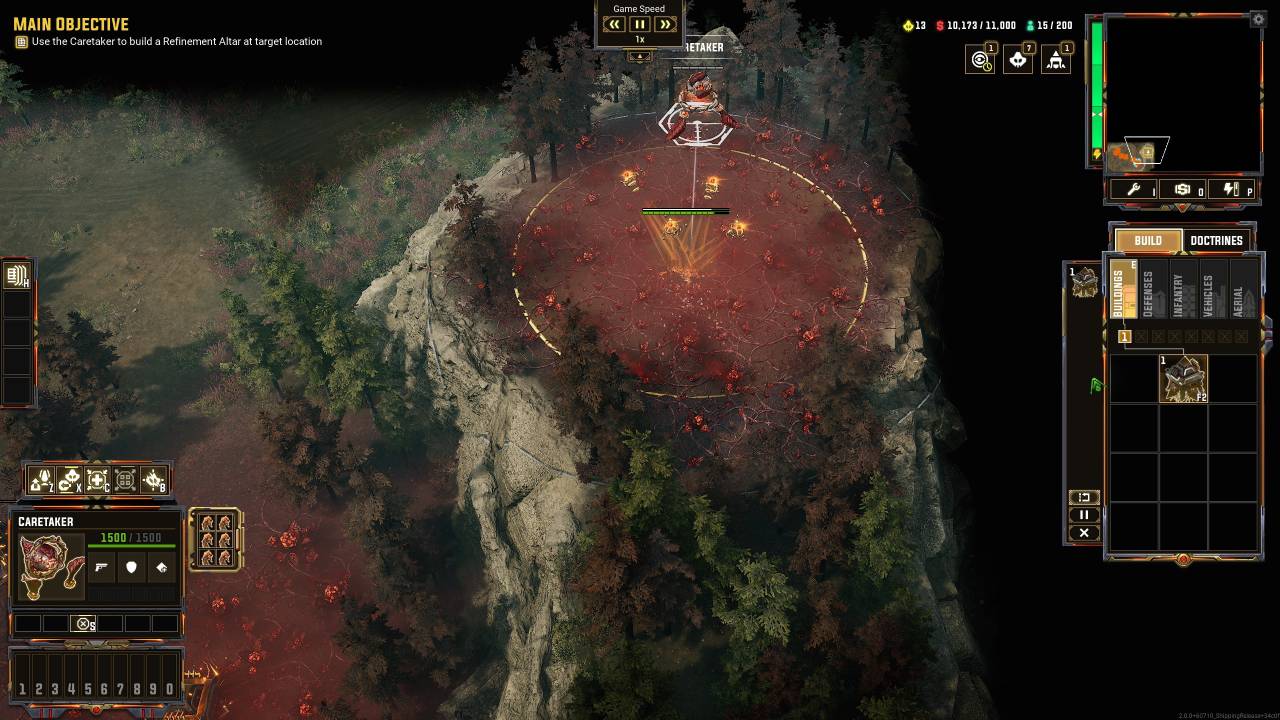
The campaign's pseudo-tutorial structure helps, though the difficulty spike means it isn't always the smoothest learning experience.
On Normal difficulty, some missions can be frustrating when you're still figuring out what the game expects. Dropping the difficulty to Easy can make the campaign more approachable, especially if you're more interested in the story than in proving you can master every mechanic immediately.
Combat itself is where the Veti's systems start to come together. You aren't simply selecting a group of units and sending them toward the enemy. You need to consider which enemy units your vehicles should target, how to generate more Enlightened, when to sacrifice them, and which bonuses will give you the most value.
That creates a combat loop where preparation matters as much as the actual fight. If you use your resources effectively, you can keep your army active and apply pressure without constantly replacing every unit you lose. If you waste those resources, however, the faction can suddenly feel much weaker.
The Veti's campaign isn't driven by a conventional XP-grinding system as you might find in an RPG.
Instead, you progress by learning the faction's systems, unlocking technologies and doctrines, managing Enlightened units, and understanding how the different structures and abilities work together. That means your own knowledge becomes a major part of the progression.
This is especially important because the Veti are designed to be strong early on. If you understand their mechanics, you can establish pressure before your opponent has properly developed their army. But that advantage isn't automatic. You have to know how to use the tools you're given, and the learning curve can be steep if you're coming into Tempest Rising as a casual player.
The expansion also benefits from the updates added to Tempest Rising around this period. Since launch, the game has received features including ranked matchmaking and leaderboards, a higher population cap reaching up to 500, spectator support, six-player skirmishes, speed controls and pausing, additional maps, more custom match options, super weapons, a global production queue, an in-game codex, a map editor, Steam Workshop support, trading cards, and various quality-of-life and balance changes.
Those additions don't belong exclusively to the Veti, but they help create a stronger environment for experimenting with the new faction.
The larger population cap, additional skirmish options, and custom settings give you more ways to spend time with the faction outside the campaign. If you learn RTS mechanics by repeatedly playing against other people or testing different builds, that matters more than simply having another story campaign.
Visually, the Veti also manage to stand apart from the other factions. Their technology and units have a distinct identity, and the strange mix of vehicles, resurrection mechanics, and alien technology makes them feel different on the battlefield. The visuals support the idea that you're dealing with something that doesn't operate according to the same rules as the human factions.
The campaign environments also continue Tempest Rising's general visual style rather than trying to reinvent the game. You get the same RTS presentation, but the Veti's structures and units give their missions a different atmosphere. Their technology is particularly important because the faction's identity depends heavily on seeing those unusual systems operating together.
The sound and music follow the same approach.
The Veti have their own atmosphere, but it doesn't make the expansion feel disconnected from Tempest Rising. The presentation helps distinguish their missions from those in the GDF and Dynasty campaigns, and the overall audio design is consistent with the base game.
The biggest takeaway after spending time with Tempest Rising: The Veti's Wrath is that the faction is more complicated than it seems at first glance. You can jump into a skirmish and understand the basic idea of building units and attacking your opponent, but getting the most out of the Veti requires a much better understanding of their interconnected systems.
That's why the campaign has more value than it might initially seem. If you're already comfortable with RTS games and only want to play the Veti competitively, you don't strictly need the campaign. The faction is available in multiplayer and skirmish after release, so you can experience its gameplay without buying the story content.
For casual players, however, the campaign can be a useful way to learn.
It gives you a controlled environment where the mechanics can gradually make more sense, even if some missions make that learning process frustrating. Playing on Easy would also relieve some pressure and let you focus on learning the faction rather than stressing about making the perfect decision in the opening minutes.
The open beta didn't feel dramatically different from the press version in terms of the faction's core design, suggesting the Veti's basic identity was already in place. What changed most for a player unfamiliar with them is how much more understandable they become after spending time with the campaign.
Ultimately, Tempest Rising: The Veti's Wrath feels like an expansion designed to teach you to think about Tempest Rising differently.
The faction doesn't simply give you stronger versions of familiar units. It asks you to manage Enlightened, use enemy casualties to your advantage, sacrifice units for bonuses, maintain your economy, and think ahead about how your army will develop.
That complexity can make the campaign frustrating, particularly for casual players who aren't used to competitive RTS mechanics. At the same time, it gives the Veti a clear identity and makes them worth experimenting with in skirmish and multiplayer.
It is also worth mentioning because it offers a different view of the world of Tempest Rising. You aren't simply fighting against the monsters from the outside. You play as them, see their motivations, and learn how they operate. That idea is simple, but it gives the campaign a reason to exist beyond introducing a new set of units.
If you're buying Tempest Rising: The Veti's Wrath solely for its multiplayer faction, the paid campaign isn't required to access the Veti themselves. If you want the story and a structured way to learn the mechanics, though, the campaign provides that extra context. Just be prepared for some missions to demand more planning than you might expect.
The Veti are most interesting when all their systems work together.
They're also at their most frustrating when you haven't figured those systems out yet. That's a reasonable trade-off for a faction built around unusual mechanics, but it means the expansion won't necessarily click immediately with every RTS player.
For me, Tempest Rising: The Veti's Wrath works best as a new way to experience Tempest Rising rather than as something that completely changes the base game. The faction's free availability in skirmish and multiplayer also means the most important part of the expansion's gameplay isn't locked away from players who don't buy the campaign.
The single-player side is where the value becomes more subjective. The 11-mission campaign gives you a new story and a proper introduction to the Veti, but its difficulty can get in the way if you're playing casually. If you're willing to lower the difficulty and take time to learn the mechanics, there's more to appreciate.
With the press version already being distributed, the full release is expected soon. Until then, the biggest question isn't whether the Veti are different. They clearly are. The real question is how much time you're willing to spend learning a faction that asks you to approach the RTS formula from another angle.
Tempest Rising: The Veti's Wrath adds a faction that is built around resource management, resurrection, sacrifice, and aggressive early-game pressure.
Its 11-mission campaign gives you the best opportunity to understand those mechanics, but the difficulty can be rough for casual players. Once you understand the systems, the Veti become one of the more distinct ways to play Tempest Rising. Since the faction itself is available in multiplayer and skirmish without requiring the campaign, the paid DLC is mainly about getting the story and a dedicated way to learn how the Veti work.
Admin, NoobFeed
Verdict
Tempest Rising: The Veti's Wrath adds a complex new faction and an interesting campaign, though its difficulty may frustrate casual players. The Veti themselves remain available in multiplayer and skirmish without the paid campaign.
82
Related News
No Data.