
Little Nightmares III Review
PC
A haunting return that mixes cooperative fear with beautiful art and some familiar annoyances.
Reviewed by Nusrat Choity on Oct 10, 2025
When Little Nightmares II closed its twisted fairy-tale doors in 2021, it felt like the end of a very specific kind of scary magic. Tarsier Studios, the company that made this scary series, made something that had never been seen before in a game: a mix of childlike wonder and existential dread.
The sound of floorboards creaking, the sight of creepy faces in the dark, and the sound of someone quietly escaping down a narrow vent all set a mood so unique that it was easy to recognize.
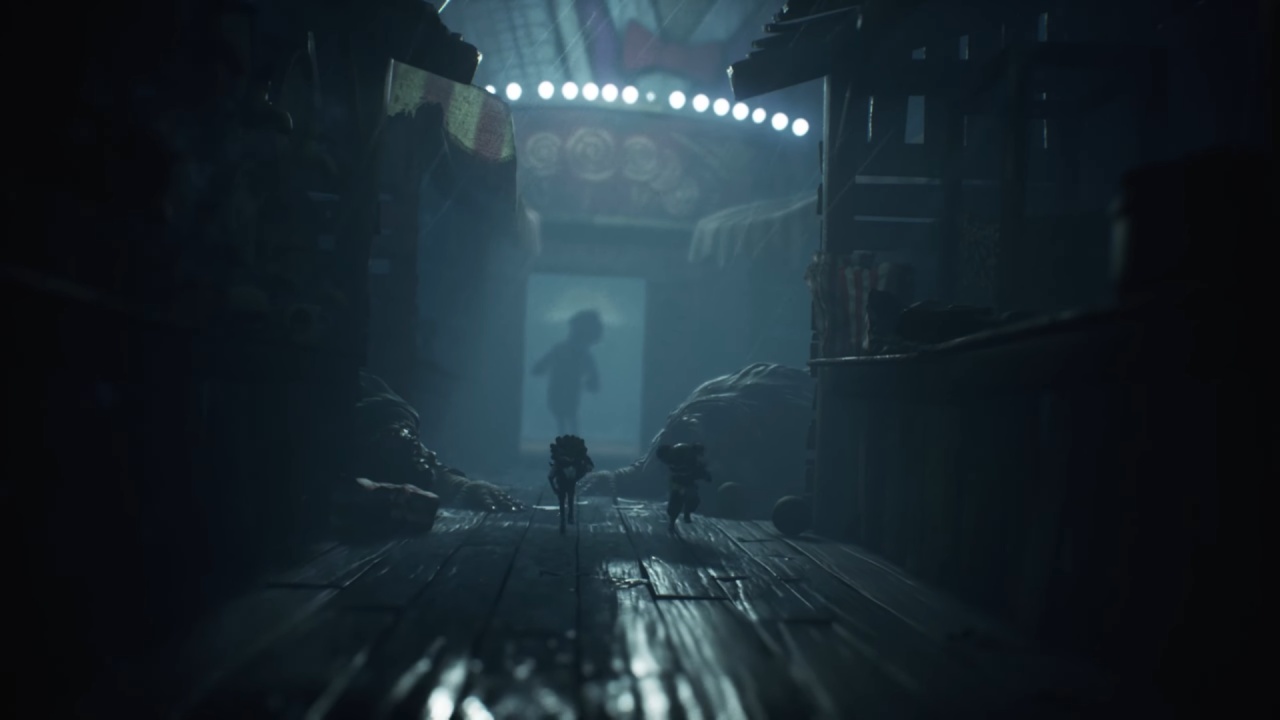
After two entries of great nightmare fuel, Tarsier moved on, leaving fans to wonder if the magic would ever come back. Supermassive Games is the studio behind Until Dawn and The Dark Pictures Anthology. They are experts at making scary movies and telling stories that make you think about your morals.
People were both excited and worried about their takeover of Little Nightmares III. Could they keep Tarsier's delicate mix of quiet tension and strange fear while adding their own touch?
It's not easy to answer. Little Nightmares III doesn't introduce anything new, but it does improve and expand on what was already there. It adds cooperative play, beautiful new places to explore, and an emotional focus on working together. However, it still has some of the same problems as the games that came before it.
The camera is still a fickle friend, and the platforming can be very frustrating at times. But when everything comes together, it gives you the kind of horror that doesn't scream at you; it whispers. And for some reason, that's much scarier.
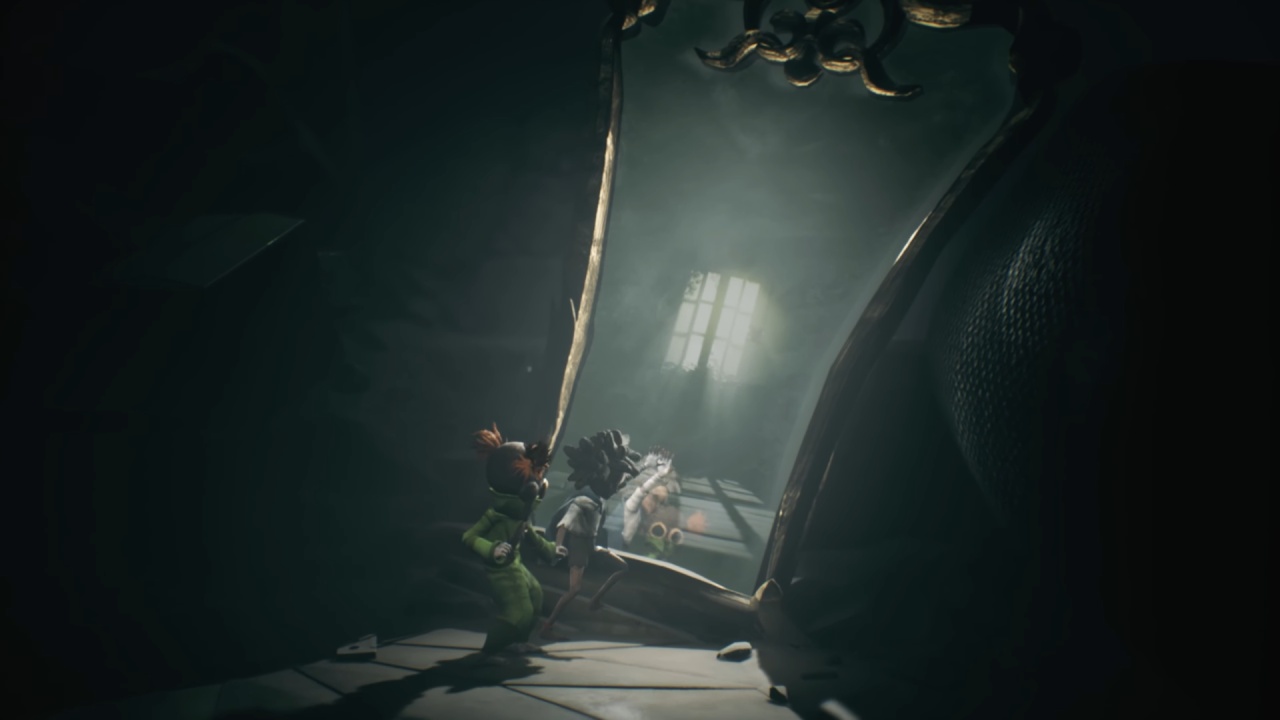
Little Nightmares III doesn't bring back Six and Mono, the doomed duo from earlier games. Instead, it introduces two new child protagonists: Low and Alone. The characters' names seem to have deeper meaning, as if they were a quiet meditation on the series' emotional states. They travel through a strange, dying world that seems to change in response to fear itself.
Low, who wields a little bow and arrow, is a sign of being weak and focused. Holding a wrench by itself means being bold and strong. They don't communicate, yet their bond is the most important part of the game. Their relationship is more than simply a way to get things done; it's the whole tale. In a world that constantly appears poised to smash them, their bond is the only thing that keeps them going.
The game starts with the two of them walking through a deserted city in the desert. The streets used to be full of life, but now they are covered in ash and sand. The people who live there are frozen in motion, which is a scary reminder of how terror can change lives.
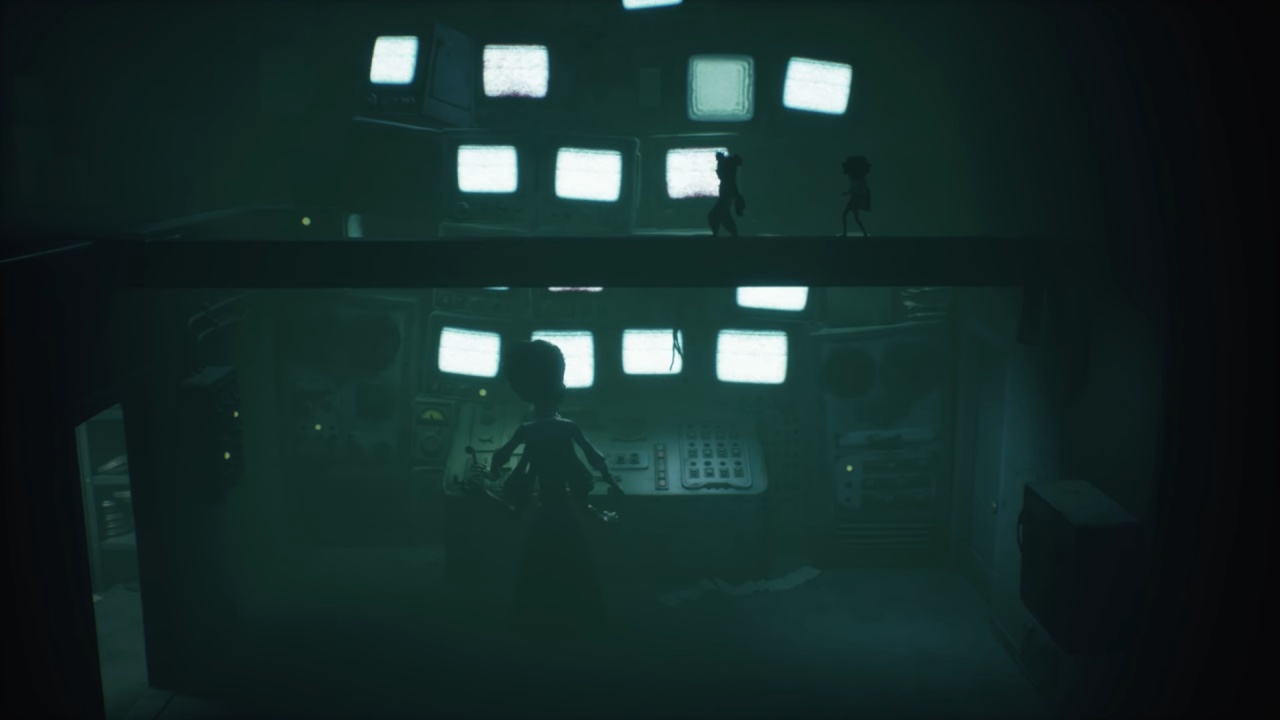
From there, the kids go down into the depths of an old hospital, where a horrible monster that looks like a baby stalks the halls. Later, they go through a maze of smoke and gears in an industrial area, and finally, they go to a carnival from hell, where there are flickering lights and smiling monsters.
Little Nightmares III tells its story through pictures and mood, just like the other games in the series. Each setting feels like a page from a dark dreambook, revealing fragments of a world shaped by the characters' fears. You never really know where you are or even what you are, but that's part of what makes it so interesting.
And this time, you don't have to deal with it by yourself. Two players can play the nightmare together in online co-op. It's a natural progression for the series that makes moments of escape and desperation feel more real. When you both hold your breath in the dark or run through a collapsing tunnel holding hands, the fear becomes shared, and that makes it stronger in some way.
Little Nightmares III stays true to the series' formula: a mix of exploring, sneaking around, solving puzzles in the environment, and short bursts of crazy platforming. The game takes place on a 2.5D plane, meaning most of the action happens from left to right, while the world around you stretches into the background with dizzying depth.
The game is all about watching and timing. You crawl through vents, climb furniture, and creep through dark hallways. You push things, pull levers, and solve puzzles in the environment while avoiding creatures that seem to be made to mess with your mind. Each enemy has its own theme and way of acting.
The horrible baby in the hospital drags itself across the floor in a way that makes you sick, and later in the game, a puppet master controls living dolls with sickening grace.
When you play by yourself, you control either Low or Alone, and the AI takes care of your partner. The AI is surprisingly good; it helps with escapes, but it can be a little clumsy when solving puzzles. The game is much more exciting with two people playing. You have to work together to stay alive.
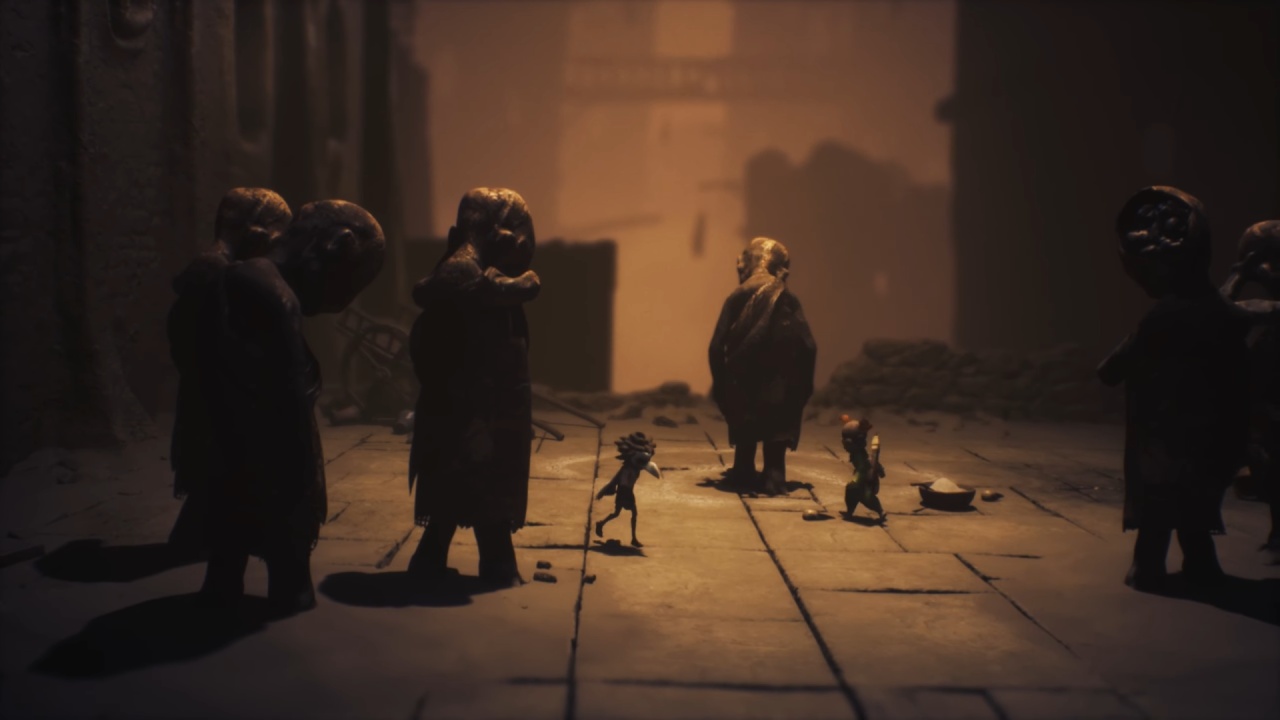
Some puzzles need one character to hold an object still while the other climbs, and others need perfect timing or actions that happen at the same time. You learn to depend on your partner quickly, and you get scared when you're not with them. The design's quiet brilliance is that you feel your partner's absence as a physical void.
Little Nightmares III doesn't use brute force or hard-to-understand RPG systems. The puzzles are easy to solve, but they are cleverly hidden and often fit in perfectly with the rest of the game. A loose vent, a movable box, or a switch that is hard to see behind shadows are all examples of solutions that are right in front of you.
One of the most interesting puzzles requires you to rotate a huge chandelier to line up platforms for a climb. This requires both spatial awareness and steady coordination. Another one has you turn off a ventilation system that seems impossible at first, but then you see a power switch that is almost hidden in the mist.
The fun of solving these puzzles isn't how hard they are; it's the moment of realization when you feel both frustrated and happy, which is something that very few horror games get right.
There is some fighting, but not much. Low's bow and Alone's wrench are more like last-ditch weapons than weapons of domination. You can fight off small enemies, but against the huge monsters that are in every chapter, you have no power. The game's philosophy is clear: you're not a hero; you're a target.
This restraint is nice in a genre that often confuses violence with tension. Little Nightmares III knows that real fear isn't about fighting; it's about running away, hiding, and holding your breath while something huge stomps just inches away.
That being said, some parts don't work. The platforming is still uneven, and the game's cinematic camera angles can sometimes get in the way. Some jumps feel off, and some chase scenes rely on trial and error rather than instinct. It's annoying, but not enough to make the other great things less great.
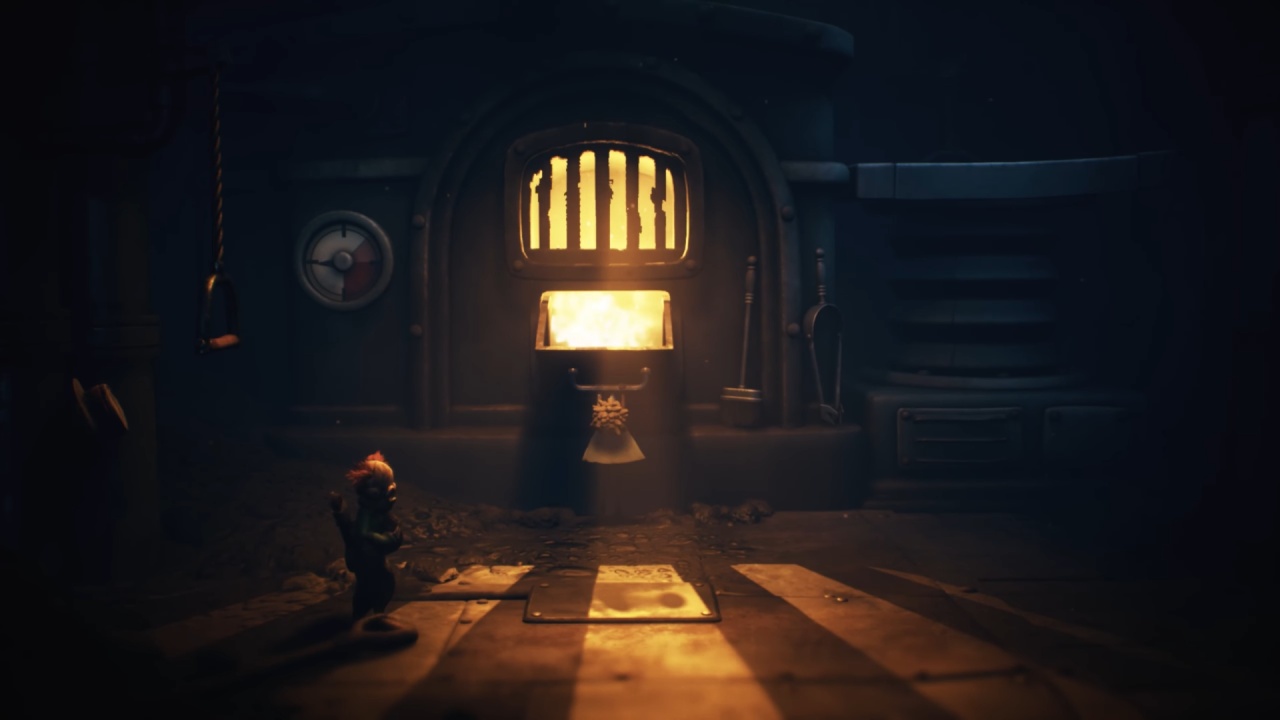
There aren't many games that can make ugly things look this good. Little Nightmares III is a stunning work of art that combines surreal horror with high artistic goals. Every level is like a twisted diorama, with lots of story, texture, and hand-made details.
Supermassive Games has done a great job of keeping Tarsier's signature look while adding more movie-like elements. The environments are varied and full of character. The dusty city, the hospital's flickering lights, the choking machinery in the industrial zone, and, finally, the carnival, a horrible wonderland of color and despair. It feels like the world is breathing unevenly and watching you from behind broken glass in each place.
The lighting is still one of the best parts of the series. Shadows move around like living things, and little pools of light feel holy, like safe places to be in the middle of all the noise. The muted colors make the oppressive tone even worse, making every flash of light seem like a lie.
The character design keeps up the series' long history of exaggerated sizes and distorted shapes. The monsters are both disgusting and fascinating. They represent fears from childhood, like the doctor who gets too close, the doll that moves when you're not looking, and the carnival clown whose smile never fades. Low and Alone, on the other hand, are small and fragile, like symbols of defiance against the impossible.
The sounds give the nightmare its life, while the pictures make it happen. Little Nightmares III uses sound not as decoration but to build tension. You can freeze just from the sound of a floorboard creaking, a wrench scraping against metal, or someone crying far away.
The music shifts between soft, haunting lullabies and industrial drones that fill the room. There are no loud orchestral stabs or jump scares; instead, the fear builds slowly. When danger is near, the music stops and you're left alone with your thoughts and the sound of your own heart.
One of the best design choices in the game is silence. There are long stretches of gameplay where there is almost no music, so you have to pay attention to every sound. When the silence breaks, like the stomp of a giant's foot or the squeak of a toy rolling across the floor, your nerves start to unravel.
The monsters also make sounds. They all make different sounds that warn and describe them, like distorted breathing, guttural laughter, or the mechanical clatter of limbs. Little Nightmares III tells its story through sound, and the result is very disturbing.
Co-op makes everything different. Little Nightmares III asks, "What happens when you tell someone what scares you?" You usually do scary things by yourself. The end result is no less scary; it's more human. The way players are linked is similar to how Low and Alone are linked. Every chase is like a heartbeat that everyone shares, and every puzzle is like a plan that everyone whispers.
The AI does a great job in single-player mode, but it's not perfect. It sometimes falls behind or makes mistakes when solving a puzzle, but these flaws make it feel more realistic. In this world, though, mistakes can kill you.
The second half of the game is the best part. The pace picks up, and the set pieces become stunning as the story moves to the Grand Carnival. There is no other place like this where horror and spectacle mix. The lights twinkle, the rides are falling apart, and the laughter echoes through the fog. It's a beautiful place that is also very wrong, and you can't look away from it even though it eats you.
Little Nightmares III is a game that both continues and changes the story. It dares to grow while remembering where it came from. Supermassive Games has been respectful of the franchise, keeping its core while expanding it.
Yes, the controls still don't work right, the camera still makes me angry, and the first few hours feel slow. But once it gets going, it turns into something special: a haunting, sad adventure that stays with you long after the credits roll.
The relationship between Low and Alone is what makes this entry so special. Their bond changes what could have been another scary escape into a meditation on trust, loss, and survival. The world may be cruel and unfair, but in their quiet friendship, there is hope—weak, flickering, but real.
Little Nightmares III is one of the most unique horror games thanks to its blend of art, atmosphere, and subtle storytelling. It doesn't use cheap scares or blood and guts. It doesn't leave your mind; it just creeps in.
Little Nightmares III is an unforgettable journey into a world that is both a nightmare and a dream. It will make you tense, think, and feel.
Contributor, NoobFeed
Verdict
Little Nightmares III refines its scary formula with beautiful art and cooperative terror, even if it still makes some of the same mistakes as before.
98
Related News
No Data.