
Why Valve Won't Subsidize the Steam Machine Amid the Memory Crisis
Valve engineers warn that retail memory prices remain months behind bulk supply and will keep climbing into 2027.
Hardware by Shinji Okazaki on Jul 19, 2026
Memory prices have been a growing issue for both PCs and consoles, and throughout 2026, shortages caused by demand from AI will keep prices high. Just one month ago, the Steam Machine came out in this environment. Now, Valve has shared its thoughts on both how well the console did at launch and the memory market that affected its price and supply from the start.
Valve says retail memory prices are lagging and about to become even more expensive. According to the company, the situation is getting worse rather than improving. Valve's Steam Machine engineers think there are three to six months before memory prices climb further. Instead of the drop many of us have been hoping for, Valve has confirmed the opposite is likely.
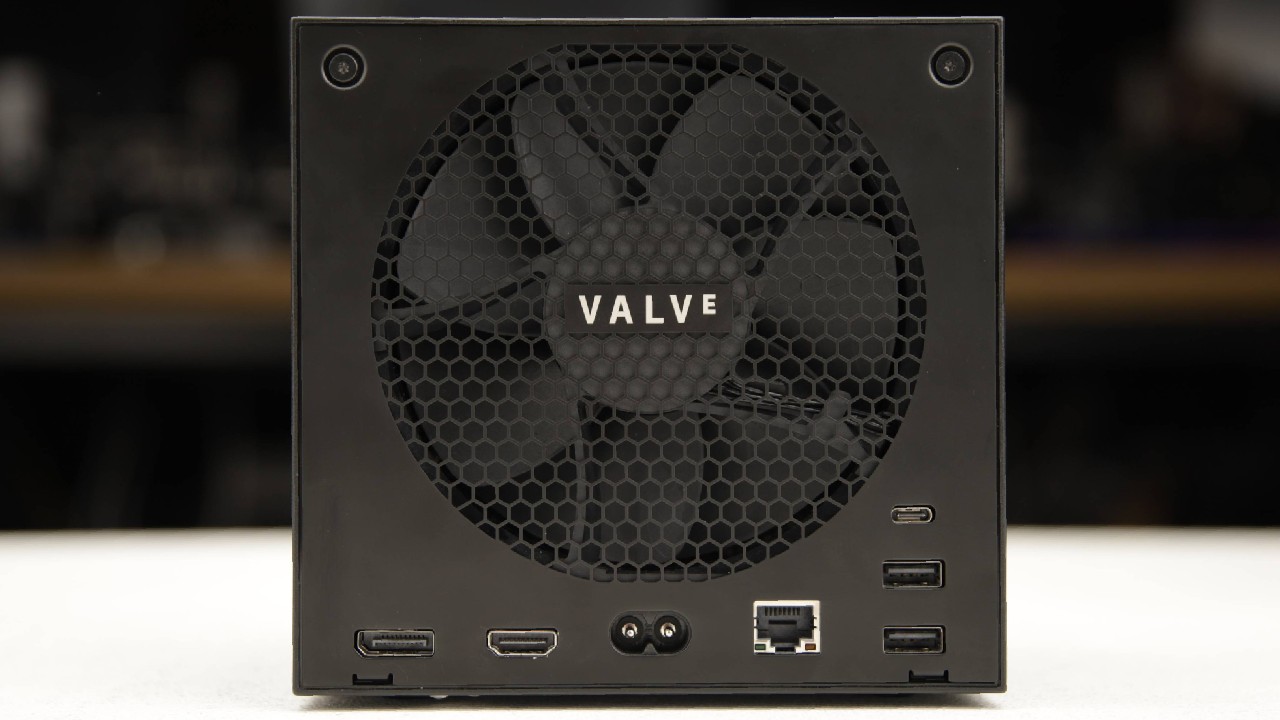
Memory Prices Set to Rise Further
If you were hoping the AI-driven RAM shortage might ease soon, that outlook has not materialized. Valve's engineers have claimed that shortages are worsening and that current retail stock is lagging behind bulk supply by roughly 3 to 6 months. Engineers Yazan Aldehayyat and Pierre-Loup Griffais told Bloomberg's Jason Schreier that prices are likely to increase further by the start of 2027.
We knew there was going to be an issue with sourcing, said Aldehayyat. He noted that the extent of the shortage went beyond what Valve expected. Retail shelves are currently lagging what Valve sees from bulk supply by at least three to six months, he added. Griffais said Valve is building everything it can get its hands on, and that the company remains limited by memory capacity.
Griffais made a similar point in an earlier interview with Gamers Nexus, explaining that sourcing DRAM for the Steam Machine has been difficult because Valve has been unable to secure long-term contracts with manufacturers. He described the process as being offered a price and a quantity each month, with a single yes or no answer, and no further negotiation if Valve declines.
Impact on Steam Machine Pricing and Availability
Valve has chosen not to subsidize the Steam Machine, which keeps the Steam Machine's starting price high. Part of the reasoning may come down to scale. Valve stands to earn 30% from software sales through its platform, and subsidizing hardware usually makes sense when a company can offset losses through volume.
Since Valve cannot currently manufacture or source enough components to sell the Steam Machine at a larger scale, discounting the hardware would likely work against the company rather than in its favor. The console remains priced above $1,000 as a result, with limited supply further complicating the process of getting one.
There is still some hope tied to a class action lawsuit filed against the three largest memory manufacturers, Samsung, SK Hynix, and Micron Technology. The suit accuses the companies of coordinating to restrict the supply of commodity memory and artificially raise prices. Lawsuits like this tend to take years to resolve, so a near-term price drop tied to the case is unlikely.
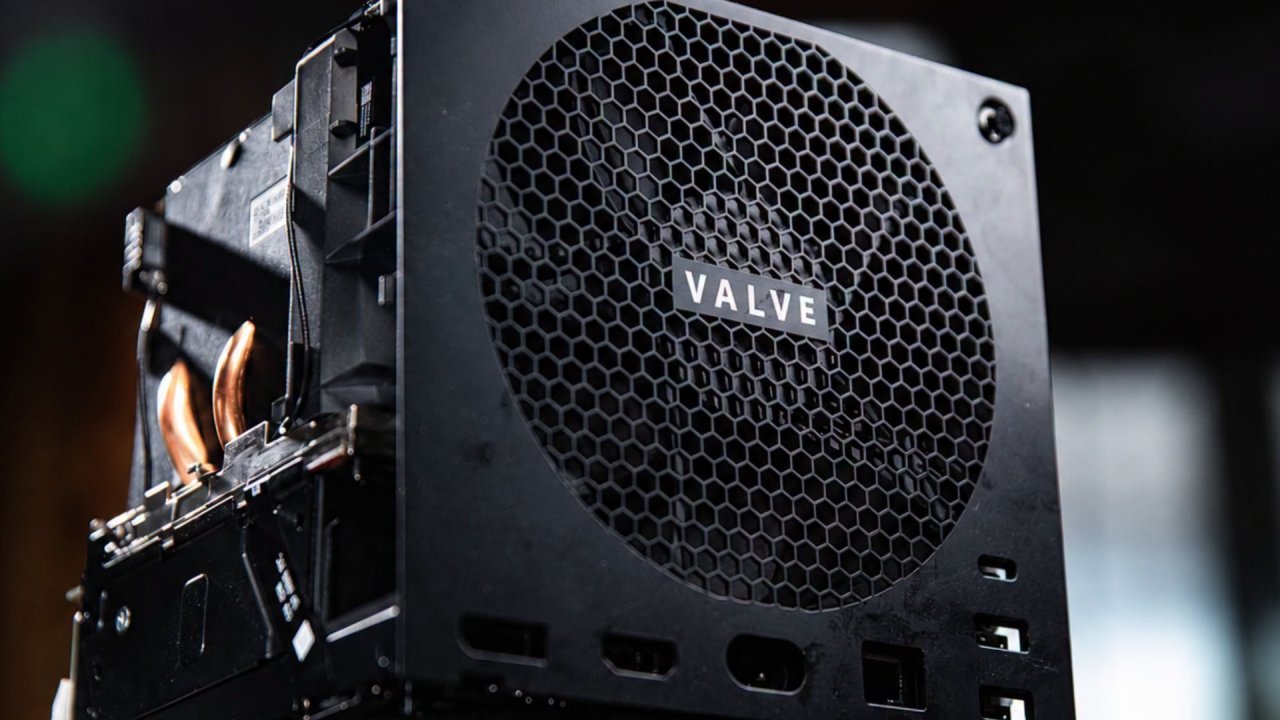
Valve Sees the Steam Machine as a Success
According to Bloomberg, Valve is satisfied with the Steam Machine's early performance and considers the launch to have gone better than expected. The company has stated that it never intended to compete directly with PlayStation and Xbox on unit sales. Instead, Valve's stated goal is to expand Steam OS and make it easier to bring PC gaming into the living room.
Interest in SteamOS itself has grown alongside the hardware. Gaming on Linux-based systems has improved substantially in recent years, and Proton now runs some titles as well as, or better than, they do on Windows in certain cases. Valve has applied lessons learned from the Steam Deck toward building what it describes as a living room PC.
The fact that a $1,000 machine sold out quickly points to a level of trust in Valve's direction.
Some comments about the Steam Machine have been about how much it costs compared to how well it works. A more powerful version that can output in 4K and 120 fps might be worth the extra cost for players who want better performance. Valve's decision to go down that path will probably depend on how memory prices evolve and how well the current lineup performs over time.
Valve has been open about facing the same memory pressures affecting the wider market, even as it works to grow the Steam Machine and Steam OS. Retail memory shortages are not expected to ease in the near term. Still, Valve continues to treat the Steam Machine's early reception as a step toward a longer-term goal centered on SteamOS adoption rather than short-term unit sales.
Editor, NoobFeed
Gaming Hardware Updates
No Data.